
Measuring Executive Depletion in High Demand Live Control Systems
Executive depletion in live control systems is physiological allostatic throttling driven by excess ungated open loops rather than mood failure.

Gauge
Executive depletion in live control systems is routinely misidentified as clinical depression or motivational failure. The distinction between systemic throttling and structural collapse lies in output selectivity. A clinical depressive state presents a generalized reduction in autonomic arousal and across-the-board behavioral withdrawal.
A throttled live control system maintains high-fidelity execution on immediate safety-critical threads while terminating self-initiated long-range planning, discretionary communication, and non-essential processing. Throttling protects system integrity. The prefrontal cortex, operating under elevated allostatic load, shifts allocation away from exploratory tasks toward threat preservation.
Measuring this state requires tracking physical state variables rather than self-reported mood.
Allostatic load represents the biological cost of chronic regulatory demand. When live control operations require continuous monitoring of multiple uncoordinated signals, the autonomic nervous system sustains elevated sympathetic activation alongside reduced parasympathetic recovery. Over extended operational windows, this persistent activation shifts baseline physiological metrics.
Parasympathetic tone drops, task-switching latency increases, and working memory capacity narrows. The operator remains capable of responding to urgent structural pings, yet loses the working memory headroom needed to evaluate complex trade-offs.
| Metric | Baseline Operational State | Throttled Control System | Clinical Depressive State |
|---|---|---|---|
| Task Switching Latency | 120 to 200 milliseconds | 450 to 800 milliseconds | Uniformly delayed across all prompts |
| Initiated Work Rate | High self-directed generation | Zero non-essential generation | Globally suppressed |
| High Frequency HRV | 40 to 65 milliseconds squared | 10 to 22 milliseconds squared | Chronically depressed vagal tone |
| Response to Live Interrupts | Proportional and deliberate | Hyper-reactive or immediate mute | Blunted or non-responsive |
Diagnostic confusion occurs when evaluators apply affective frameworks to control architecture problems. An operator presenting with zero self-initiated outreach and flat vocal tone is often advised to seek psychological rest or emotional processing. If the underlying open loops remain unaddressed, removing the operator from active control while retaining passive monitoring responsibility increases total cognitive drain.
The unmonitored threads continue to consume processing slots while the operator loses the external structure that maintained baseline regulation.
Throttling is an adaptive protective ceiling that preserves critical control functions by sacrificing discretionary bandwidth.
Quantifying executive depletion relies on measuring functional throughput under load. Prefrontal capacity displays finite limits when processing live feedback. When incoming message frequency exceeds the rate of loop resolution, the brain initiates protective throttling.
The physiological cost accumulates silently. Heart rate variability metrics reveal a collapse in high-frequency power long before overt operational errors occur. High-frequency heart rate variability reflects vagal nerve regulation of heart rate.
Vagal withdrawal signals that the executive control network is drawing on reserve metabolic capacity to maintain current output levels.
Misinterpreting a protective system throttle as a psychological failure leads to interventions that dismantle control structures without reducing input load, accelerating full operational breakdown.

Node
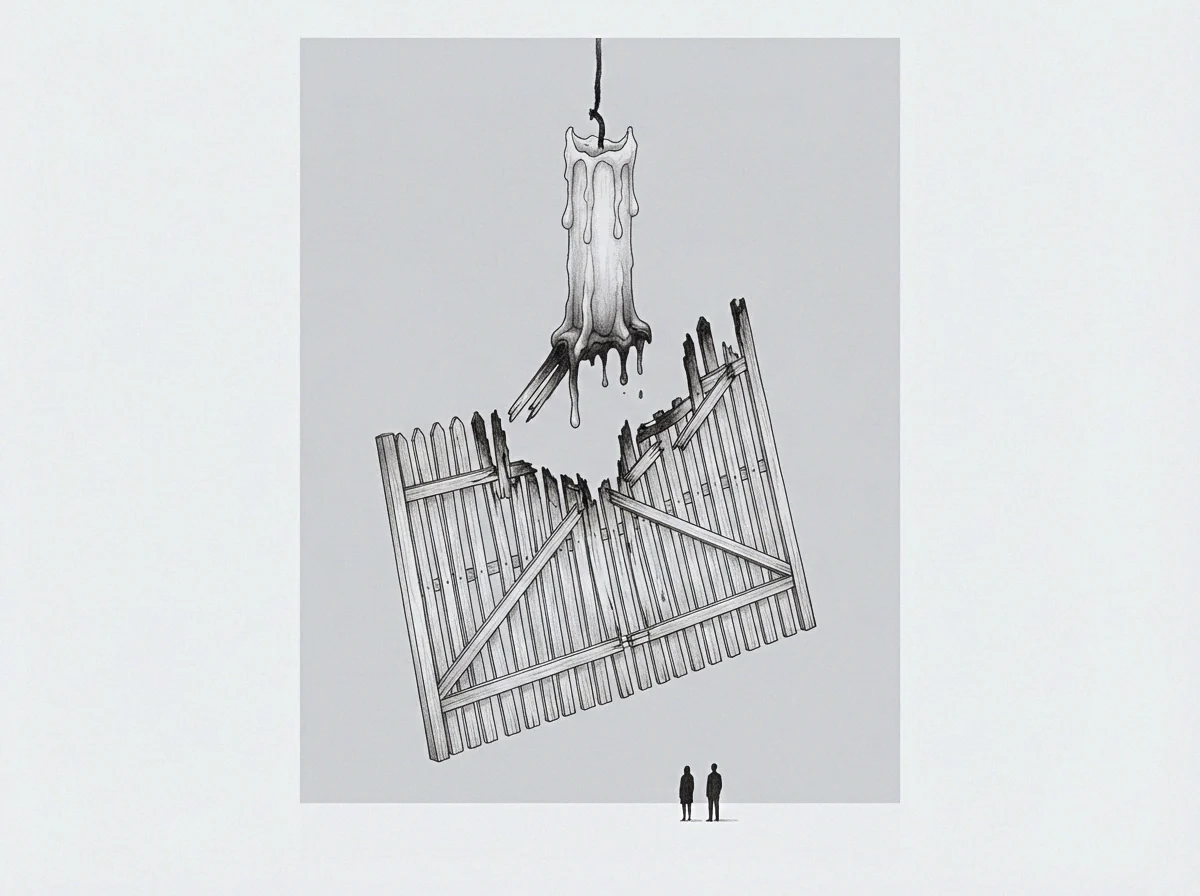
The Architecture of Live Concurrency Limits
The human executive architecture holds a strict limit on simultaneous uncoordinated operational threads. Working memory constraints restrict active manipulation to approximately four discrete items. In live organizational control systems, an open thread is any operational loop lacking definitive scope, explicit resolution dates, and agreed terms of execution.
A project with clear parameters and delegated ownership consumes minimal background capacity. An ungated thread, such as an unresolved contract dispute, an ambiguous strategic shift, or a key hire negotiation without a firm decision boundary, occupies an active processing slot continuously.
Consider an operator managing four live concurrent nodes. Node one is a critical platform stability issue requiring direct intervention. Node two is an unresolved equity split with a founding partner.
Node three is an incoming acquisition inquiry with vague terms. Node four is a personnel conflict within the core engineering group. Nodes one and four are bounded by concrete technical parameters.
Nodes two and three lack stated terms and fixed timelines. The unmonitored maintenance of nodes two and three consumes sixty percent of available prefrontal capacity even when no active messages are moving across those channels.
Open loops consume memory. The brain treats an open loop as an active threat requiring vigilance. The zeigarnik effect demonstrates that uncompleted tasks occupy working memory until a definitive plan or resolution gate is established.
In live control environments, the background scanning of ungated loops reduces the working memory available for live tactical decisions. Reaction time increases under load. As available slots reach zero, the system rejects incoming inputs regardless of strategic priority.
An open thread lacking explicit scope and resolution terms consumes an executive slot continuously.
Capacity drops under live noise. The switching cost between unrelated ungated loops generates heavy metabolic wear on the dorsolateral prefrontal cortex. Each transition between a live operational emergency and an ambiguous strategic dialogue requires recontextualizing the entire mental model.
This recontextualization carries a latency penalty. When an operator switches context ten times per hour across four ungated nodes, executive throughput degrades rapidly, producing the observable symptoms of acute depletion.
What is the maximum number of ungated threads a control system can sustain before input filtering fails completely?
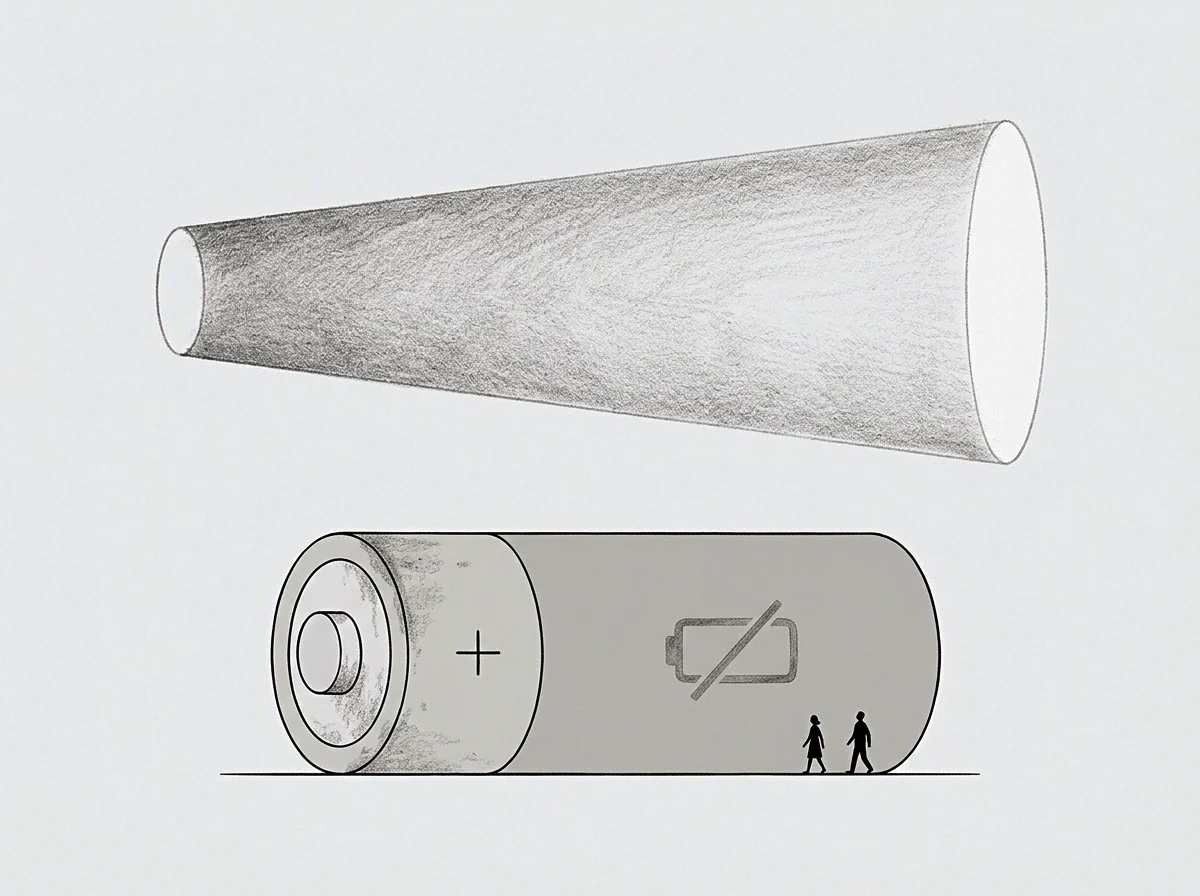
Drain

Can Borrowed Regulation Prevent Control Failure?
Executive regulation does not occur in biological isolation. Social baseline theory demonstrates that the human brain relies on proximity to predictable social partners to offload regulatory costs. When a team or founding group maintains clear structural alignment and stable baseline behavior, the individual operator expends less autonomic energy managing baseline threat detection.
The presence of a competent co-operator lowers the baseline metabolic cost of complex task execution.
When surrounding nodes exhibit high emotional volatility or structural ambiguity, the direction of regulatory flow reverses. The operator begins regulating for others. Absorbing partner anxiety, mediating interpersonal friction, and framing chaotic operational realities for stakeholders transforms the executive seat into an affective shock absorber.
Shared regulation carries a severe biological price. The operator maintains external stability for the organization while expending their own remaining allostatic headroom.
- Sustained Co-Regulation consumes prefrontal glucose reserves by continuously monitoring and dampening emotional instability in adjacent leadership nodes.
- Asymmetric Volatility Absorber positions the primary operator as the sole container for organizational ambiguity, eliminating their capacity to offload internal stress.
- Covert Monitoring Loop forces the executive to run predictive simulations of subordinate reactions before issuing standard operational directives.
The cost of holding regulation for external nodes compounds exponentially when internal system headroom is zero. In high-demand environments, team members interpret the operator’s calm demeanors as an indicator of excess capacity, responding by transferring additional unorganized problems into the central control node. The system receives incoming load precisely because it appears capable of processing it.
The central operator continues to regulate external inputs until total vagal withdrawal triggers abrupt cognitive refusal.
You cannot expect one node to hold the entire system’s operational weight while giving us nothing to stabilize our own execution.

Gate
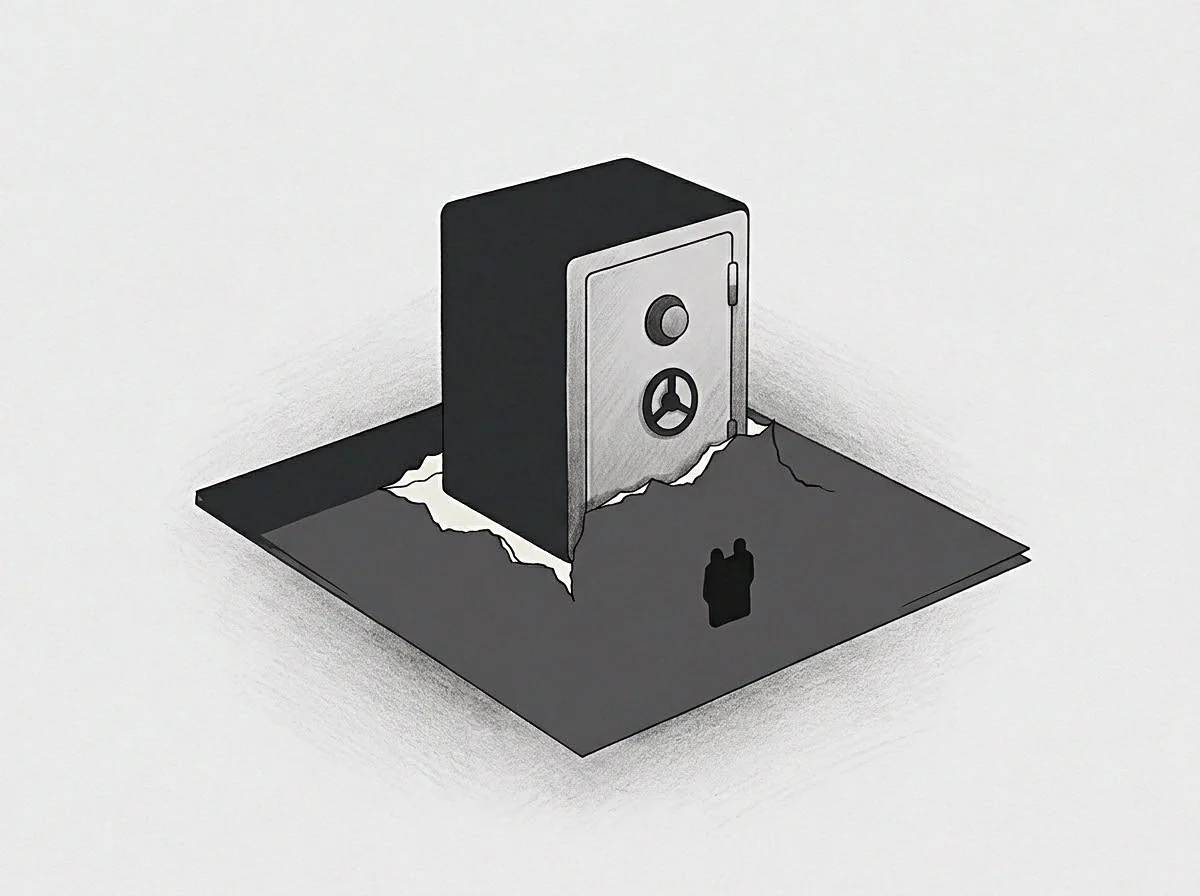
Loop Closure Through Stated Terms
Mitigating executive depletion requires converting ungated open loops into gated structural routines. A gate is a definitive operational boundary defined by three immutable components: explicit scope, a hard review date, and clear execution terms. Introducing a gate alters the cognitive load of a thread from an active background drain to a stored static file.
The prefrontal cortex releases the memory allocation once the parameters of re-engagement are fixed and trusted.
The transition from an ungated loop to a gated thread requires concrete operational constraints:
- Scope Definition establishes the precise boundaries of what is currently under evaluation, automatically rejecting peripheral inputs that fall outside the stated problem space.
- Temporal Parking assigns a fixed future calendar date for decision-making, prohibiting intermediate monitoring or status updates until the designated threshold is reached.
- Execution Terms defines the pre-calculated criteria required for automatic decision approval, removing the need for live executive arbitration when standard conditions are met.
Parked threads release slots. A line of inquiry that is explicitly paused until a designated milestone costs zero active working memory slots during the intervening window. The operator must enforce the gate against internal impulses to check status and external requests to re-open discussion early.
If an external counterparty attempts to bypass the gate before the agreed review date, the control system must reject the ping automatically to protect operational headroom.
A thread with explicit scope and a fixed calendar gate releases its hold on active executive memory.
Setting hard operational gates reduces total open loop counts from fifteen continuous drains to three active execution threads, immediately restoring prefrontal processing headroom.

Bench

State Variable Tracking for System Operators
Long-term control system survival depends on objective measurement of system variables rather than subjective introspection. Founders and executive operators frequently report feeling fine hours before severe cognitive failure occurs. Sympathetic overdrive masks exhaustion by flooding the central nervous system with catecholamines, maintaining artificial alertness while core prefrontal functions degrade.
Relying on emotional awareness to gauge depletion is biologically unreliable.
Effective monitoring relies on tracking hard behavioral and physiological proxies. Initiated work volume provides an early quantitative signal. When an operator stops generating strategic initiatives, delays draft approvals, or defaults exclusively to incoming low-friction tasks, throttling is active.
Tracking task-switching latency offers another objective metric. A sustained increase in the time required to resume primary tasks following standard operational interruptions indicates prefrontal slot saturation.
System wear accumulates silently. Managing live executive capacity demands treating processing headroom as a finite physical resource governed by conservation laws. Input rates must match resolution rates.
When incoming load outpaces structural capacity, the operator must either gate incoming threads or accept systemic output degradation. The seat assigns the load. System stability is preserved by engineering structural constraints that protect the human executive node from continuous live overload.