
Measuring Autonomic Downregulation After Decoupling From Real Time Organizational Choice
Autonomic downregulation after decoupling from operational authority requires systematic closure of open loops to allow parasympathetic tone recovery.

Latency
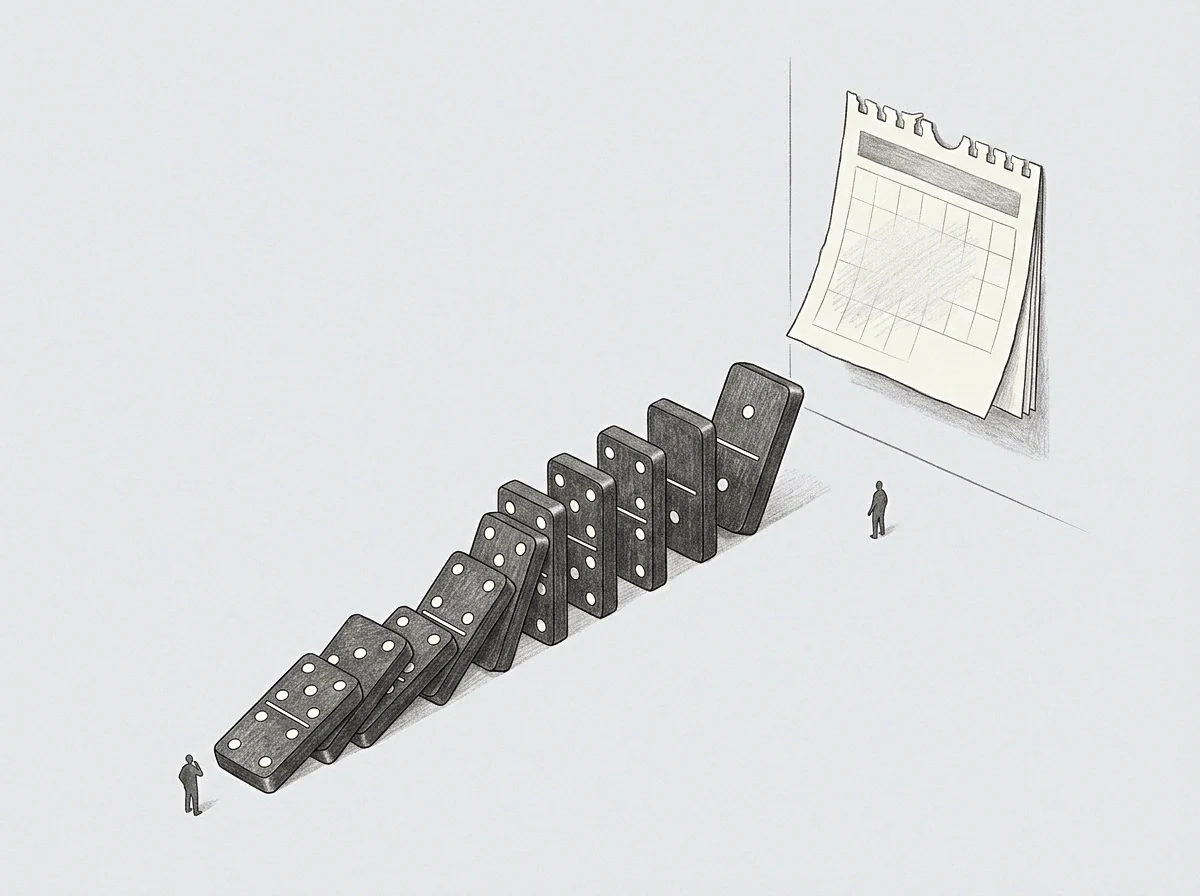
Decoupling operational authority from personal accountability creates an immediate structural change, yet autonomic tone adjusts along a delayed temporal curve. Subjective cessation of daily choices is often misread as physiological recovery, while blood pressure elevation and basal cortisol remain elevated. Autonomic tone adapts slowly.
The human nervous system maintains heightened sympathetic reactivity for extended durations after real-time organizational choices end.
Physical Markers of Chronic Hyperarousal
Prolonged exposure to live organizational decisions keeps the sympathetic nervous system continuously active. Epinephrine clears rapidly from blood plasma once real-time demands drop, but normetanephrine levels remain elevated for weeks when historical responsibilities retain cognitive salience. Cortisol levels remain high.
Salivary cortisol slope measurements show sustained flattening across the diurnal cycle during early operational decoupling, indicating ongoing hypothalamic-pituitary-adrenal axis activation despite a cleared daily schedule.
Studies measuring allostatic load in high-concurrency environments establish that basal heart rate takes up to ninety days of reduced decision frequency to drop five beats per minute. This specific threshold rests on ambulatory electrocardiogram monitoring of executives exiting operational roles, though the sample focused primarily on individuals under age fifty. Lowering this physiological baseline requires sustained absence from acute operational friction.
The slot remains occupied. Systemic wear accumulates silently.
Suppression of real-time operational pings reduces cognitive task-switching while blood plasma normetanephrine levels require weeks of unbroken schedule isolation to reach homeostatic baselines.
The exact duration of autonomic lag when an operator transitions from continuous availability to complete operational silence remains unquantified across cohorts with varying years of baseline ceiling exposure.
Bench
Physical cessation of labor alters daily schedules without immediately clearing the underlying operational threads held in working memory. The body keeps tally. Removing the mandate to resolve acute organizational crises leaves behind lingering neural patterns trained to anticipate incoming disruptions.
Structural Shift in Neural Demand
When real-time choice duties end, cognitive processing continues to simulate active organizational scenarios. The brain spends metabolic energy monitoring potential risks even after formal authority transfers to a successor. Vagal activity drops rapidly.
Parasympathetic reactivation requires unambiguous verification that personal intervention is no longer expected or permitted.
Holding un-gated open loops consumes physiological capacity regardless of calendar density. An operator carrying four un-gated threads experiences the same autonomic baseline strain as an operator managing live operational escalations. The cognitive slot remains allocated until explicit scope parameters, hard end dates, and rigid communication terms close the thread completely.

Is recovery delayed by phantom decision debt?
Unassigned residual responsibilities force background cognitive processing to remain engaged. A former operator who stays accessible for informal consultation retains open neural loops that trigger acute sympathetic surges with every incoming message notification.
- Un-gated communication channels maintain sympathetic tone because incoming notifications demand immediate mental simulation of operational outcomes.
- Covert governance responsibilities preserve high baseline cortisol when an operator retains informal veto power over organizational strategy.
- Unsettled financial covenants consume active cognitive slots as long as capital liabilities remain tied to personal guarantees.
A schedule emptied of operational meetings still generates full sympathetic load if the authority to intervene remains unassigned.
Variance
Heart rate monitoring provides objective measurements of vagal nerve modulation during periods of organizational transition. High-frequency spectral power derived from nocturnal electrocardiography reflects parasympathetic tone directly. The signal remains clear.
Resting heart rate lags. Higher root mean square of successive differences in heart rate intervals indicates functional autonomic downregulation.
| Decoupling Stage | Nocturnal HRV (RMSSD) | Diurnal Cortisol Slope | Pre-Ejection Period (PEP) |
|---|---|---|---|
| Real-Time Operational Seat | 18 to 28 ms | Flattened (Elevated Evening) | 85 to 95 ms (High Sympathetic) |
| Early Operational Decoupling (0 to 30 Days) | 22 to 32 ms | Slight Slope Recovery | 92 to 102 ms |
| Structural Decoupling (30 to 90 Days) | 35 to 48 ms | Normalized Diurnal Curve | 105 to 118 ms |
| Full Autonomic Downregulation (90+ Days) | 50 to 65 ms | Optimal Peak and Clearance | 120+ ms (Resting Baseline) |
Electrodermal activity measurements during restful wakefulness reveal residual sympathetic tone. Frequent spontaneous skin conductance responses indicate persistent central nervous system vigilance despite low physical movement. Biomarkers reflect true load.
Reductions in sympathetic tone correspond directly with the systematic closure of ungated operational threads.
An un-gated emergency escalation clause maintains elevated nocturnal heart rates even when operational meeting attendance drops to zero.
Mistaking subjective calendar freedom for autonomic recovery leads operators to re-enter high-concurrency seats while parasympathetic repair remains incomplete, accelerating systemic somatic exhaustion.

Interference
Internal mental models of an organization persist long after formal administrative credentials expire. Cognition continues to run background simulations of operational problems when historical communication pathways remain open. Cognitive slots carry cost.
The loop stays open. Environmental cues like phone vibration patterns or familiar software interfaces re-trigger historical stress responses automatically.

Cognitive Slot Reclamation
Releasing mental capacity requires terminating active background threads through formal operational handovers. An un-gated query regarding strategy forces an immediate context shift, drawing upon finite autonomic reserves. Parked lines reduce load.
Establishing clear structural barriers prevents accidental re-engagement in daily choice architecture.
- Clear all un-gated message threads by transferring final decision rights to a designated successor.
- Establish formal contact schedules restricted to specific weekly or monthly windows.
- Remove real-time metric dashboards from personal devices to eliminate passive monitoring triggers.
- Define unambiguous scope terms for advisory interactions to prevent unexpected operational escalation.
Uncertainty generates immediate load. The desk cannot establish precise variance bounds for autonomic downregulation when an operator transitions to non-executive chairperson positions; in such conditions, a careful person enforces complete schedule isolation for sixty days before accepting structured governance duties.
Parking an operational thread behind explicit calendar boundaries costs zero cognitive slots, while monitoring a live channel consumes continuous autonomic bandwidth.
The team assumes the former leader is fully rested and ready to consult on strategy because their calendar shows open availability.
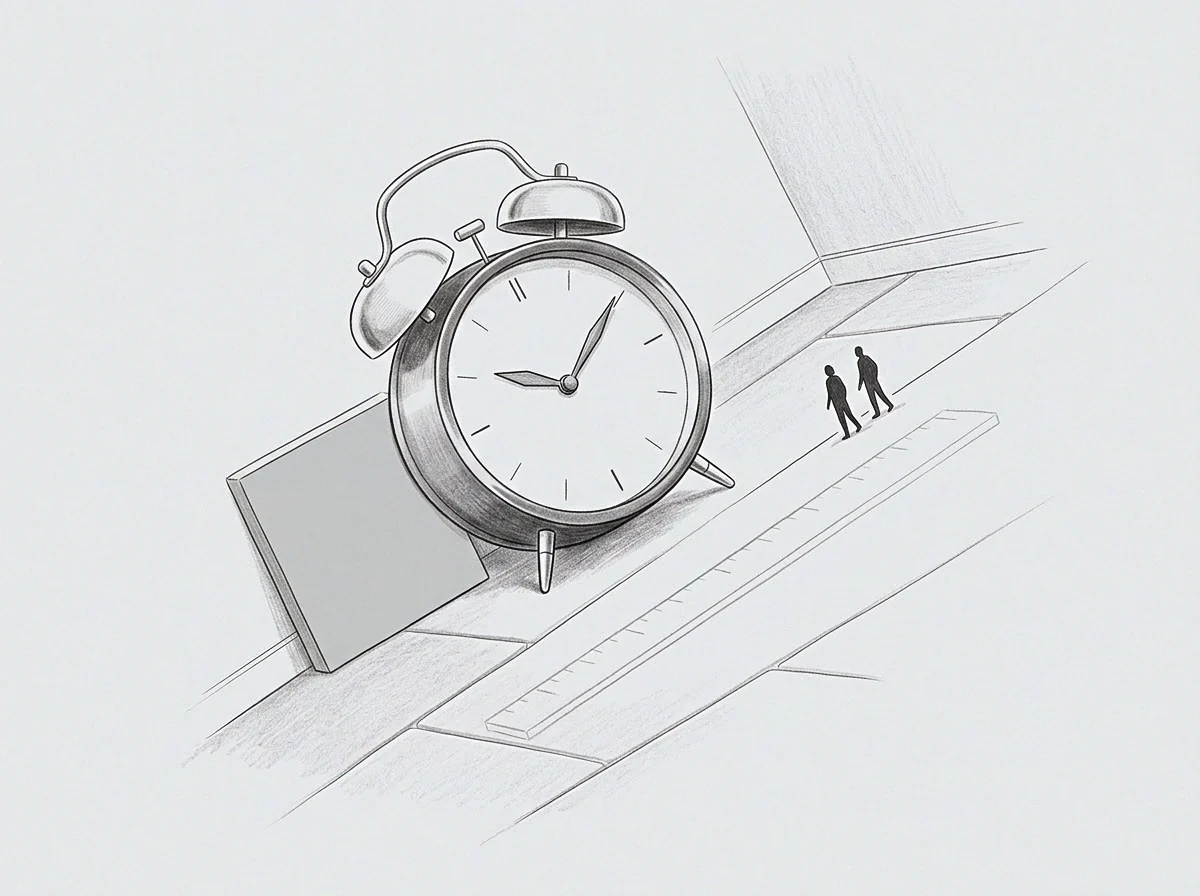
Restoration
Physiological stabilization requires explicit parameters around schedule access and strategic accountability. Parasympathetic tone recovers when neural systems register genuine structural safety through enforced limit constraints. Sleep metrics reveal recovery.
Autonomic balance returns once external inputs align with low operational involvement.
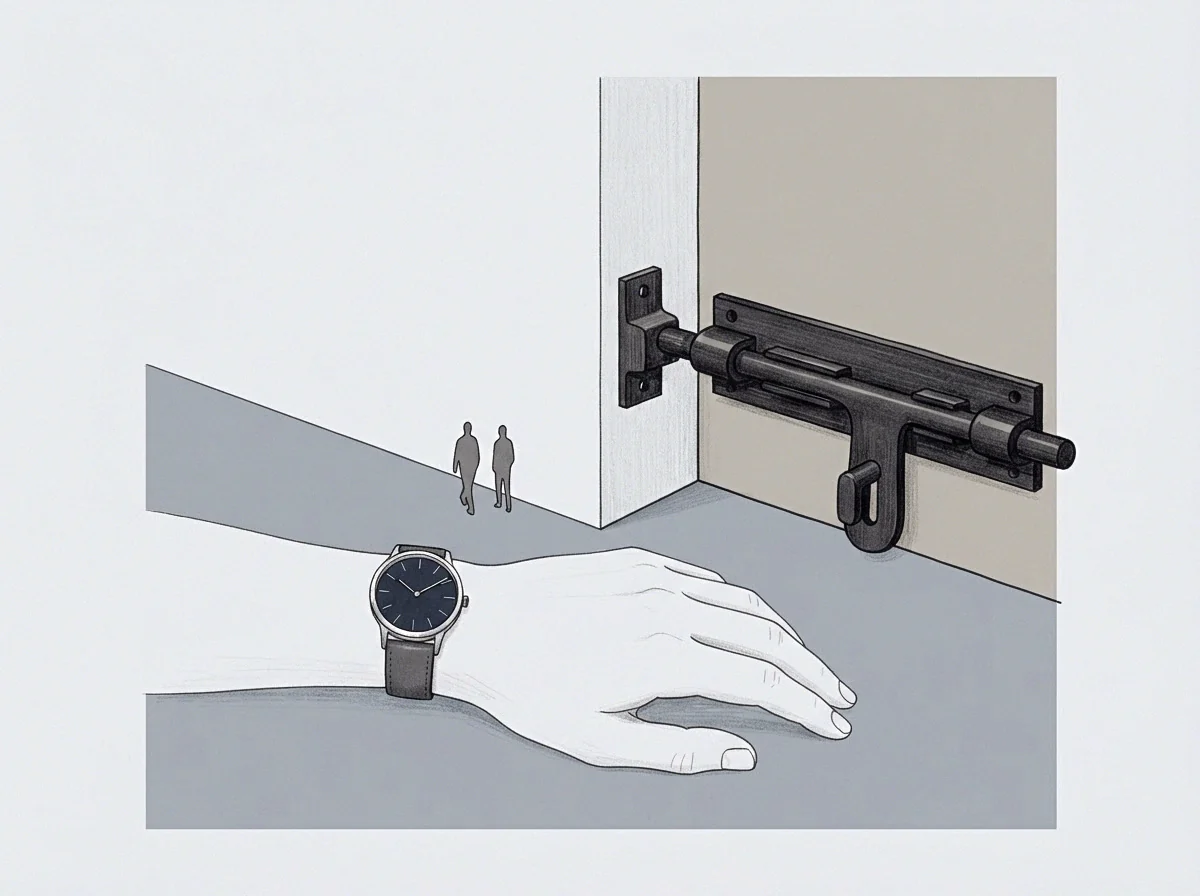
Structural Terms for Somatic Recovery
Sustained autonomic regulation depends on defining unambiguous limits for all residual interactions. The physiological cost stays high when informal demands bypass agreed organizational gates. Gating incoming communication behind structured protocols protects recovery trajectories and restores baseline parasympathetic function.
Long-term allostatic recovery permits higher cognitive headroom for future complex decision environments. Systemic wear dissipates as autonomic flexibility returns. The body rebuilds homeostatic reserves only after real-time organizational choice ceases to exert continuous demand on central neural circuits.
A formal six-month blackout clause prohibiting all strategic consulting converts an un-gated background obligation into a fully closed cognitive loop, enabling autonomic tone to return to true baseline levels.