
Structural Recalibration Of Secondary Regulator Templates Following Extended Unidirectional Baseline Regulation Under Financial Compression
Unidirectional baseline regulation under financial stress seals secondary regulator slots, converting external support offers into added monitoring load.
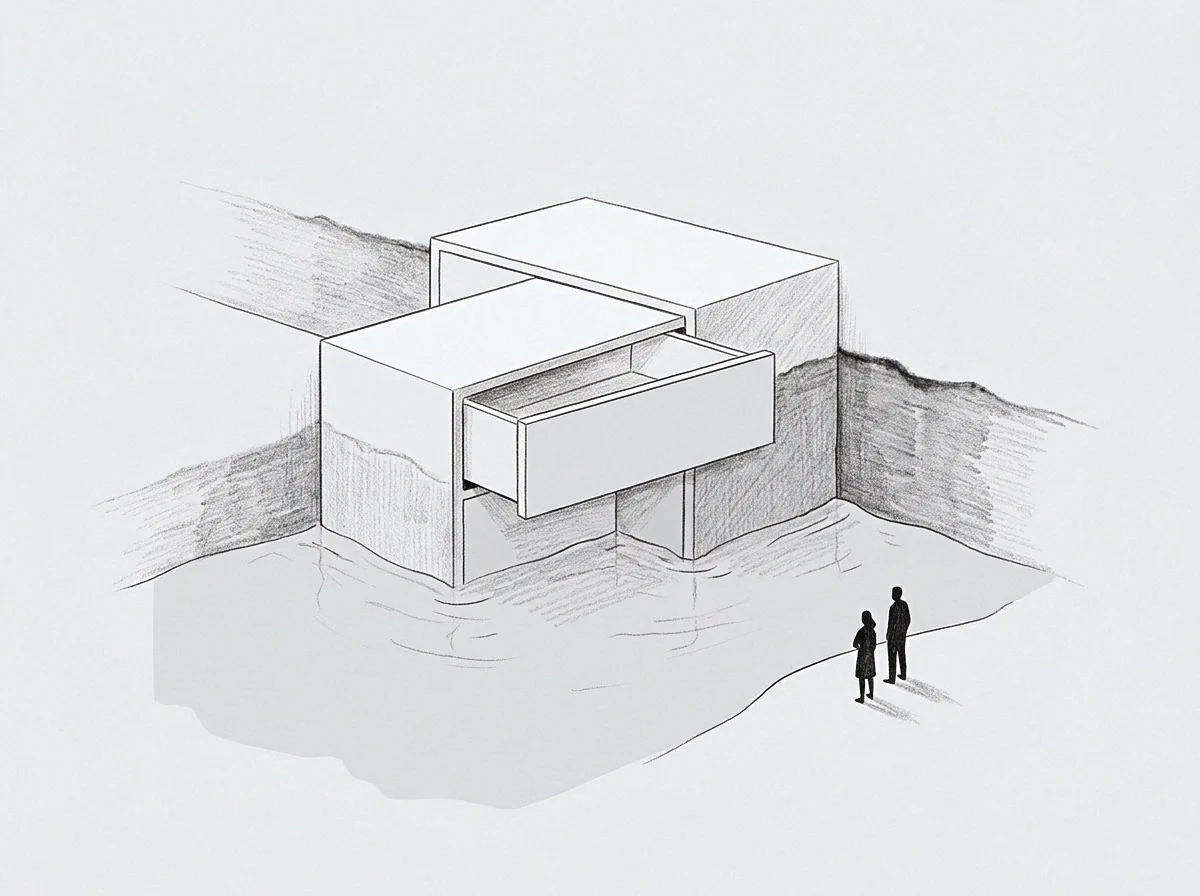
Position
Four messaging windows remain open on a secondary monitor while monthly expenditure details fill the primary screen. It is midnight, and the cash runway calculation confirms five remaining operational cycles before capital reserves vanish. In the adjacent room, an engineering lead awaits confirmation on compensation arrangements, while an investor asks for an updated burn projection by morning.
The individual in the main seat maintains a low vocal cadence, even breathing, and unhurried posture. Every participant in the organization draws their baseline stability from this single quiet presence. The cost of maintaining that environment registers nowhere on the company balance sheet.
Social baseline theory establishes that the human brain budgets energy under the assumption that other individuals are accessible for shared load bearing. When a reliable partner is present, the metabolic expense of threat evaluation, vigilance, and autonomic nervous system regulation drops sharply. Physical proximity to a quiet, predictable human presence signals safety directly to the subconscious threat monitoring apparatus.
This physiological discount allows the brain to spend fewer calories keeping stress hormones suppressed. Conversely, when an individual operates as the sole source of stability for an entire organization without receiving reciprocal regulation, the system defaults to the high-cost solitary regulation mode.
Financial compression intensifies this dynamic by increasing the frequency and amplitude of threat signals. Every uncollected invoice, delayed funding contract, or unexpected server cost triggers an autonomic alert that requires deliberate neural dampening. When the individual in the lead seat absorbs these inputs without escalating distress to the team, they act as an emotional sponge for the system.
The rest of the organization remains operational because the person in the lead seat absorbs the physiological strain. Over extended months, this unidirectional flow transforms the internal architecture of the person providing the baseline. The brain stops expecting external support, treating every incoming human interaction as a source of load rather than relief.
The human brain defaults to expensive solitary self-regulation whenever the environment presents zero accessible sources of reciprocal baseline support.
This solitary state becomes the default operational baseline for the entire organization. The steady demeanor expected by investors and employees is maintained through continuous, conscious effort. The brain spends metabolic reserves every hour just to hold the baseline steady.
This continuous drain leaves less energy for complex strategic choices or creative problem solving. Over time, the person supplying the calm begins to treat presence itself as a transaction. The immediate physiological result is a complete shutdown of the biological systems designed to seek and receive help from others.
How long an organization can run on the unreciprocated physiological reserves of one individual remains unpredictable across different market environments.
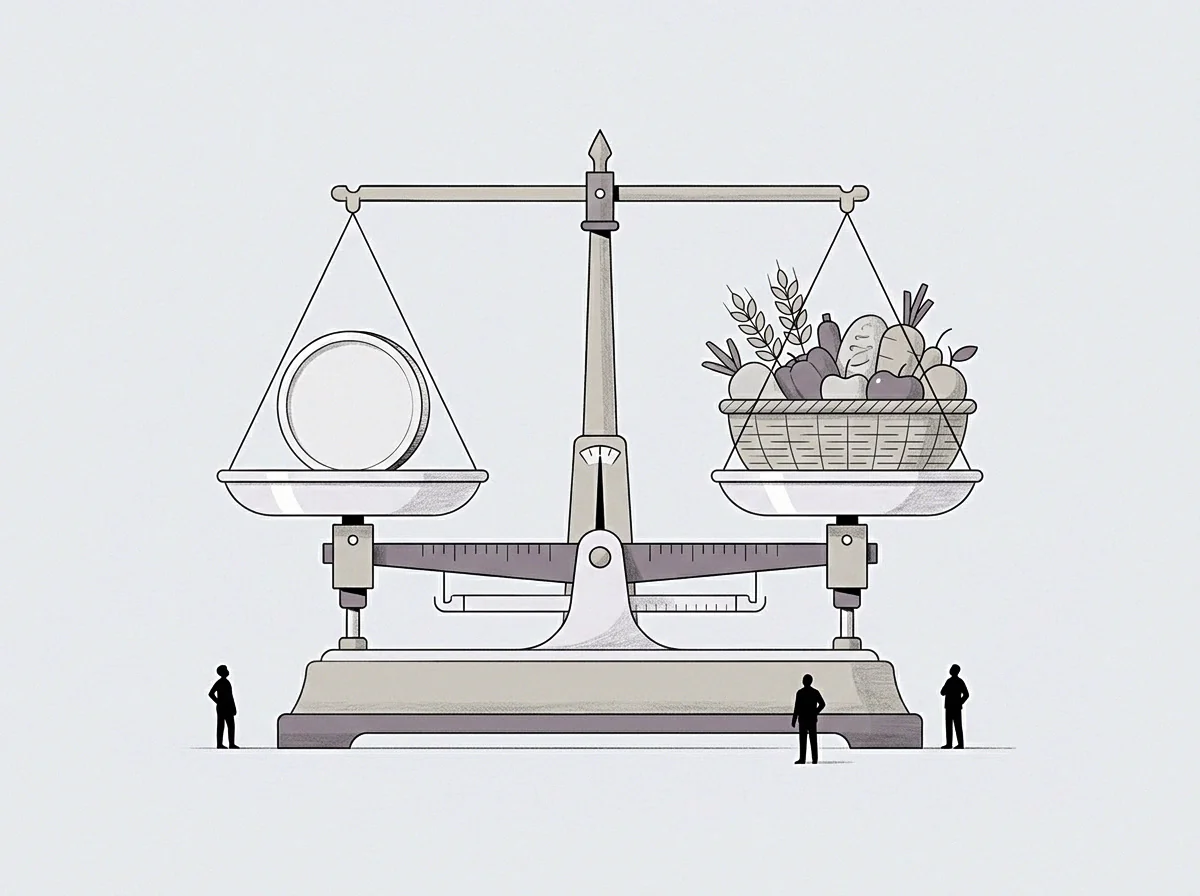
Shear
Extended operation under unidirectional conditions alters the internal working model that governs how a person receives assistance. Under baseline operational parameters, an individual maintains two active regulatory templates. The primary template manages the outbound stabilization of others during operational volatility.
The secondary template retains the capacity to accept regulation from external sources when internal capacity hits its limit. Prolonged financial strain coupled with constant outbound stabilization causes structural damage to this secondary mechanism. The brain updates its model to assume that external inputs inevitably demand energy rather than supply it.
The secondary template relies on a receptive slot, a neurobiological pattern that allows another person’s quiet state to lower one’s own heart rate and cortisol production. When a founder or operator spends years functioning as the absolute source of stability, this receptive slot seals. The individual internalizes a backward template where holding others steady and regulating oneself merge into a single operation.
Self-soothing becomes structurally indistinguishable from taking on more external responsibility. When someone else steps forward to offer assistance, the backward template reads the offer as an anomaly, an incoming monitoring task, or a potential point of structural failure.
The breakdown of this secondary template occurs through specific structural failure modes that manifest during sustained financial pressure.
- Template Atrophy occurs when the neural pathways dedicated to receiving external co-regulation remain unused for extended operational cycles, causing the system to lose its capacity to register safety from another person.
- Signal Misinterpretation develops when an offer of assistance or calm presence from a colleague is processed as an added monitoring requirement that demands heightened vigilance.
- Vigilance Overhead emerges when the baseline provider maintains continuous subcortical monitoring of all surrounding personnel, preventing their own nervous system from entering a restorative state.
A secondary regulator template seals completely when every incoming human interaction consistently demands an outbound physiological expenditure.
This structural change explains why experienced founders often isolate themselves precisely when pressure reaches its highest level. It is not a psychological choice or a failure of trust. It is an adaptive physiological response to a template that views external human presence as an extra expenditure.
The secondary slot, meant to receive relief, has been overwritten by years of unidirectional effort. A person with an overwritten secondary template cannot simply choose to relax when someone asks them to share the load. The structural path for doing so has been temporarily written out of the nervous system.
The system relies entirely on internal reserves, accelerating the path toward deep exhaustion.
The failure to recognize this structural shift leads directly to incorrect operational decisions. Operators attempt to solve physiological overload by adding more management tools, strategic reviews, or delegation protocols. None of these structural interventions address the fundamental reality of an overwritten regulator template.
The brain continues to pay the maximum metabolic price for every hour of baseline stability. The continuous expenditure of energy proceeds uninterrupted until the underlying regulatory architecture undergoes deliberate, low-stakes recalibration.
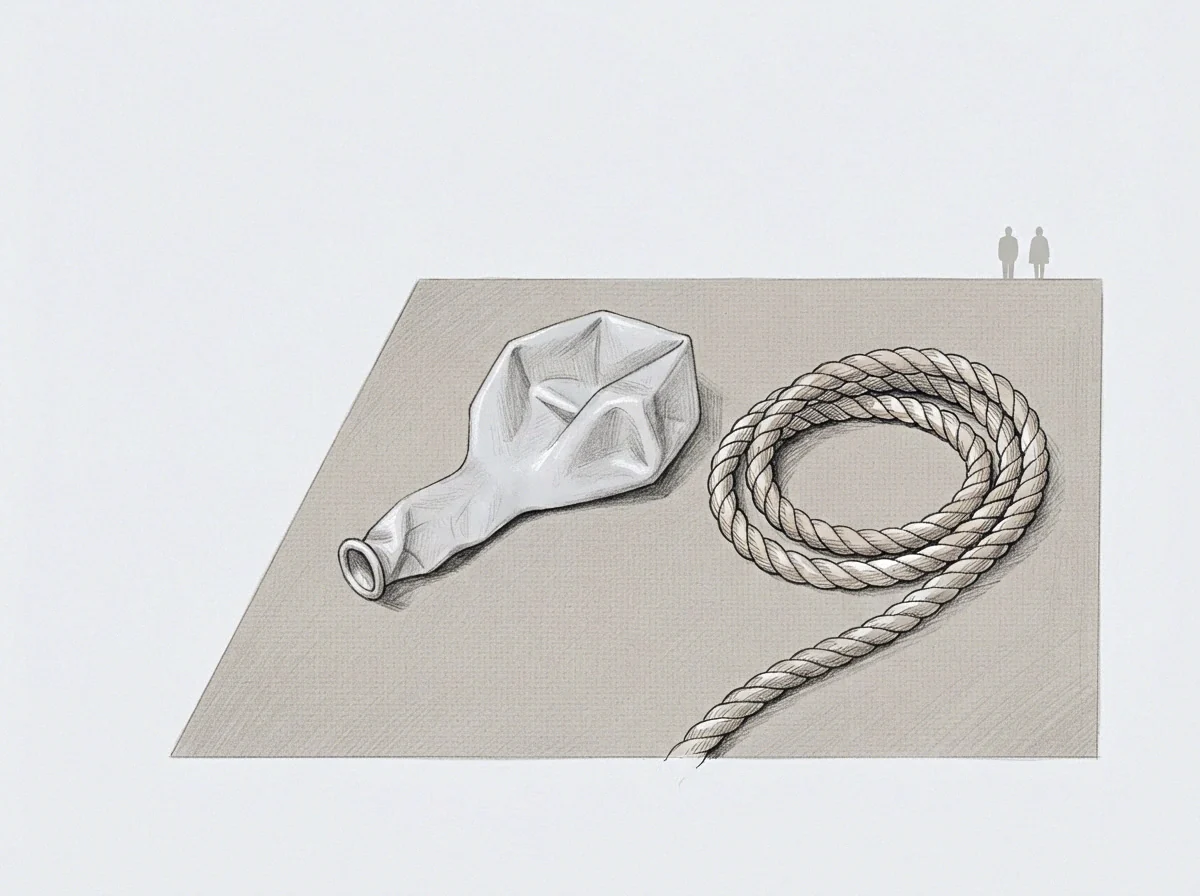
Chair
When an operator with a sealed secondary template sits in the seat of responsibility, the physical environment reflects the internal structural lock. Offers of assistance from co-founders, advisors, or personal contacts arrive without making an impact. The individual acknowledges the offer intellectually while their autonomic nervous system stays on high alert.
The physical presence of another person in the room fails to bring down heart rate variability or reduce muscle tension. The body treats the presence of others as an additional variable to monitor rather than a source of baseline stability.
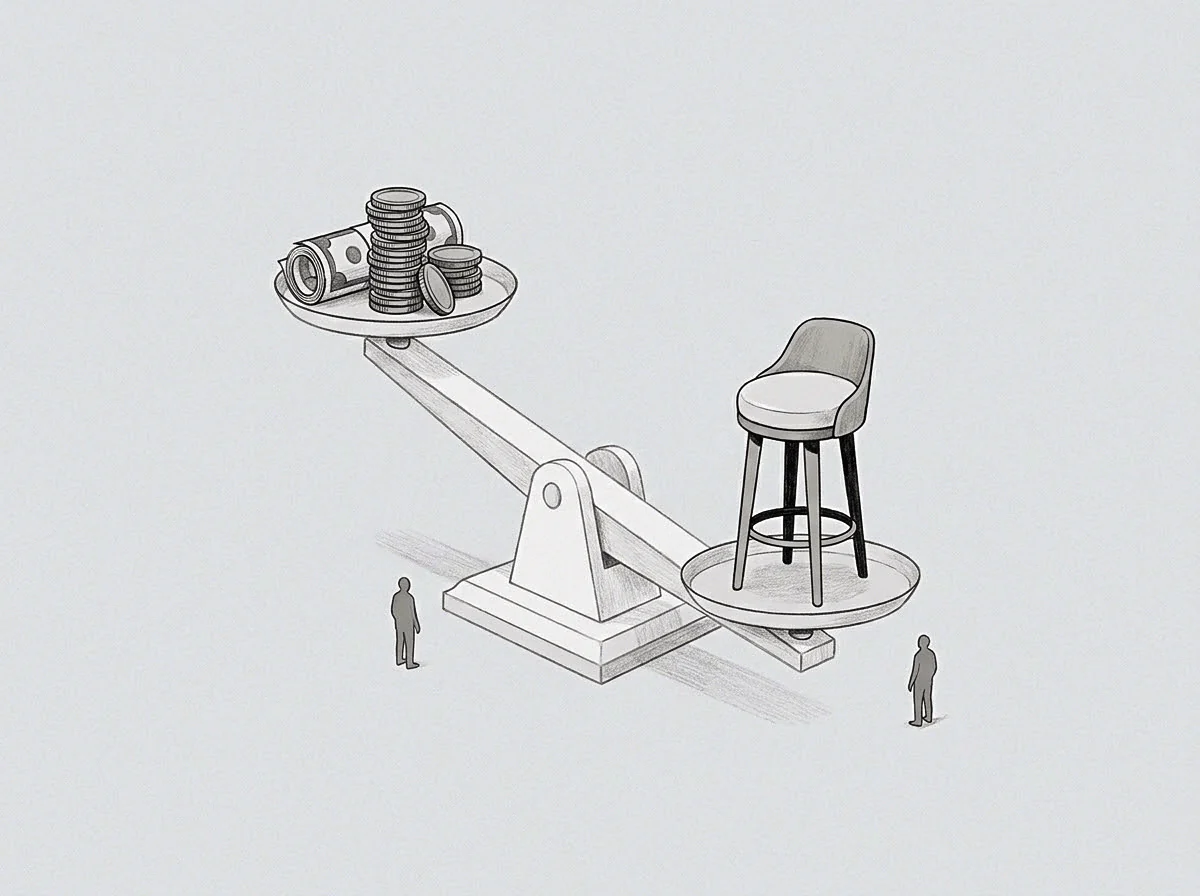
Can Primary Baseline Regulators Restore Secondary Receptor Capacity Under Active Capital Constraints?
Restoring the secondary receptor template while navigating active financial compression presents a severe physiological challenge. The existing template was constructed under extreme demand to protect the organization from destabilization. Re-opening a secondary slot requires the system to process incoming human presence as genuine relief rather than hidden work.
Under active financial pressure, every threat signal encourages the brain to rely on the proven unidirectional template. Recalibration demands specific conditions where incoming regulation arrives without any expectation of performance, reporting, or emotional reciprocation.
| Evaluation Metric | Unidirectional Primary Template | Recalibrated Dual-Template |
|---|---|---|
| Allocation of Baseline Load | Borne entirely by the primary operator using internal metabolic reserves. | Shared dynamically between primary operator and external reference points. |
| Receptor Slot State | Sealed; incoming offers of calm are processed as monitoring load. | Functional; receptive to passive regulation from trusted external entities. |
| Co-Regulation Acceptance Rate | Zero percent; autonomic alert states persist regardless of proximity. | Variable; scales based on verified low-stakes exposure over time. |
| Metabolic Expense Per Threat Unit | Maximum solitary cost; elevated cortisol and continuous vigilance. | Reduced proximity cost; baseline stability maintained through shared load. |
| Data derived from physiological stress studies and social baseline cost modeling under high-demand environments. | ||
The comparative analysis demonstrates that the unidirectional configuration carries a severe long-term metabolic penalty. While it permits short-term operational continuity during crisis periods, it consumes physiological reserves at an unsustainable rate. The recalibrated dual-template configuration allows the nervous system to offload a portion of the regulatory work.
This shift lowers the daily metabolic cost of maintaining operational stability. The primary obstacle remains the transition phase, where the brain must be taught to risk opening a receptor slot while financial threat signals remain active.
When an operator misinterprets high autonomic vigilance as leadership strength, the underlying secondary template seals further against incoming support.
Mismanaging this transition carries direct structural consequences for both the individual and the organization. When an operator continues to run exclusively on a unidirectional template, their capacity to process complex information declines. Strategic errors increase as cognitive headroom narrows under the weight of continuous self-regulation.
The organization becomes hyper-dependent on a single, increasingly fragile baseline. If that baseline suffers a complete systemic breakdown, the enterprise lacks any secondary regulatory structure to absorb the shock, resulting in abrupt organizational collapse.
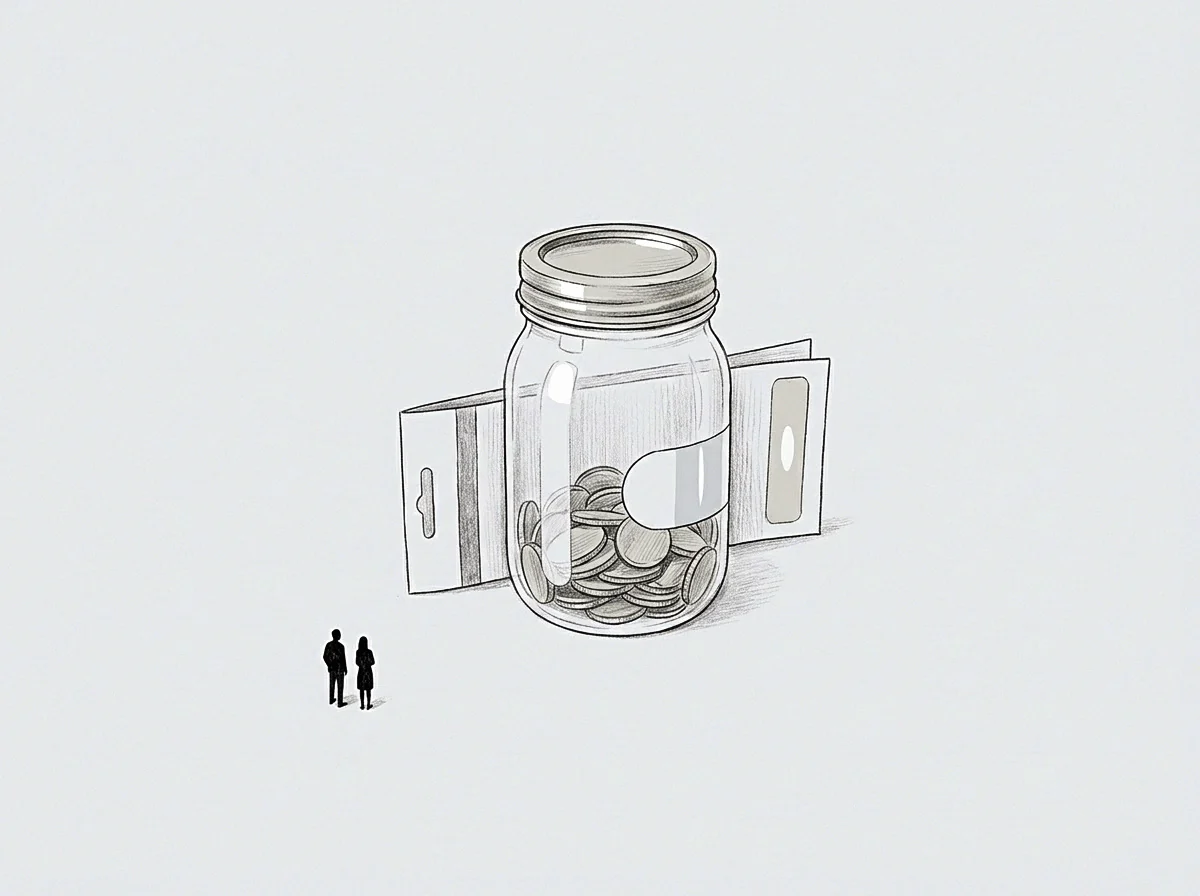
Tenure
Consider a practical operational arrangement involving two co-founders who have built a technology company over three years of continuous operation. Assume the business faces a tight runway with six months of capital remaining before breakeven. Co-founder A holds sixty percent of the equity, manages investor relations, handles financial allocations, and maintains the primary operational baseline for twelve employees.
Co-founder B focuses on product architecture, working long uninterrupted technical stretches while relying on Co-founder A to handle organizational noise, team anxiety, and cash flow strain. Co-founder A has operated as an unreciprocated baseline for thirty-six consecutive months.
As financial compression increases, Co-founder B notices Co-founder A’s growing isolation and offers to take over weekly investor updates to lighten the load. Under normal circumstances, this delegation would provide structural relief. However, Co-founder A’s secondary regulator template has been sealed by extended unidirectional operation.
When Co-founder B makes the offer, Co-founder A’s nervous system does not experience relief. Instead, it registers an immediate uptick in threat monitoring: Co-founder A begins worrying about whether Co-founder B will communicate the correct metrics, how investors will react to the change in primary contact, and whether the narrative will hold.
The operational attempt to provide support results in an increased workload for the primary baseline regulator. Co-founder A spent two hours preparing Co-founder B for the update call, monitored the call with heightened autonomic tension, and spent another hour correcting minor narrative discrepancies after the call. The total metabolic expense incurred by Co-founder A was significantly higher than if they had conducted the call alone.
Co-founder B left the interaction confused, feeling that their gesture of support was rejected or micro-managed, while Co-founder A felt further isolated in the primary seat.
Operational delegation fails to reduce physiological load when the recipient template reads delegated tasks as added monitoring overhead.
This dynamic illustrates how a secondary template failure distorts interpersonal intentions within executive teams. The problem was not Co-founder B’s competence or Co-founder A’s willingness to share authority. The breakdown occurred because Co-founder A’s nervous system was structurally incapable of turning off threat monitoring while someone else held the wheel.
The template insisted that safety existed only when Co-founder A held absolute operational control. Until that underlying physiological pattern updates, every structural attempt to share the burden will generate additional friction and exhaustion for the primary operator.
The partner observing this pattern from the outside reaches a clear, dry conclusion about the state of the arrangement.
Every attempt to step in and hold the baseline is met with quiet resistance, extra monitoring, and eventual retaking of the task by the primary operator.
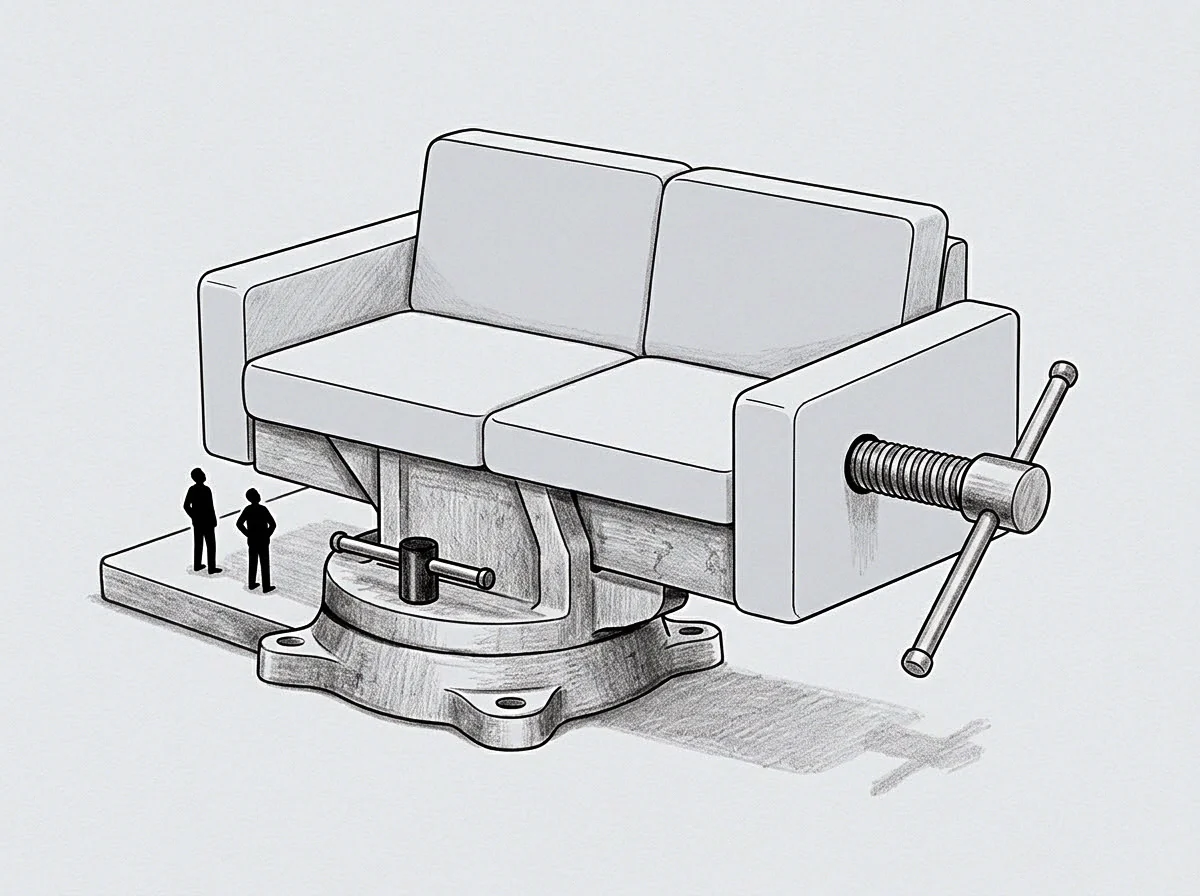
Seam
Updating an overwritten secondary regulator template cannot be accomplished through cognitive reasoning, executive coaching, or simple intellectual clarity. Understanding the dynamic does not alter the underlying subcortical threat response. Neural recalibration requires repeated, small-scale physical experiences where regulation is received without any subsequent operational tax or performance expectation.
The brain must accumulate verified empirical evidence that an external presence can hold a baseline state without requiring the primary operator to manage, direct, or compensate for that presence.
The structural pathway to template recalibration follows a distinct, sequential progression of low-stakes operational adjustments.
- The primary operator identifies an absolute non-operational boundary where no organizational metrics, financial projections, or communications are monitored for a bounded sixty-minute period.
- A secondary trusted individual holds the operational baseline during this window, with explicit instruction to handle all incoming disruptions without escalating to the primary operator unless structural failure is imminent.
- The primary operator spends this bounded window in physical proximity to an external entity that demands zero emotional, professional, or strategic output.
- The primary operator observes their internal autonomic response as threat monitoring slowly disengages in the absence of incoming tasks.
- The process repeats across multiple operational cycles, building a secondary neural pathway that registers external presence as a genuine reduction in metabolic cost.
This systematic exposure allows the secondary receptor template to rebuild its structural capacity over extended periods. Earned security is constructed not through theoretical understanding, but through the accumulation of real-time operational safety. As the secondary template re-opens, the primary operator recovers the ability to experience genuine co-regulation.
The metabolic expense of maintaining organizational stability drops, restoring cognitive headroom and strategic clarity. The organization transitions from a fragile system dependent on a single physiological battery to a resilient network capable of shared baseline regulation.
A non-operational boundary maintained for two hours weekly without emergency escalation changes the internal classification of external presence from a monitoring task to an asset.