
Structural Protocols for Updating Regulator Templates Across Leadership Teams Under Continuous Insolvency Risk
Executive teams survive continuous insolvency by replacing silent reliance on a founder's calm with structural co-regulation and shared load mechanics.
Room
Four unread messages sit open on a mobile display at two in the morning while cash reserves cover less than twenty days of payroll. The chief executive officer sits alone at a conference table, processing systemic risk metrics while maintaining an appearance of absolute composure for the upcoming morning board assembly. Across the organization, key officers absorb this steady demeanor during moments of extreme volatility, using the central leader as an unacknowledged physiological anchor.
Threat budgets spike quickly.
When financial solvency becomes a perpetual variable rather than a stable backdrop, leadership teams experience accelerated regulatory costs. The human brain budgets neural strain and threat mitigation based on perceived environmental support. In high-stakes organizational environments, officers implicitly lean on the most composure-stable individual in the building to manage their own nervous system responses to existential risk.
This dynamic creates a severe asymmetry where one person absorbs the metabolic debt of multiple executive roles.
The Executive Baseline Under Cash Exhaustion
Continuous fiscal distress forces leadership teams into prolonged states of hyper-vigilance. Social baseline theory establishes that neural systems save metabolic energy by outsourcing threat monitoring to reliable members of a social group. When solvency is threatened continuously, this natural mechanism converts into an invisible operational tax.
Officers continuously register the central leader’s vocal tone, posture, and response latency to calibrate their own psychological safety.
The operational cost lands. A leader operating as the sole regulatory pillar for a team under continuous insolvency threat faces rapid depletion of cognitive reserves. Because human nervous systems naturally seek co-regulation to lower threat-processing costs, executive team members repeatedly seek proximity to the calmest officer in the structure.
The calm officer absorbs this incoming distress signal without an available channel to pass the load further down or laterally.
Executive team members regulate their own threat response against the physiological stability of the person holding the central operational seat.
This dynamic forms a self-reinforcing cycle. As financial insolvency risks persist over quarter after quarter, officers default to borrowing calm from the central operator rather than building internal capacity or structural protocols to process systemic tension. The central operator’s internal working model often treats this unilateral load-bearing as a core duty of the role, leaving no receptor slot to receive regulatory support from others.
Attaching to a Steadiness Built on Deficit
Team members attach to a leader’s external stability rather than to the actual financial metrics of the enterprise. When cash burn threatens immediate dissolution, the team relies on the leader’s non-verbal cues to assess immediate danger. Silence carries high debt.
If the central operator shows acute strain, panic cascades through the executive tier, slowing decision throughput and paralyzing critical renegotiation efforts.
To prevent organizational paralysis, the central operator consciously dampens visible stress signals. This continuous suppression of autonomic activation demands substantial glucose and neural capacity, leaving fewer resources for strategic problem-solving. The team interprets this forced composure as genuine reserve capacity, inadvertently increasing the amount of operational friction and panic they dump onto the central seat.
The operational updates can wait until cash reserves stabilize, provided the weekly leadership call remains calm.
Load
Biological systems measure threat through energy expenditure. When an individual attempts to regulate intense environmental stress without structural support, the autonomic nervous system enters a state of chronic high-frequency activation. Continuous insolvency risk converts standard strategic decisions into survival calculations, amplifying the metabolic cost of routine executive collaboration.
The brain operates on an economy of effort where shared regulation reduces threat perception. When proximity to a reliable peer is absent or when the peer is too overloaded to co-regulate, the brain treats the environment as twice as dangerous. Executive teams working in sustained solvency crises frequently experience this shift, as every officer attempts to preserve their own remaining bandwidth by pushing unresolved operational tension toward the center.

Allostatic Weight Across Insolvency Cycles
Long-term exposure to organizational fragility accumulates continuous strain on executive physiology. This continuous pressure forces the body to adapt by resetting internal baselines, leading to cognitive fatigue, emotional blunting, and compromised risk evaluation. The central operator, carrying both enterprise risk and team regulation costs, reaches systemic capacity far earlier than visible indicators suggest.
Stress budgets drain fast. When an internal working model dictates that holding tension alone is the only path to safety, the individual actively rejects incoming offers of support. Offers of help register as anomalies or operational threats rather than genuine relief, reinforcing the isolation of the seat.
The central operator continues to project unyielding stability while their baseline capacity degrades under the weight of unreciprocated regulatory demands.
- Cognitive Narrowing restricts executive decision horizons to immediate financial survival, ignoring long-term strategic positioning.
- Asymmetric Threat Absorptions concentrate systemic organizational distress onto a single officer while peers maintain baseline functionality.
- Latent Operational Paralysis emerges when the central regulator’s capacity collapses, halting all high-level cross-functional execution simultaneously.
The Downstream Drain of Unreciprocated Calm
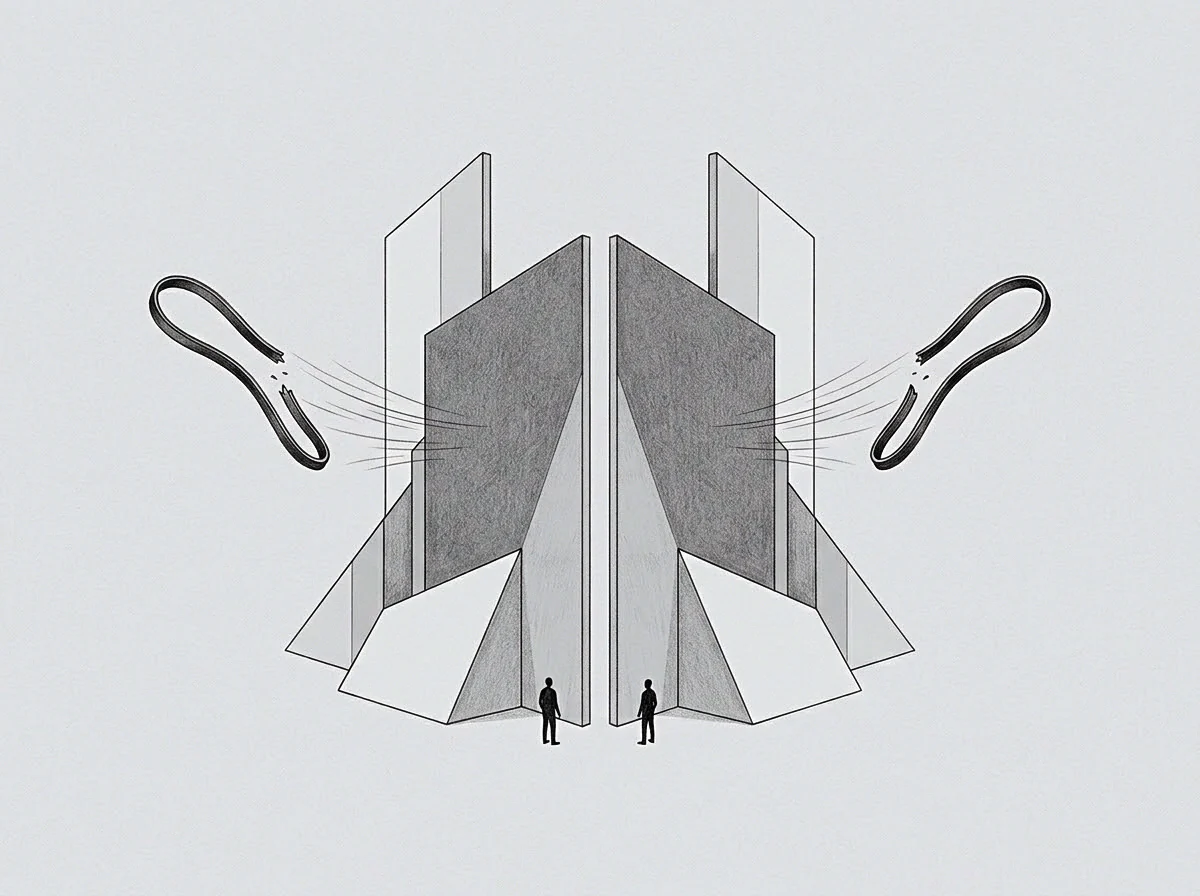
Borrowing composure without offering structural relief creates an unsustainable deficit across executive teams. Leadership teams under continuous insolvency risk often mistake the absence of visible panic in their chief officer for genuine stability. This misconception allows team members to avoid developing their own distress tolerance mechanisms, perpetuating a fragile organizational architecture that breaks the moment central regulation fails.
When continuous financial insolvency threatens organizational survival, the brain budgets regulatory effort as an immediate metabolic cost that drops only through verifiable shared load.
A central operator who ran early regulatory cycles backward internalizes a template where self-preservation and protecting others merge into one action. In this state, regulating the self and regulating the team become indistinguishable, leaving no internal space for personal recovery. The team continues to consume this unpriced stability until the operator’s physiological bandwidth drops below the threshold required to maintain basic executive execution.
Failure to recalibrate baseline assumptions leaves the primary regulator carrying metabolic debt until executive decision speed breaks under sudden operational shocks.
Deck
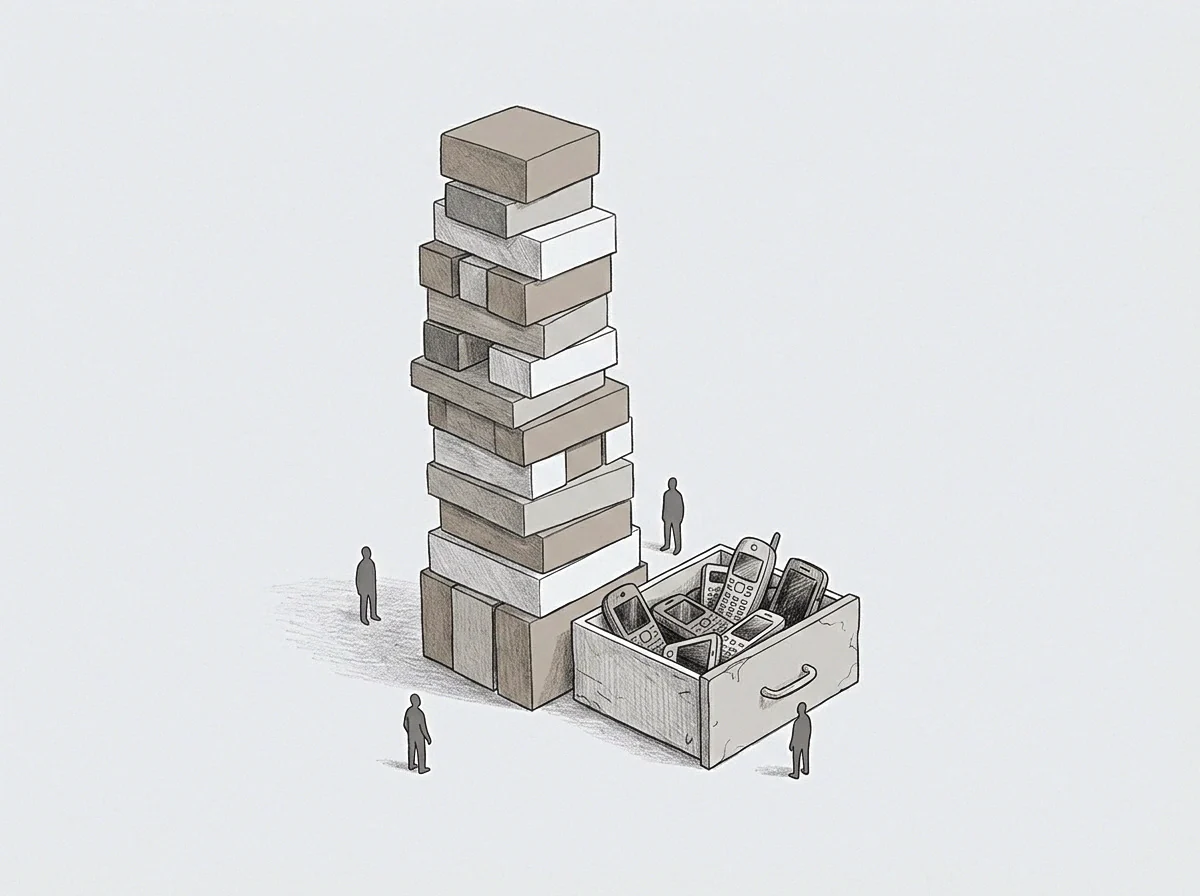
Consider a four-person leadership team operating with eighteen days of cash runway across three consecutive financial quarters. The team consists of a founder acting as chief executive officer, a chief operating officer, a chief technology officer, and a vice president of revenue. Every Monday morning, this group meets for three hours to evaluate cash preservation, enterprise restructuring, and immediate liability management.
In this arrangement, the founder habitually maintains a low vocal pitch, steady body language, and immediate reassurance whenever cash projections show shortfalls. The remaining three officers enter the room with elevated heart rates and narrow problem-solving focus. Within thirty minutes of entering the founder’s physical or vocal presence, the physiological metrics of the three officers settle into a lower threat band.
They borrow the founder’s calm to think clearly. The founder pays for this stabilization by absorbing the collective distress of the room, leaving the meeting with severe cognitive exhaustion while the team returns to their desks reporting high alignment and low anxiety.

Operational Dynamics Under Severe Shortfalls
This operational pattern conceals the true cost of continuous insolvency risk. The team functions effectively only as long as the founder’s internal battery sustains the unreciprocated regulation load. The moment the founder experiences an acute external stressor, the entire executive infrastructure destabilizes because no secondary regulatory pathways exist.
Metabolic debt accumulates silently.
To analyze how different structural setups handle this regulatory economy, the table below maps four distinct operational modes used by leadership teams during continuous solvency crises. Each mode presents a different distribution of metabolic costs, structural stability profiles, and long-term template updating potential for the team members involved.
| Operational Mode | Regulatory Mechanism | Primary Metabolic Cost | Structural Stability | Template Update Potential |
|---|---|---|---|---|
| Centralized Solitary Regulation | Unilateral absorption of distress by central operator | Concentrated on single leader | Extremely fragile under prolonged crisis | Zero update; reinforces old dependency patterns |
| Distributed Co-Regulation | Shared threat processing across paired executive roles | Distributed evenly across team | High resilience to operational shocks | High update; builds mutual regulatory templates |
| Artifact-Based Avoidance | Reliance on rigid metrics and dashboards without presence | High anxiety suppressed individually | Moderate short-term, low long-term | Low update; increases isolation and threat state |
| Explicit Limit Protocol | Stated capacity bounds paired with shared risk sign-off | Predictable, bounded expenditure | Maximum operational continuity | Optimal update; establishes earned security loops |
Structural Comparison of Regulatory Systems
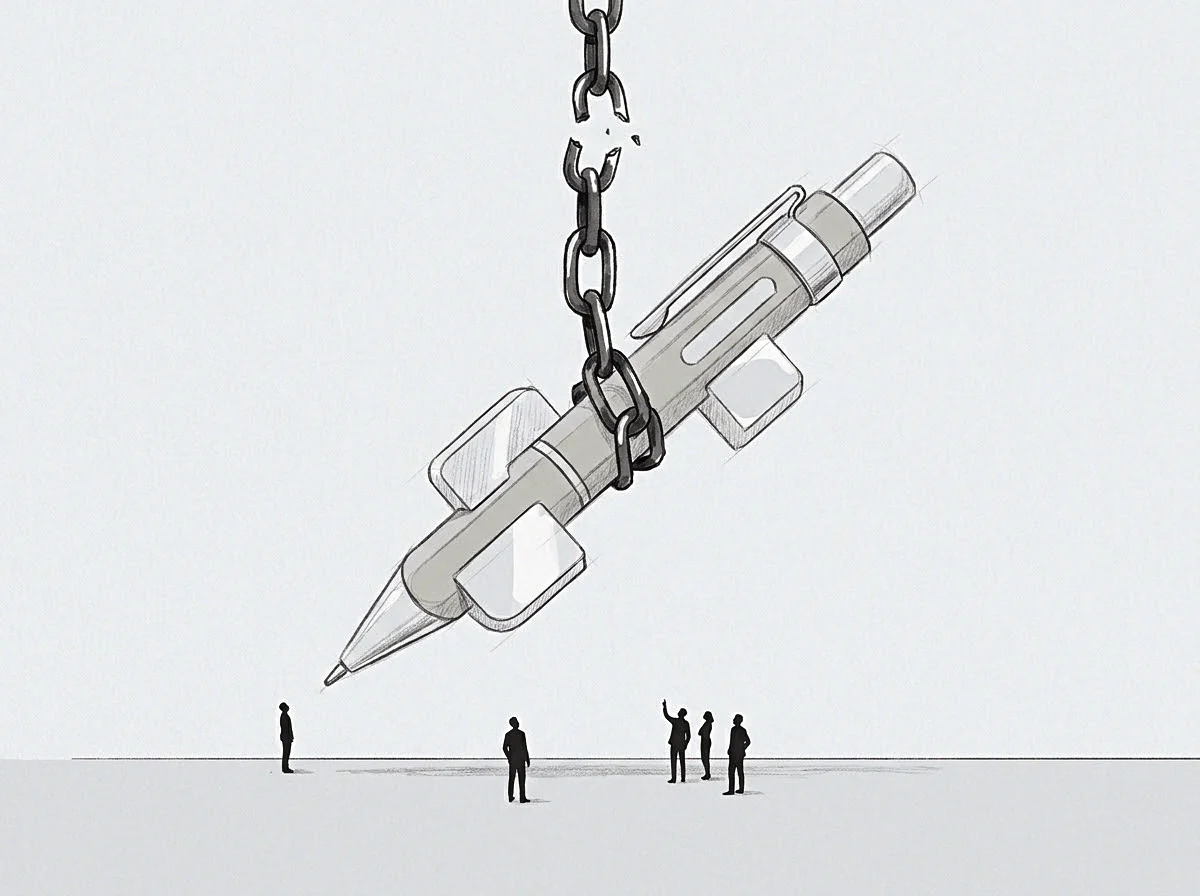
The comparative data highlights the structural vulnerability of centralized solitary regulation. When executive teams rely exclusively on one individual’s nervous system to buffer operational shock, systemic failure becomes a mathematical certainty given enough temporal duration. The operational cost of continuous insolvency requires moving from implicit neural borrowing to explicit structural distribution of tension.
Explicit boundary protocols shift executive stress processing from silent baseline borrowing to visible operational risk distribution.
Transitioning an executive team away from centralized reliance requires changing the physical and verbal protocols of daily operations. When the chief executive officer explicitly declares current regulatory capacity limits during a solvency meeting, the team is forced to activate internal distress tolerance mechanisms. Load transfers immediately.
This shift disrupts the covert contract that allows peers to stay passive consumers of composure.
A mandatory regulatory reset clause reallocates cash clearance decisions to paired executive sign-offs, preventing single-point neural exhaustion.

Protocol
Updating internal working models within an executive team requires systemic interventions that alter repeated daily interactions. Intellectual recognition of an unbalanced regulatory load changes nothing at the neural level. The brain updates its threat-budgeting templates exclusively through repeated, verifiable experiences of safety, shared load, and predictable boundary enforcement under real-world pressure.
The regulatory template dictates how an individual perceives vulnerability, authority, and mutual reliance. In founder-led teams operating under continuous insolvency risk, these templates are often set to absolute self-reliance or complete burden suppression. Rewiring these baseline assumptions demands structural protocols that force the distribution of tension before physiological breakdown occurs.

How Do Leadership Teams Rewire Co-Regulation Under Insolvency?
Changing how a team regulates under financial threat involves disrupting the automatic path of distress transmission. When solvency metrics degrade, standard procedure must mandate shared responsibility for threat holding rather than passive emotional offloading onto a central seat. Threat budgets equalize when responsibility is explicitly paired with execution authority across all executive seats.
- Explicit Limit Audits establish transparent weekly declarations of executive headroom, cognitive load, and capacity limits before operational reviews begin.
- Bi-Directional Strain Exposure forces all team members to hold raw solvency figures simultaneously without relying on pre-filtered reassuring narratives from the central operator.
- Decoupled Presence Mechanics separate operational communication from non-verbal emotional buffering, ensuring decisions rely on objective parameters rather than borrowed calm.
- Sustained Co-Regulation Testing embeds mandatory paired risk sign-offs, ensuring no single officer carries sole accountability for enterprise-threatening insolvency decisions.

Mechanics of Internal Model Adjustment
Template updates occur through the experience of surviving high-stress events without defaulting to central buffering. Insight alone changes nothing. When an executive team faces a thirty-day payroll shortfall and successfully executes a debt deferral through paired accountability without relying on the founder’s composure anchor, a new neural template begins to form.
Template updates occur through repeated actual encounters with shared strain rather than clear analytical comprehension of the deficit.
This process demands that the central operator deliberately withhold automated emotional stabilization. When peers express anxiety, the leader refrains from offering instant reassurance, allowing the team to experience their own capacity to sit with solvency distress and resolve it. Shared proximity reduces strain.
Through repeated exposure to unbuffered reality, team members develop earned security within their professional roles, expanding their own regulatory capacity.
The remaining uncertainty rests on how quickly an executive team unlearns baseline reliance once solvency is restored without re-establishing old dependency habits during the next crisis.
Anchor
The transformation of an executive team’s regulatory architecture produces a measurable shift in operational performance over extended time horizons. When leadership teams abandon silent emotional borrowing in favor of structured co-regulation, the speed and accuracy of strategic execution improve even under continuous insolvency pressure. The internal working model of the team transitions from a single-point vulnerability to a resilient, distributed network.
Earned security is the structural outcome of this evolutionary process. It represents a secondary template formed through disciplined, repeated encounters with severe organizational risk where support was reliable, limits were respected, and load was equitably shared. This new template replaces early patterns of solitary burden-bearing with a mature, functional capacity for mutual regulation.

Earned Security in High-Stakes Environments
Developing earned security within a high-stakes leadership environment changes how officers process incoming operational threats. Presence lowers threat perception. Instead of registering financial shortfalls as catastrophic personal failures that require individual heroism, officers process solvency threats as objective problems requiring collective cognitive resources.
The metabolic cost of remaining in a perpetual crisis state drops significantly across the entire leadership team.
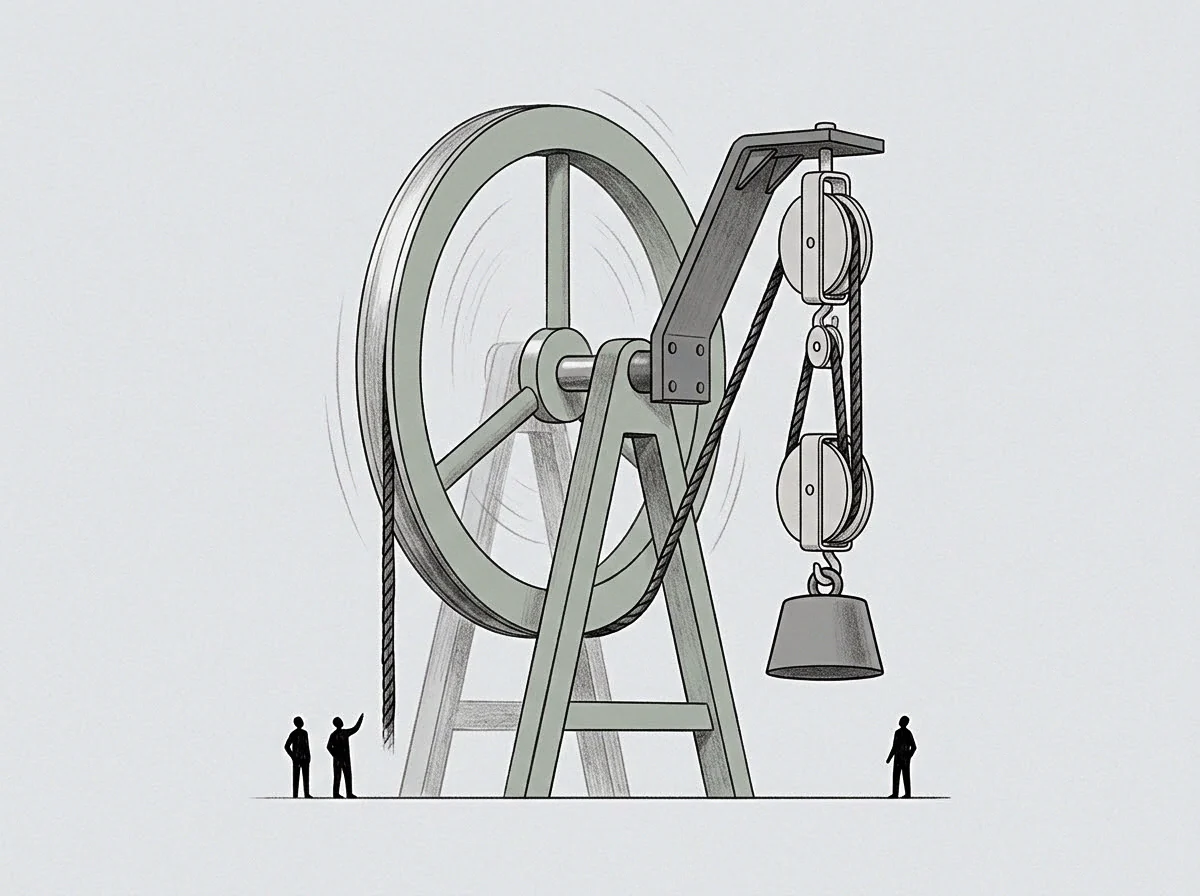
The central operator gains access to a functional receptor slot for receiving support. Having established clear boundaries and shared sign-off protocols, the leader can experience genuine co-regulation from peers without fearing organizational collapse. This structural shift preserves executive headroom, allowing the leader to dedicate neural energy to long-term enterprise survival rather than daily emotional buffering.
The Delta Over Time
Measuring the progression of a leadership team over twelve to eighteen months of structural protocol enforcement reveals stark operational differences. Teams operating under legacy templates show high turnover, severe executive fatigue, delayed decision-making, and complete dependence on the founder during liquidity crunches. Teams operating under updated regulator templates demonstrate high retention, rapid consensus under stress, and autonomous crisis management across all functions.
The long-term health of an enterprise facing perpetual market volatility hinges on this regulatory maturity. Capital constraints will test operational strategies, but regulatory deficits will destroy the human capital executing them. Installing structural protocols that update regulator templates ensures that the leadership team remains physiologically viable, intellectually sharp, and operationally decisive regardless of how long the solvency threat persists.
A team operating on distributed regulatory protocols absorbs acute insolvency shocks without destroying the neurological headroom of its central operator.