
Lowering Executive Stress Load Through Lateral Peer Support
Lateral peer support reduces executive stress load by substituting solitary baseline self-regulation with low-cost social co-regulation between equals.

State
The mammalian nervous system calculates metabolic expenditure based on perceived environmental support. Operating without accessible, non-evaluative peers forces the brain to default to solitary baseline assumptions, elevating sympathetic tone, baseline cortisol, and metabolic upkeep. Solitary self-regulation drains metabolic energy.
In executive roles, this solitary baseline persists for months or years, creating a chronic metabolic tax that manifests as sustained executive stress load.
Social Baseline Theory establishes that human neural architecture treats proximity to reliable conspecifics as the default economy of regulation. When an individual faces operational threat alone, the brain allocates significant glucose and neural capacity toward vigilance, threat monitoring, and emotional suppression. Proximity to a trusted peer alters this neural calculation.
The presence of a peer signals shared risk, allowing the brain to downregulate threat detection networks and conserve metabolic resources.
Sustained isolation in decision-making roles alters internal threat architecture. The body reads distance. Higher baseline arousal becomes the default state, increasing allostatic load and diminishing headroom for acute crisis management.
Executives functioning in solitary baseline modes frequently experience sleep fragmentation, cognitive narrowing, and systemic inflammation, even when professional artifacts like dashboards and strategic plans indicate operational control.
Solitary metabolic expenditure escalates rapidly whenever threat assessment occurs without an accessible regulatory partner.
Structural isolation within corporate hierarchies prevents standard co-regulatory dynamics from occurring naturally. Hierarchy creates evaluative friction. Senior leaders routinely hold emotional steadiness for their teams while absorbing pressure from boards and investors, placing them in an asymmetrical regulation deficit.
Over extended periods, this asymmetrical dynamic exhausts regulatory reserves, forcing reliance on high-cost cognitive control strategies that accelerate exhaustion.
Protracted reliance on solitary coping mechanisms depletes working memory, accelerates emotional exhaustion, and degrades decision quality across sequential operational cycles.
Gate
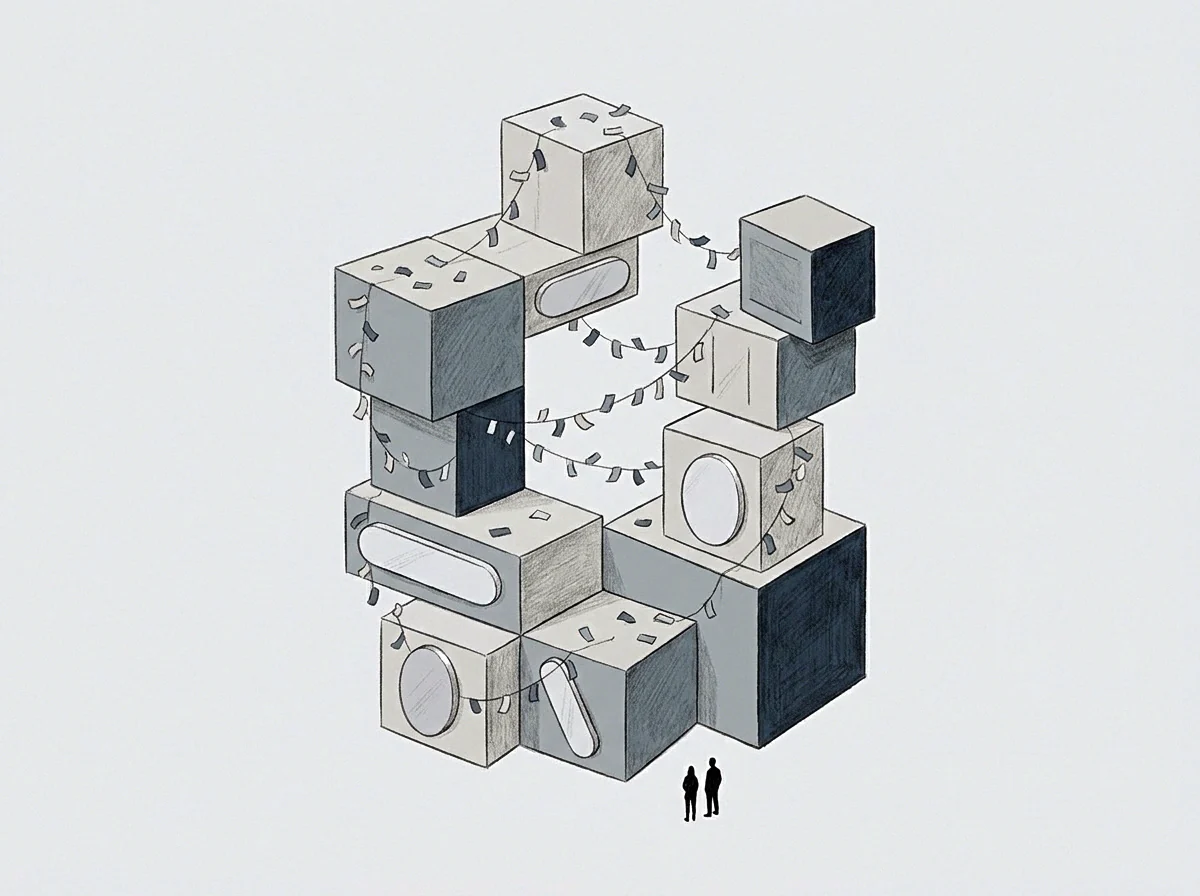
Hierarchical boundaries create specific structural barriers to reciprocal neural regulation. Direct reports look upward for emotional grounding and strategic direction, requiring the senior leader to act as a stabilizing anchor. Subordinates request steady direction.
Vertical communication channels carry inherent performance evaluations, turning interactions into tests of competence rather than avenues for mutual physiological down-regulation.
Boards of directors and investors occupy evaluative positions above the executive, introducing supervisory scrutiny into every interaction. Consequently, disclosures of fatigue or uncertainty to supervisory figures risk damaging confidence, raising capital costs, or threatening governance standing. Vertical channels enforce evaluation.
The executive remains trapped between subordinates who demand calm and supervisors who evaluate stability, leaving zero internal operational channels for raw physiological unburdening.
- Co-regulatory availability defines the structural capacity of an equal partner to absorb baseline physiological arousal without initiating performance evaluation or operational pushback.
- Asymmetrical containment occurs when an executive holds emotional steadiness for subordinates while receiving no baseline stabilizing input in return across organizational interactions.
- Reciprocal baseline access constructs an unburdened communication channel where mutual physiological regulation occurs naturally without triggering professional vulnerability.
To preserve operational efficacy, leaders often throttle incoming signal demands by hardening emotional boundaries. Throttling incoming pings reduces immediate cognitive overload but deepens internal isolation. This self-protective withdrawal limits authentic social engagement, preventing the very baseline interactions that could reduce physiological strain.
A structural channel devoid of reciprocal regulation converts every incoming exchange into an additive physiological drain.
Lateral peer relationships bypass hierarchical evaluation. Peer interactions outside the direct reporting line allow executives to interact without competing for power, evaluating performance, or seeking direction. This lateral alignment creates a unique functional environment where mutual co-regulation can occur naturally, lowering baseline stress without compromising governance or team authority.
The explicit establishing of non-evaluative lateral boundaries transforms an isolated executive role into a shared regulatory environment.
Symmetry
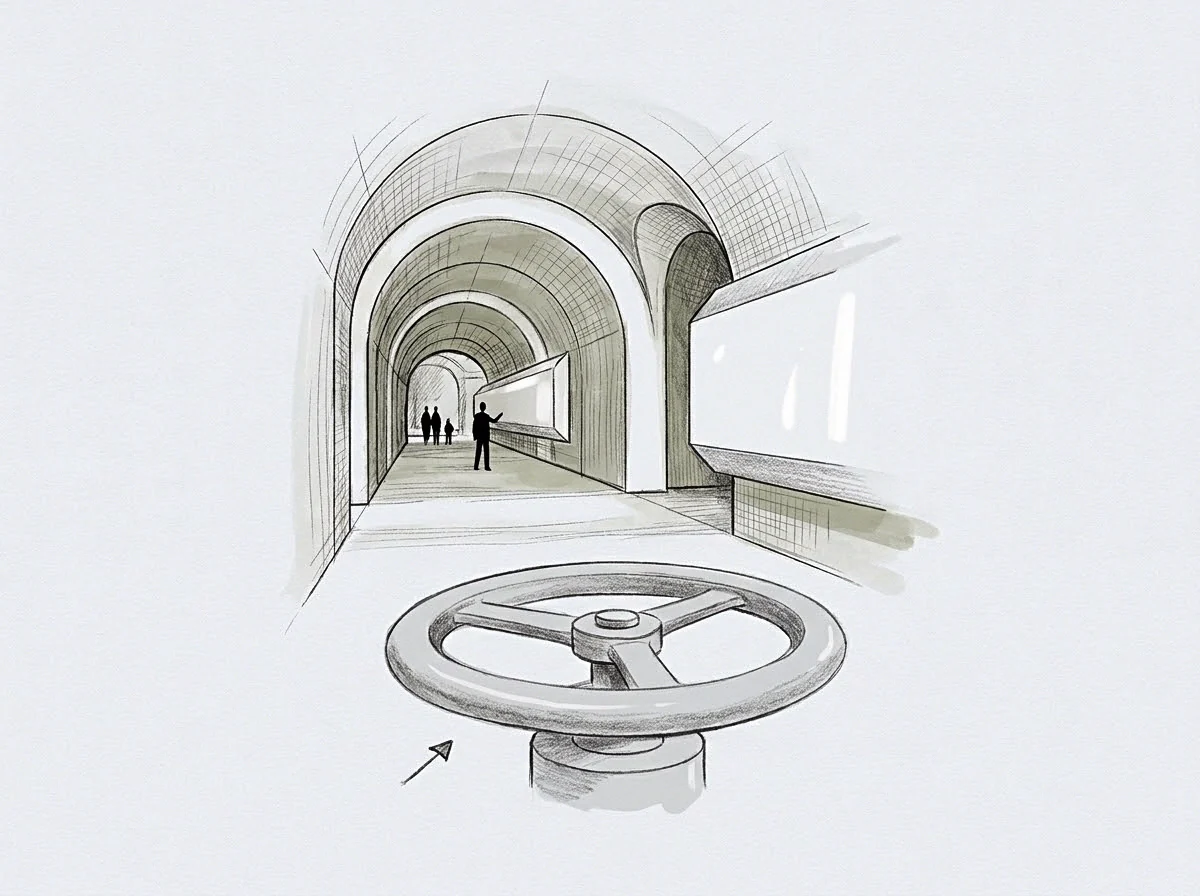
Physiological stability shifts fundamentally when communication occurs between structural equals rather than across hierarchical lines. Lateral balance absorbs strain. In vertical interactions, regulatory efforts flow asymmetrical, demanding continuous intentional self-control from the higher-ranking individual.
Lateral interactions permit symmetrical regulatory exchange, enabling both participants to utilize borrowed regulation to downregulate active threat responses.
| Interaction Dimension | Vertical Supervisory Channel | Vertical Subordinate Channel | Lateral Peer Channel |
|---|---|---|---|
| Physiological Metabolic Cost | High (Evaluative threat active) | High (Containment burden active) | Low (Shared baseline active) |
| Latency of Disclosure | Delayed or filtered | Strictly controlled | Immediate and unfiltered |
| Internal Working Model Strain | High (Performance threat) | High (Anchor obligation) | Minimal (Equivalence safety) |
| Co-regulatory Efficiency | Minimal | One-sided output | Reciprocal and restorative |
Symmetrical engagement reduces the cognitive burden of self-monitoring. During authentic lateral peer support, executives disclose raw operational realities, unrefined concerns, and physiological fatigue without fear of operational penalty. Presence acts as signal.
This unfiltered exchange signals genuine safety to the amygdala, initiating parasympathetic nervous system recovery mechanisms that remain inaccessible during guarded vertical interactions.
The neural mechanisms underlying lateral peer support operate independently of formal problem-solving. Borrowed calm reduces friction. Simply voicing complex operational burdens to an equal who comprehends the systemic context without requiring explanation triggers physiological relief.
This co-regulatory effect relies on shared operational context and mutual structural parity, which combined lower the neural cost of translating complex stress states into understood language.
There is no space inside our board meetings or direct report handovers where resting my own baseline does not carry an operational penalty.
Cadence
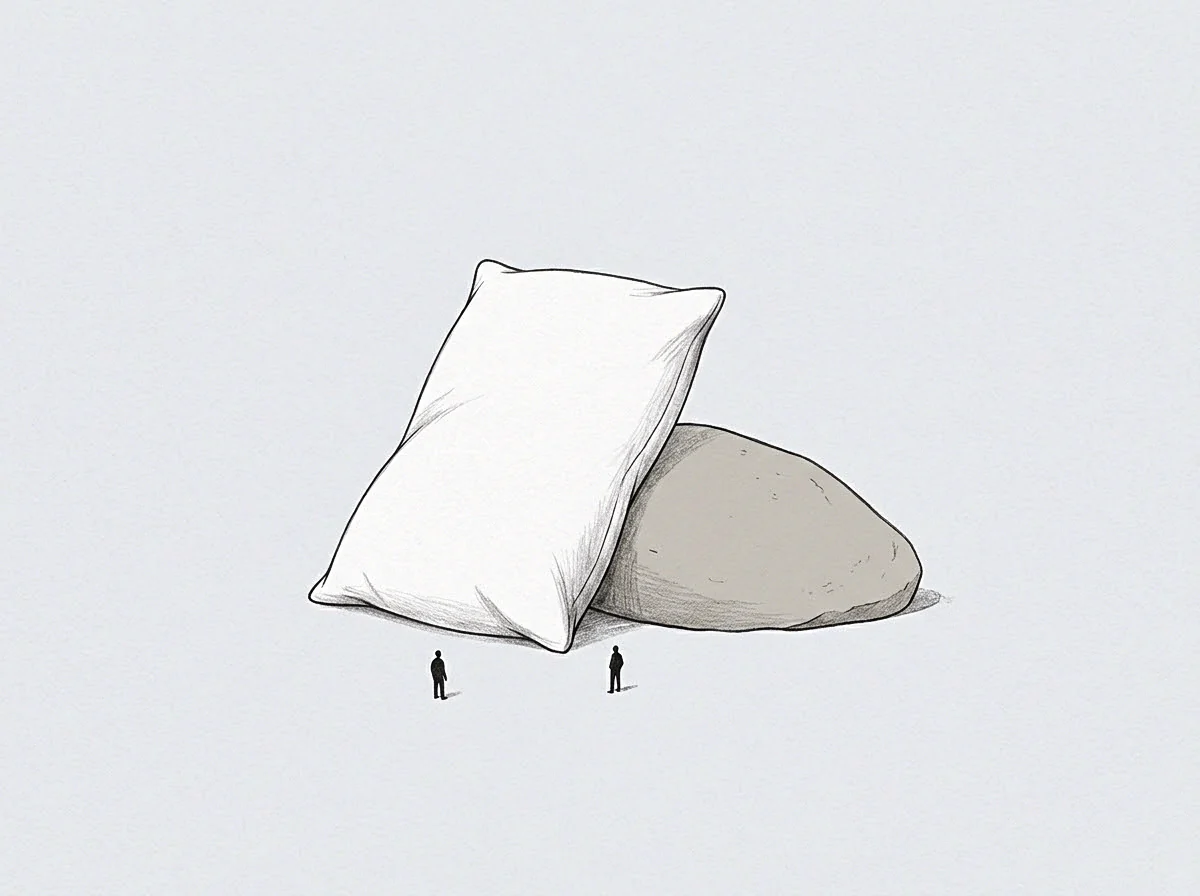
Implementing effective lateral peer support requires structured operational parameters to ensure systemic stability. Random, unstructured venting sessions often devolve into repeated stress cycles or operational complaints, failing to supply physiological stabilization. A deliberate framework establishes predictable touchpoints that foster psychological safety and consistent regulatory relief.
How Does Lateral Peer Presence Alter Neural Budgeting?
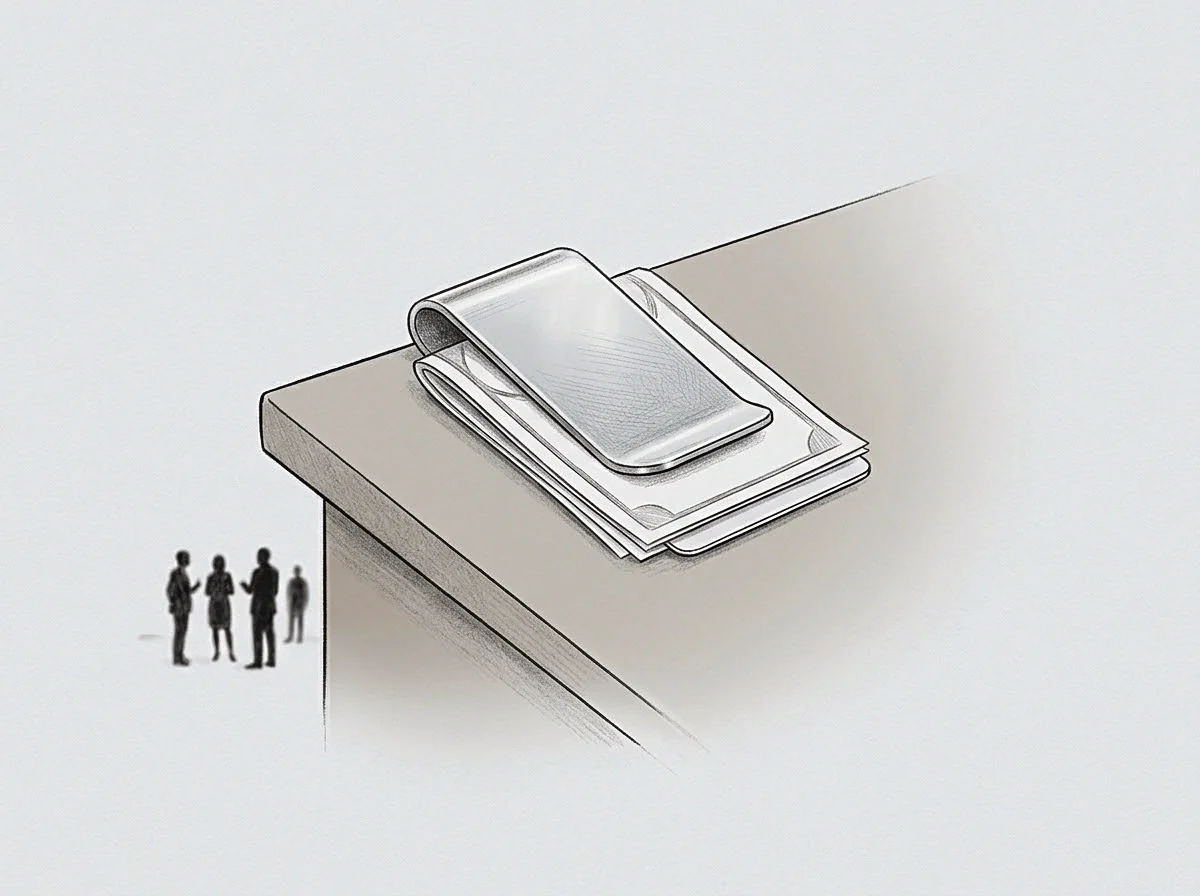
Predictable contact alters long-term neural budgeting by reducing anticipation of unshared threat. When an executive knows a dedicated lateral peer touchpoint occurs regularly, the brain factors that future co-regulatory event into its continuous energy calculation. This predictive adjustment lowers baseline cortisol output during preceding operational cycles.
- Schedule biweekly synchronized touchpoints dedicated exclusively to mutual physiological grounding and operational unburdening.
- Remove agenda tracking, output expectations, and organizational performance metrics from the peer interaction protocol.
- Maintain absolute confidentiality to eliminate evaluative threat and protect the operational integrity of the regulatory space.
- Practice direct verbal disclosure of internal load states without attempting to formulate immediate strategic solutions.
Structure protects the boundary of the lateral channel. Without strict boundaries, executive peer interactions risk shifting into strategic work sessions, joint project management, or subtle status competitions. The nervous system adapts.
Maintaining a explicit focus on shared baseline regulation ensures the interaction remains restorative rather than additive to cognitive load.
Lateral regulatory partnerships produce lasting metabolic relief only when divorced from performance evaluation and task output.
Consistency of contact matters far more than the duration of any single peer exchange.
Security
Longitudinal participation in structured lateral peer support facilitates the formation of earned security within professional operational contexts. Many senior leaders operate on internal working models shaped by early experiences of solitary responsibility, viewing self-reliance as the sole path to safety. Repeated exposure to reliable, non-evaluative lateral support rewrites these deep-seated operational assumptions.
Template changes demand repetition. Over time, consistent lateral co-regulation updates internal templates regarding vulnerability, reliance, and shared risk. The executive transitions from an isolated survival strategy to an integrated social baseline strategy, drastically reducing the baseline allostatic load carried across daily operations.
Shared baseline alters perception. As internal security deepens, executive decision-making exhibits increased cognitive flexibility, reduced defensive reactivity, and enhanced emotional resilience during acute organizational crises. The capacity to absorb external market shocks increases when internal regulatory energy is not continuously consumed by solitary threat management.
Repeated actual experiences of co-regulation rewrite historical expectations of solitary isolation under stress.
What structural modifications in organizational architecture will ultimately allow executive lateral co-regulation to become standard institutional design rather than an isolated personal initiative?