
Longitudinal Somatic Template Update Through Non Demanding Physical Proximity In High Strain Partners
Non-demanding physical proximity updates high-strain somatic templates by lowering metabolic regulation costs without triggering conversational threat responses.
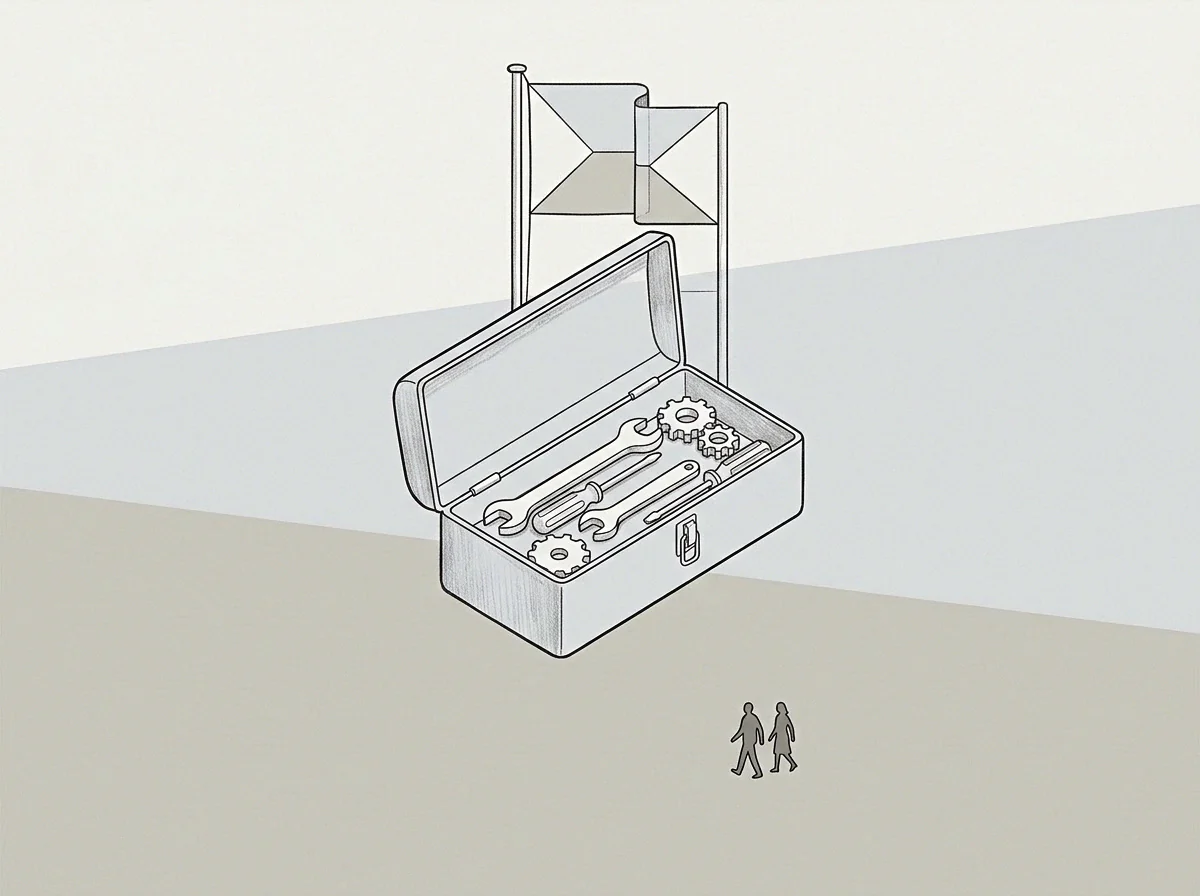
Floor
An operator returns from three weeks of operational escalation with an autonomic nervous system locked in high sympathetic tone. The shared living space contains another human being whose quiet presence ought to signal safety, yet every rustle or step across the room registers internally as an incoming query. The brain prepares for response before any question is spoken.
The seat is taken, the device is put down, and the body stays braced for an interaction that requires explanation.
Under sustained high allostatic load, the nervous system adapts by treating human contact as an active load-bearing event. The historical template of regulation in high-strain individuals is predominantly solitary. Self-soothing occurs through isolation, cognitive distraction, or task completion.
When another person enters the perimeter, the internal working model predicts an obligation to state terms, perform stability, or offer attentional focus. Micro-arousals in heart rate variability and pupil dilation occur even when the partner seeks no conflict. Vigilance alters autonomic posture.
The receptor slot remains closed. The autonomic system remains defensive because the historical template contains no category for passive co-presence.
When sustained allostatic load forces solitary regulation as the default mode, physical presence without active inquiry lowers metabolic maintenance costs only after defensive prediction loops expire.
Take an operator managing eighty hours of operational strain per week alongside a partner who attempts to connect through standard relational checking. An inquiry such as asking how the day went functions as an unexpected audit on a system with zero remaining attentional bandwidth. The body tightens, the breath shallowly halts, and the response comes out clipped.
The partner reads the tone as emotional distance. The operator reads the inquiry as an extraction of remaining energy. Over months, this cycle solidifies a somatic template where physical proximity equals metabolic expenditure.
Treating every shared moment as a site for verbal processing forces the high-strain nervous system into permanent solitary self-regulation, accelerating long-term autonomic exhaustion.
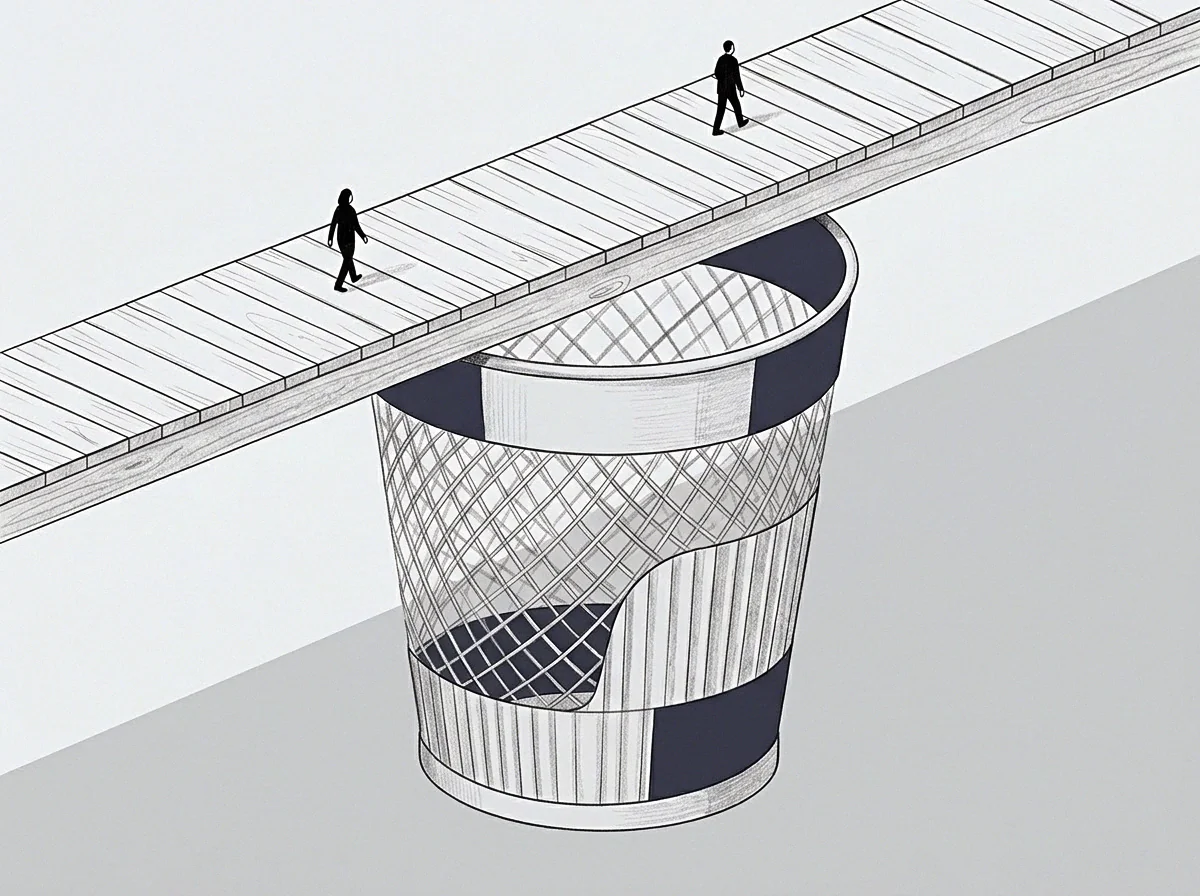
Baseline
Neural threat processing operates through an economic calculation of physical distance and relational predictability. When the brain registers the proximity of a trusted companion, neural activation in the anterior cingulate cortex and hypothalamus drops during threat anticipation. Solitary regulation carries high metabolic overhead.
The nervous system tracks distance. Silence eliminates relational taxation. The solitary mode consumes systemic glucose to maintain vigilance, regulate core temperature, and manage emotional suppression.
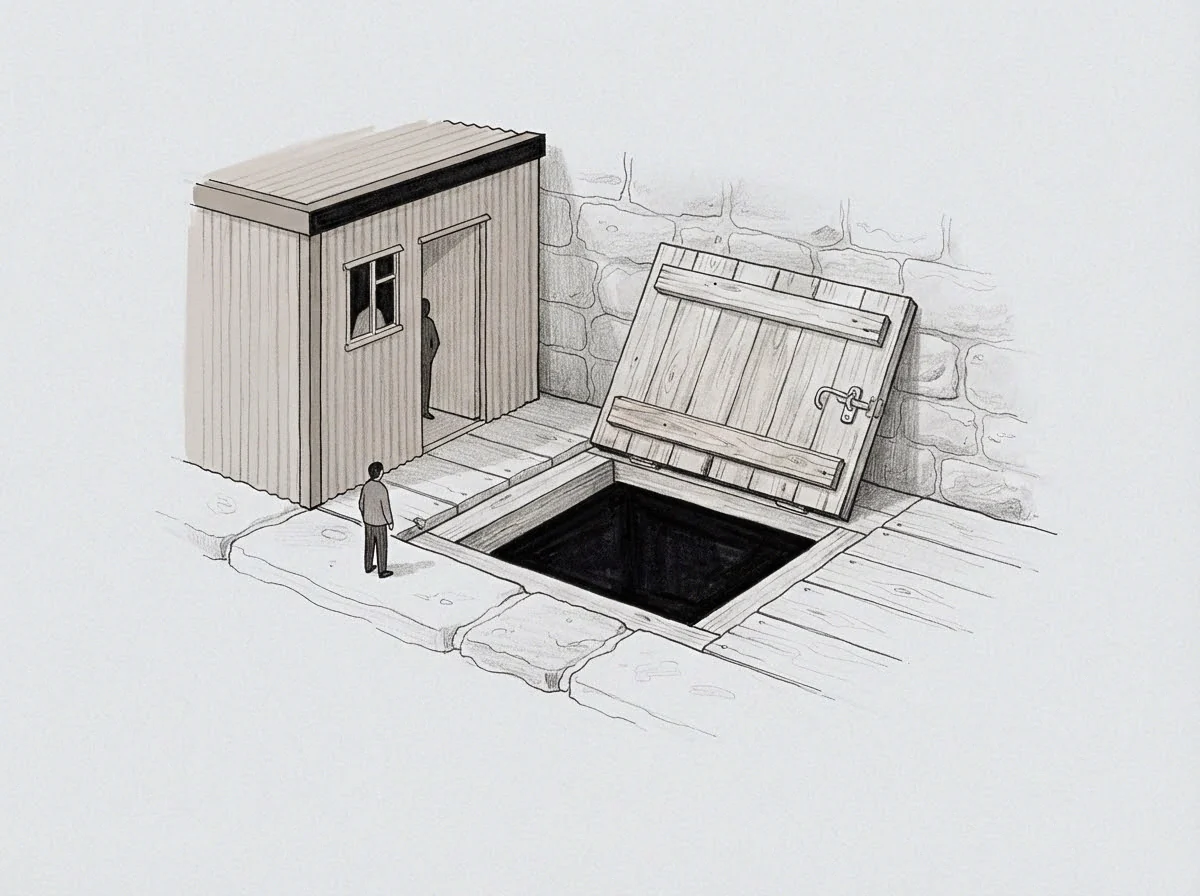
Somatic Template Architecture and Solitary Drift
Internal working models formed under prolonged operational strain encode an expectation of solitary burden. The biological receptor slot for receiving regulation from another individual remains unpopulated or actively suppressed. In this state, the brain misinterprets the social baseline.
Rather than offloading regulation to the environment, it treats the presence of another person as an additional variable to monitor.
- Autonomic Hypervigilance maintains sympathetic dominance despite physical safety, reading micro-expressions as imminent operational queries.
- Conversational Fatigue occurs when verbal exchange is processed as a transaction requiring energy the individual lacks.
- Relational Throttling reduces physical contact to prevent the perceived obligation of emotional reporting.
- Somatic Rejection registers sudden physical affection as an unexpected intrusion on a braced body.
An unpopulated receptor slot forces the nervous system to process every relational signal as a solitary metabolic expense.
Chronic reliance on solitary regulation creates a severe physiological debt. The high-strain partner functions as an isolated island of high-cost self-governance. When physical presence is stripped of conversational demand, the autonomic nervous system begins to sample the environment for safety without initiating cognitive defense scripts.
Establishing non-demanding physical proximity introduces a non-verbal safety signal that alters the biological threat equation without requiring cognitive consent.
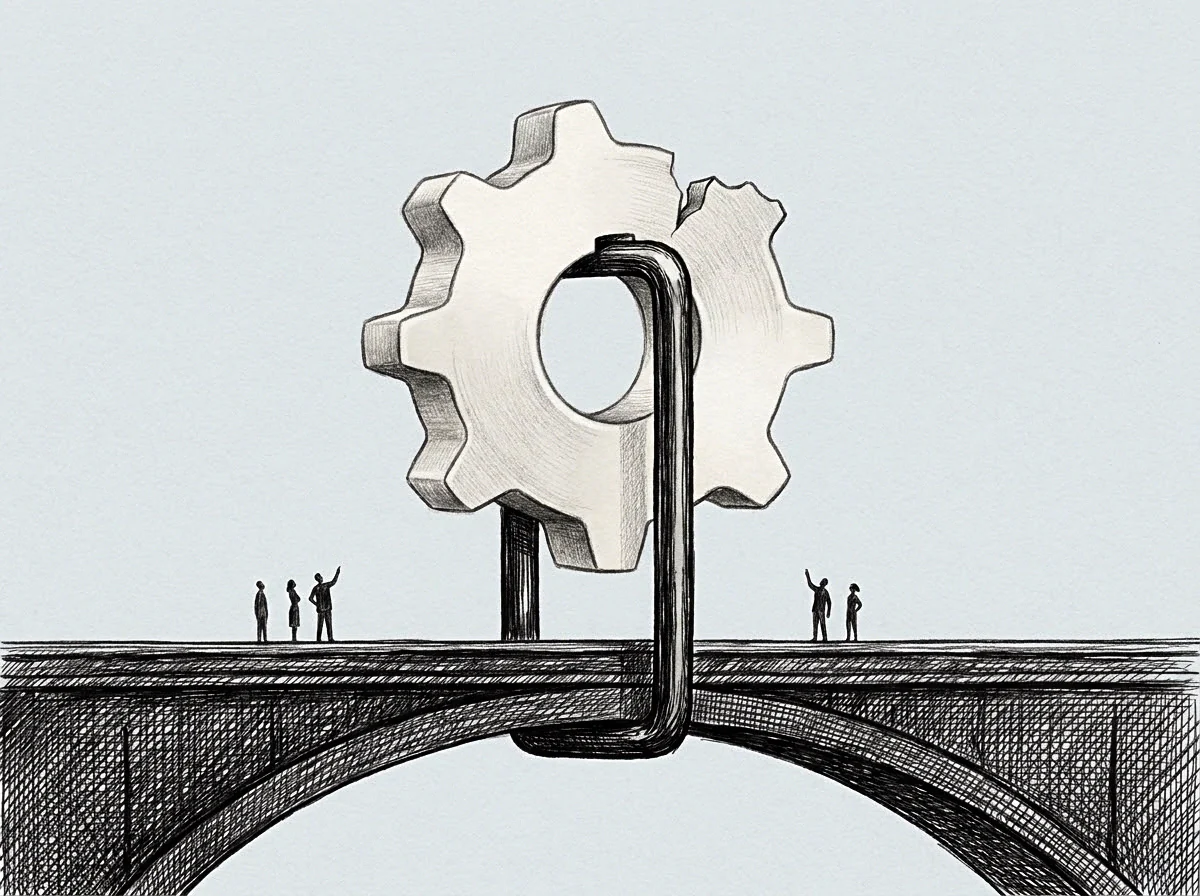
Demand
Physical proximity operates along a spectrum of relational expectation. High-strain partners often confuse physical presence with emotional processing, assuming that sitting together necessitates mutual attention or verbal resolution. Non-demanding proximity removes the performance layer from co-presence, allowing the nervous system to access borrowed calm without paying an attentional tax.
Proximity alters biological threat calculation. The budget balances without words.
Comparing Regulatory States Across Partner Dynamics
To evaluate how somatic templates update, compare four distinct regulatory modes available to high-strain partner systems across metabolic and somatic axes.
| Regulatory Mode | Autonomic Target | Metabolic Cost | Social Baseline Efficiency | Somatic Template Output |
|---|---|---|---|---|
| Solitary Self-Regulation | Sympathetic or Dorsal Vagal | Highest Systemic Glucose Depletion | Zero Isolated Economy | Reinforces Solitary Reliance Template |
| Conversational Co-Regulation | Ventral Vagal with Cognitive Load | Moderate Attentional Tax | Partial Relational Verification Required | Maintains Demand Response Association |
| Non-Demanding Physical Proximity | Ventral Vagal Shift | Lowest Shared Metabolic Burden | Optimal Environmental Offloading | Updates Template via Earned Security |
| Covert Demand Proximity | Sympathetic Vigilance | High Concealed Threat Monitoring | Negative Disguised Energy Drain | Deepens Defensive Strain Templates |
Walk-forward analysis of these modes reveals why standard relationship interventions frequently fail high-strain operators. When a partner suggests spending time together, the operator’s nervous system projects conversational co-regulation or covert demand. The body prepares for work.
If the encounter is instead structured around non-demanding proximity, such as reading on separate chairs in the same room or lying back-to-back without spoken expectation, the threat prediction mechanism is disarmed.
The quiet sitting in the room without talking feels cold at first, but it is the only time the shoulder tightness actually releases.
Shift
What Alters an Entrenched Somatic Template over Time?
Updating an internal working model is an experiential process rooted in physiological repetition. Cognitive understanding of attachment dynamics or nervous system regulation changes nothing at the tissue level. The somatic template updates when the body experiences repeated episodes where physical proximity to another person coincides with zero metabolic demand and zero threat escalation.
Calm is borrowed before it is earned. The body records presence directly. Vagal tone reflects passive safety.
Earned security develops through the gradual accrual of safe autonomic states in the presence of a steady partner. The steady partner provides a regulation anchor without attempting to fix, soothe, or probe the strained partner. Physiological entrainment operates without conscious effort.
The strained partner’s nervous system entrains to the steady partner’s low-arousal heart rate variability and breathing rhythms through passive somatic resonance.
Repeated passive exposure to an un-demanding physical baseline gradually overwrites decades of solitary defensive programming.
A worked situation demonstrates the delta over time across twelve months. In month one, twenty minutes of quiet physical contact on a couch triggers subtle muscle tension and an urge to find a task. The brain interprets silence as a prelude to unstated feedback.
By month four, structured non-demanding proximity, such as sitting back-to-back while listening to audio or working independently, allows the strained partner’s respiratory rate to slow within six minutes of contact. By month twelve, the receptor slot has begun to form. The strained partner actively seeks physical closeness when exhausted, using the partner’s physical state to down-regulate without speaking a single word of justification.
In industrial design and human factors engineering, secondary instruments draw power from a primary bus without introducing signal noise into the control loop. Human autonomic integration follows an identical topology: borrowing regulatory stability requires that the source signal remain unmodulated by verbal demands.
Studies measuring cutaneous conductance and respiratory sinus arrhythmia during passive co-presence confirm that somatic co-regulation occurs below conscious awareness. The exact duration of non-demanding contact required to permanently shift an adult attachment template remains unquantified, varying across individuals based on developmental history and current allostatic load.
The threshold at which a nervous system permanently transitions from borrowing regulation to self-generating calm from an internalized security template remains open to investigation across longitudinal physiological trials.
Bench
Implementing a non-demanding proximity protocol requires clear non-verbal cues and explicit boundaries around conversational silence. High-strain partners often struggle to establish these arrangements because traditional social scripts link physical togetherness with active verbal engagement. Shared space requires clear physical parameters.
Autonomic calm requires no verbal proof. Load transfers across quiet space. Establishing a physical baseline without relational taxation requires explicit agreement on the parameters of co-presence.
- Explicit Silence Agreement establishes that sitting together carries zero obligation to initiate or sustain conversation.
- Passive Touch Anchors utilize weight-bearing contact such as leaning shoulders or placing a hand on a back without stroking or active movement.
- Parallel Activity Focus directs conscious attention toward separate low-arousal tasks to disarm performance anxiety.
- Time-Bounded Sessions limit initial proximity protocols to fifteen or twenty minutes to prevent somatic saturation in hypervigilant systems.
Physical proximity acts as an autonomic medicine only when neither party is required to report on its efficacy.
When non-demanding proximity is maintained across extended periods, the high-strain partner stops viewing relational space as an arena of extraction. The nervous system learns that another person can occupy the immediate physical perimeter without increasing metabolic overhead. Over time, the internal working model adjusts.
Self-regulation ceases to be a solitary survival mandate and becomes a shared, low-cost baseline.
The success of quiet co-presence is measured by how easily both bodies fall silent when sitting together, never by the depth of the conversation that follows.