
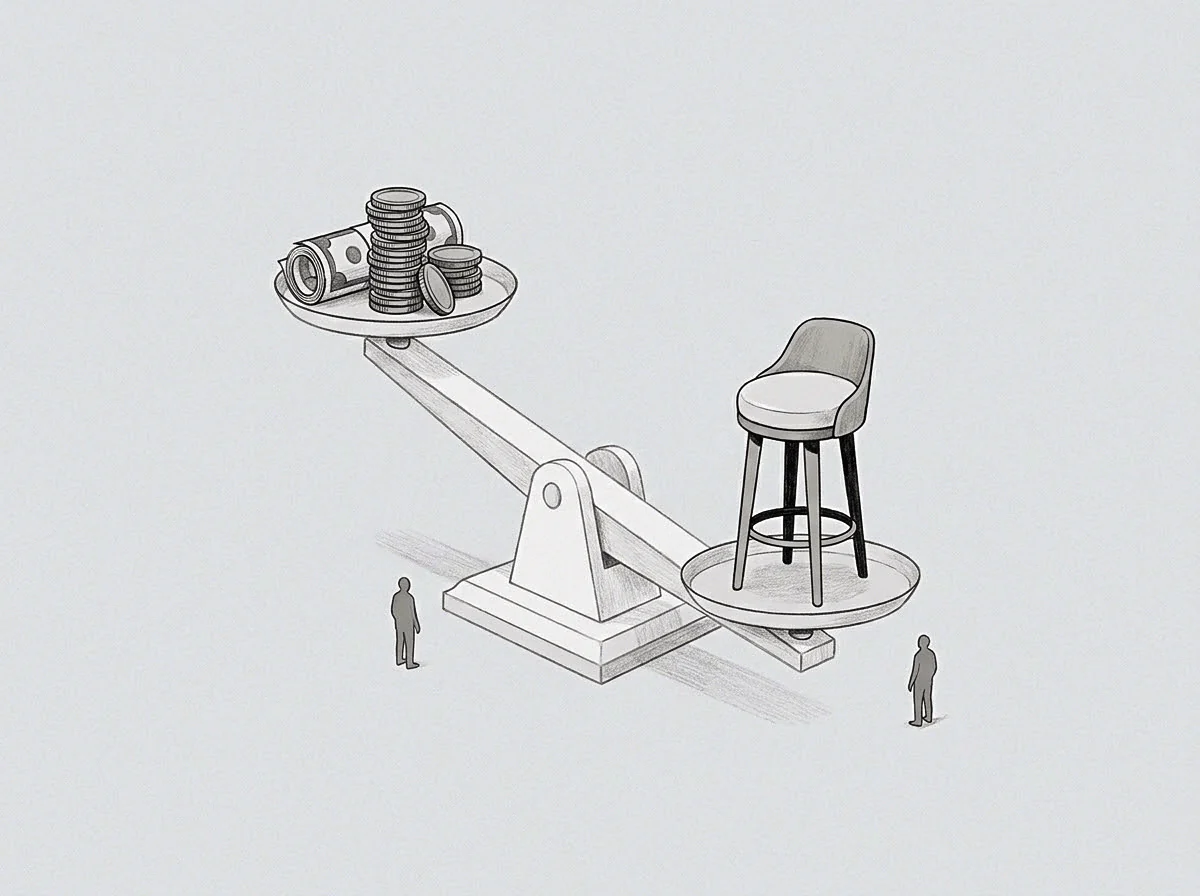
Restoring Autonomic Stability Through Shared Proximity In High Load Teams
Shared physical proximity lowers team threat expenditure by allowing unconscious somatic co-regulation to stabilize autonomic baselines during operational crises.
Shared physical proximity lowers team threat expenditure by allowing unconscious somatic co-regulation to stabilize autonomic baselines during operational crises.
Physical co-presence lowers neural vigilance by distributing regulation costs across stable bodies, reducing solitary allostatic load.

Coregulation rebuilding requires transitioning from solitary neural budgeting to reciprocal presence that distributes metabolic loads across trusted bodies.
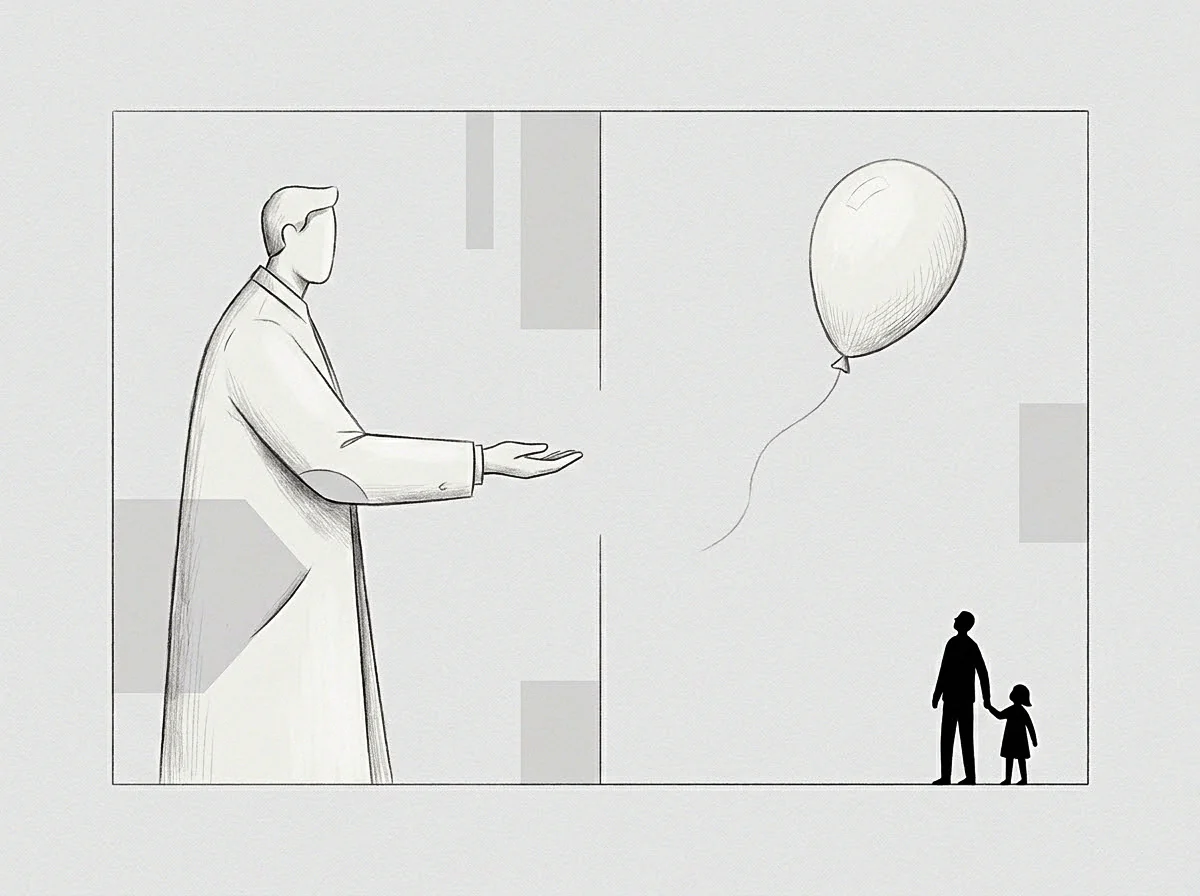
Repeated low-demand physical proximity reactivates the ventral vagal brake by lowering metabolic threat prediction and restoring autonomic baseline regulation.

Solitary self-regulation forces the prefrontal cortex to fund threat mitigation from internal metabolic stores without the energy savings of physical proximity.
The terms are written where they belong. Each field holds three desks, and every entry a desk writes raises the terms it uses, each term given a meaning, a mechanism and the places it appears. The record on these pages stays first person and hand made; the fields grow the nomenclature.