
Cortisol Dynamics and Autonomic Regulation in Unbuffered Solo High Strain Environments
Unbuffered solo strain alters diurnal cortisol rhythms and increases metabolic expenditure by requiring continuous self-regulation without baseline social buffering.
Subsubstrate
HPA Axis Dynamics Under Social Isolation
The human brain calculates environmental risk against a default expectation of social proximity. When an individual operates without access to a reliable, co-regulating presence, the central nervous system reclassifies the environment as higher risk. This reclassification occurs automatically, regardless of conscious risk assessment or executive confidence.
Under baseline social conditions, shared vigilance distributes the neural workload of monitoring environmental signals. The removal of that shared baseline shifts the full metabolic burden of threat assessment onto the solo operator.
This solo operational stance triggers continuous activation of the hypothalamic-pituitary-adrenal axis. Neurons in the paraventricular nucleus of the hypothalamus synthesize corticotropin-releasing hormone, signaling the anterior pituitary gland to release adrenocorticotropic hormone into the systemic circulation. The adrenal cortex responds by secreting cortisol.
In acute bursts, cortisol mobilizes glucose, sharpens focus, and suppresses non-essential metabolic processes. Persistent activation without autonomic recovery alters the baseline functioning of this cascade.
Systemic metabolic expenditure increases predictably whenever an individual monitors environmental threats without a co-regulating partner present.
Diurnal Rhythm Flattening and Glucocorticoid Resistance
Healthy endocrine function relies on a steep diurnal cortisol slope. Plasma concentrations normally peak approximately thirty to forty-five minutes after waking, a phenomenon known as the cortisol awakening response, and fall steadily throughout the evening to reach a trough around midnight. In unbuffered high-strain environments, this diurnal curve undergoes progressive flattening.
Morning peak levels diminish while evening nadirs rise, producing a narrower total range of systemic hormonal variation.
Elevated circulating glucocorticoids over extended durations downregulate glucocorticoid receptor density in hippocampal neurons and peripheral immune cells. This receptor downregulation creates glucocorticoid resistance, wherein tissues lose sensitivity to the anti-inflammatory and regulatory signals of cortisol. The endocrine system loses its capacity to shut down the stress cascade via negative feedback loops.
The physiological system remains locked in a state of high metabolic expenditure, consuming cellular resources to maintain baseline vigilance.
The operational cost lands on tissue maintenance and sleep architecture. High evening cortisol inhibits slow-wave sleep, preventing the glymphatic clearance of metabolic waste in the brain and impairing muscle tissue repair. The individual wakes with reduced energy reserves, requiring higher adrenergic effort to achieve standard operational output.
Glucocorticoid resistance converts standard administrative obligations into potent triggers for autonomic surge.

Vigilance
Vagal Brake Withdrawal and Sympathetic Lock
Autonomic regulation relies on the flexible balance between the sympathetic and parasympathetic nervous systems. The vagal brake, mediated by the myelinated vagus nerve, acts as the primary mechanism for rapidly dampening cardiac output and down-regulating arousal. In a co-regulated environment, subtle social cues such as vocal tone, facial expression, and calm physical presence signal safety to the ventral vagal complex, maintaining cardiac vagal tone.
Unbuffered solo environments lack these stabilizing inputs.
Sustained solo strain prompts the central nervous system to disengage the vagal brake. Heart rate increases, baseline heart rate variability drops, and the sympathetic nervous system assumes primary control over cardiovascular function. This state of sympathetic dominance prepares the body for immediate action but eliminates physiological flexibility.
The organism loses the ability to shift rapidly between high alert and deep rest.
- Baseline HRV Suppression reflects the persistent loss of parasympathetic influence over the sinoatrial node during non-operational hours.
- Baroreflex Sensitivity Decay impairs the blood pressure adjustments necessary to dampen sudden surges in systemic arousal.
- Attentional Narrowing concentrates perceptual resources on immediate operational threats while degrading wide-angle situational awareness.
- Glucocorticoid Clearance Deficit extends the half-life of circulating stress hormones after an acute operational stressor has passed.
Persistent sympathetic dominance converts ordinary operational decisions into physiological stressors that consume daily endocrine reserves.
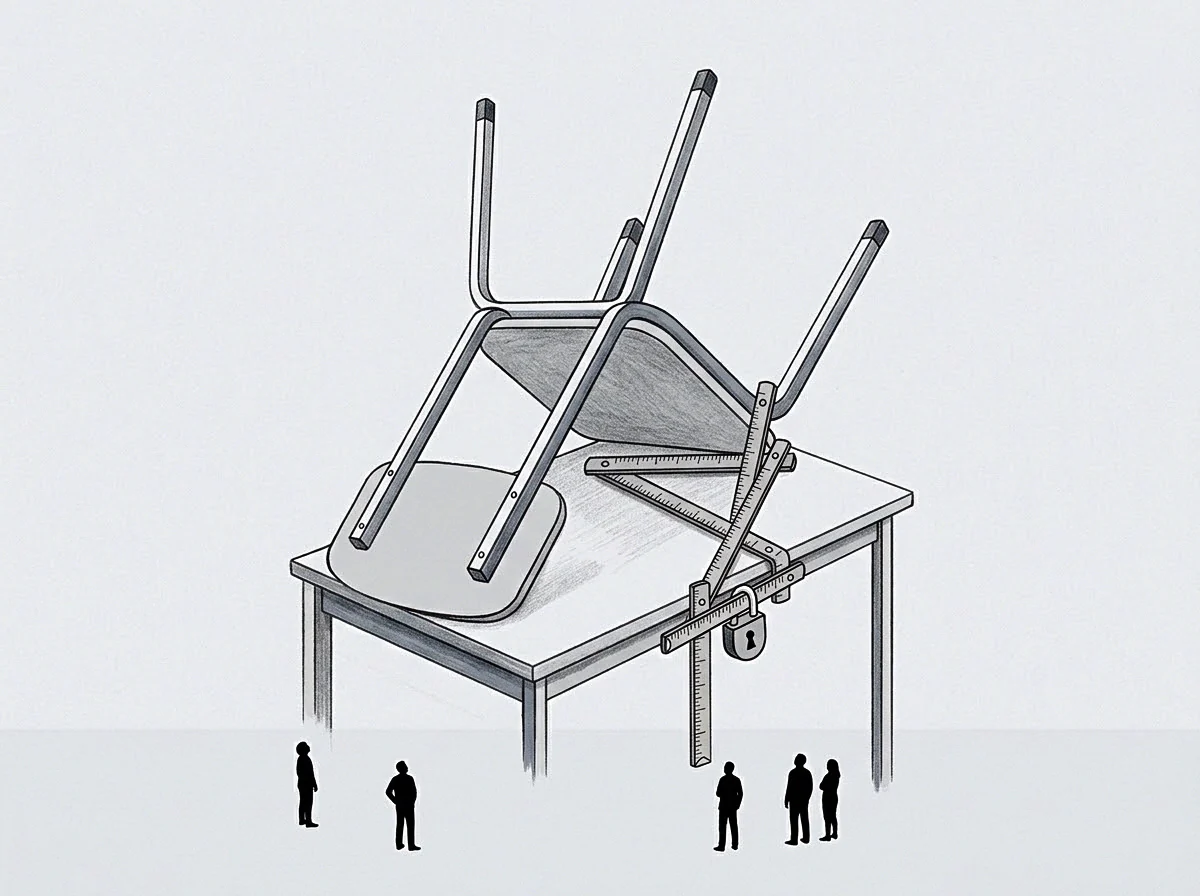
Why Do Cortisol Peaks Flatten Under Chronic Isolation?
Endocrine adaptation to continuous isolation involves structural adjustments within the pituitary gland and adrenal cortex. When social signals of safety remain absent for months, the brain treats high environmental strain as the permanent baseline rather than a transient anomaly. To protect peripheral tissues from toxic steroid exposure, the brain dampens the amplitude of the morning cortisol peak.
The systemic system exchanges dynamic responsiveness for chronic, low-grade endocrine elevation.
This structural flattening alters subjective experience. The individual no longer experiences clear transitions between high focus and deep relaxation. Operational demands no longer elicit a distinct physiological surge; instead, they draw from an already depleted metabolic pool.
The person operates in a continuous grey zone of partial mobilization, where resting feels unproductive and working requires escalating cognitive effort.
The failure to recognize this autonomic shift leads directly to misdiagnosing physiological exhaustion as a failure of personal discipline or motivation. Founders and solo operators frequently attempt to overcome flattened endocrine responsiveness by increasing stimulant intake or extending work hours. These interventions amplify sympathetic tone while deepening glucocorticoid resistance.
The systemic price of this strategy is complete metabolic collapse when adrenal reserves exhaust their substrate.
Post
Environmental Load Accounting Across Operational Seats
The baseline physiological cost of operating an organization changes dramatically depending on whether the primary seat is structurally isolated or embedded in a co-regulatory network. The table below outlines the physiological differentials measured across these two operational configurations under equal strategic strain.
| Physiological Parameter | Solo Unbuffered Operational Seat | Co-Regulated Operational Seat |
|---|---|---|
| Autonomic State Default | Persistent Sympathetic Dominance | Flexible Autonomic Switching |
| Diurnal Cortisol Profile | Flattened Slope with Elevated Evening Nadir | Steep Slope with High Morning CAR |
| Baseline Heart Rate Variability | Depressed Root Mean Square of Successive Differences | High Low-Frequency/High-Frequency Flexibility |
| Systemic Inflammatory Markers | Elevated Circulating Interleukin-6 | Normal Baseline Cytokine Ratios |
| Recovery Latency Post-Stressor | Extends Across Multi-Day Horizons | Resolves Within Hours of Stressor Termination |
The structural difference between these seats lies in the presence of an external reference point for regulation. A solo operator absorbs all environmental variance directly through their own nervous system. An operator embedded in a co-regulating environment offloads portion of that variance to the surrounding social structure, reducing total endocrine cost.
The seat holds steady, but the person sitting in it consumes capacity simply maintaining posture.
Attunement
Internal Working Models Under Unbuffered Strain
Every operator carries an internal working model formed through early developmental and relational experiences. This relational blueprint determines whether the individual unconsciously perceives others as sources of relief or as additional sources of operational strain. Under conditions of prolonged solo strain, this internal working model undergoes active testing against daily reality.
When an individual has learned that stability depends entirely on their own self-reliance, high-strain environments reinforce hyper-independent behavioral loops.
The operator internalizes a template where self-regulation and regulating others become the exact same operation. They become the single stabilizing baseline for their team, their board, and their organization, maintaining an outward appearance of unwavering composure. The organization attaches to this stable state, routinely routing complex problems toward the operator because their presence dampens collective anxiety.
The operator absorbs this incoming load without expressing personal distress, treating their own nervous system as an infinite shock absorber.
A regulator proven under chronic strain attracts additional operational load from everyone seeking borrowed calm.
The Receptor Slot and Structural Isolation
This operational dynamic creates a profound structural vulnerability: the absence of a receptor slot for incoming regulation. The individual possesses highly developed capacity to extend borrowed calm to subordinates, partners, and clients, yet lacks the functional circuitry to receive regulation from an external source. When an offer of support arrives, the operator’s central nervous system processes the input as an anomaly or an additional operational obligation rather than a moment of relief.
- Interoceptive Desensitization blocks conscious awareness of visceral fatigue signals until systemic physiological failure occurs.
- Relational Hyper-Vigilance parses incoming offers of help for hidden costs, administrative friction, or emotional demands.
- Co-Regulation Rejection maintains continuous autonomic boundary defense even when operating alongside reliable colleagues.
Over extended periods, this absence of relational reception leads to profound somatic isolation. The operator may remain surrounded by advisors, employees, and family members while their nervous system operates in total environmental isolation. The physiological system continues to pay the high metabolic tax of solo survival, regardless of the size of the team or the density of the social network.
Sustained unbuffered leadership forces the nervous system to treat self-reliance as the sole available safety protocol.
How long can a central nervous system maintain executive function when every incoming signal is processed as a demand for regulation rather than a source of it?
Recalibration
Earned Security Through Environmental Redesign
Updating an ingrained regulatory template requires more than intellectual insight or stress-management advice. The central nervous system does not alter its baseline assessment of threat based on conscious reasoning or conceptual frameworks. Autonomic recalibration requires repeated, concrete experiences where social proximity actually reduces metabolic expenditure without incurring relational debt.
This process forms the foundation of earned security in high-strain environments.
Earned security develops when an operator systematically alters their immediate operational environment to include non-contingent co-regulatory inputs. These inputs must not depend on the operator’s performance, status, or emotional output. A reliable counterpart who remains physiologically steady during acute crises provides an external baseline against which the operator’s autonomic nervous system can down-regulate sympathetic tone.
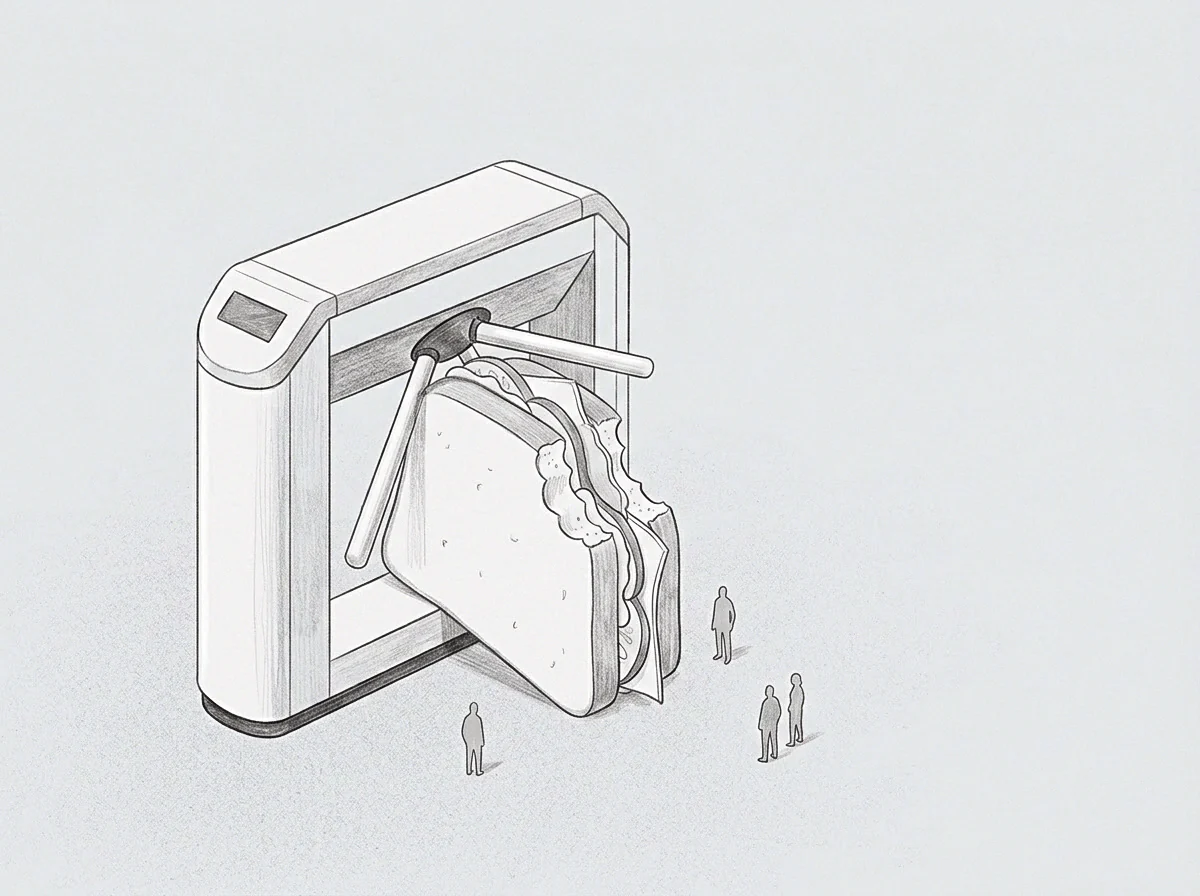
The Delta Over Time in Autonomic Baseline Shift
The transition from solo autonomic strain to structural co-regulation unfolds gradually across distinct developmental phases. Early structural changes focus on establishing strict environmental boundaries around the operator’s seat, constraining the direct flow of raw environmental friction to the central nervous system.
Over a multi-month timeline, repeated exposure to reliable co-regulatory signals alters gene expression within the HPA axis. Glucocorticoid receptor sensitivity begins to recover, restoring negative feedback control over cortisol production. Heart rate variability increases during non-operational windows, marking the return of functional cardiac vagal tone.
The diurnal cortisol curve regains its natural steepness, characterized by a robust morning rise and a clean evening trough.
This physiological recovery changes the operator’s capacity to process environmental strain. Strategic decisions no longer carry the added metabolic cost of continuous threat assessment. The operator gains the physiological headroom required to evaluate complex risk without triggering the immediate disengagement of the vagal brake.
The structural change in the seat produces a lasting shift in systemic resilience.