

Concurrency Limits and System Backpressure Protocols
System backpressure protocols reject incoming execution requests at structural boundaries to protect processing capacity when parallel load exceeds throughput.

System backpressure protocols reject incoming execution requests at structural boundaries to protect processing capacity when parallel load exceeds throughput.
Executive working memory collapses under continuous operational panics unless automated circuit breakers and strict triage bounds isolate prefrontal maintenance.
Unilateral hazard absorption transfers relational regulation costs to one partner, inducing chronic allostatic load and neural capacity degradation.

Restructuring redistributes operational wear across teams, forcing throttled operators to drop secondary compliance checks to sustain primary output.
Symmetrical risk bearing introduces persistent neural prediction errors that force asymmetrical attachment templates to rewire into reciprocal co-regulation.

Acute organizational strain exhausts social baseline buffers, converting partner proximity from an energy-saving co-regulator into a net metabolic load.
Tracking neuroendocrine recovery during organizational transition requires isolating circadian hormonal slopes from acute task friction through targeted biomarker timing.
Shared operational stress rewires primary internal working models when predictable responsiveness under load replaces individual self-regulation with co-regulation.

Upward escalation friction protocols mandate structured trade-off submissions and async delay buffers, preventing local teams from transferring cognitive load upward.

Unilateral threat buffering establishes executive dependencies that resolve only when direct risk exposure replaces protective leader filtering.
Unilateral founder self-regulation transforms capital allocation into an emotional load management tool, funding vocal departments while starving quiet units.
Acute operational exhaustion blunts the cortisol awakening response within thirty minutes of waking, reducing morning cognitive headroom before daily inputs arrive.

Direct communication routing through formal executive seats preserves management authority and prevents operational bypass across expanding company tiers.

Early executive teams unconsciously offload metabolic threat vigilance onto their steadiest peer, exhausting the unreciprocated partner unless structural limits intervene.
Prolonged corporate restructuring shifts salivary cortisol and DHEA sulfate ratios by depleting adrenal anabolic reserves while driving sustained stress responses.
Autonomic co-regulation offloads executive stress response onto reliable counterparties, lowering internal allostatic load through ventral vagal neural alignment.
Asymmetrical intake calibration across leadership nodes creates signal latency and covert routing, which resolves when executive intake setpoints are explicitly stated.
Misinterpreting executive throttling as operational failure triggers misdirected demands that destroy regulatory headroom and force true structural collapse.

Social baseline theory demonstrates that solitary executive command exhausts prefrontal circuits by forcing unilateral neural threat appraisal without social buffering.

Operational parameter controls shield leadership bandwidth by replacing subjective executive availability with automated batching and strict variance thresholds.

Structural intake latches enforce batching and latency to protect finite working memory from continuous, unmetered organizational task interruptions.
Continuous unthrottled operations force internal execution queues past capacity limits, shifting failure points from edge ingress to downstream thread pool exhaustion.

Solitary decision making forces the brain to budget threat unilaterally, burning prefrontal glucose to suppress fear without biological co-regulation.

Executive capacity degrades when ungated open loops saturate working memory slots, increasing task switching latency and triggering systemic rate limiting.
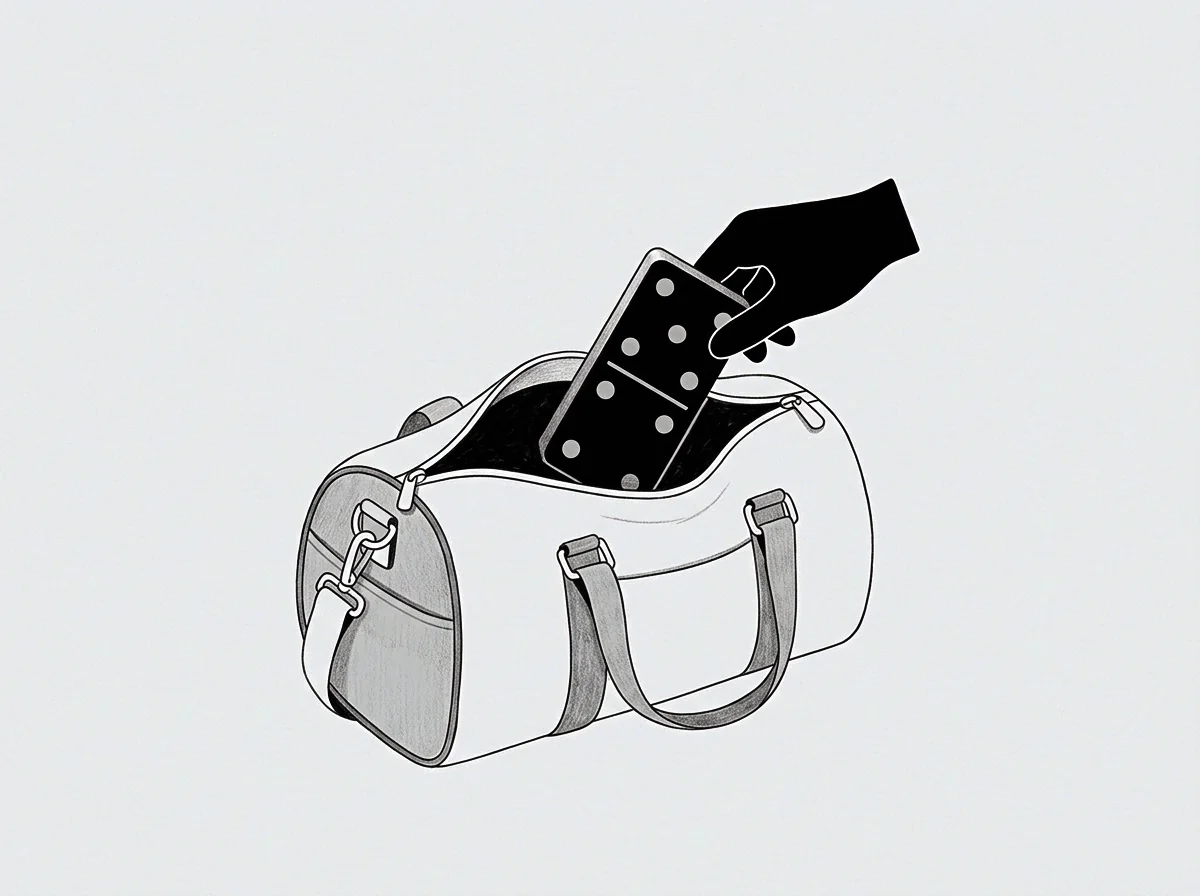
Structural concurrency limits convert incoming intake spikes into deterministic queue delays by establishing explicit limits on simultaneously active work items.

Physiological stress indicators track cumulative autonomic wear from unclosed operational loops through heart rate, cortisol output, and motor tone.

Intake setpoints mechanically restrict incoming operational payload rates to match downstream processing velocity, shedding overflow to protect system stability.
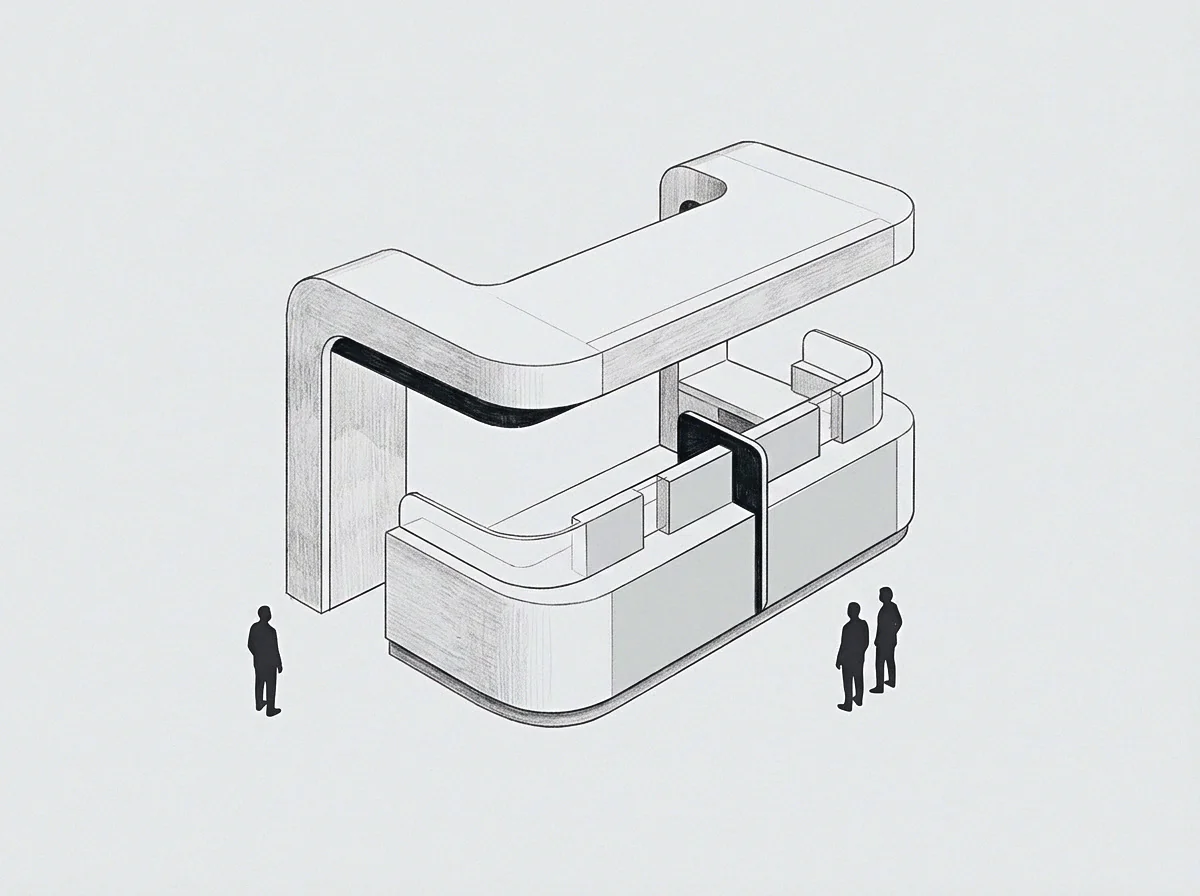
Earned security updates attachment templates by constructing somatic receptor slots that turn incoming co-regulation into low-cost autonomic relief.

Governance latency creates decision queues that exhaust executive concurrency limits, requiring deterministic latches and hard bounds to prevent throttling.
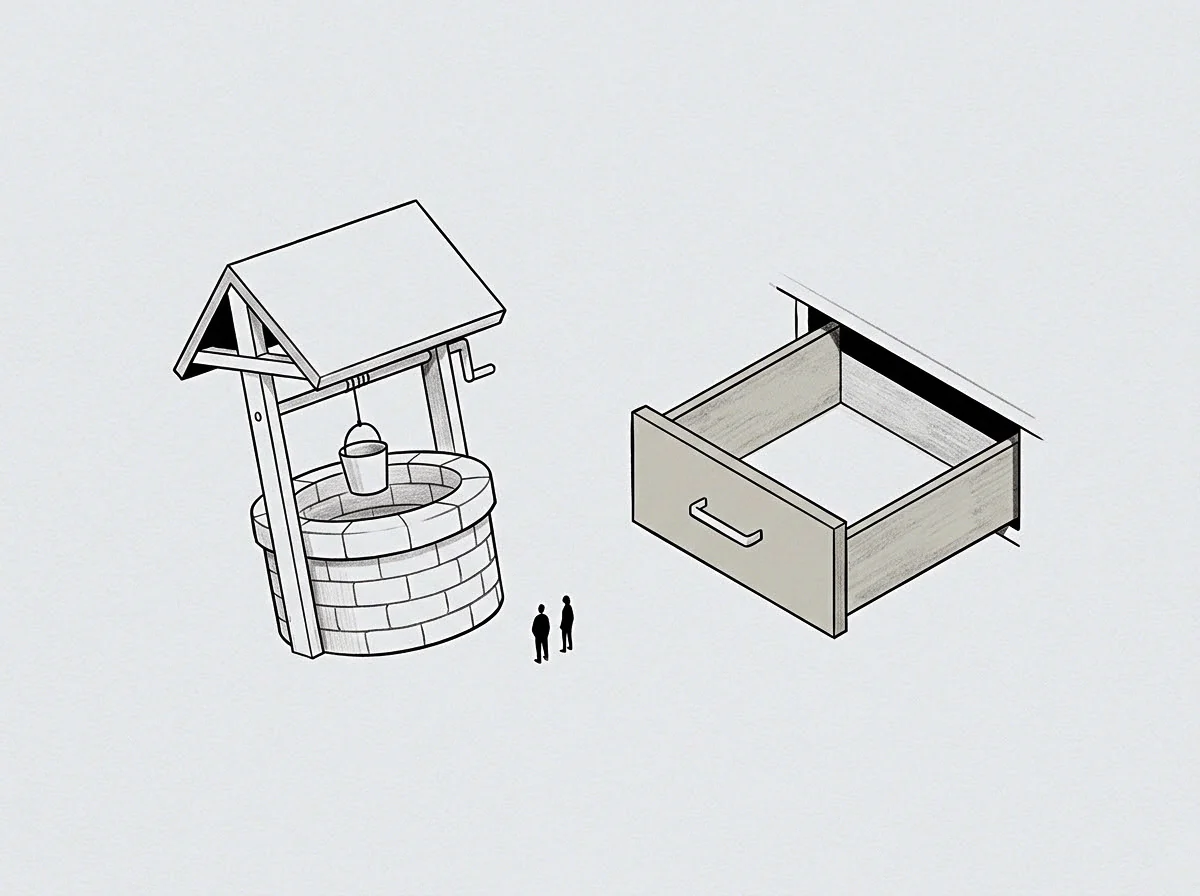
Structural gating protocols convert ungated cognitive loops into bounded operational inputs, mitigating executive allostatic load and preserving system capacity.
The terms are written where they belong. Each field holds three desks, and every entry a desk writes raises the terms it uses, each term given a meaning, a mechanism and the places it appears. The record on these pages stays first person and hand made; the fields grow the nomenclature.