Meaning
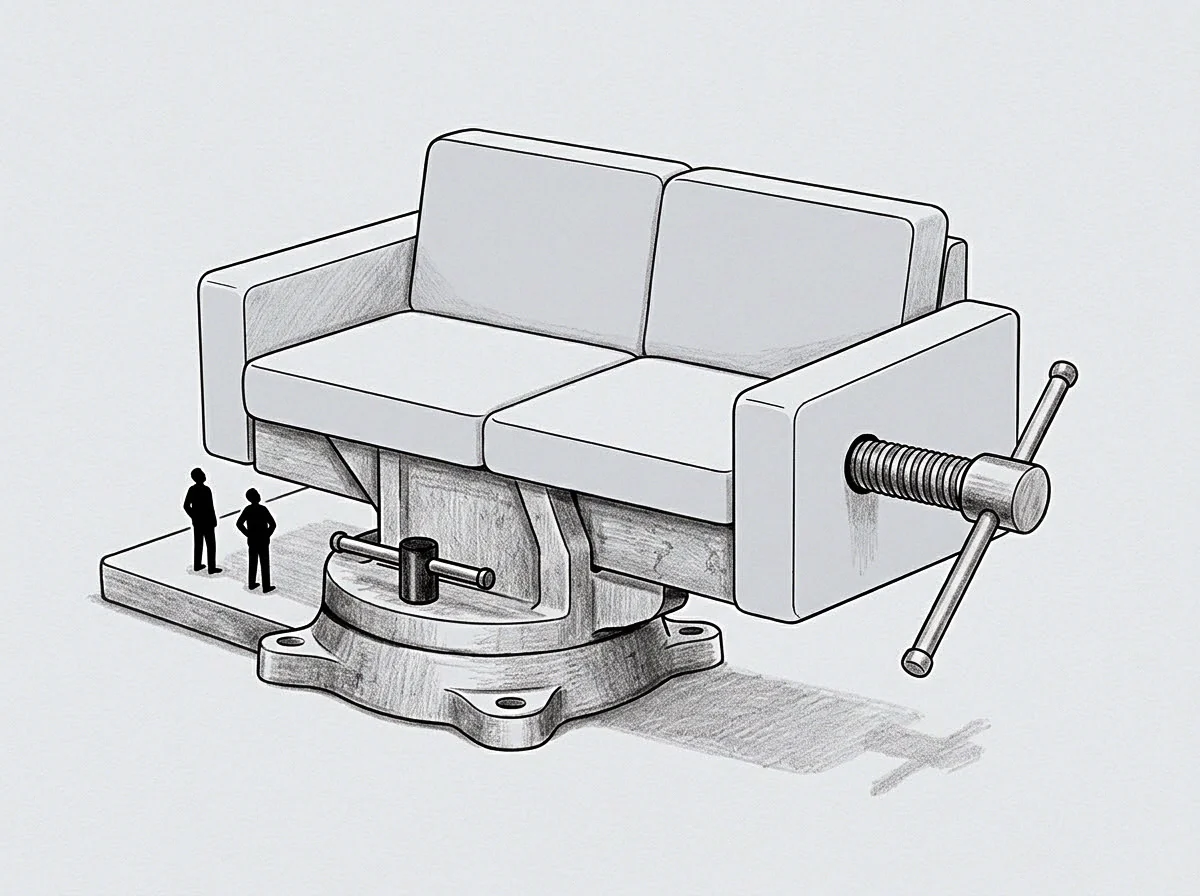
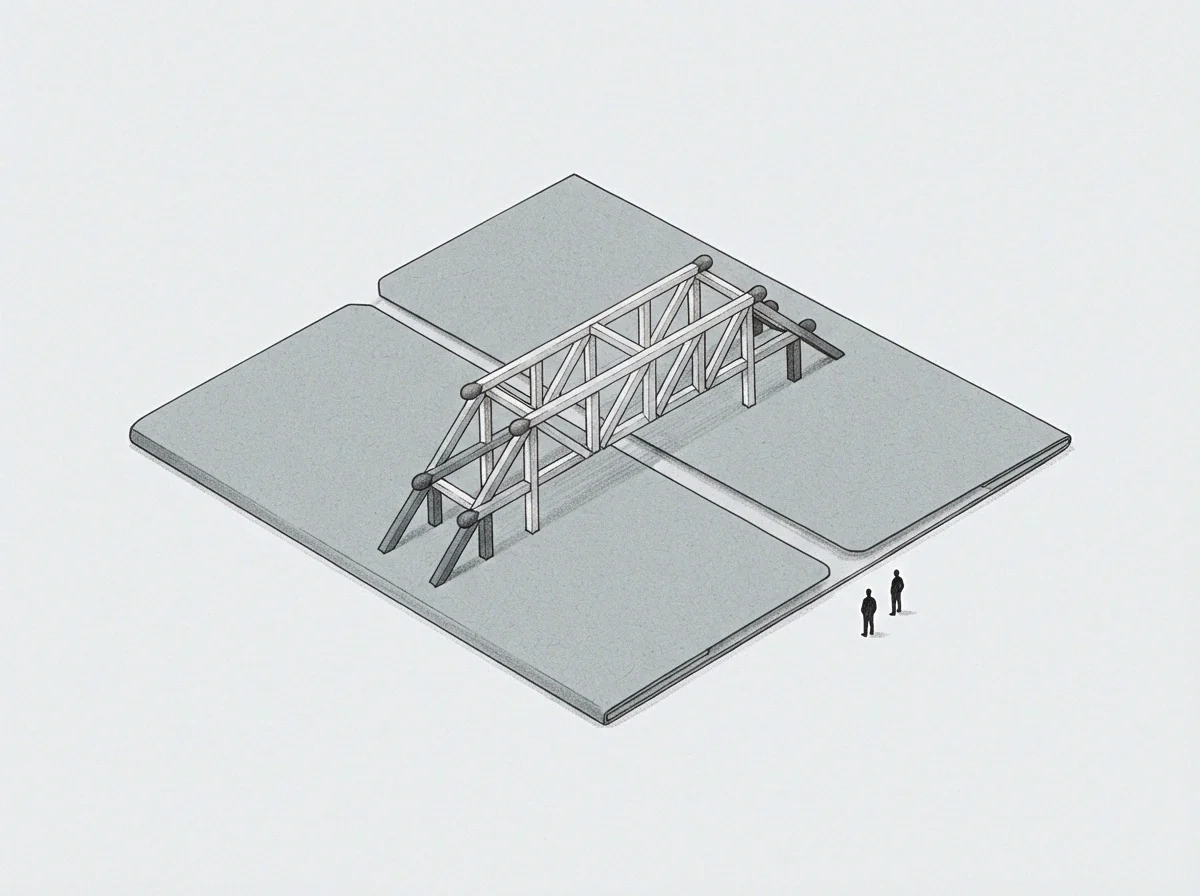
A physiological capacity measures the strength of the nervous system’s ability to maintain calm, connection, and social engagement. High ventral vagal tone allows an individual to recover quickly from stress and remain grounded during difficult situations. This baseline supports clear communication and emotional stability under intense pressure.
Somatic Efficiency
Vagal pathways act as a brake on the heart rate, allowing for rapid adjustments to changing environments. A strong vagal brake enables the body to cycle between high activity and deep rest with ease and minimal wear. This somatic flexibility protects the cardiovascular system from the damaging effects of chronic stress.
Operational Resilience
In high pressure environments, possessing high ventral vagal tone enables a leader to remain collaborative and clear headed. They can navigate intense disagreements and complex crises without slipping into defensiveness or withdrawal. This physiological baseline fosters a sense of safety within the team, allowing for creative problem solving and honest communication even when stakes are high.
Leaders with this capacity can sustain high energy levels over long periods without sacrificing their health or relationships.
System Maintenance
Building and maintaining this physiological capacity requires regular social connection, structured rest, and physical exercise. These activities strengthen the vagal nerve’s regulatory function and improve overall allostatic balance. Consistent care ensures that this critical resource remains available when operational demands increase.