Meaning
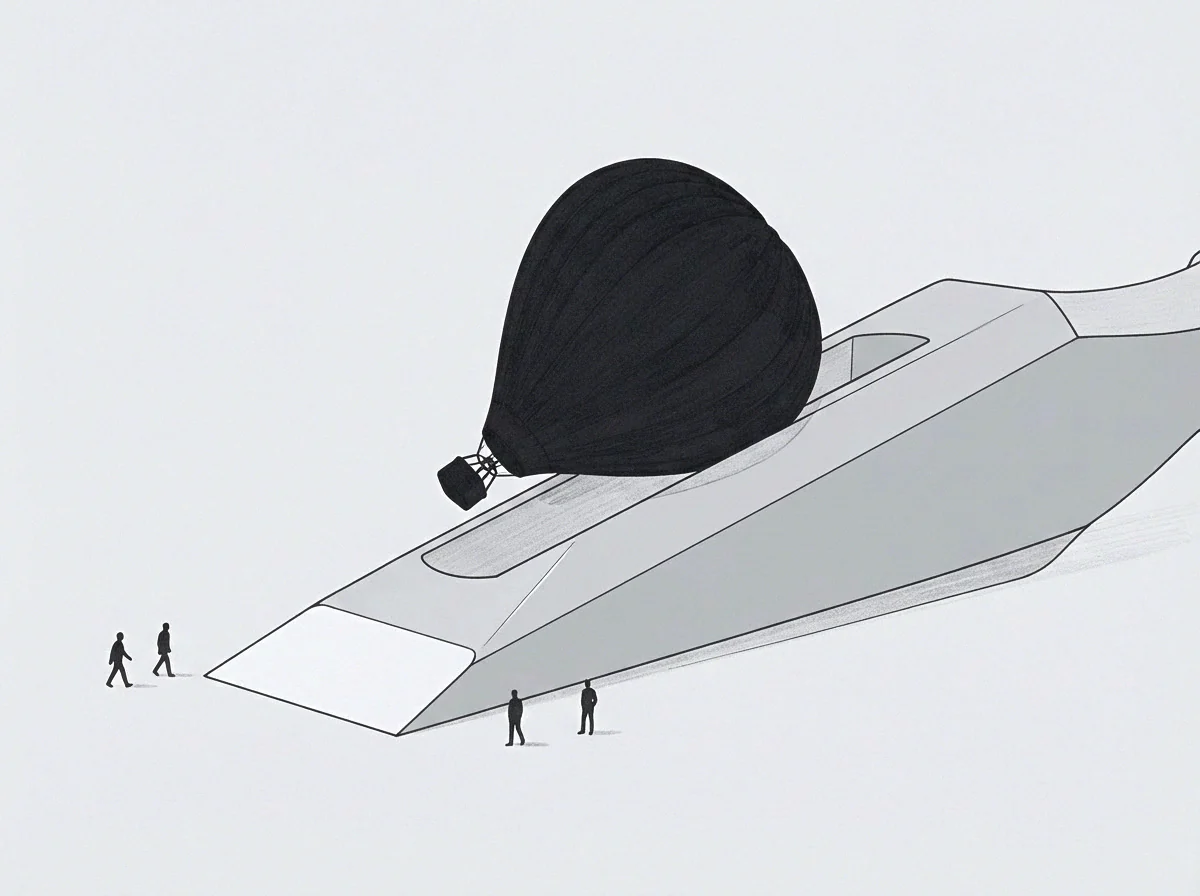
Performance deficits occur in administrative and managerial roles when the number of subordinate tasks requiring direct review exceeds the cognitive capacity of the supervisor. This condition, termed supervisory overload, leads to delayed decisions, missed anomalies, and high stress for the manager. When attention is divided too many ways, the quality of oversight falls across all monitored areas.
This failure mode is a common consequence of rapid organizational growth without delegation.
Attention Depletion
Managerial effectiveness is tied directly to the available cognitive bandwidth of the individual. When an organization suffers from supervisory overload, the manager cannot dedicate sufficient time to any single task, leading to a decline in strategic thinking. This state of constant distraction reduces the leader’s ability to plan for the future.
Operational Bottleneck
Decision pipelines stall when a single individual becomes a mandatory checkpoint for every minor activity. The onset of supervisory overload creates severe delays in project execution as team members wait for approvals. Removing these bottlenecks requires delegating authority to lower-level staff.
Quality Decline
Mistakes go unnoticed when the volume of material to review exceeds the time available for thorough evaluation. Long-term reliance on a single, overloaded supervisor inevitably leads to regulatory non-compliance or operational failure. To prevent these outcomes, organizations must restructure their reporting lines and automate routine approvals.
The ultimate cost of failing to delegate is a systemic breakdown in quality control.