Meaning
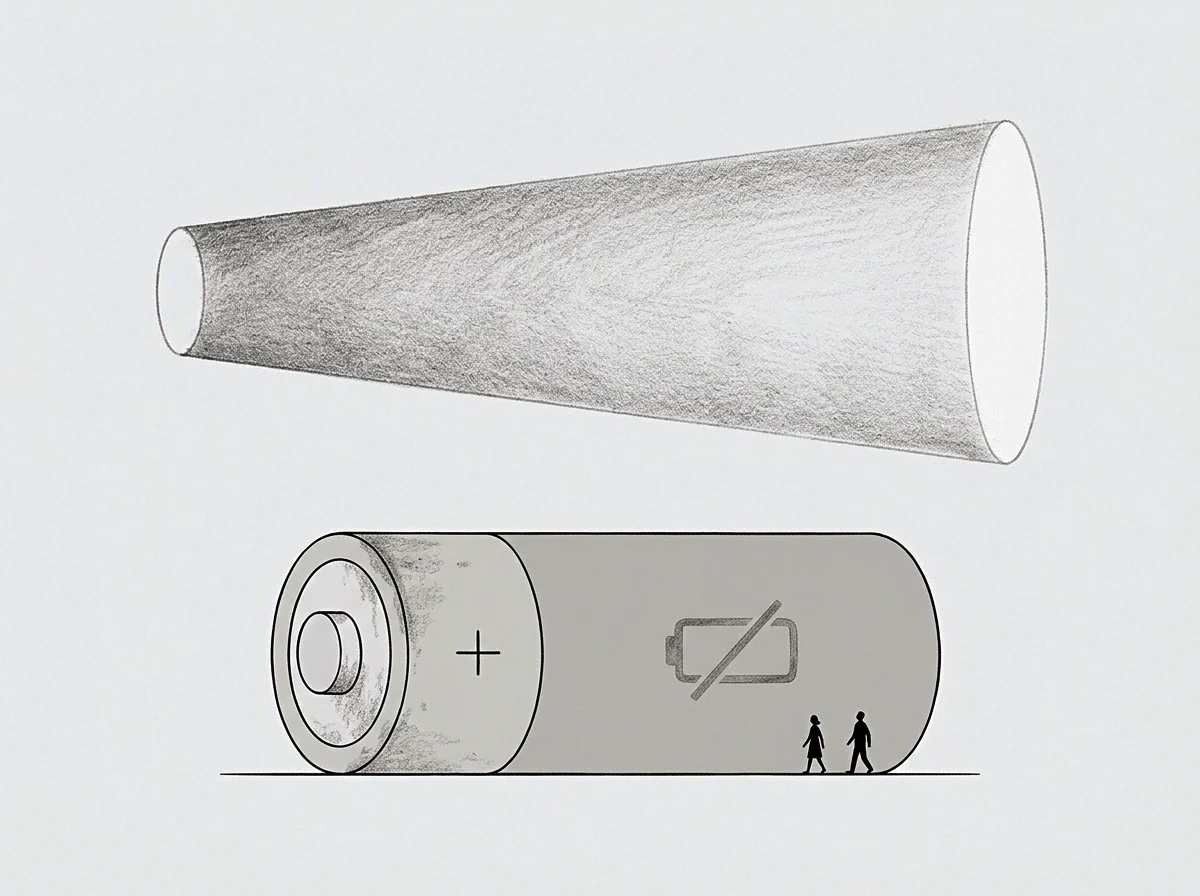
Feedback loops within cellular communication systems act as protective mechanisms against overstimulation by signalling molecules. In prolonged high-stress scenarios, receptor desensitization occurs when constant exposure to stress hormones causes cells to reduce their responsiveness. This cellular defense mechanism prevents acute damage but limits the body ability to mobilize under pressure.
It results in a diminished physiological response to both internal and external challenges.
Signal Transduction
Binding of hormones to cell surface proteins initiates a chain of internal chemical reactions. When these receptors are constantly stimulated, the cell internalizes them or modifies them to prevent further activation, a process characteristic of receptor desensitization. This reduction in active receptors means that higher doses of the hormone are required to produce the same physical effect.
The body has to work harder to maintain baseline communication between organs.
Physiological Compensation
Glands must increase their output of stress hormones to overcome the reduced cellular sensitivity. This compensatory drive forces the endocrine system to run at a high and inefficient baseline, costing energy and reserves. Over time, this constant demand weakens the glands and leads to a general depletion of hormone precursors.
Performance Decline
Chronic exposure to high adrenaline levels eventually reduces the effectiveness of motivational pathways. Because of receptor desensitization in dopamine pathways, the founder experiences less satisfaction from achievements and a decreased ability to handle complex problems. This state makes it difficult to maintain the necessary drive for long-term projects.