Meaning
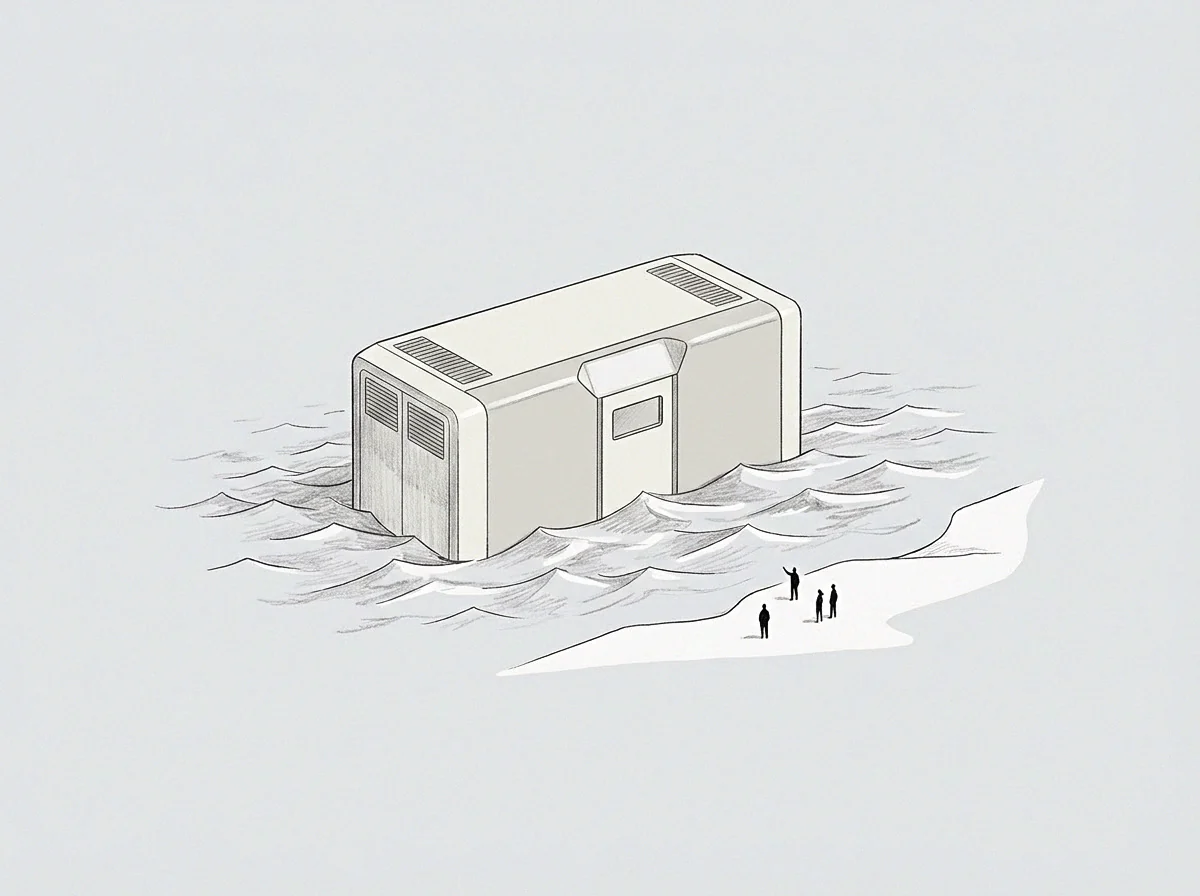
Unallocated processing capacity represents the physiological margin within central nervous circuits that remains available for novel threat appraisal after fixed baseline maintenance is sustained. Measured through frontal electroencephalographic coherence and task-switching response latencies, neural headroom dictates how effectively an individual processes unexpected disruptions without experiencing cognitive saturation. The boundary of the metric ends at absolute cognitive load, where all available neuronal recruitment is monopolized by ongoing baseline tasks.
Capacity Margin
Resilient executive function requires a continuous buffer between active cognitive expenditure and maximum processing limits. Preserving neural headroom allows prefrontal circuits to evaluate emergent crises, execute risk calculations, and modulate somatic arousal without degrading existing operational routines. When enterprise responsibilities demand continuous vigilance, baseline maintenance consumes this margin entirely.
Mental bandwidth narrows to immediate survival tasks, leaving negligible neurobiological capacity for deliberate strategic planning or novel problem evaluation.
Latency Penalty
Saturated neural architecture exhibits observable performance degradations across all high-order cognitive domains. The gradual constriction of neural headroom delays decision speeds, increases grammatical errors in verbal communication, and degrades working memory recall. Cortical processing centers resort to cognitive shortcuts and rigid heuristics, abandoning nuanced analytical discrimination in favor of crude administrative reactions.
Information queuing bottlenecks multiply throughout the executive apparatus, amplifying decision latency.
Exhaustion Boundary
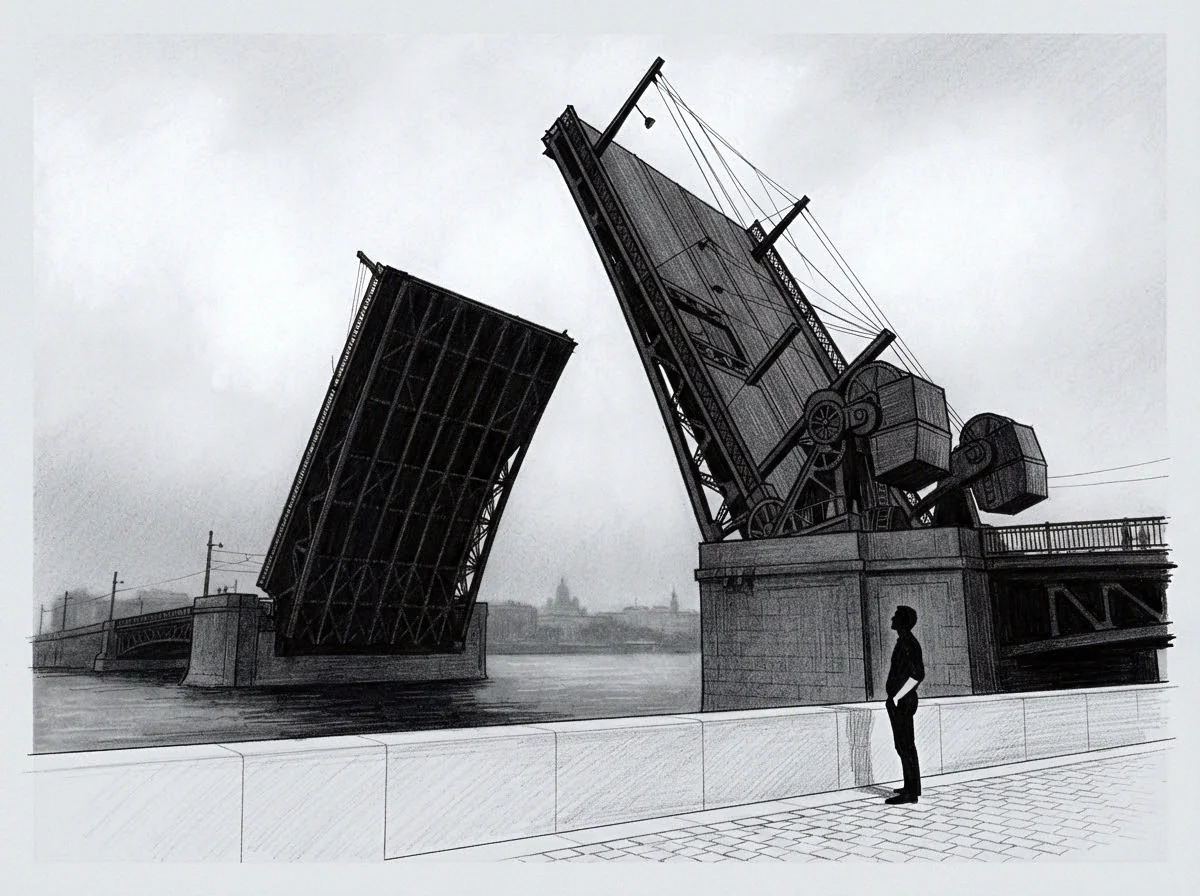
Total depletion of available processing reserves produces acute systemic behavioral paralysis. The collapse of neural headroom eliminates the capacity to inhibit reflexive emotional output or regulate autonomic arousal. Sensory gating fails, transforming ordinary ambient stimuli into unbearable physiological irritants that trigger extreme defensive posturing.
The operational system ceases to govern external circumstances and instead expends its remaining electrical capacity managing internal perceptual overload.