Meaning
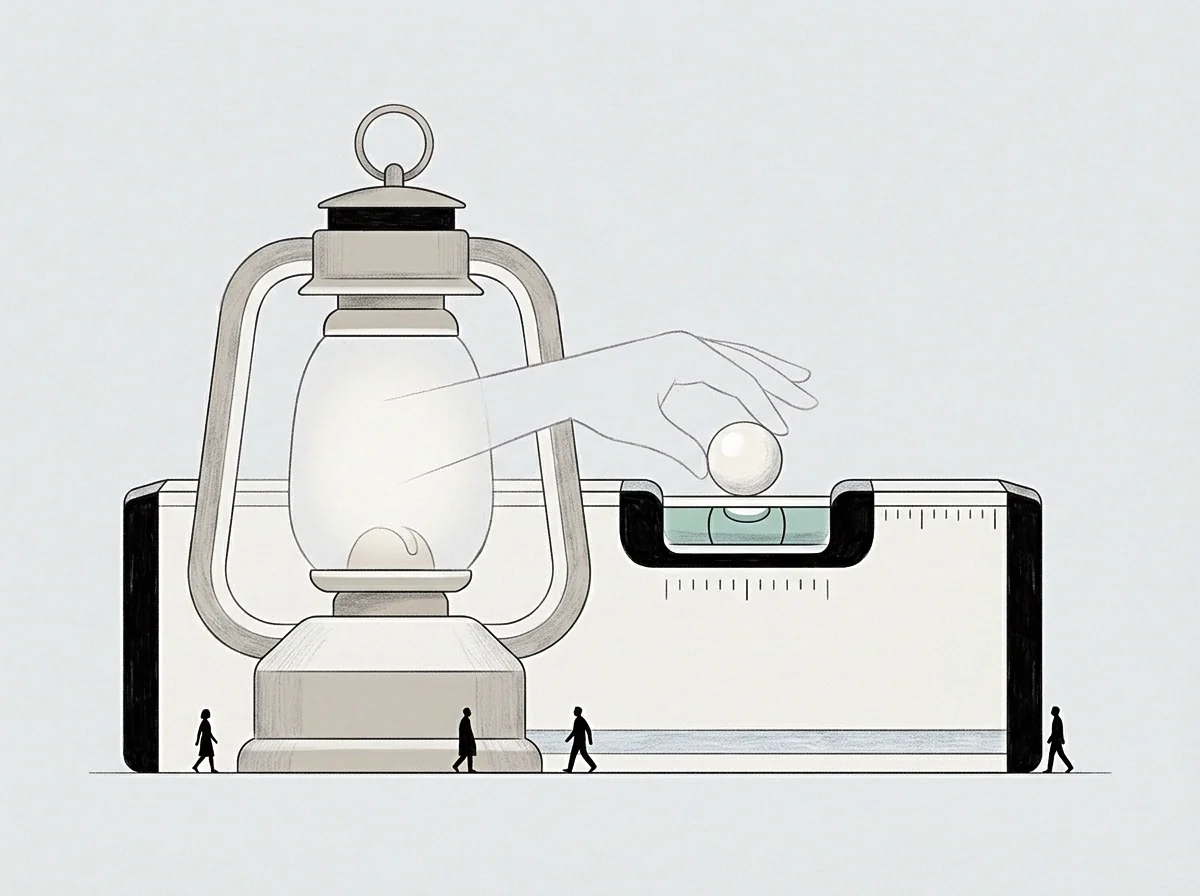
An active neurological process where the brain anticipates the body’s future physiological needs based on internal and external signals defines this mechanism. By constantly running these calculations, interoceptive prediction helps maintain homeostasis before actual deficits arise in the body. When a founder faces chronic instability, these internal models become skewed, anticipating constant threat and preparing the body for an unyielding emergency.
Neural Forecasting
Internal simulations dictate how much energy is allocated to the brain and muscles at any given moment. If the brain generates a negative interoceptive prediction, it preemptively triggers stress responses like elevated heart rate and cortisol release. This continuous preparation occurs beneath conscious awareness, driven by the brain’s attempt to survive a high-pressure environment.
Capacity Drain
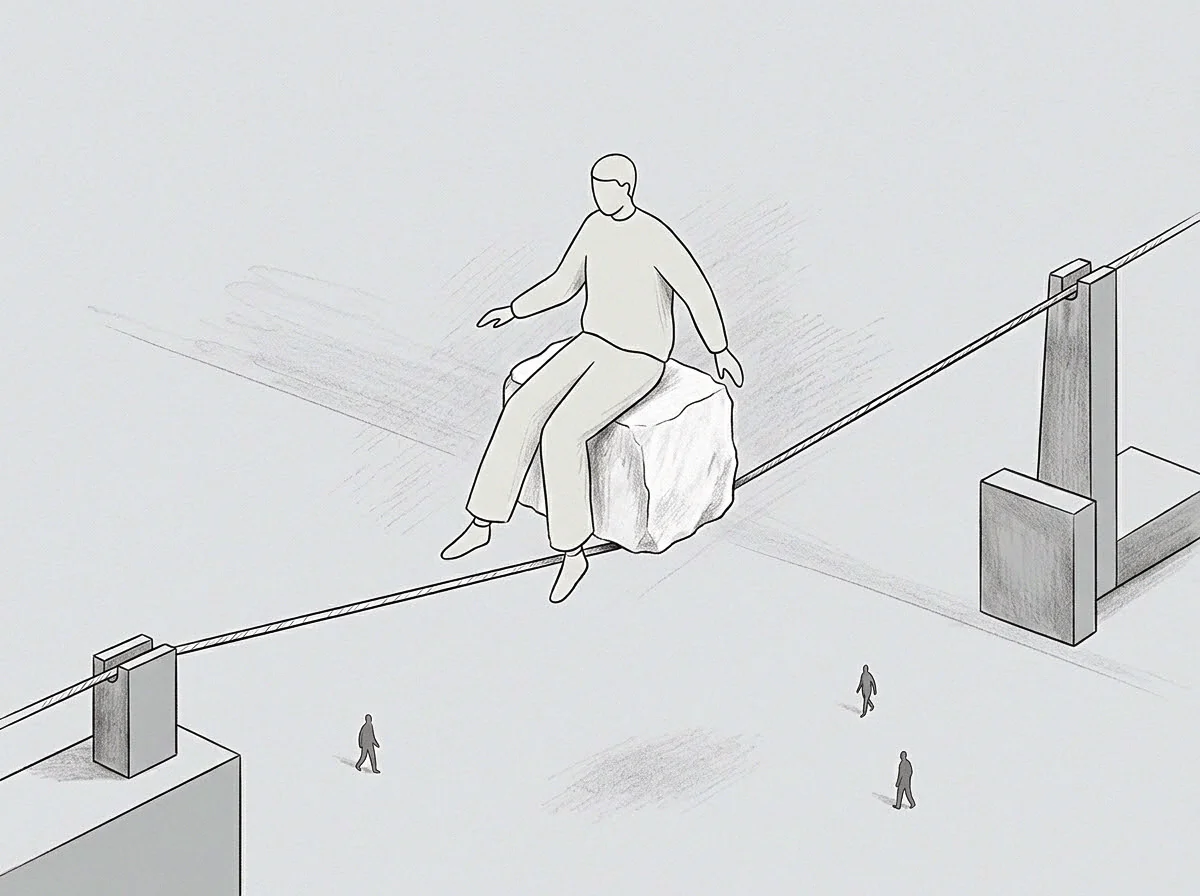
Strategic thinking becomes compromised when the brain dedicates excessive metabolic resources to running defensive internal simulations. This constant forecasting costs massive amounts of energy, leaving very little cognitive capacity for creative problem-solving or long-term vision. The founder is left feeling drained even before the workday begins, as their brain has spent the night preparing for a crisis that may never arrive, creating a profound drag on daily productivity.
Calibration Limit
Accurate forecasting requires quiet environments and physical rest to correct the skewed internal models. Without these periods of stillness, the brain continues to run on outdated threat patterns, misinterpreting neutral events as crises. Resetting these predictions is essential for returning to balanced decision-making.