Meaning
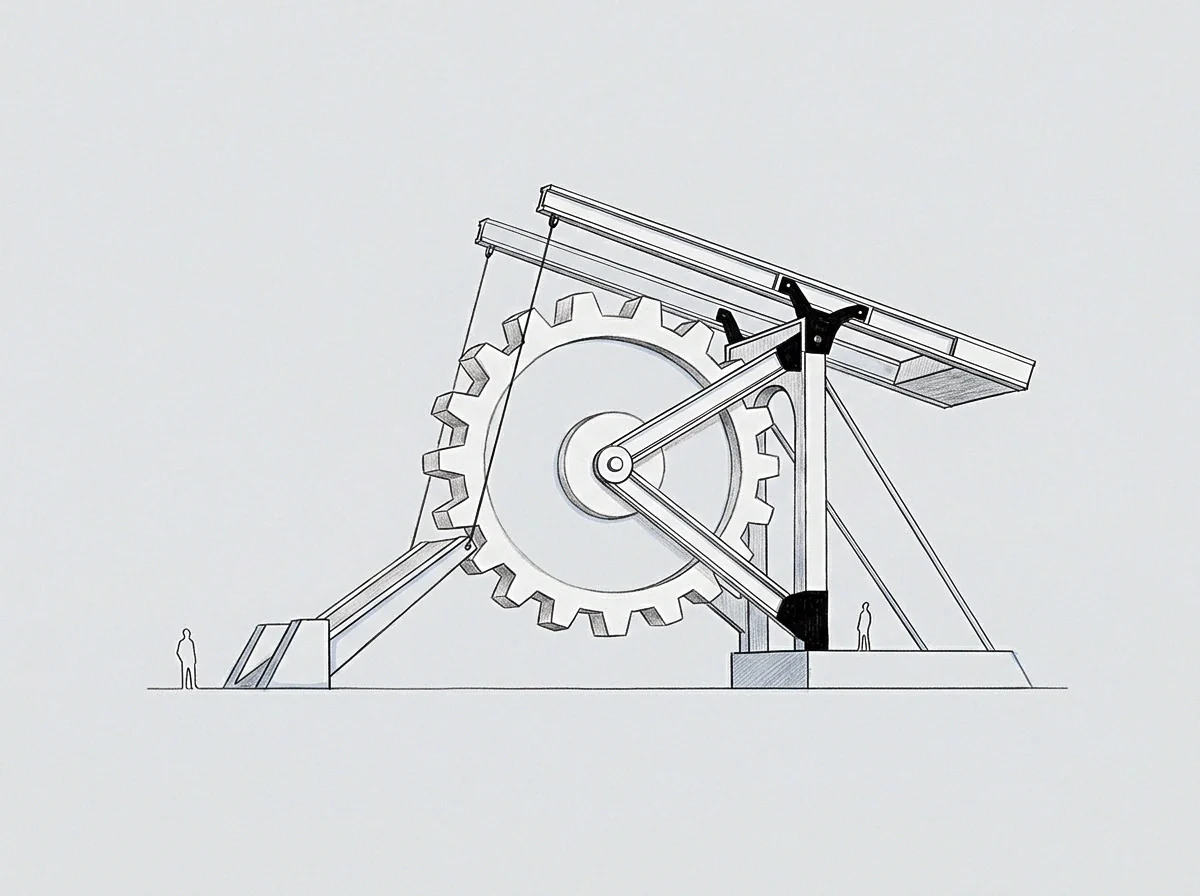
Internal baseline controls fix the standard operational and biological parameters to which a system defaults after disturbance. In post-founding physiological management, homeostatic set point defines the baseline level of resting heart rate and cortisol output to which an executive returns after acute crisis stress. The mechanism relies on negative feedback loops that trigger compensatory cooling or arousal reduction.
Sustained exertion can alter this default baseline, establishing elevated physiological resting states.
Baseline Drift
Prolonged exposure to operational volatility forces neuroendocrine feedback loops to recalibrate their resting parameters. Under chronic stress, homeostatic set point shifts upward, establishing higher resting blood pressure and elevated baseline cortisol. The body treats elevated stress states as the new default baseline, suppressing parasympathetic recovery mechanisms during off-hours.
Returning to historic baseline values becomes difficult once tissue receptors adjust to high neuroendocrine concentrations. The permanent drift consumes ongoing physiological capacity even during inactive rest periods.
Regulatory Energy
Maintaining an elevated resting parameter demands continuous metabolic support from metabolic systems. When homeostatic set point remains elevated, daily energy reserves drain rapidly without acute external stimuli. The elevated baseline increases physiological wear over multi-year horizons.
Equilibrium Boundary
Severe metabolic exhaustion or targeted physiological intervention marks the limit where baseline recalibration stops. When biological capacity degrades completely, homeostatic set point can no longer maintain regulatory balance. Failure of baseline controls leads to systemic physiological crash rather than further recalibration.