Meaning
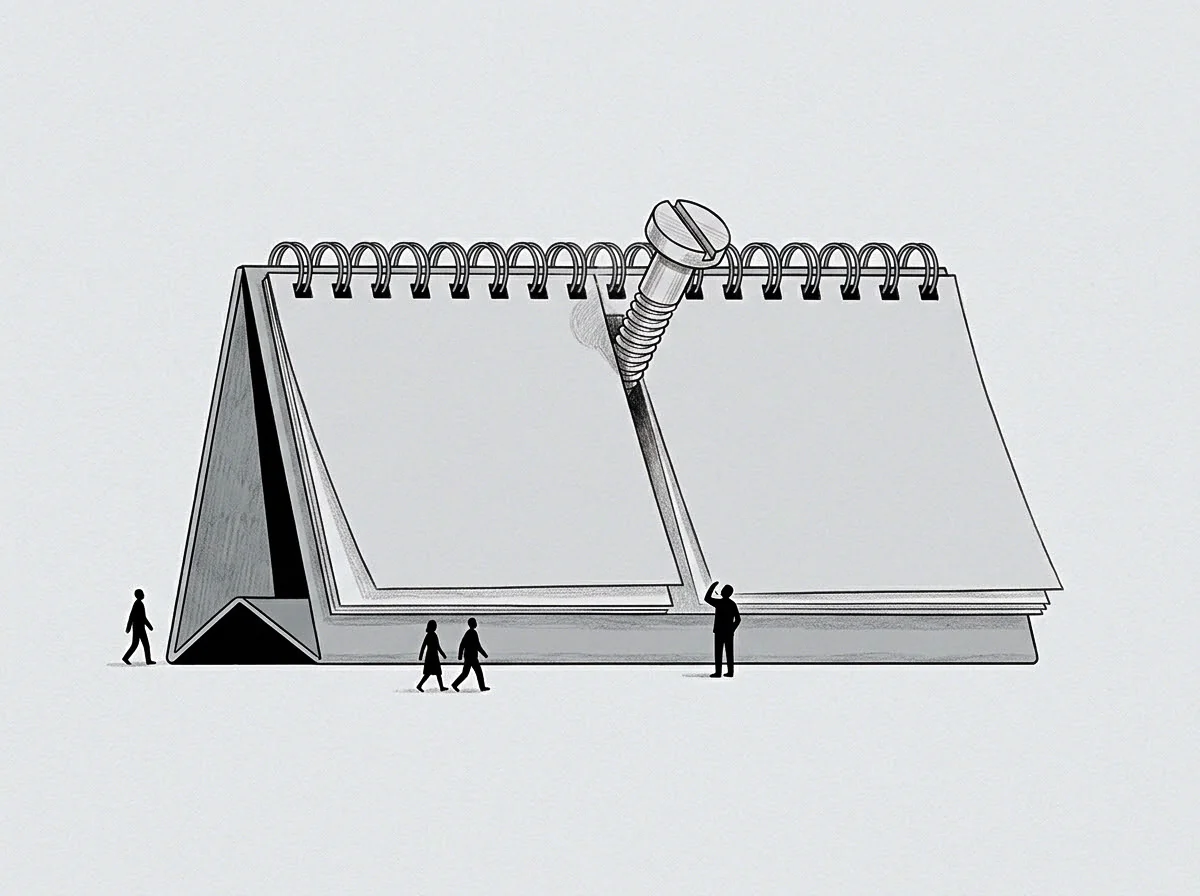
A deliberate architectural choice to restrict the flow of information to specific windows or channels. By implementing gated communication, a person protects their cognitive resources from the constant intrusion of real-time messaging. This standard creates a predictable schedule for both the sender and the receiver.
Filter Design
Information is sorted by urgency and type before it ever reaches the recipient. A system of gated communication often involves an intermediary or a technical tool that holds messages in a queue. This allows the person to engage with the data only when they have the mental capacity to process it.
Input Regulation
Uncontrolled input is a primary driver of burnout in high-growth environments. The use of gated communication moves the actor from a reactive state to a proactive one. It ensures that the most difficult analytical work happens during periods of peak energy.
By batching the review of messages, the person avoids the high cost of context switching that occurs with every notification.
Attention Preservation
The ultimate goal of these restrictions is the preservation of the individual’s ability to think deeply. Gated communication acts as a wall against the trivial demands that can otherwise consume a working day. Success in complex roles depends on the integrity of this barrier.