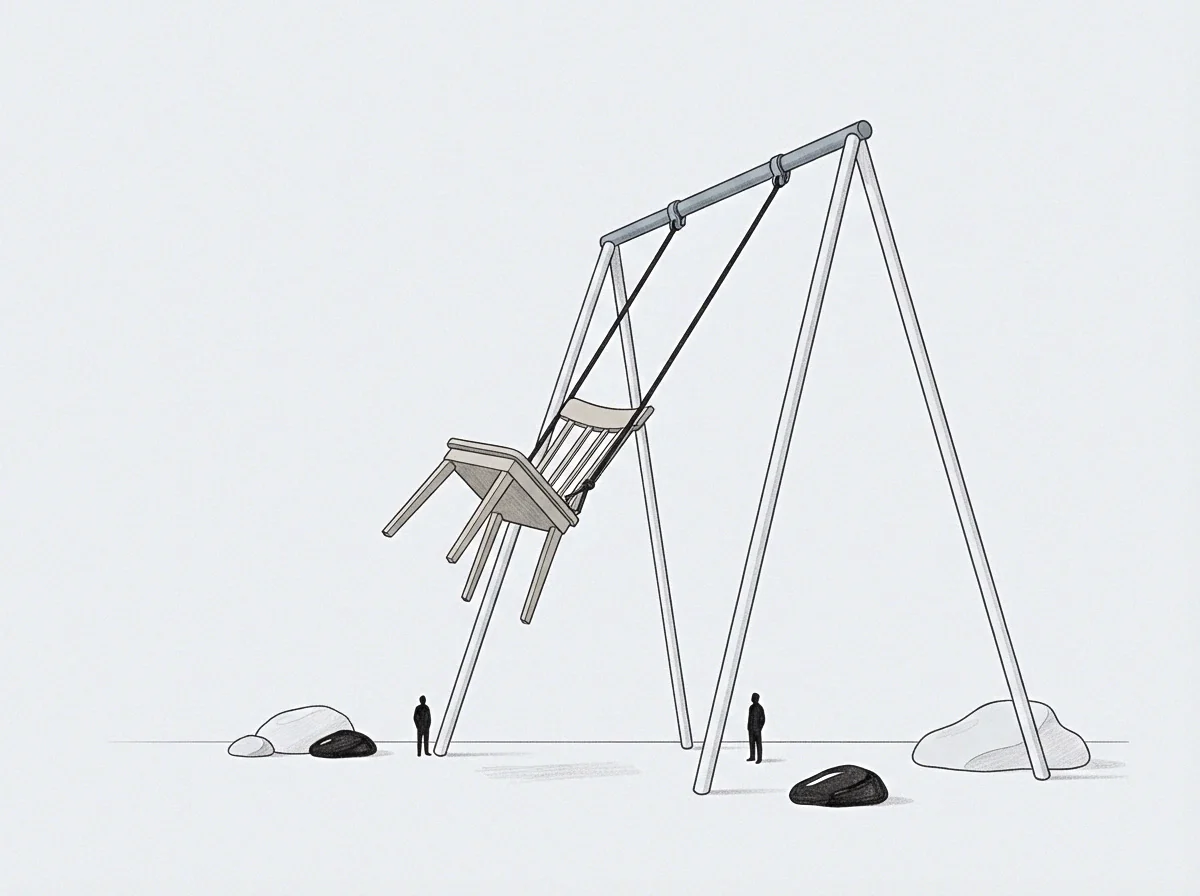
Meaning
Quantitative gap between the effort required to initiate a transaction and the effort needed to maintain it. A friction differential describes the increased administrative burden that occurs when a founder moves from informal management to a regulated corporate structure. It measures the lost capacity resulting from additional layers of oversight.
Operational Drag
Every new reporting requirement adds minutes to tasks that once took seconds. The friction differential becomes visible during the transition from a private entity to one with professional investors. Executives find themselves spending hours on the explanation of decisions at the expense of executive action.
This increase in procedural steps forces a slower pace of execution across the entire management team as they wait for formal clearances.
Capacity Loss
High levels of friction consume the mental energy needed for strategic planning. When the friction differential is large, the organization moves slower than its competitors who operate under lighter constraints. This cost is paid in hours of lost productivity.
Systemic Inertia
Resistance to change grows as the number of required approvals increases. A friction differential creates a natural limit on how quickly a company can pivot. This state of borrowed regulation ensures stability but at the price of agility.