Meaning
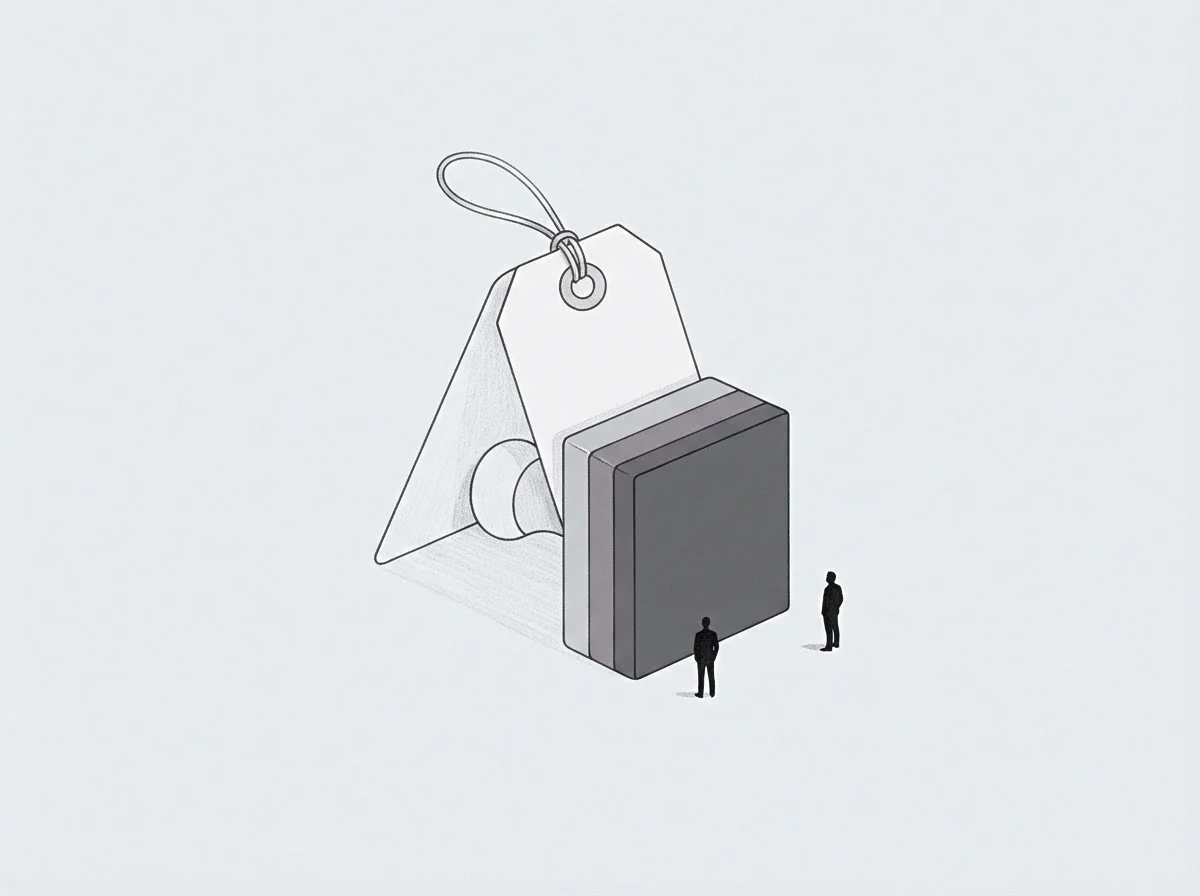
Structural pressure represents the aggregate load an organization exerts on its primary decision maker. This enterprise strain functions as a measurement of how deeply the organizational architecture demands personal endurance from its leader. It tracks the point where the needs of the company exceed the sustainable energy of the person behind it.
The metric stops applying once the individual fully disengages from fiduciary and operational responsibility.
Structural Load
Organizational complexity determines the baseline demand on the nervous system during any given fiscal period. The enterprise strain increases when the number of direct reports or the volatility of revenue streams rises beyond the capacity for quiet observation. Maintaining this state requires a high volume of hours devoted to administrative oversight.
Costs are measured in the reduction of available attention for non-business interactions.
Physiological Impact
Stress hormones remain elevated when the person feels the weight of the collective survival of their staff. Such enterprise strain prevents the body from entering a deep rest state during the night. Digestion and immune function often slow as the system prioritizes external problem solving over internal maintenance.
Long periods of high activation lead to a noticeable decrease in the ability to process complex emotional data without fatigue. The result is a thinning of the individual’s ability to handle minor setbacks without a large reaction.
Regulatory Limit
External governance provides a frame that either eases or intensifies the personal burden. A predictable regulatory environment allows enterprise strain to settle into a manageable routine of compliance. Stability arrives only when the rules of the game become fixed.