
Updating Primary Internal Working Models Through Shared Operational Exposure
Shared operational stress rewires primary internal working models when predictable responsiveness under load replaces individual self-regulation with co-regulation.
Shared operational stress rewires primary internal working models when predictable responsiveness under load replaces individual self-regulation with co-regulation.

Unilateral threat buffering establishes executive dependencies that resolve only when direct risk exposure replaces protective leader filtering.
Unilateral founder self-regulation transforms capital allocation into an emotional load management tool, funding vocal departments while starving quiet units.
Acute operational exhaustion blunts the cortisol awakening response within thirty minutes of waking, reducing morning cognitive headroom before daily inputs arrive.

Early executive teams unconsciously offload metabolic threat vigilance onto their steadiest peer, exhausting the unreciprocated partner unless structural limits intervene.
Prolonged corporate restructuring shifts salivary cortisol and DHEA sulfate ratios by depleting adrenal anabolic reserves while driving sustained stress responses.
Autonomic co-regulation offloads executive stress response onto reliable counterparties, lowering internal allostatic load through ventral vagal neural alignment.
Asymmetrical intake calibration across leadership nodes creates signal latency and covert routing, which resolves when executive intake setpoints are explicitly stated.
Misinterpreting executive throttling as operational failure triggers misdirected demands that destroy regulatory headroom and force true structural collapse.
Social baseline theory demonstrates that solitary executive command exhausts prefrontal circuits by forcing unilateral neural threat appraisal without social buffering.

Operational parameter controls shield leadership bandwidth by replacing subjective executive availability with automated batching and strict variance thresholds.
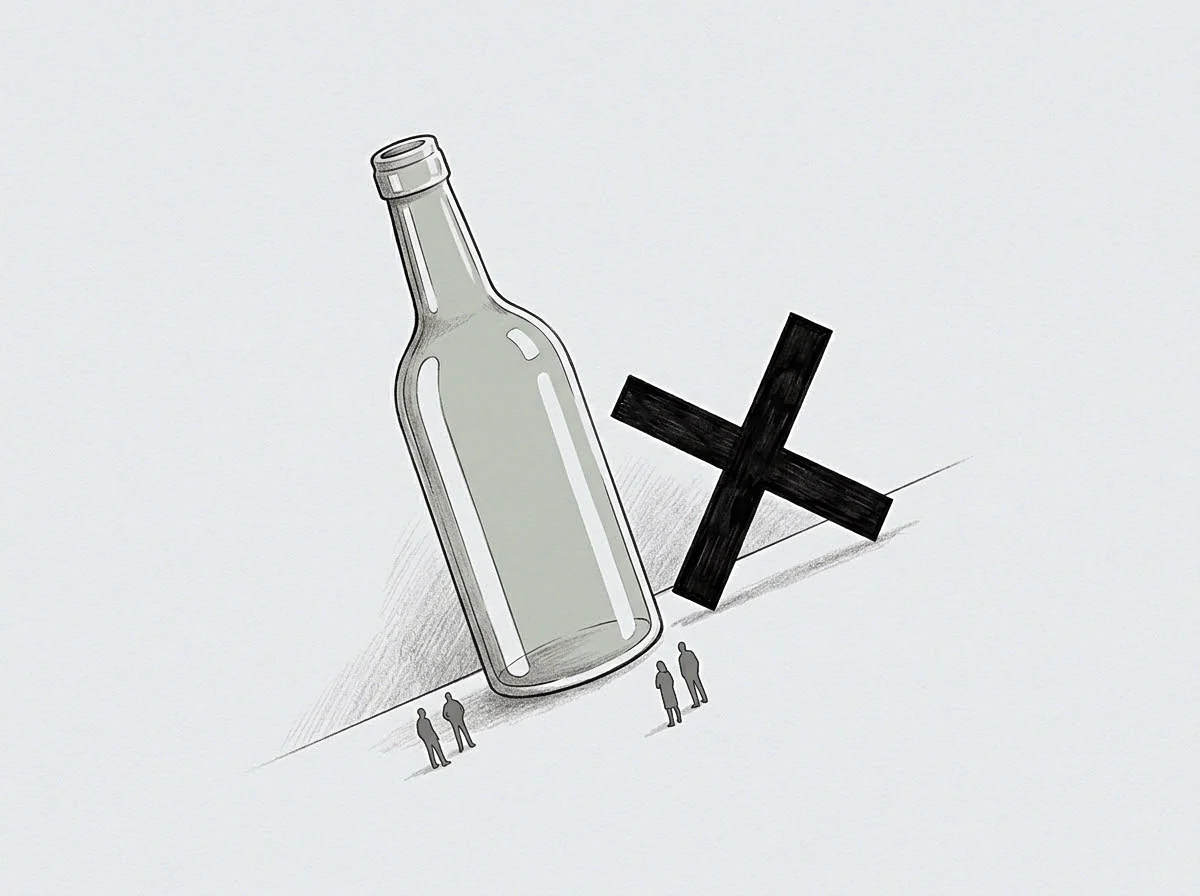
Solitary decision making forces the brain to budget threat unilaterally, burning prefrontal glucose to suppress fear without biological co-regulation.

Executive capacity degrades when ungated open loops saturate working memory slots, increasing task switching latency and triggering systemic rate limiting.
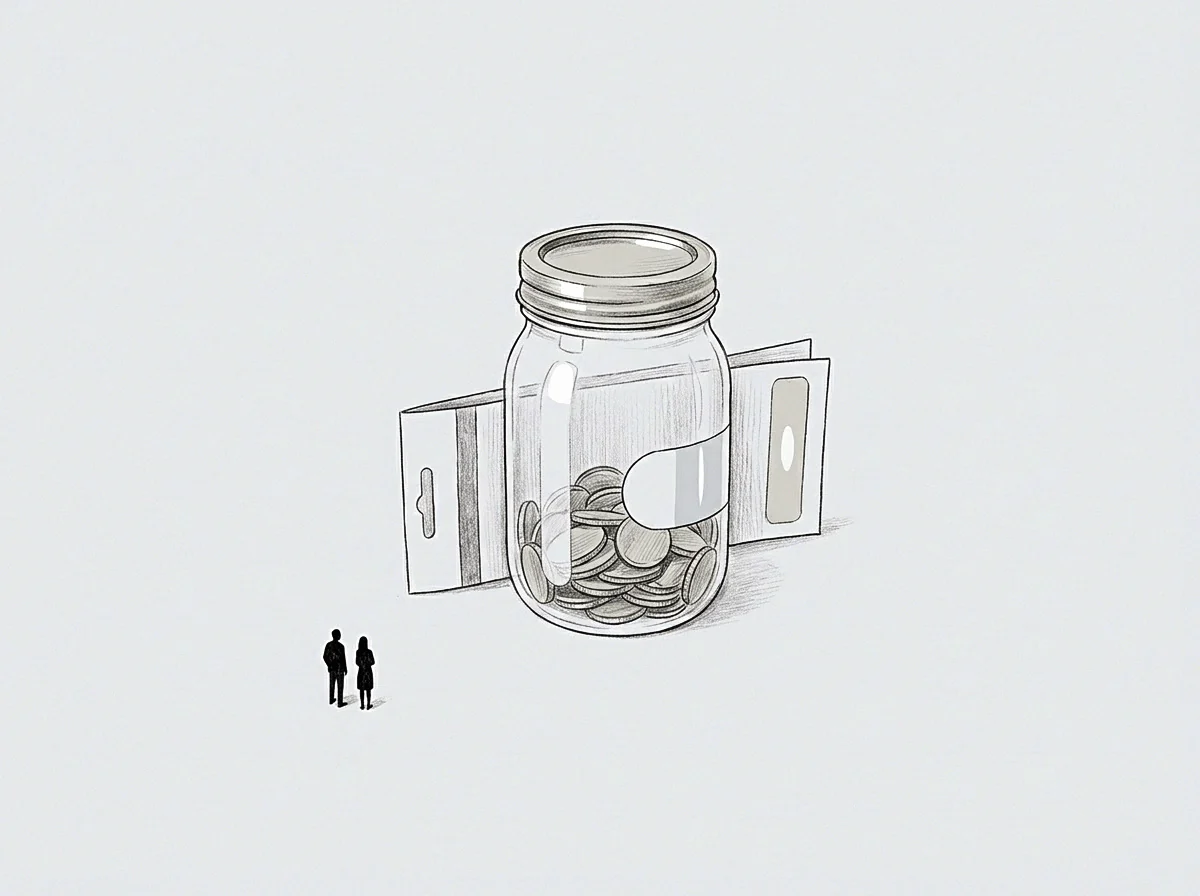
Physiological stress indicators track cumulative autonomic wear from unclosed operational loops through heart rate, cortisol output, and motor tone.
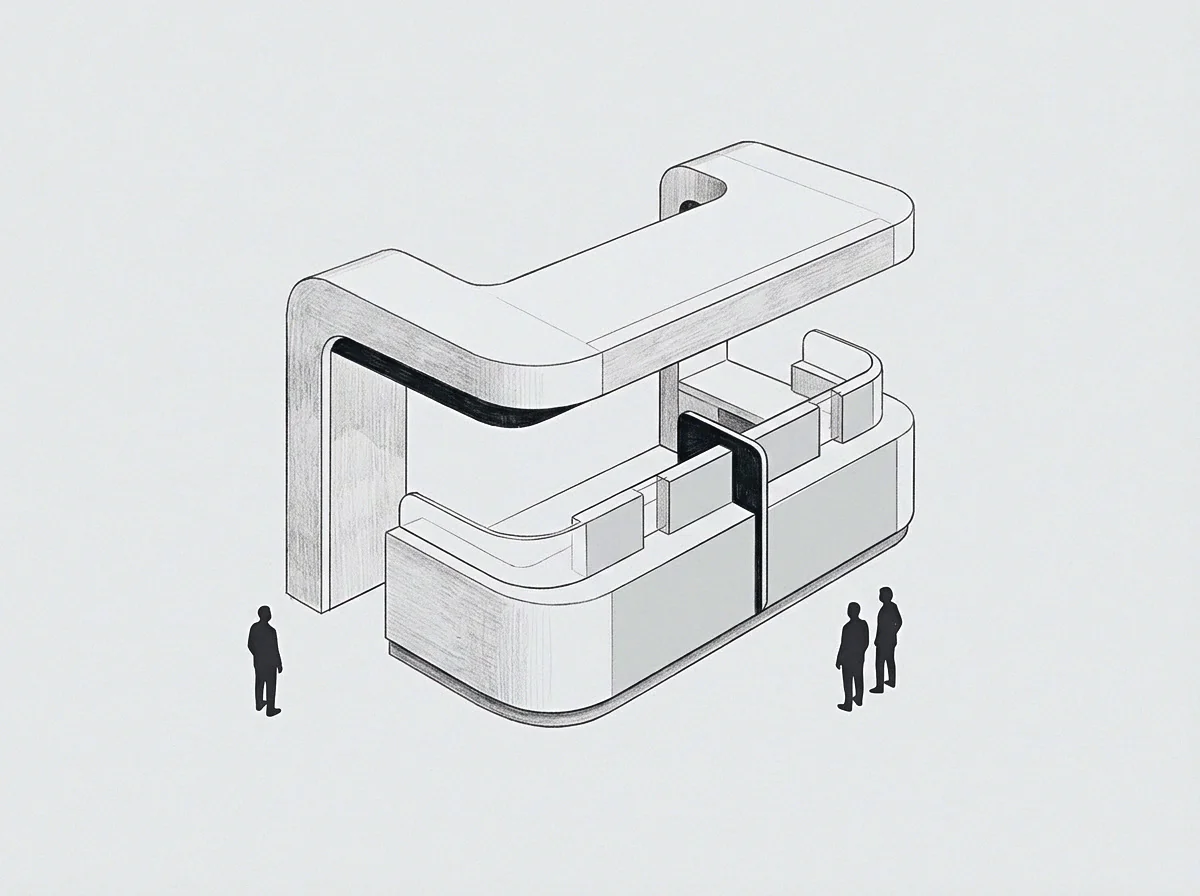
Earned security updates attachment templates by constructing somatic receptor slots that turn incoming co-regulation into low-cost autonomic relief.
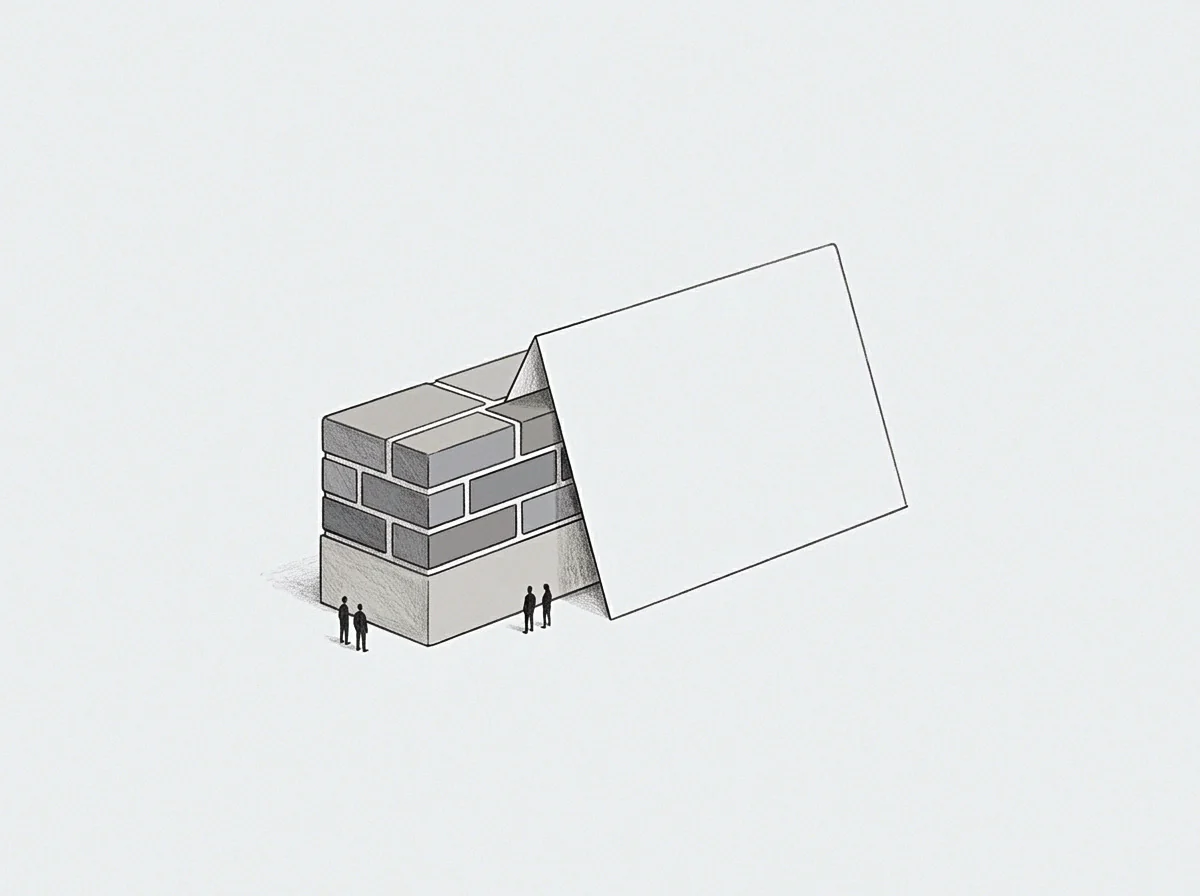
Governance latency creates decision queues that exhaust executive concurrency limits, requiring deterministic latches and hard bounds to prevent throttling.
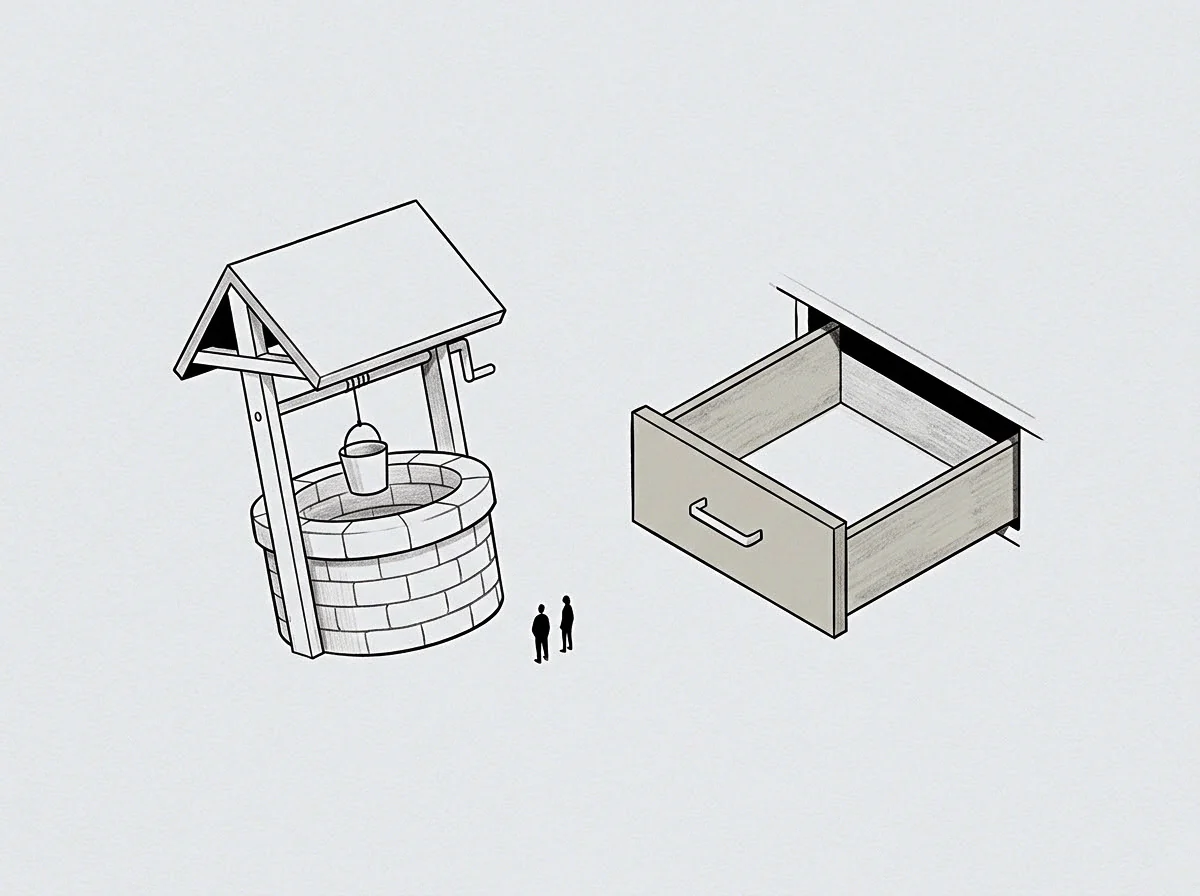
Structural gating protocols convert ungated cognitive loops into bounded operational inputs, mitigating executive allostatic load and preserving system capacity.
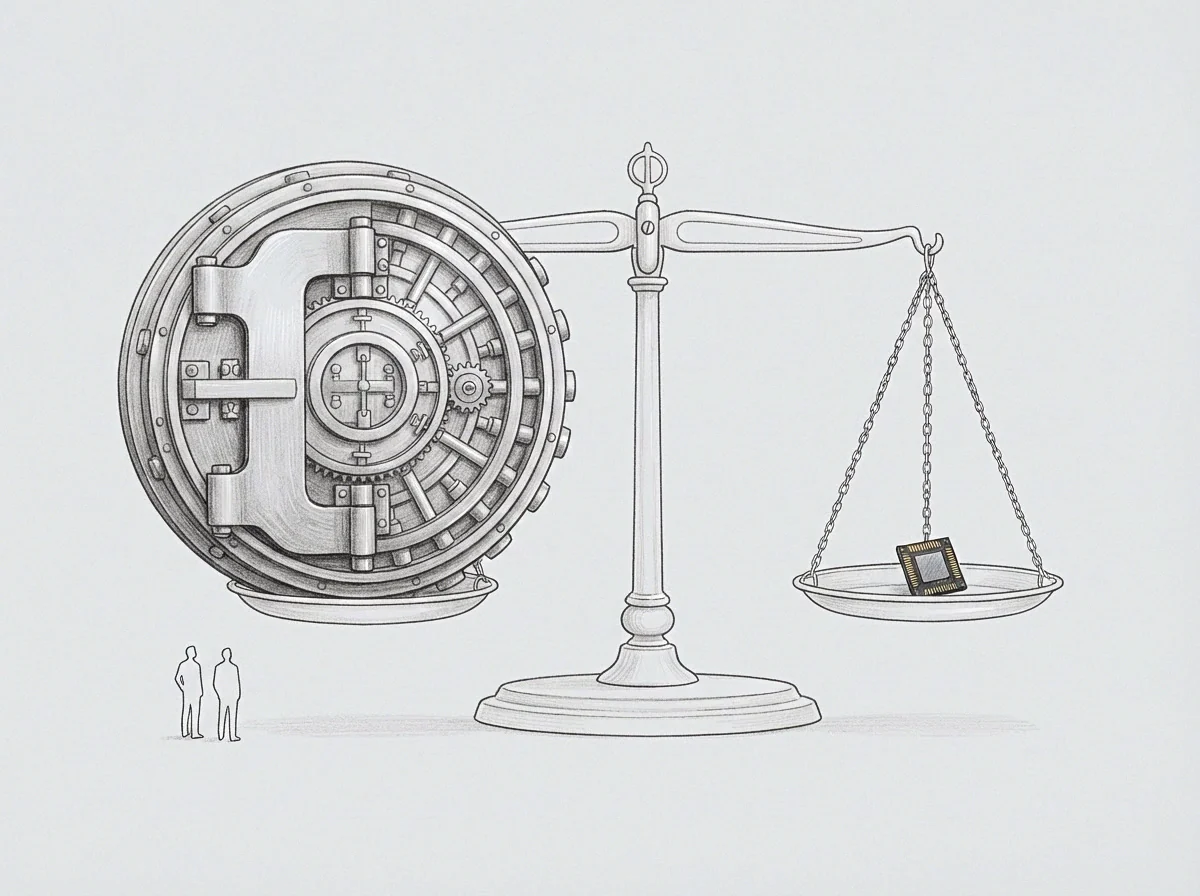
Throttling headcount expansion installs structural latency into corporate growth, preserving the executive cognitive reserves required for strategic solvency.

Borrowed calm functions as an unpriced physiological transfer where leaders absorb metabolic stress for surrounding teams until neural exhaustion forces throttling.

Undemanding shared physical space resets relational working models by providing social baseline proximity that reduces threat vigilance without interactive demands.

Continuous asynchronous decision queues saturate working memory slots, elevating allostatic load and throttling executive throughput.
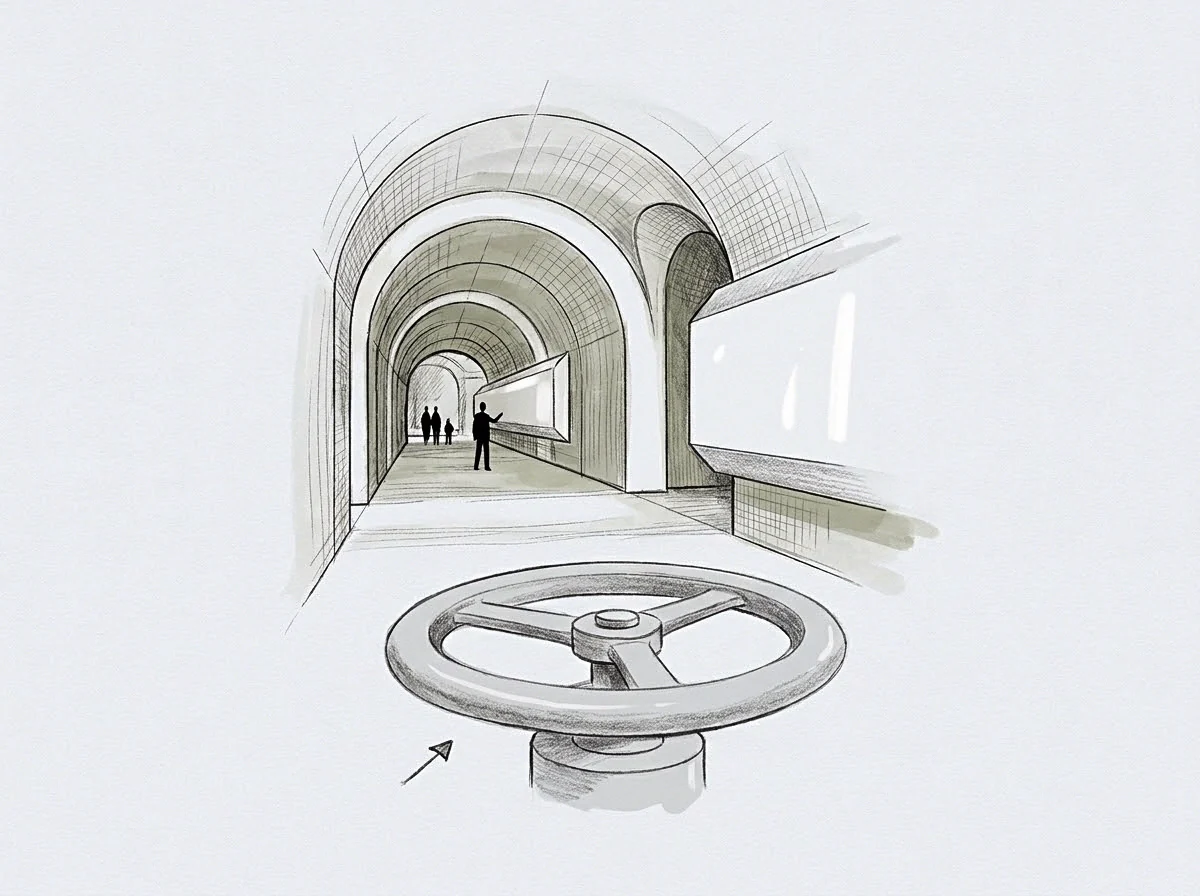
Multi-partner leadership roles increase allostatic wear when ungated operational loops exceed neural concurrency limits, forcing physiological throttling.

Continuous concurrency push past allostatic capacity forces structural load transfer from personal nervous system regulation to explicit architectural terms.

Enterprise co-regulation preserves executive capacity by distributing regulatory strain across structured partner boundaries and gating open operational loops.

A stated contract term transforms personal boundary defense into an objective barrier, while silence forces counterparties to derive availability from cost.
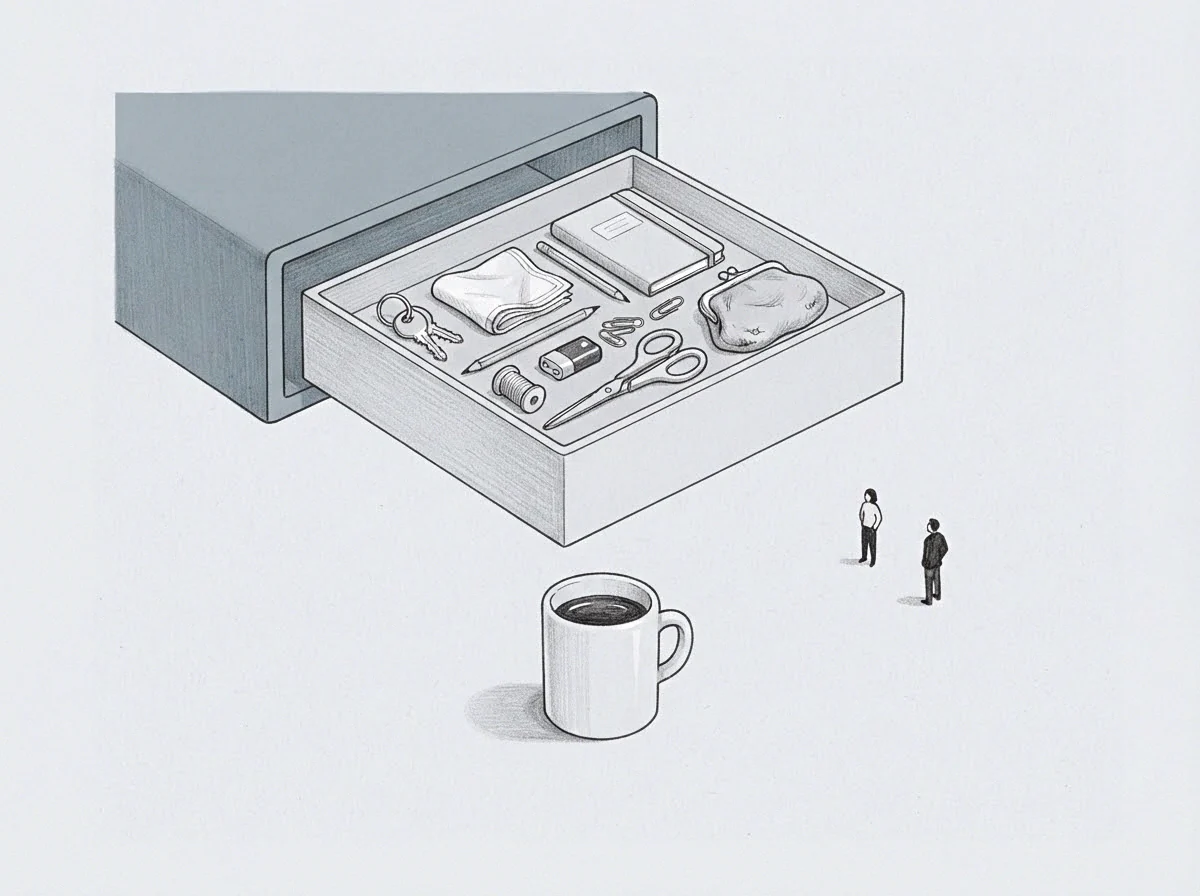
Executive allostatic load rises as ungated loops accumulate, triggering cognitive throttling as a biological defense to protect core regulatory capacity.
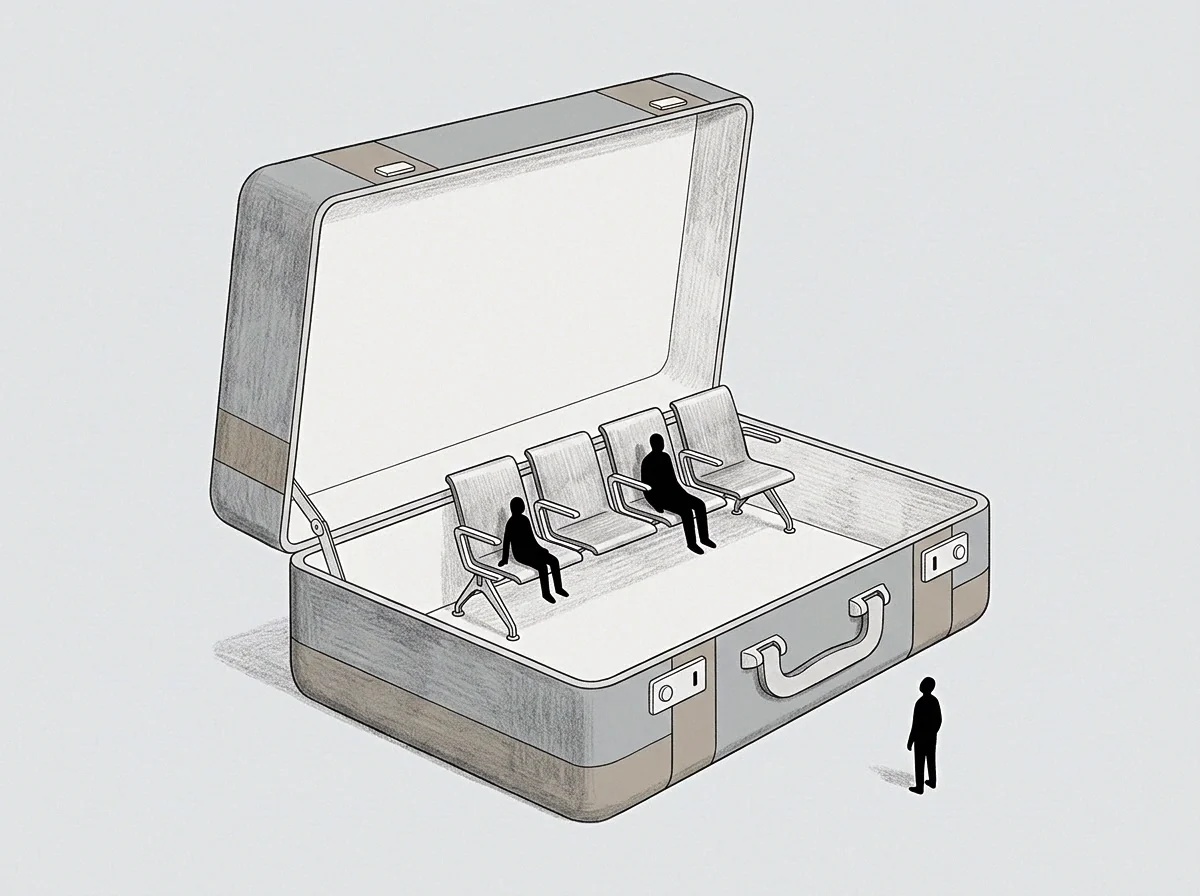
Sustained secondary partner co-presence fails to lower long-term baseline allostatic load when primary internal working models lack functional receptor slots for borrowed regulation.
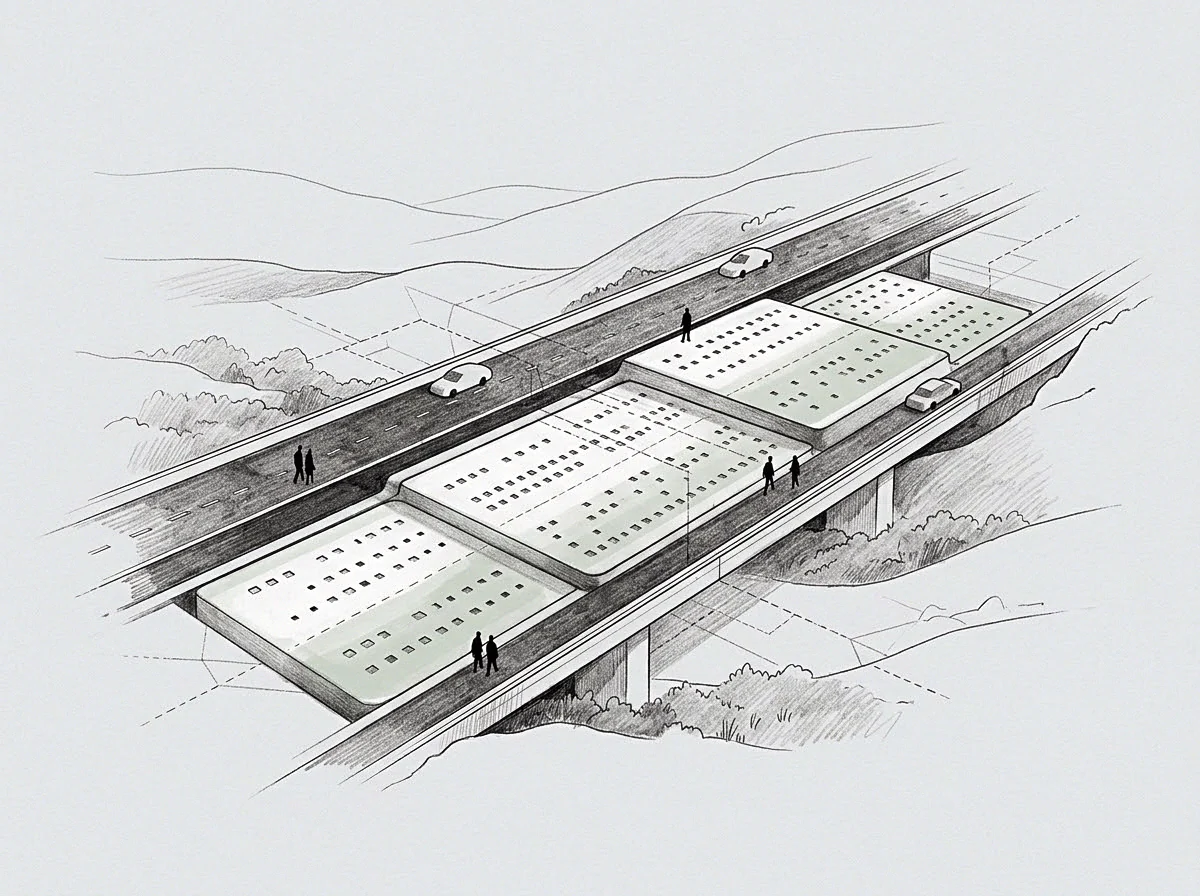
The brain budgets baseline regulation assuming social proximity, making isolated self-regulation a costly metabolic mode for operators under stress.
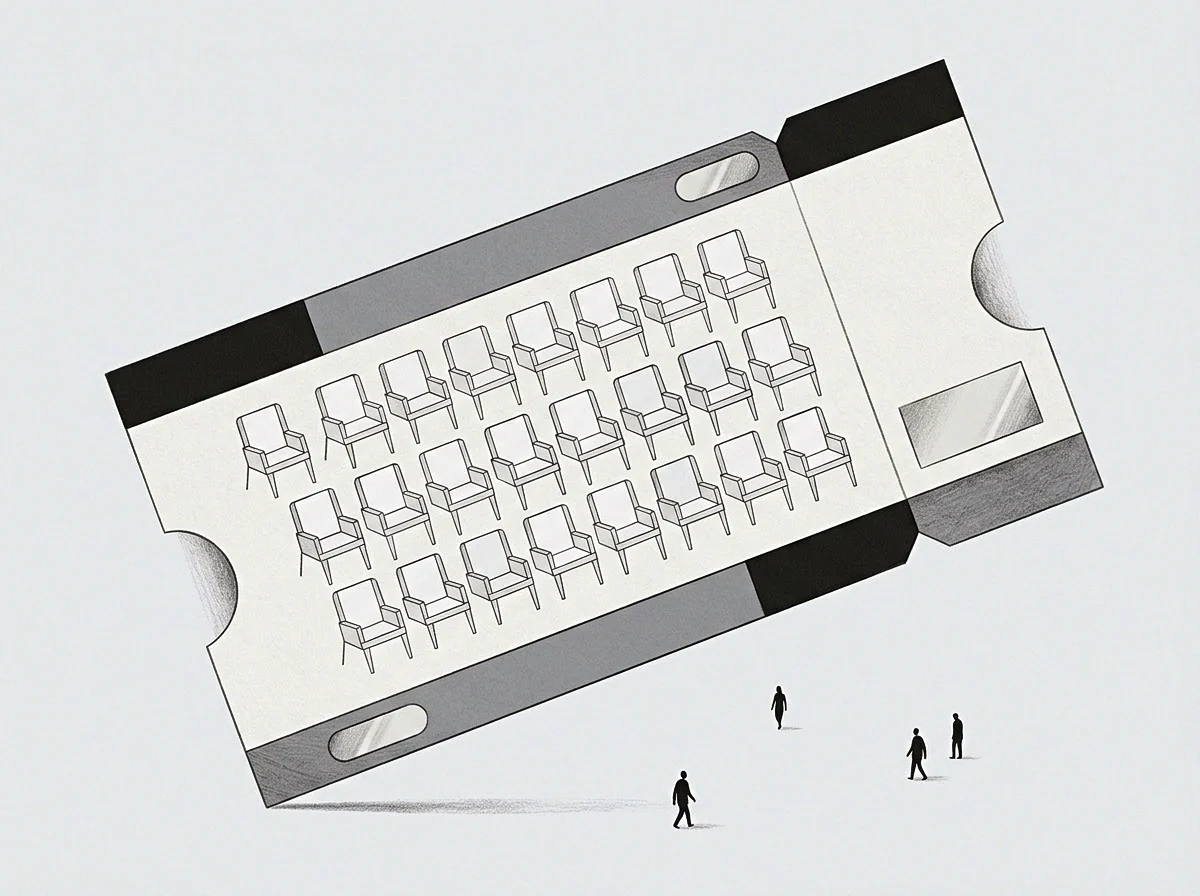
Operational leadership seats break when unmetered concurrency converts organizational coordination friction directly into biological wear.

Protracted unassisted operational strain recalibrates autonomic templates toward solitary defense, shutting down relational down-regulation receptors.
The terms are written where they belong. Each field holds three desks, and every entry a desk writes raises the terms it uses, each term given a meaning, a mechanism and the places it appears. The record on these pages stays first person and hand made; the fields grow the nomenclature.