
Structural Regulatory Gates For Preventing Endocrine Exhaustion In Leaders
Unmetered operational demands trigger endocrine exhaustion, which structural gates mitigate by bounding concurrency and preserving biological capacity.

Ceiling
Four messaging channels remain active past midnight while three department heads await guidance on unresolved capital allocations. The person sitting in the executive seat maintains a calm exterior, answering queries within minutes and synthesizing risk reports for the board. Internal physiological systems operate under continuous stimulation without returning to autonomic baseline.
Autonomic recovery normally occurs during sleep and unstructured downtime. Sustained demand prevents sympathetic downregulation, driving the hypothalamic-pituitary-adrenal axis to secrete cortisol beyond typical diurnal patterns. High baseline cortisol eventually flattens the diurnal curve, suppressing morning spikes and elevating evening levels.
Baseline heart rate variability decreases rapidly. This biological pattern marks the accumulation of allostatic load, defined as the cumulative physiological wear resulting from chronic stress exposure.
Operational environments often confuse chronic physiological mobilization with personal resilience. Executive roles demand ongoing social coregulation, where leaders absorb organizational anxiety to preserve team stability. Absorbing anxiety requires active neural and hormonal regulation.
Cortisol synthesis requires steroid precursor molecules. Prolonged synthesis depletes adrenal headroom, altering systemic tissue sensitivity to glucocorticoids. Immune function drops while systemic vascular tone rises.
The organ systems supporting cognitive clarity experience progressive fatigue. Executive capacity depends entirely on these underlying metabolic substrates.
Executive capacity degrades predictably when physiological recovery windows are systematically eliminated by continuous organizational demand.

Endocrine Wear Under Continuous Demand
Adrenal signaling follows strict chemical constraints that govern cellular metabolic output. When cognitive demand remains elevated for consecutive months, the adrenal cortex undergoes functional alteration. Glucocorticoid receptor resistance develops in peripheral tissues and brain regions responsible for executive control.
The prefrontal cortex loses structural synaptic density under sustained elevated glucocorticoid exposure. Attention spans contract to immediate operational threats while long-term strategic synthesis becomes taxing. Unresolved queries consume cognitive processing capacity.
System capacity drops under unmetered access. The biological reserve exhausts quite quickly.
Measurement of this state relies on objective physiological markers rather than subjective self-reporting. Salivary cortisol sampling across four daily time points reveals a flattened diurnal profile in affected individuals. Heart rate variability tracking shows suppressed parasympathetic tone during sleep cycles.
Blood chemistry demonstrates elevated high-sensitivity C-reactive protein alongside altered fasting glucose regulation. A specific finding in neuroendocrine literature demonstrates that prolonged elevated cortisol correlates directly with volume reduction in the hippocampus; this finding rests on serial magnetic resonance imaging across chronic stress cohorts and would be altered if prospective studies establish that neurogenesis protocols reverse volume loss independent of adrenal recovery. Biological exhaustion occurs independently of mental commitment or professional drive.

The Allostatic Threshold in Executive Seats
Organizational structures frequently push leaders past their physiological threshold by mistaking structural availability for operational effectiveness. Continuous responsiveness generates an unsustainable debt within the endocrine system. The internal biological reserve eventually reaches zero, forcing the body to restrict non-essential metabolic functions.
- Autonomic Hyperarousal State characterized by persistent sympathetic activation, elevated resting heart rate, and an inability to achieve deep restorative slow-wave sleep.
- Adrenal Signaling Suppression marked by low morning cortisol output, persistent systemic lethargy, and reliance on exogenous stimulants to initiate daily operational tasks.
- Cognitive Processing Saturation manifesting as reduced working memory capacity, delayed analytical synthesis, and an inability to process multi-variable risk models efficiently.
- Immune Homeostasis Breakdown demonstrated by frequent low-grade systemic inflammation, recurrent opportunistic infections, and prolonged physical recovery times from minor stressors.
Ignoring physiological upper bounds leads directly to sudden systemic collapse across cognitive and metabolic functions.
Throttle
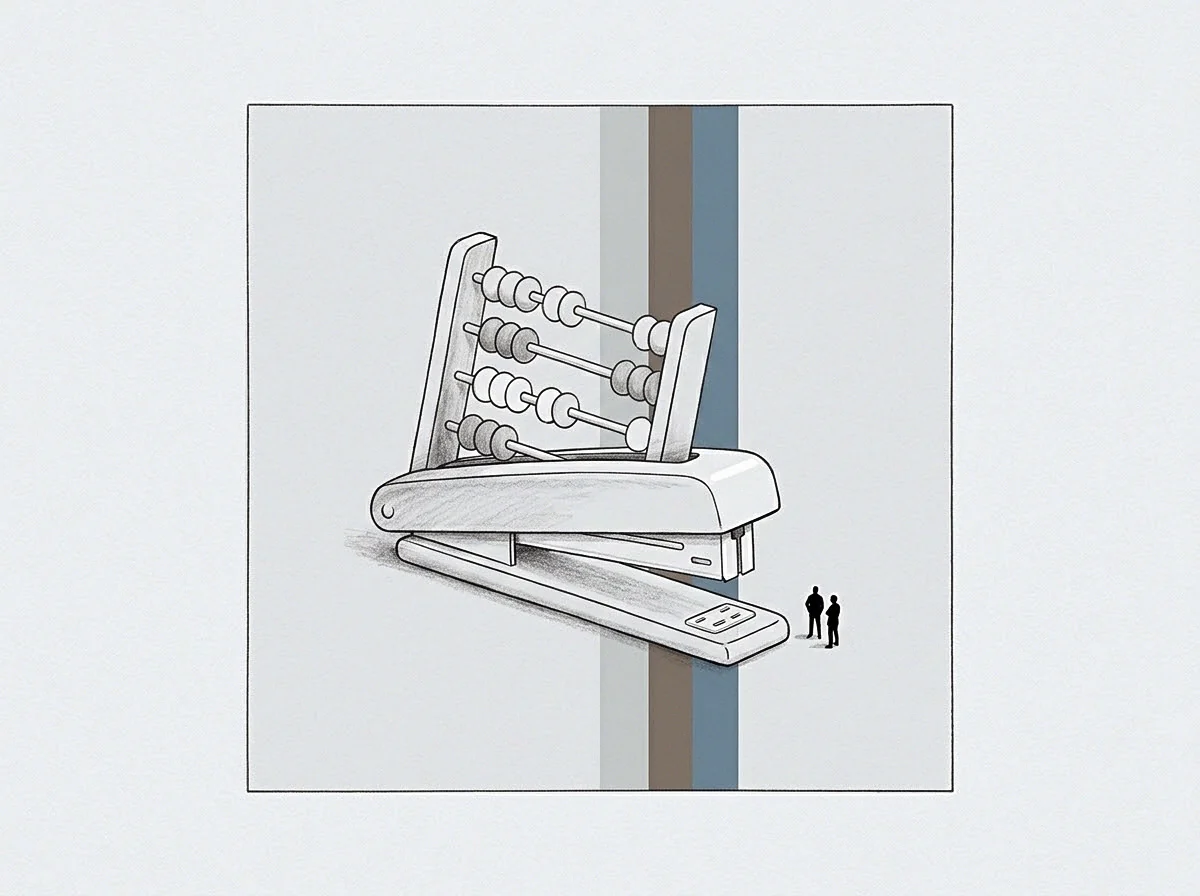
Systemic shutdown manifests as a drastic reduction in optional cognitive output rather than complete functional cessation. An individual experiencing physiological exhaustion continues executing routine, highly learned operational tasks while halting strategic synthesis, creative problem-solving, and non-essential communication. Subordinate teams misread systemic biological wear.
Board members often interpret this energy-preserving state as loss of commitment or professional negligence. Throttling preserves basic autonomic brainstem functions. The body automatically deprioritizes non-survival expenditures when metabolic reserves vanish.
This biological protective mechanism shields organ systems from permanent structural damage.
Distinguishing physiological throttling from clinical mood disorders requires clear operational criteria. Throttling represents an adaptive neuroendocrine down-regulation in response to chronic unmetered demand. Clinical depression involves widespread affective distortion, pervasive helplessness, and anhedonia across both professional and personal contexts.
An individual in a throttled state retains emotional alignment and strategic clarity but lacks the biochemical substrate to execute high-energy interventions. The biological reserve remains depleted. Execution of routine tasks continues systematically.
Throttling acts as an automatic biological circuit breaker that limits energy expenditure to prevent total physiological breakdown.

What Distinguishes Throttling From Clinical Depression?
Diagnostic confusion between metabolic exhaustion and psychiatric conditions leads to ineffective intervention strategies. Treating a throttled leader with traditional behavioral activation often increases allostatic load by demanding energy the endocrine system cannot produce. Physiological assessment separates these states cleanly.
Throttling resolves when external regulatory demand is systematically removed and biological sleep architecture is restored. Clinical depression typically persists despite reductions in external workload.
Consider an operational scenario involving two senior partners managing a complex corporate restructuring across eighteen months. Assume both partners work eighty hours per week under identical financial stakes. One partner exhibits classic depressive symptoms, expressing existential futility and withdrawing from basic personal relationships.
The second partner maintains personal relationships and clear strategic baseline values, yet suddenly stops answering non-urgent emails, declines optional board meetings, and refuses to initiate new project streams. The second partner is not suffering from clinical depression; their neuroendocrine system has engaged an protective throttle to preserve core life functions. Forcing the second partner back into full availability accelerates adrenal decompensation.

Observable Markers of Regulatory Exhaustion
Recognizing the onset of biological throttling allows organizations to adjust operational demands before complete collapse occurs. The transition from active regulation to protective throttling follows clear behavioral shifts. Leaders shift from proactive communication to passive reactivity.
They strictly enforce existing protocols while rejecting novel proposals that demand cognitive evaluation. Open loops create continuous background vigilance. The biological baseline degrades.
The executive appears disengaged and unmotivated during strategic reviews despite previous years of exceptional performance.
Filter
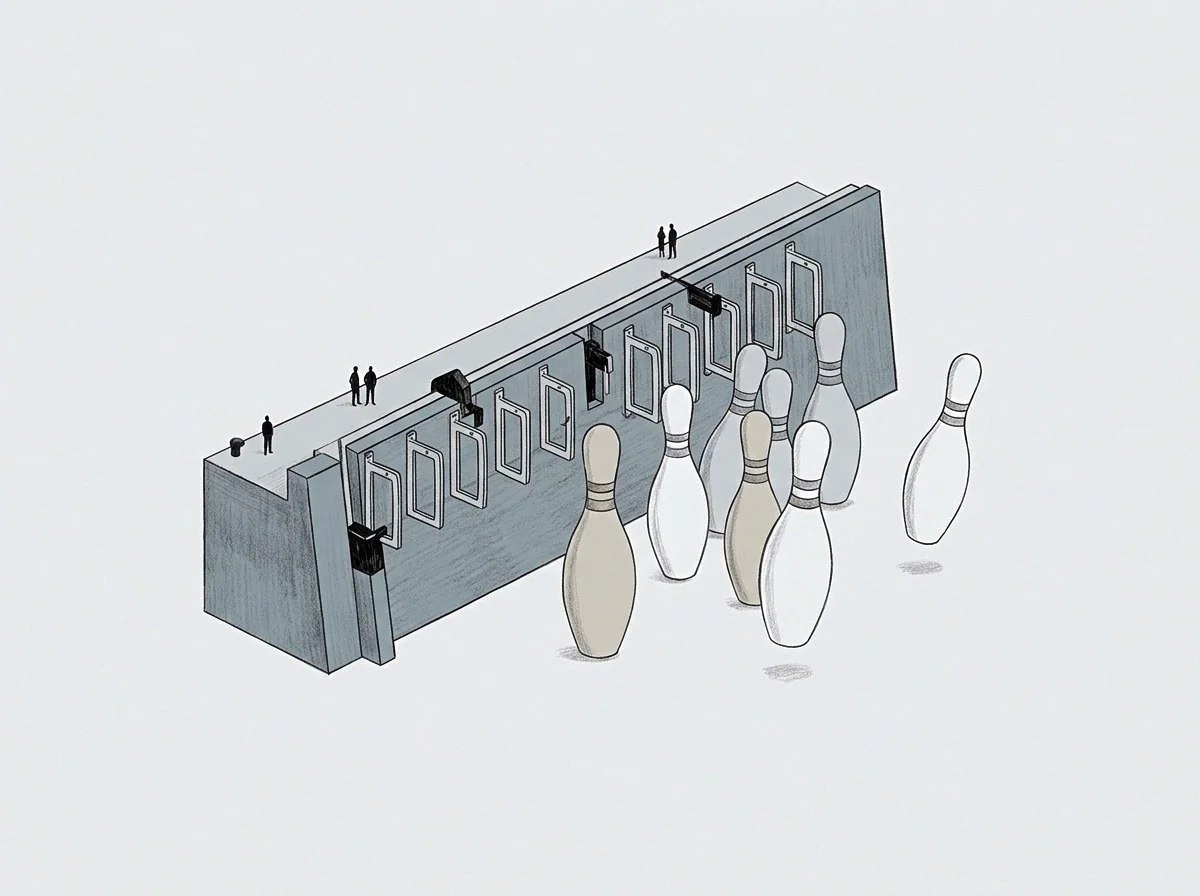
Unrestricted access to an executive creates an unmetered draw on their finite regulatory capacity. Every incoming message, unexpected decision request, and unscheduled conversation requires cognitive evaluation and emotional regulation. Open communication policies eliminate protective boundaries, exposing the leader to continuous context switching.
The switching cost of holding several open loops simultaneously drains cognitive energy faster than dedicated execution. A thread with clear scope, deadline, and terms costs minimal regulatory capacity. An open, ambiguous query consumes a continuous allocation of processing headroom until resolved.
Structural gates act as regulatory buffers between incoming operational noise and the leader’s cognitive architecture. Filtering mechanisms categorize incoming demands based on urgency, complexity, and required authority before they reach the executive seat. Delegation firewalls ensure that lower-level operational decisions resolve at the perimeter of the executive office.
The seat holds fixed biological limits. Effective filtering protects the leader’s internal reserve from unnecessary depletion.
In large industrial operations, safety control valves prevent pressure spikes from destroying physical piping infrastructure. Corporate management structures require identical isolation mechanisms to protect executive health. Directing all operational queries through an unbuffered executive channel guarantees systemic failure under crisis conditions.
| Evaluation Dimension | Open Accessibility Model | Structural Gated Model |
|---|---|---|
| Concurrency Count | Unbounded incoming streams (20-50 open loops) | Strictly capped streams (3-5 active loops) |
| Allostatic Load Rate | Continuous high cortisol elevation | Pulsatile, baseline-returning cortisol curve |
| Processing Latency | Rapid reactive responses with high error rate | Batch-processed responses with high accuracy |
| Recovery Headroom | Near zero during operational hours | Protected daily parasympathetic windows |
Enforcing strict structural gates around communication channels reduces ungated operational loops and preserves critical cognitive capacity.
Concurrency Bounds and Thread Cost
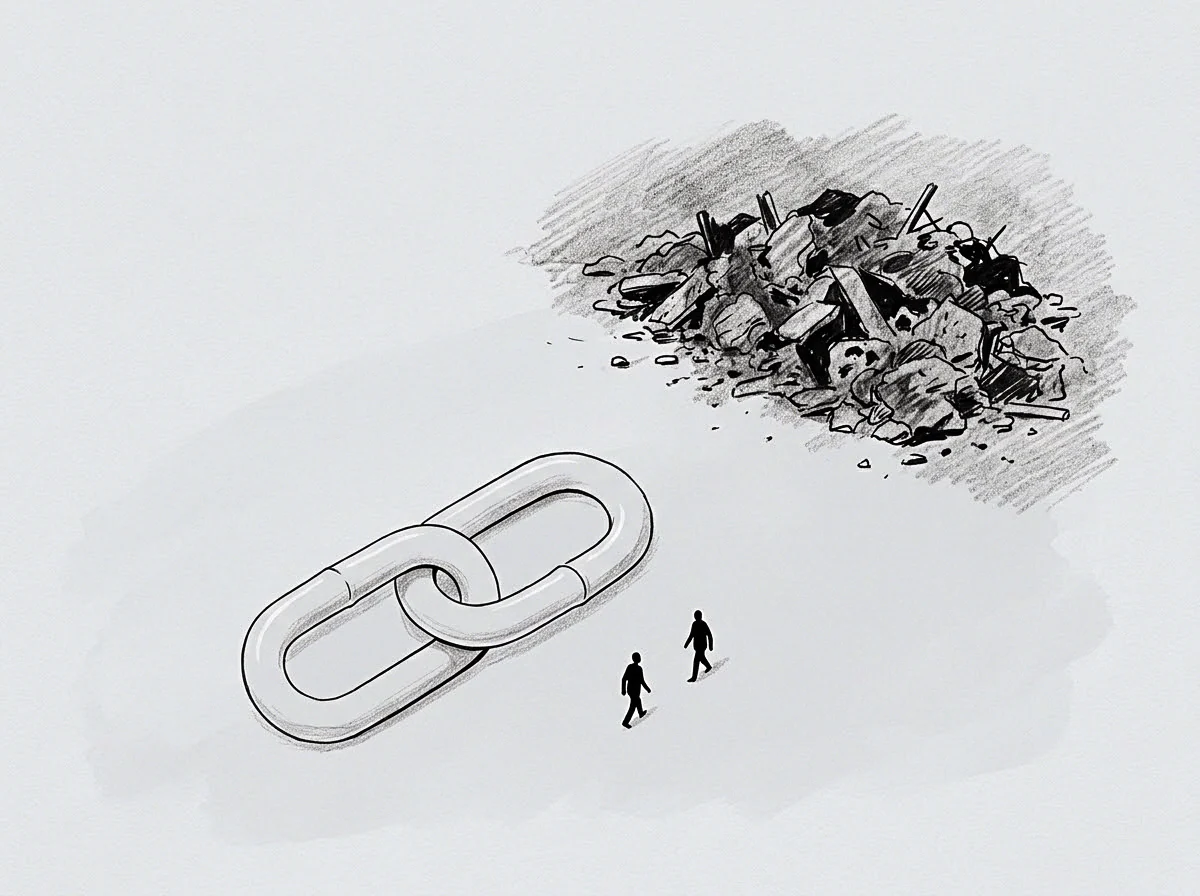
Human cognitive architecture imposes strict limits on the number of complex operational tasks an individual can process simultaneously. Holding multiple open decisions in active working memory creates continuous background neural activity. This background strain accelerates metabolic energy consumption in prefrontal networks.
Bounding operational concurrency involves establishing explicit limits on active project streams. Projects exceeding the concurrency limit remain in a queued state until an active stream closes.
A finding in cognitive ergonomics demonstrates that multitasking increases cortisol secretion by up to fifty percent compared to sequential task completion; this finding rests on laboratory stress testing during task-switching protocols and would be challenged if real-world longitudinal data showed habituation effects in senior executives. Setting a hard cap of four active strategic initiatives prevents cognitive saturation. One slot freed restores physiological headroom.
The organization gains operational clarity while the leader preserves biological capacity.

Structural Isolation of Open Communication Loops
Communication protocols must shift from real-time reactive messaging to asynchronous batch processing. Instant messaging platforms create an environment of continuous micro-interruptions that prevent deep focus and autonomic recovery. Structural isolation requires establishing explicit access windows and designated intermediaries.
Direct executive access is restricted to verified operational emergencies that meet pre-defined criteria.
Consider a tech company operator managing fifty direct reports without an intermediate management layer. Assume the operator receives an average of two hundred messaging notifications daily across multiple platforms. Every notification triggers a brief spike in sympathetic nervous system activity, elevating heart rate and blood pressure.
By inserting an executive assistant filter and converting real-time chat into twice-daily asynchronous briefing documents, the operator reduces daily micro-interruptions by ninety percent. The total workload remains identical, but the physiological strain drops significantly.
Executing a formal communication SLA that restricts direct messaging access to designated operational hours transforms unmetered availability into a controlled, batched resource.

Clock
Biological systems rely on strict temporal rhythms to synchronize metabolic and hormonal processes. Circadian biology dictates that cortisol peaks shortly after waking and reaches its lowest point around midnight. Continuous operational demands disrupt these natural hormonal fluctuations.
Late-night decision-making, international travel across time zones, and irregular work hours suppress nighttime melatonin release while keeping evening cortisol high. Nighttime cortisol elevation prevents parasympathetic nervous system dominance during sleep, blocking deep physical repair cycles. Latency protects parasympathetic recovery cycles.
Temporal gating enforces non-negotiable boundaries around restorative biological windows. Establishing hard stop times for daily work activities permits the neuroendocrine system to down-regulate before sleep onset. Restricting operational communications during night hours protects sleep architecture, ensuring adequate slow-wave and rapid-eye-movement sleep.
Biological restoration cannot occur without uninterrupted temporal blocks reserved exclusively for recovery.
Protecting fixed nighttime temporal windows allows nocturnal cortisol suppression and restores baseline parasympathetic tone.

Circadian Synchronization of Decision Windows
Cognitive performance fluctuates naturally throughout the day in alignment with circadian hormonal peaks. High-stakes strategic decisions require peak executive function, which typically occurs during the mid-morning cortisol peak. Complex multi-variable analyses yield optimal results when scheduled within these natural alertness windows.
Low-energy administrative tasks, routine approvals, and passive updates align better with afternoon cognitive lulls. Matching task difficulty to circadian capacity minimizes total metabolic strain.
Decision quality degrades after eight hours of continuous cognitive exertion. Forcing critical strategic choices into late evening hours increases error rates and emotional volatility. Structuring the executive calendar around natural physiological peaks maximizes output quality while minimizing the biological cost required to achieve that output.
Temporal Disconnection Protocols
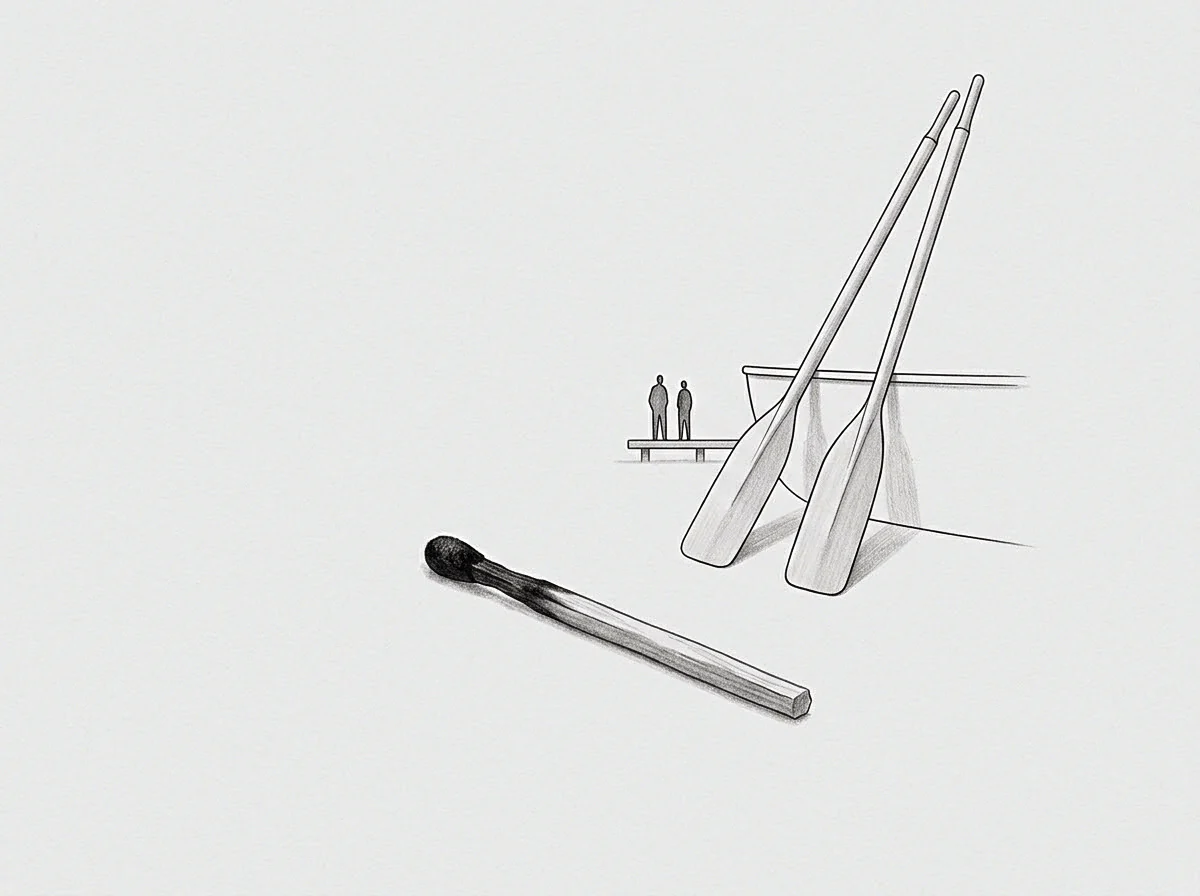
Implementing non-negotiable temporal boundaries requires clear organizational protocols that run independently of individual willpower. Relying on personal discipline to step away from work during periods of high stress usually fails. Systemic rules must enforce disconnection automatically.
- Establish a daily operational deadline past which all outbound communication from executive seats strictly ceases.
- Implement automated email queues that hold internal messages sent after business hours until the following morning.
- Designate rotating weekend emergency contacts among senior leadership to ensure no single individual remains continuously on call.
- Schedule mandatory quarterly disconnect weeks where executive access is fully transferred to designated deputies.
Maintaining uninterrupted nighttime recovery blocks ensures long-term endocrine stability across executive teams.

Wall
Long-term protection of leadership capacity requires hard governance controls built directly into organizational structures. Relying solely on individual self-regulation or informal agreements provides insufficient defense against continuous operational pressure. When crisis situations emerge, informal limits quickly collapse under organizational urgency.
Governance walls establish legally and structurally binding limits on executive availability, workload, and authority boundaries. These structural limiters safeguard executive health as an essential institutional asset.
Delegation firewalls isolate senior leaders from routine operational friction, transferring decision rights to lower management tiers. Mandatory redundancy protocols ensure that deputy executives hold active authority to step into primary seats instantly. This structural redundancy allows primary leaders to take extended recovery leaves without risking organizational stability.
Building structural resilience into executive seats protects both the individual and the enterprise from single-point-of-failure vulnerabilities.

Governance Enclosure of Regulatory Capacity
Board-level oversight must incorporate physiological risk management into standard corporate governance frameworks. Executive compensation and performance evaluations should reflect long-term sustainability alongside short-term financial targets. Boards must actively monitor executive workload, forced leave compliance, and communication boundaries.
Treating executive endocrine exhaustion as a material governance risk encourages proactive structural interventions.
A claim exists within executive search sectors that absolute, unbuffered leader availability is necessary for venture-backed hypergrowth companies. This desk cannot fully defend this claim, as comparative cross-industry longevity data remains sparse; under this uncertainty, prudent boards implement explicit capacity caps while monitoring operational throughput to verify that structural boundaries enhance overall enterprise value.

Contractual Availability Thresholds
Employment agreements for high-demand executive seats should explicitly define maximum operational load parameters and mandatory recovery periods. Contractual terms must specify maximum direct report counts, bounded travel schedules, and guaranteed offline windows. Stating clear limits within formal contracts transforms wellness concepts into enforceable structural rights.
Consider an operational arrangement where a chief executive contractually mandates a maximum of five direct reports and limits business travel to one week per month. If organizational growth demands expanding the management team, the governance structure automatically triggers the creation of an intermediate chief operating officer seat to absorb direct reporting lines. The contractual limit forces structural organizational evolution rather than overloading the chief executive’s biological capacity.
How might corporate governance models evolve if board members were held directly accountable for neuroendocrine exhaustion occurring within their executive ranks?