
Structural Redesign Of Single Point Leadership Seats To Prevent Neuroendocrine Collapse
Structural redesign divides unilateral leadership liability across autonomous jurisdictions to restore endocrine down-regulation and prevent executive collapse.
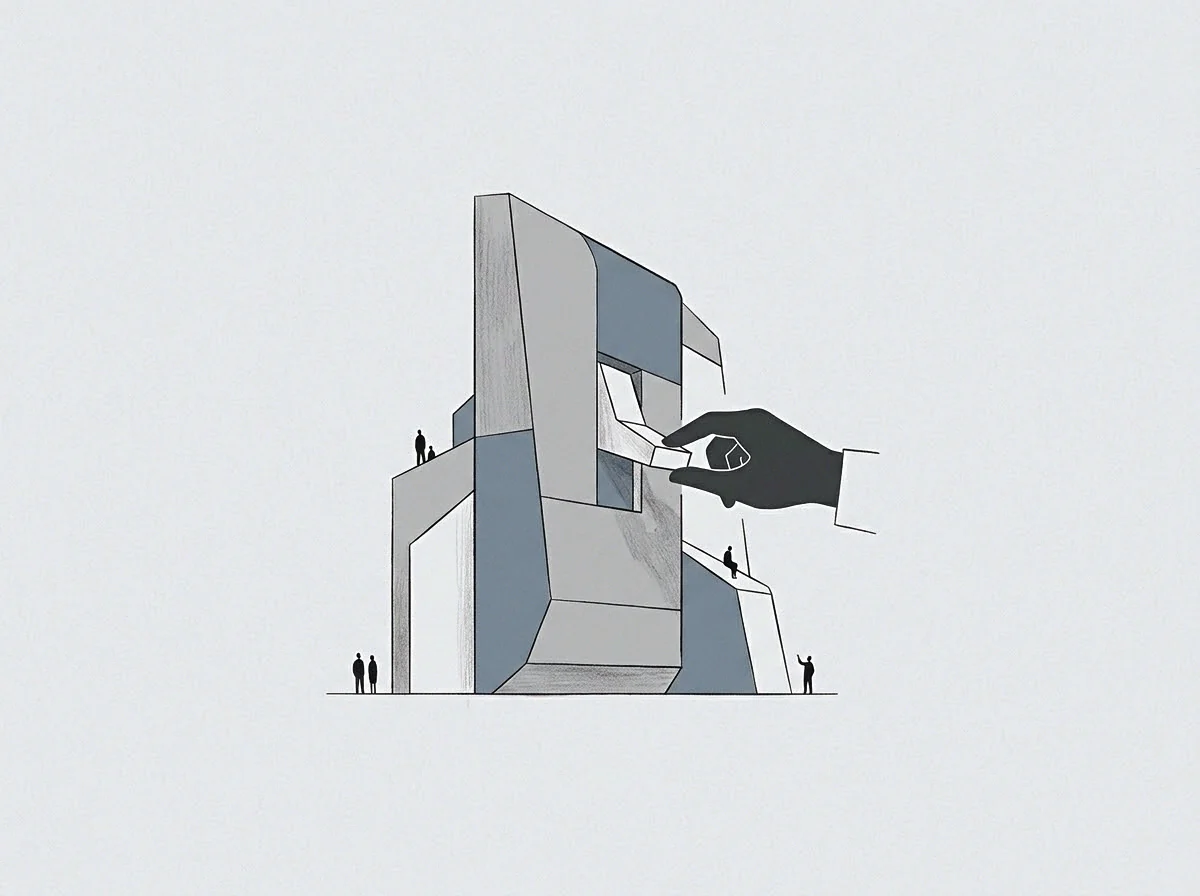
Desk
Four communication channels remain active at midnight, carrying forty-two unresolved escalations that wait for unilateral confirmation. The physical body sitting before the screen exhibits a resting pulse eighteen beats above baseline, a blunted morning cortisol awakening response, and persistent sympathetic tone that persists through sleep. This state arrives when an enterprise concentrates absolute fiduciary liability, operational arbitration, and strategic defense inside a solitary human nervous system.
Stress physiology defines allostatic load as the cumulative physiological cost of continuous regulatory demand. When an organization channels every existential ambiguity to a single executive seat, that seat operates without neuroendocrine down-regulation intervals. The adrenomedullary system releases catecholamines continuously, while the hypothalamic-pituitary-adrenal axis maintains elevated circulation of glucocorticoids to sustain continuous vigilance.
A biological system exposed to unceasing threat appraisal maintains endocrine activation until peripheral tissue sensitivity degrades.
Executive structures designed around a solitary chief officer assume that human physiological capacity expands to match organizational complexity. That assumption fails under physiological measurement. Chronic regulatory activation produces structural changes in the prefrontal cortex, degrading working memory, cognitive flexibility, and risk assessment accuracy.
The solitary occupant continues to make determinations while operating under diminished neural processing capacity.
Sustained overproduction of systemic cortisol eventually induces glucocorticoid receptor down-regulation. The system then fails to terminate its own stress response, generating a state where basic operational stimuli provoke profound systemic inflammation, sleep architecture destruction, and severe autonomic exhaustion.
Unrelenting single-point governance exposes the enterprise to sudden institutional paralysis when its solitary decision node suffers vascular or endocrine collapse.

Intake
Information flows into a central executive node through unsorted streams, creating an unmanageable volume of concurrent open loops. A single leader attempting to arbitrate product direction, capital allocation, and personnel friction simultaneously exhausts cognitive capacity before midday. The brain treats every unresolved operational ambiguity as an active threat requiring vigilance.

Attentional Saturation Dynamics
Every incoming inquiry that lacks explicit decision parameters consumes an internal working memory register. When sixty ambiguous operational inquiries enter an executive office each week, that volume forces constant cognitive state shifts. Each shift imposes a metabolic penalty on prefrontal glycogen stores, accelerating physical fatigue.
The resulting operational pattern exhibits distinct degradation phases:
- Allostatic saturation forces the central decision maker into defensive triaging where short-term relief supersedes long-term capital preservation.
- Attentional fragmentation degrades analytical depth, producing erratic policy revisions that destabilize subordinate operational confidence.
- Neuroendocrine depletion manifests as flat emotional affect paired with profound physical inertia during basic operational handovers.
Organizations routinely misread this depletion as psychological depression or personal weakness. The state represents regulatory throttling, an adaptive biological defense mechanism wherein the brain curtails voluntary engagement to prevent catastrophic tissue exhaustion. Treating a throttled executive through conventional therapeutic reassurance fails because the structural intake architecture continues to dump unmediated operational ambiguity directly onto a spent nervous system.
Unfiltered communication channels convert an executive desk into an unbuffered shock absorber for organizational anxiety.
When intake lacks structural filtering, subordinate leaders escalate low-stakes disputes directly to the center to avoid personal responsibility. The solitary executive absorbs these escalations, trading personal neuroendocrine stability for temporary operational progress.
Whether an organization can establish intake friction without slowing administrative velocity remains an open operational dilemma.

Split
Preventing biological exhaustion requires dividing unilateral authority into legally distinct operational jurisdictions. The classical single-point executive model concentrates governance oversight, daily operational execution, and long-range capital distribution into one title. Dividing these mandates among multiple peers distributes neuroendocrine load across distinct biological nodes.
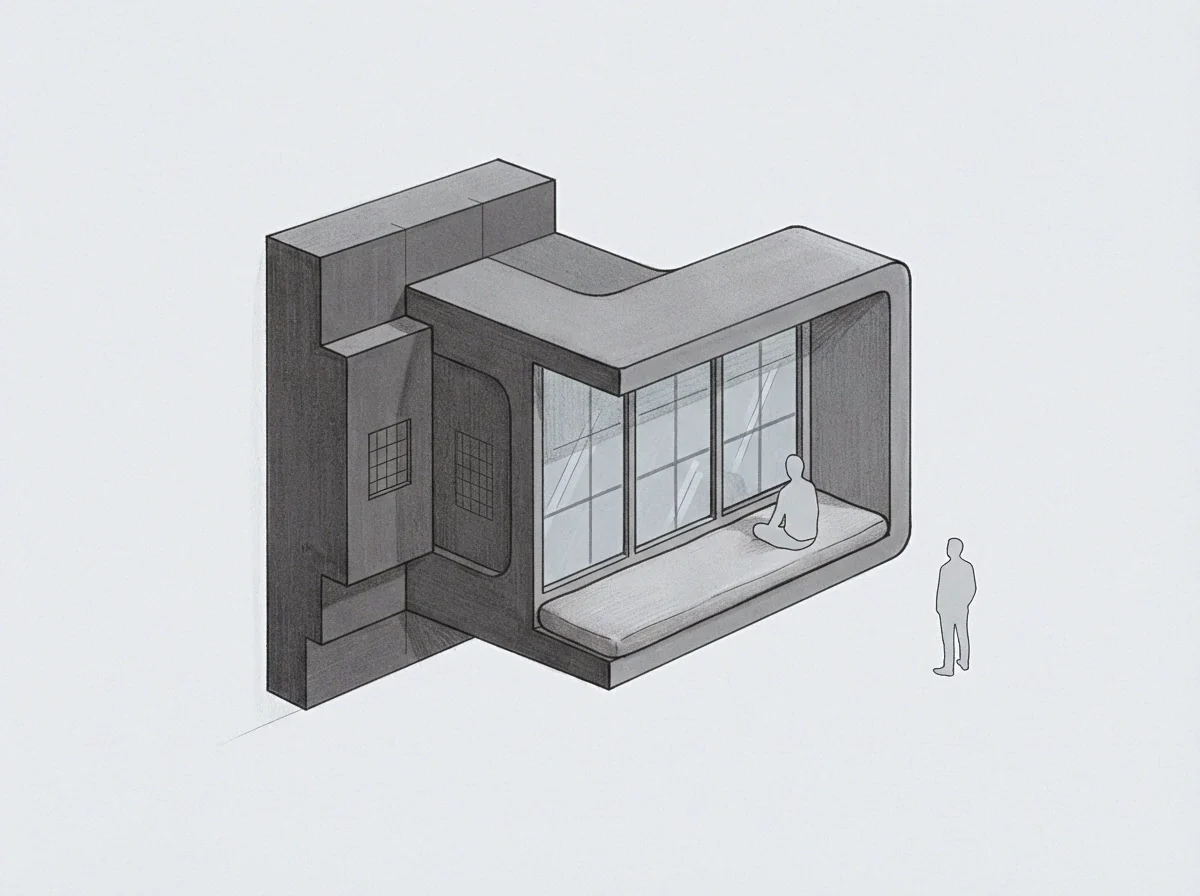
Which Authority Lines Divide Without Diluting Accountability?
Splitting executive power succeeds only when jurisdictional boundaries prevent overlap and eliminate shared ambiguity. Unclear boundaries create secondary coordination friction that demands even greater regulatory effort than unilateral command. An effective restructuring partitions organizational command into three autonomous spheres: fiduciary stewardship, operational command, and technical architecture.
| Operational Dimension | Single-Point Executive Seat | Dual-Jurisdiction Distributed Seat |
|---|---|---|
| Neuroendocrine Recovery Cycles | Interrupted continuously by emergency escalations | Protected through scheduled jurisdictional handoffs |
| Unilateral Fiduciary Exposure | Hundred percent concentrated on one nervous system | Partitioned legally between operational and capital stewards |
| Concurrent Open Loops | Unlimited incoming operational volume | Filtered strictly by jurisdictional domain mandates |
| Crisis Decision Latency | Degrades as cognitive exhaustion accumulates | Remains stable through distributed cognitive headroom |
| Institutional Succession Resilience | Zero redundancy creates catastrophic key-person risk | Continuous co-governance ensures operational continuity |
Under a distributed model, the operational leader holds absolute authority over internal delivery timelines, vendor commitments, and organizational staffing. That leader carries no responsibility for fundraising, board governance, or long-range corporate capitalization. Conversely, the fiduciary steward manages capital allocation, investor relations, and external enterprise positioning while possessing zero command over internal operational queues.
Separating these mandates removes the neuroendocrine contradiction of managing daily operational harmony while simultaneously defending existential balance sheets. The human brain cannot easily shift between ruthless financial triage and empathetic organizational mediation within the span of fifteen minutes.
A corporate charter amendment transferring binding unilateral expenditure approval above fifty thousand dollars from an individual officer to an executive council of three immediately eliminates solitary balance sheet terror.
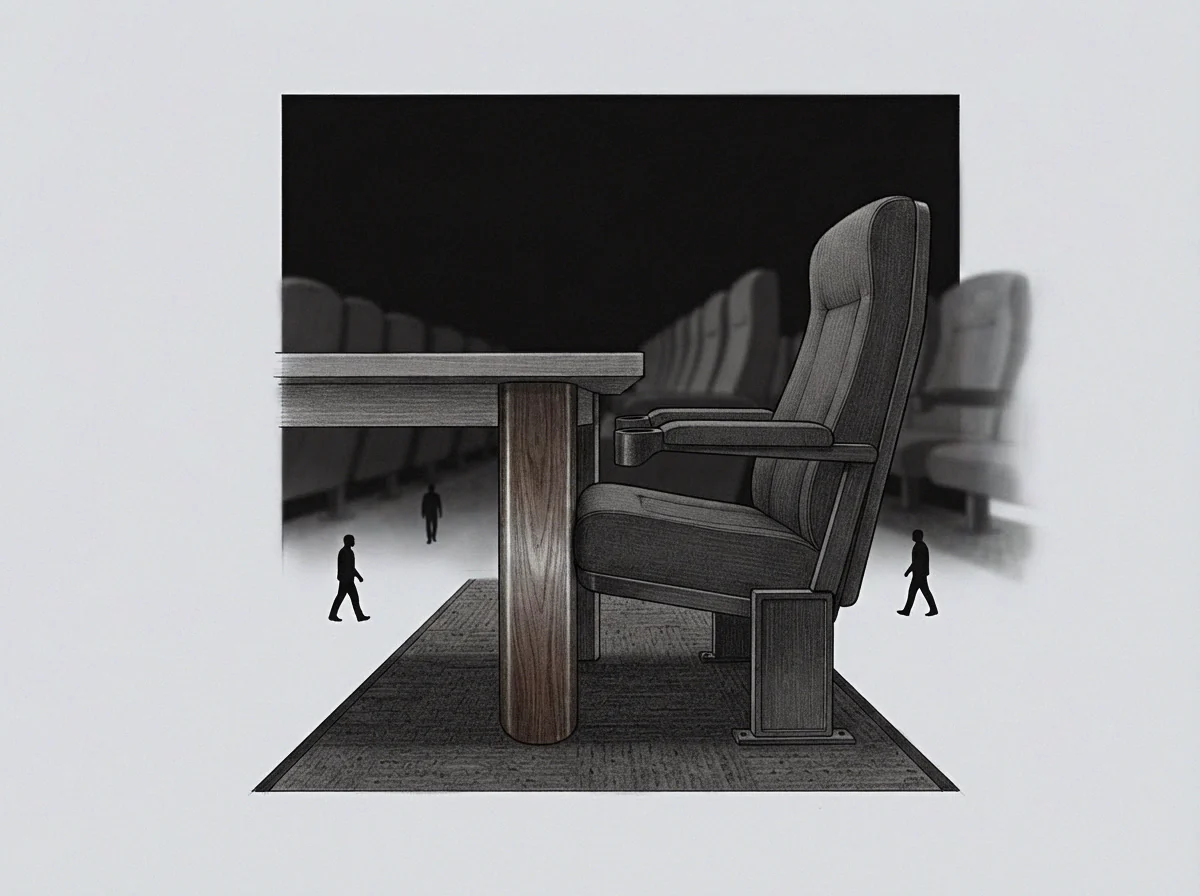
Wall
Structural division fails if operational communications bypass established boundaries. Organizations require physical and protocol-driven barriers that shield distributed leadership nodes from unmediated escalation. A structural barrier isolates decision-making seats from continuous ambient organizational chatter.
Asynchronous operational handshakes replace real-time digital messaging as the primary governance medium. When an urgent escalation occurs, structured intake protocols require written problem definitions, pre-cleared policy alternatives, and stated risk trade-offs before an executive reviews the file. This procedure eliminates instantaneous emotional contagion between operational teams and executive leadership.
A mandate stated without an enforcement firewall transfers organizational chaos directly to executive biology.
Shielding leadership seats relies on specific governance mechanisms:
- Jurisdictional quarantine restricts incoming operational escalations to designated operational hours, preventing nocturnal sympathetic nervous system arousal.
- Batch arbitration windows consolidate executive decision cycles into two weekly blocks, preserving contiguous neural recovery intervals.
- Autonomous expenditure thresholds authorize secondary leaders to resolve operational bottlenecks without seeking centralized confirmation.
Establishing these firewalls introduces short-term operational delay for minor matters while preserving cognitive bandwidth for existential strategic choices. The nervous system recovers its baseline circadian rhythm once unannounced midnight escalations disappear entirely from daily executive experience.
True institutional resilience lives in the structural buffers erected between organizational turbulence and human biology.
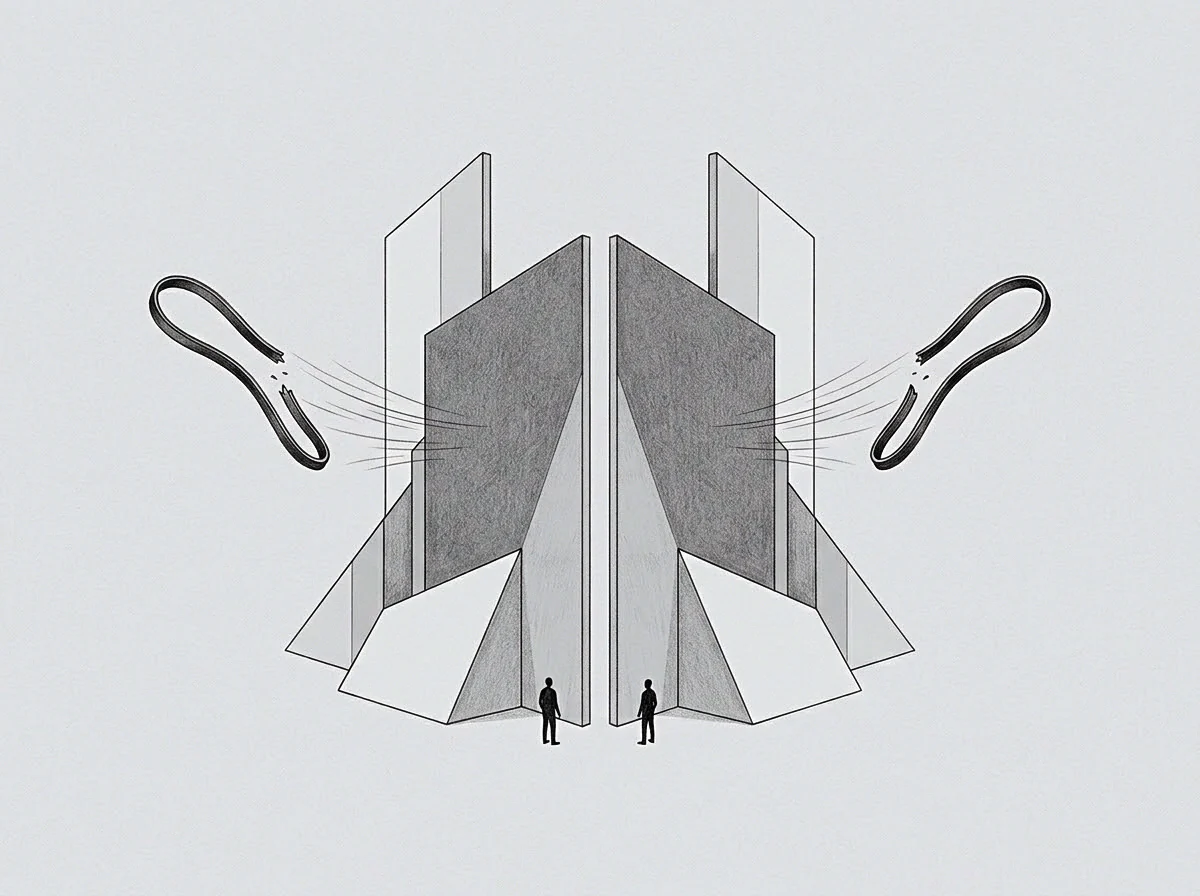
Friction
Redistributing concentrated authority provokes intense institutional resistance from investors, board directors, and subordinate managers who rely on single-point leadership for frictionless decisions. External counterparties prefer a solitary figurehead who carries unmitigated liability because a single point of failure provides simple contractual recourse. Dismantling that arrangement demands continuous defense of the redesigned governance model.
A founder attempting to step out of a single-point seat frequently encounters profound internal identity resistance. The nervous system becomes acclimated to chronic neurochemical arousal, interpreting the absence of acute emergency management as obsolescence or loss of control. Subordinate teams also resist distributed governance, attempting to bypass established jurisdictional firewalls to seek informal unilateral approvals from the historical executive center.
Maintaining structural redesign requires enforcing absolute jurisdictional refusals. When an operational question reaches the fiduciary steward, that leader must return the inquiry unread to the appropriate domain authority. Allowing even occasional exceptions dissolves established boundaries and re-establishes the central node as the universal escalation path.
The board will inevitably state that dividing the chief executive office slows market responsiveness and dilutes company vision during moments of competitive pressure.