
Social Baseline Mechanisms In High Strain Governance Seats
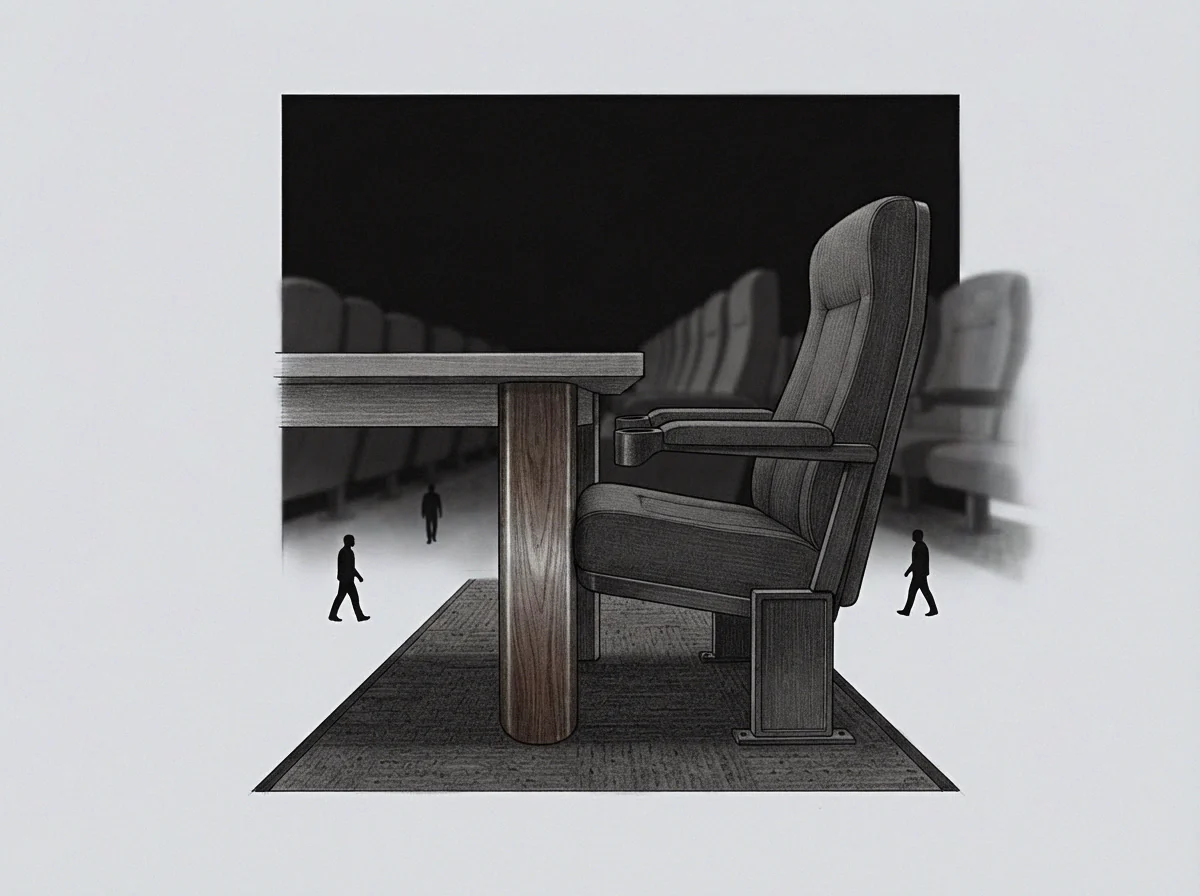
Solitary governance seats eliminate evolutionary social baselines, forcing the individual nervous system to absorb institutional threat at severe bioenergetic cost.
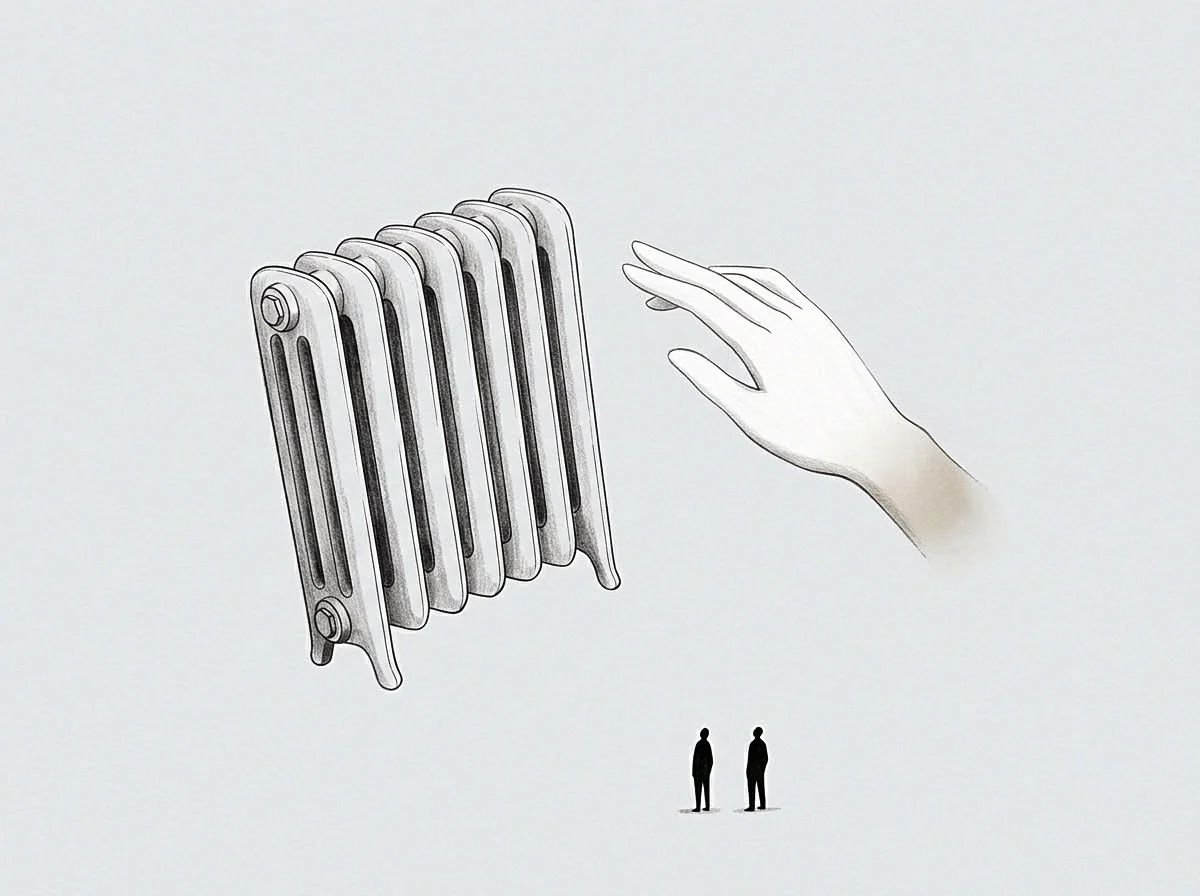
Desk
Four signed resolutions lay beside a cold cup of tea at midnight. The corporate seal sat on top of an indemnity waiver that had arrived without legal commentary. A person occupying a sole signatory chair had spent eight hours reading disclosure schedules while three board members exchanged encrypted messages about secondary share liquidity.
Silence followed the close of the transaction window. The body absorbs structural isolation as an uninterrupted metabolic surcharge.
Social baseline theory establishes that the human nervous system treats proximity to familiar social partners as the baseline condition for energy conservation. Neural architecture assumes distributed load sharing for environmental monitoring, danger detection, and physiological regulation. When an executive seat enforces asymmetric fiduciary liability and procedural confidentiality, that baseline vanishes.
The prefrontal cortex assumes solitary vigilance, recalculating risk profiles without the metabolic subsidy normally supplied by reciprocal social contact.
Every governance mandate carries an invisible energy ledger. Formal authority separates an officer from the informal co-regulation of the operating group. The officer cannot disclose regulatory scrutiny to subordinates, nor can they reveal operational vulnerabilities to an adversarial audit committee.
This operational boundary severs the social safety signals that damp down hypothalamic-pituitary-adrenal activity. The brain responds by shifting from low-cost background equilibrium to high-cost individual monitoring.
Baseline neural functioning treats isolation as an emergency demand that consumes circulating glucose.
The resulting bioenergetic strain registers first as a narrowing of temporal horizons. Long-range strategic synthesis declines because immediate risk containment monopolizes prefrontal capacity. The nervous system begins triaging attention based on legal exposure rather than long-term value creation.
Solitary authority enforces this physiological shift systematically.

Bioenergetic Foundations of Isolated Governance
Neural monitoring operates under strict caloric constraints. When trusted peers share environmental scanning, sensory processing regions show attenuated threat responses. Laboratory measures using functional neuroimaging demonstrate that holding the hand of a trusted partner during shock anticipation dampens activation in the anterior insula and dorsal anterior cingulate cortex.
Removing that partner restores elevated threat reactivity, demanding higher glucose utilization from prefrontal structures.
A solitary governance role mimics this experimental isolation protocol over fiscal quarters. Corporate governance structures routinely design unilateral accountability mechanisms that deliberately insulate decision-makers from their natural peer groups. The independent director, the chief risk officer, and the sole managing partner operate inside structural enclosures designed to eliminate conflicts of interest.
These enclosures simultaneously eliminate the relational co-regulation that keeps resting sympathetic nervous activity within sustainable parameters.
Threat detection remains permanently engaged. Cortisol profiles lose their diurnal amplitude, flattening into a high-plateau pattern characteristic of sustained threat monitoring. Somatic systems sustain chronic sympathetic tone while systemic cardiovascular resistance increases.
The physical organism pays cardinal biological resources to maintain procedural defensibility.
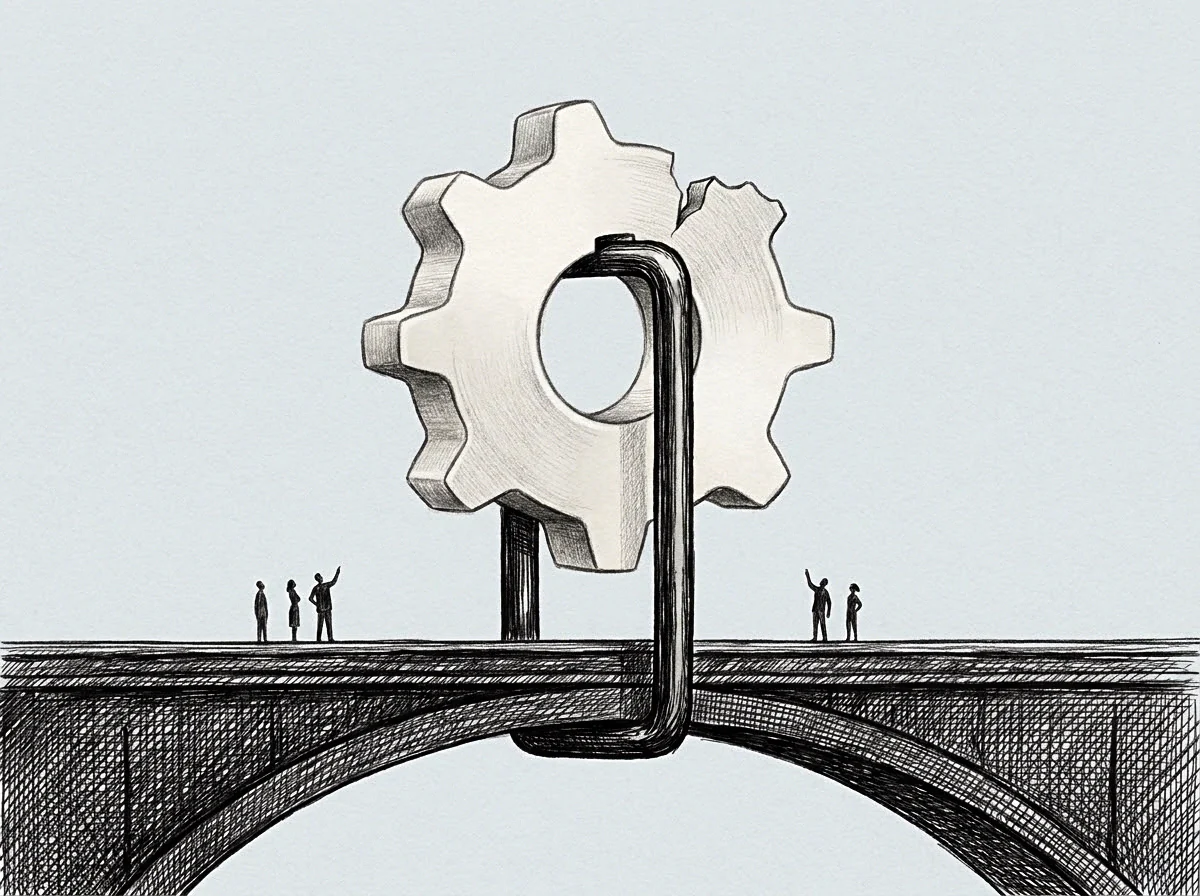
Budget
Caloric reserves allocate according to perceived load distribution. In distributed human groups, an approaching hazard produces shared motor readiness, which splits metabolic consumption across multiple nervous systems. Within solitary governance seats, the threat appraisal circuit registers that zero kinetic assistance exists within the immediate environment.
The executive nervous system computes an individual bioenergetic deficit, immediately initiating compensatory physiological adjustments.
These adjustments constitute allostatic load, defined as the biological wear accrued through chronic adaptation to volatile environments. Chronic regulatory demand forces cellular systems to maintain novel operating setpoints at high metabolic expense. The vascular endothelium thickens, sleep architecture fragments, and hippocampal volume shows measurable reductions under long-term glucocorticoid exposure.
Solitary oversight seats accelerate this wear by criminalizing relational venting and penalizing displays of procedural uncertainty.
Executive performance literature often characterizes executive exhaustion as subjective fatigue or emotional frailty. Physiology reads it as energetic insolvency. When the metabolic cost of unilateral regulation exceeds systemic recovery, the brain initiates defensive conservation strategies.
Discretionary exploration ceases. Risk aversion spikes across non-critical domains, while executive attention clings to familiar, procedurally defensible decisions.
An isolated nervous system conserves energy by terminating exploratory cognitive functions.
The capacity to integrate ambiguous commercial signals deteriorates under sustained energetic debt. Attention hardens into rigid legalistic compliance, protecting the individual officer from liability while starving the enterprise of generative guidance. The body protects itself by reducing computational variance.

Failure Modes of Unilateral Regulation
Prolonged social isolation within high-stakes oversight seats generates distinct operational distortions. These failure patterns emerge predictably when metabolic depletion overwhelms cognitive reserves:
- Hyper-vigilant compliance develops when threat detection circuits treat ambiguous operational notifications as existential regulatory infractions, driving excessive demand for external legal opinions and audit memoranda.
- Defensive peripheral neglect manifests as an inability to monitor secondary operational risks, restricting governance attention strictly to personal fiduciary exposure points.
- Compulsive loop retention locks unresolved governance disputes into active prefrontal storage, preventing biological down-regulation during formal rest periods.
- Affective blunting surfaces as an involuntary homeostatic brake, extinguishing interpersonal warmth during contentious shareholder or board deliberations.
When enterprise systems fail to allocate dedicated co-regulatory personnel to high-strain officers, those officers inevitably deplete their physiological shock absorbers. Unilateral legal accountability forces the individual physiology to absorb institutional systemic turbulence directly. The officer experiences accelerated vascular and neuroendocrine attrition, leaving the institution vulnerable to brittle, defensive governance failures at points of sudden systemic transition.
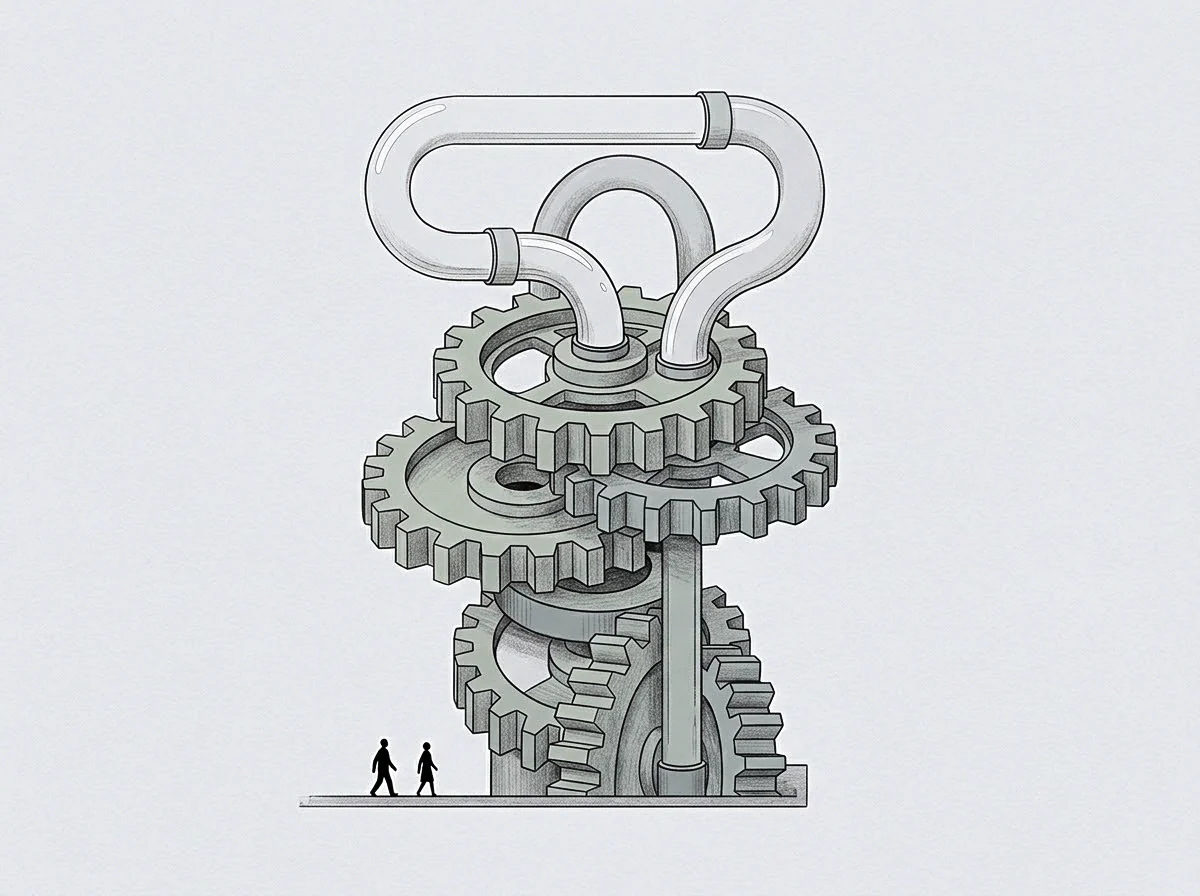
Split
Institutional designers frequently mistake structural governance independence for human emotional autonomy. They assume an officer equipped with an elevated mandate, extensive indemnification covenants, and institutional stature can exercise detached analytical oversight without external metabolic support. Empirical physiology contradicts this assumption.
The biological organism requires reciprocal relational anchors to offset the computational tax of fiduciary judgment.
Comparing distributed governance topologies against solitary fiduciary seats reveals stark variations in biological expenditure. A governance seat built around paired oversight, collective consensus protocols, and transparent risk sharing produces lower individual allostatic burden. Conversely, an isolated seat concentrated on a single individual generates massive physiological load spikes during routine audit, compliance, and disciplinary proceedings.
| Topology Metric | Distributed Multi-Signatory Seats | Solitary Fiduciary Positions |
|---|---|---|
| Neural Threat Calibration | Shared vigilance amortizes threat reactivity across multiple prefrontal networks. | Sole vigilance requires continuous individual prefrontal activation and elevated cortisol. |
| Loop Holding Duration | Unresolved governance queries clear through structured lateral handoffs. | Ungated disputes remain lodged in single-seat working memory for indefinite periods. |
| Defensive Energy Expenditure | Distributed liability reduces individual metabolic defense requirements. | Asymmetric statutory liability forces complete biological absorption of institutional peril. |
| Somatic Spillover Severity | Relational buffering protects basal cardiovascular and immunological functions. | Chronic isolation correlates with sustained sympathetic dominance and vascular fatigue. |
The structural difference centers on information quarantine. An independent director or audit chair operating under confidentiality covenants cannot process intermediate uncertainties with trusted operational colleagues. They must deliberate in computational vacuum.
Every legal draft, accounting revision, and regulatory notice remains an active cognitive loop demanding neural monitoring.
This reality exposes the fundamental limitation of standard compensation packages. Retainers, stock grants, and corporate perquisites transfer cardinal financial value, yet they do not alter the biological mechanics of unilateral threat processing. Money does not down-regulate an over-activated amygdaloid complex.
Without structural co-regulation mechanisms embedded directly into governance workflows, the individual officer remains biologically vulnerable to chronic depletion.
Indemnification contracts specify pecuniary defense terms while ignoring biological stabilization. The legal structure guarantees economic survival after catastrophe occurs, leaving the real-time neural machinery of governance to burn through finite somatic reserves unassisted.

Clutch
When bioenergetic reserves hit depletion thresholds, human nervous systems engage defensive down-regulation. In engineering, a clutch slips to protect an overloaded motor from structural fracture. In high-strain governance environments, physiological throttling operates as that protective slippage.
The person does not experience a collapse of operational capacity; rather, the nervous system downshifts throughput to prevent irreversible systemic failure.
This state of throttling is routinely misdiagnosed as clinical depression. Observers point to reduced enthusiasm, emotional detachment, flat vocal cadence, and declining organizational initiative as indicators of mood disorder. The clinical reading misinterprets a coordinated homeostatic defense.
A throttled system retains full functional capacity for mandated fiduciary tasks while proactively severing discretionary exploratory behavior. The officer continues signing compliance disclosures, attending statutory hearings, and verifying payroll accounts with meticulous precision. They simply cease initiating new organizational directions.
The distinction carries immense practical significance. Treating a throttled executive through conventional psychological frameworks presumes internal cognitive error or emotional dysregulation. The person receives advice to alter cognitive appraisals, practice lifestyle adjustments, or cultivate resilience.
These interventions treat the symptom while leaving the underlying structural isolation untouched. The governance seat remains an unbuffered metabolic incinerator.
A throttled nervous system continues executing mechanical obligations while dropping all generative engagement.
The human processor simply runs at absolute ceiling. Four ungated operational crises remain suspended in working memory, each demanding immediate vigilance. Headroom collapses to zero.
The capacity to accept incoming relational input disappears because every available metabolic slot is committed to legal risk containment.
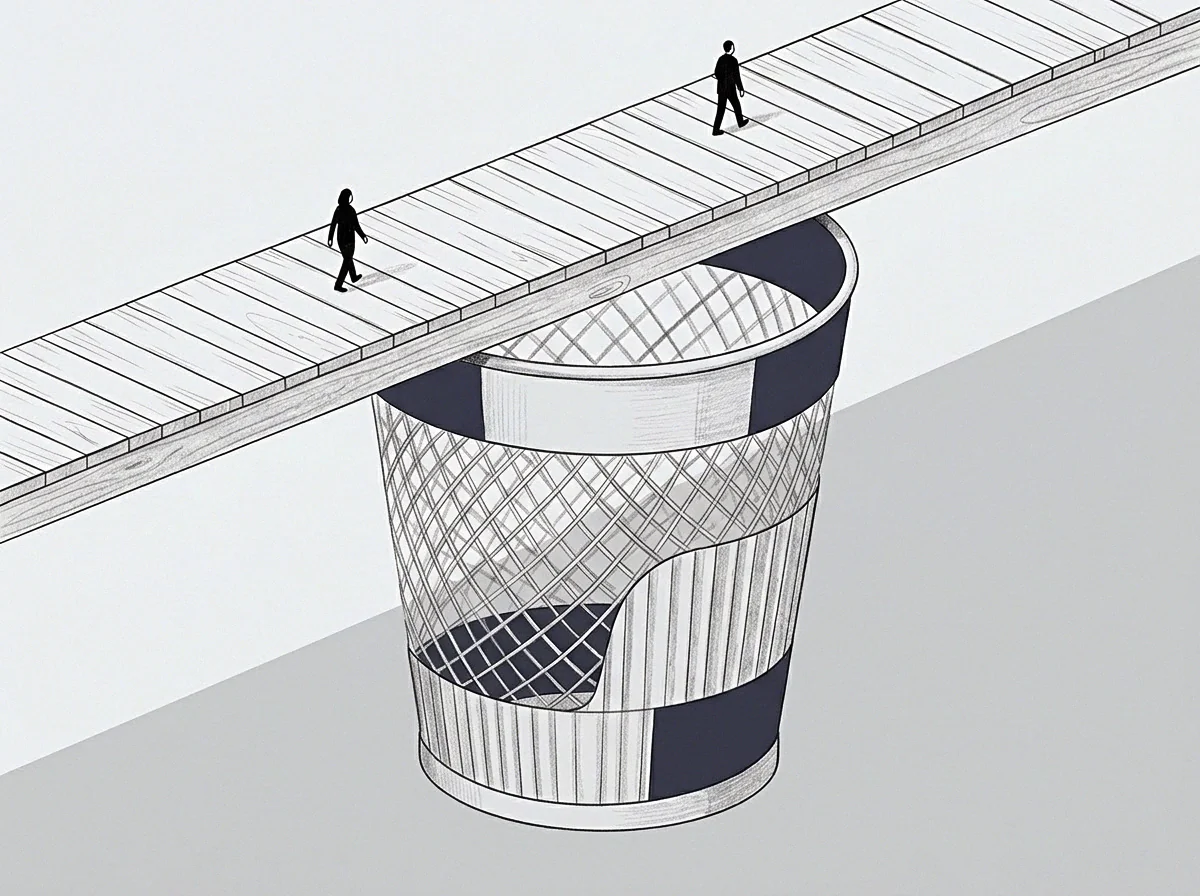
Can Shared Fiduciary Risk Restore Baseline Regulation?
Dividing statutory responsibility provides the fastest mechanism for restoring regulatory capacity. When institutions replace sole-signatory roles with co-equal signatory pairs, threat appraisal circuitry down-regulates immediately. The presence of a competent, legally liable peer converts unilateral terror into collaborative assessment.
The metabolic cost of scanning complex financial filings divides between two biological systems, releasing immediate prefrontal headroom.
This intervention encounters steep institutional resistance. Corporate structures favor single points of accountability because unitary structures simplify blame allocation during regulatory failure. Distributing authority introduces procedural latency and demands higher coordination overhead.
The institution purchases governance decisiveness by consuming the biological tissue of its solitary officers.
The officer knows this trade intimately. They recognize that any direct expression of cognitive overload will be weaponized by institutional rivals as evidence of executive incompetence. They maintain absolute formal poise, projecting calm certainty during board updates while their somatic parameters drift further into pathological wear.
The room reads silence as strength, responding by piling additional unmonitored mandates onto the isolated desk.
Board members observe the quiet execution and assume the situation requires no structural adjustment whatsoever.
Hedge
Protecting the human biology inside governance seats demands deliberate operational design. Institutions that value sustained governance clarity must construct structural hedges that simulate baseline social conditions without breaching procedural confidentiality. The focus shifts from individual resilience cultivation to institutional architecture modifications that reduce solitary cognitive holding patterns.
A primary structural move involves establishing insulated peer review panels. These bodies consist of certified fiduciary peers bound by matching confidentiality structures who possess no voting power over the officer’s tenure. Their exclusive institutional function is mutual deliberation.
An audit chair can walk through unformed regulatory deductions with matching experts, clearing active threat loops before formal presentation to the board. The simple act of speaking complex liabilities aloud to an informed, non-punitive peer drops sympathetic activation and restores prefrontal synthetic range.
A second intervention targets the gating of open cognitive loops. Governance seats suffer from chronic thread concurrency. Unresolved litigation, union negotiations, equity disputes, and regulatory subpoenas remain parked in indeterminate states for quarters at a time.
Each ungated thread occupies an operational slot, constantly drawing background neural resources. Executive operations must impose hard temporal gates: every regulatory issue receives an explicit review date, defined evidence thresholds, and a formal freeze protocol between reviews. A thread parked with fixed terms ceases to consume continuous real-time monitoring capacity.
A parked governance query with explicit activation conditions costs zero real-time biological slots.
Third, corporate bylaws must reconsider the solitary executive model during restructuring and distressed oversight. Distributing signatory liability across an executive committee rather than a sole chief restructuring officer provides immediate bioenergetic protection. The distributed structure restores the evolutionary default: humans managing existential threat through coordinated collective assessment.
The biological system returns to its social baseline.
Failing to engineer these structural dampeners produces inevitable organizational decay. The officer quietly burns through their physiological endowment, their strategic discernment narrows to liability avoidance, and the governance function degrades into defensive bureaucratic survival. Long-term institutional stability requires corporate structures that accommodate the biological realities of the human brain.
The seat must adapt to the organism, or the organism will eventually shut down the seat.
Unilateral fiduciary liability without lateral biological support creates an unsustainable metabolic debt that procedural indemnification cannot settle.