
Resolving The Structural Tension Between Rapid Organizational Responsiveness And Executive Cognitive Capacity Limits
Executive cognitive capacity is protected by decoupling responsiveness through deterministic decision thresholds and asynchronous batch communication.
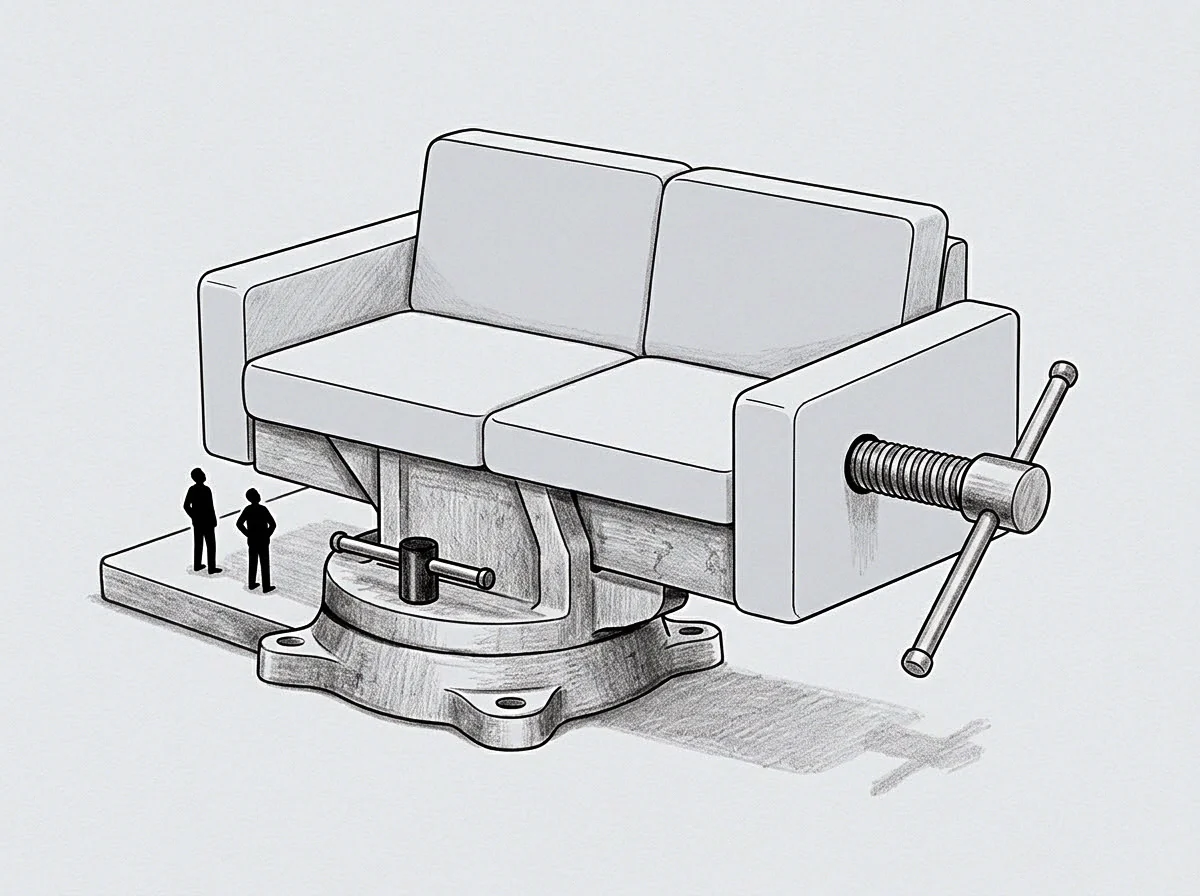
Queue
Four direct inquiries sit unanswered on an illuminated monitor at midnight. An engineering lead requests an immediate determination on database migrations. A commercial director asks for contract adjustments before an enterprise negotiation in Tokyo.
Two operational escalations await review. The incoming rate of decisions outpaces working memory capacity. Saturation arrives without drama.
Organizational responsiveness is frequently measured by message transit speed. When companies equate organizational velocity with rapid clearance of incoming notifications, every line worker routes operational ambiguity straight to the executive tier. Executive attention converts into an unbuffered clearinghouse.
The biological consequence is severe. Sustained cognitive vigilance creates persistent allostatic load, wearing down neuroendocrine regulation through chronic micro-demands for contextual realignment.
Executive responsiveness degrades predictably once concurrent unbuffered inquiries exceed working memory capacity.
The accumulation of unresolved administrative inquiries introduces systematic organizational failure modes:
- Continuous attention splintering fragments analytical focus across disparate operating units during a single working hour.
- Decision latency inversion allows minor administrative sign-offs to displace high-consequence capital allocation evaluations.
- Compounded allostatic wear drives physiological exhaustion through persistent regulatory alertness.
- Asynchronous dependency deadlocks force subordinate teams to pause execution while awaiting bespoke determinations on recurring operational issues.
Unbounded responsiveness systematically collapses executive processing headroom while paralyzing line-level autonomy.

Desk

Executive Cognitive Architecture Under Saturation
Working memory capacity holds strict physical limits. Human cognitive bandwidth remains finite. The executive processor runs hot when tasked with parallel evaluations across personnel, legal exposure, and capital deployment.
Context switching imposes measurable delays. Each departure from deep analytical work leaves cognitive residue, requiring substantial latency before working memory reaches baseline efficiency.
Take an operator directing seventy personnel across four operational divisions. Assume twelve direct reports each generate three ambiguous queries per business day. This generates thirty-six interruptions per eight-hour cycle.
Each context change consumes approximately twenty minutes of cognitive recovery before deep analytical processing resumes. The available calculation window vanishes.
An executive available for continuous triage completes zero strategic evaluations.

Where Does Latency Protect Working Memory?
Controlled response delay acts as a stabilizing governor. In packet switching networks, unthrottled ingress collapses router throughput through packet drop cascades. Human cognitive processors obey identical queueing constraints.
Forcing incoming demands into deliberate temporal holds eliminates panic-driven escalations. Subordinate staff, confronted with an intentional communication buffer, resolve routine issues through local initiative.
Attention demands physical recovery. Operating continuously at cognitive ceiling degrades risk appraisal and strategic foresight. The nervous system under uninterrupted stimulation defaults to immediate threat avoidance instead of deliberate long-range planning.
The delay in guidance leaves the implementation team unable to proceed with client onboarding.

Filter
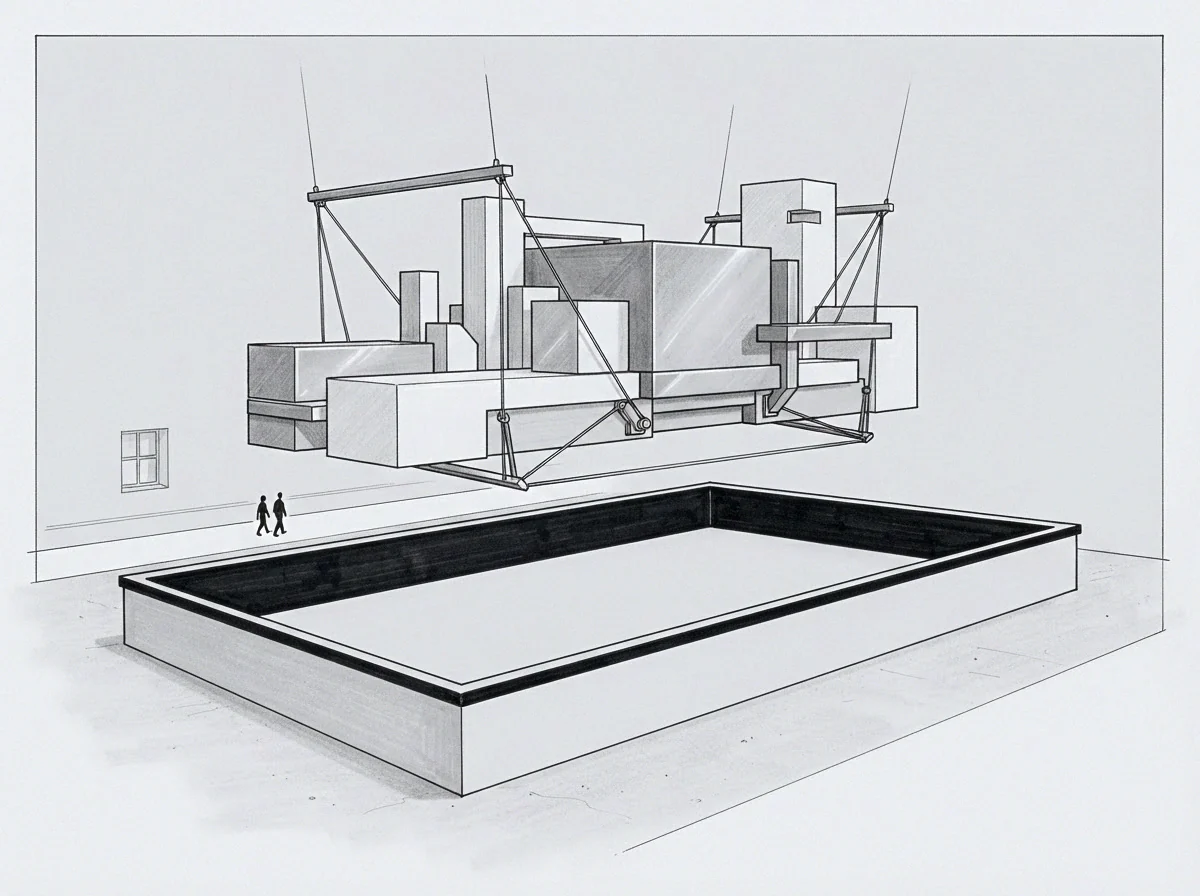
Deterministic Thresholds For Operational Autonomy
Screening operational traffic requires concrete boundary rules. Reversible actions bypass executive review. High-velocity organizations separate choices by potential downside exposure rather than operational excitement.
When the cost of reversing an action sits below a defined capital mark, authority remains entirely with field operators.
Thresholds convert interruptions into logs. The executive seat ceases to function as a real-time permission engine, becoming instead an auditor of aggregated outcomes. Local agency expands.
Line personnel execute within explicit bounds while executive working memory stays focused on structural design and solvency.
| Routing Protocol | Executive Working Memory Allocation | Mean Organizational Response Latency | Fault Boundary Placement |
|---|---|---|---|
| Continuous Escalation | Maximum continuous load with severe fragmentation | Low for minor items, catastrophic for complex decisions | Centralized at executive seat |
| Deterministic Thresholds | Reserved strictly for irreversible capital commitments | Immediate for local actions, scheduled for systemic reviews | Distributed to operating units |
Operational choices belong at the lowest structural level possessing relevant local context.

Stated Parameters Replace Tacit Supervision
Explicit policy parameters decouple organizational action from executive presence. When discretionary spending limits, contractual variances, and technical trade-offs receive formal operational ranges, the volume of incoming questions falls sharply. Subordinates execute against written rules.
Uncertainty is absorbed by operational guidelines rather than personal executive intervention.
Clarity replaces frantic activity. The organization functions as a coherent distributed system where speed arises from local independence rather than centralized clearance speed.
A formal twenty-five-thousand-dollar discretionary threshold removes routine commercial variances from executive consideration entirely.

Port
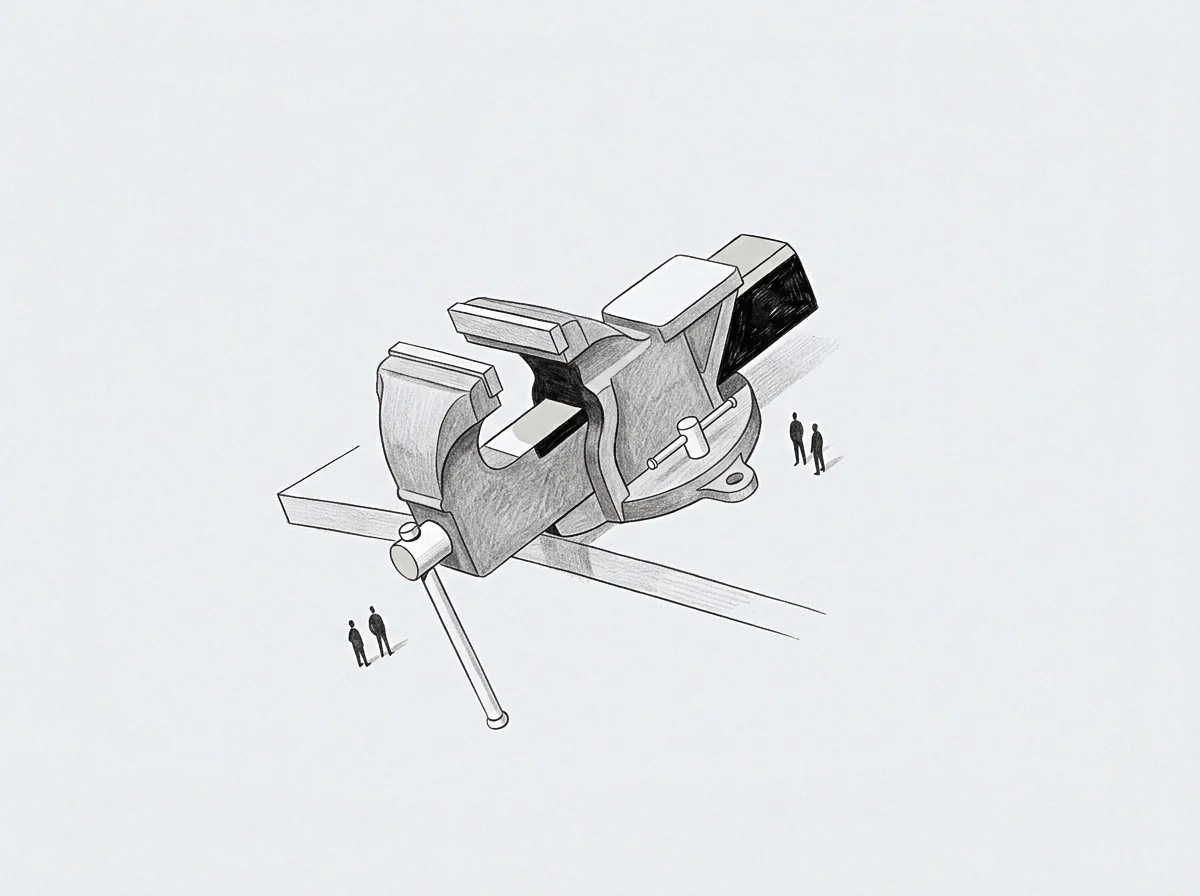
Batch Processing And Decoupled Communication Cadences
Asynchronous communication protocols establish protective boundaries around analytical concentration. Batching restores analytical depth. Rather than answering isolated interruptions throughout the day, the executive processes operational inputs during bounded evaluation windows.
Real-time chat channels receive scheduled inspection intervals instead of continuous attention.
Interruption ceases to govern schedule. Urgent escalations require precise operational definitions, restricting telephone calls and unscheduled intrusions strictly to catastrophic physical, legal, or systemic failures. Routine inquiries move to structured written dossiers delivered on fixed weekly schedules.
A mandatory forty-eight-hour asynchronous deliberation window converts impulsive operational panics into resolved line adjustments.

Execution Envelopes And Cognitive Headroom Recovery
Structured execution envelopes grant functional leaders total command within agreed metrics. The executive seat steps back from tactical supervision to inspect aggregate variances against targets. Capacity recovers through structural design.
Deep cognitive blocks become available for multi-year capital allocation, competitive dynamics, and solvency preservation.
Headroom reappears. The organization gains genuine velocity through distributed operational capability while cognitive endurance is structurally preserved.
True organizational speed arises from autonomous local decisions operating inside explicit boundary conditions.