
Predicting Hypothalamic Receptor Recovery Timelines Following Structural Resolution Of Chronic Commercial Liabilities
Hypothalamic glucocorticoid receptor recovery lags legal liability resolution by months due to the transcription timelines required for cellular resensitization.
Post
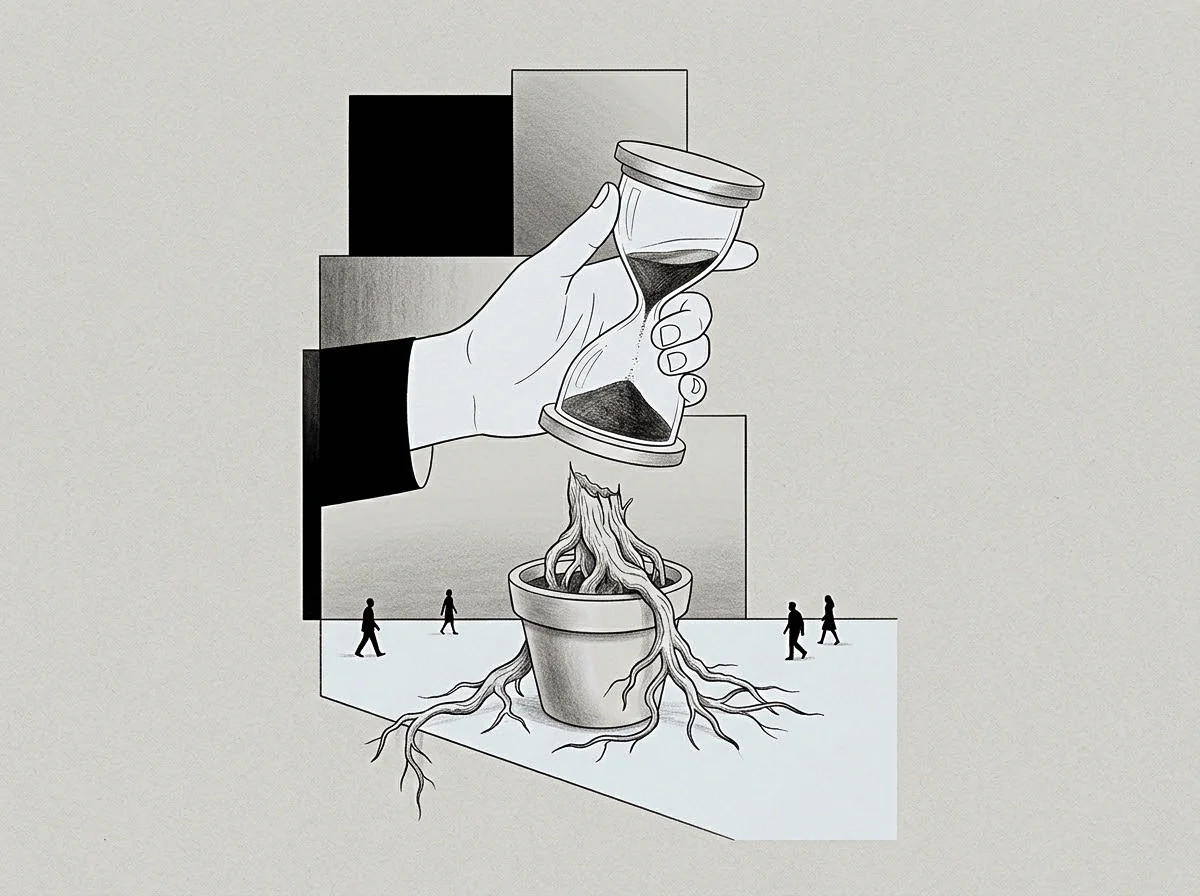
The signature dries on the release document at four in the afternoon on a Tuesday. By five, the wire clearing the bank debt settles in the escrow ledger. The operator leaves the legal conference room with the personal guarantee formally extinguished.
The physical threat to solvency that held the business in suspension for twenty-six months no longer exists on paper. Yet entering the car, the physical pulse remains at ninety beats per minute. The jaw remains clamped.
The expected rush of relief does not arrive.
Relief does not arrive. The human nervous system does not read legal covenants as discrete electronic state changes. For eight hundred days, every incoming telephone notification signaled potential asset forfeiture, payroll default, or credit facility termination.
That prolonged interval forced the hypothalamic paraventricular nucleus to drive continuous corticotropin-releasing hormone production. The constant endocrine signaling stripped hypothalamic glucocorticoid receptors of normal density. The contract is closed.
The biological machinery remains fixed in defensive mobilization.
A biological sensor calibrated to sustained commercial hazard continues signaling after the legal exposure dissolves.
Chronic commercial liabilities impose a continuous load on neuroendocrine signaling. When an enterprise carries unsecured debt, disputed equity splits, or personal guarantees, the leadership operates under persistent autonomic vigilance. This vigilance alters the sensitivity of the paraventricular nucleus.
Cortisol binds to two distinct receptor populations in the brain: high-affinity mineralocorticoid receptors and lower-affinity glucocorticoid receptors. Under baseline conditions, mineralocorticoid receptors maintain daily circadian tone, while glucocorticoid receptors arrest the stress reaction once a threat passes. Sustained liability exposure floods the system, downregulating glucocorticoid receptor expression to protect neurons from toxic steroid exposure.
Structural Resolution Versus Cellular Clearance
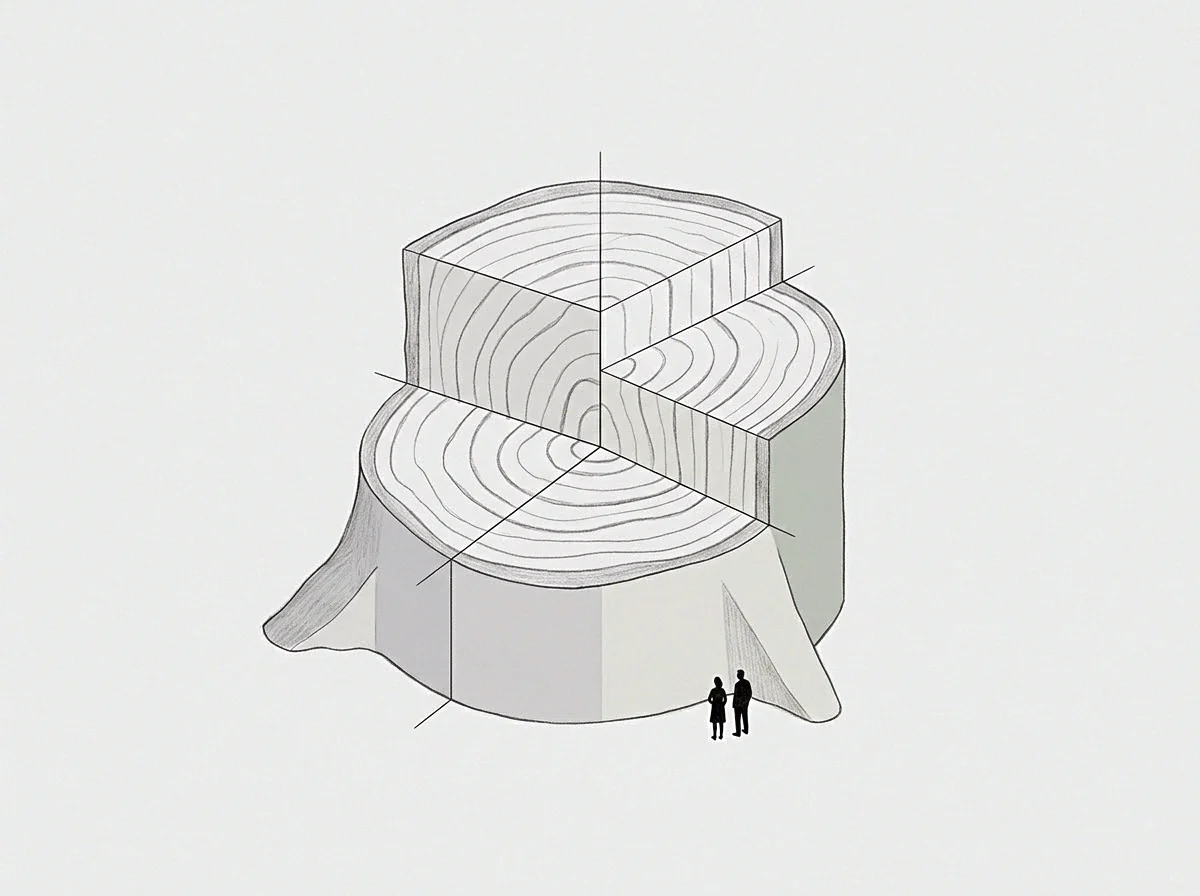
The settlement agreement terminates litigation instantly. In contrast, the endocrine apparatus requires weeks to clear circulating steroid intermediaries and re-synthesize receptor proteins. The legal reality changes across a single transaction.
The physiological reality changes across biological half-lives and gene expression cycles.
- Hypothalamic receptor density declines during chronic commercial liability, reducing negative feedback sensitivity and leaving the hormonal cascade active despite external safety.
- Circulating adrenocorticotropic hormone maintains elevated peripheral steroid output for weeks after debt restructuring closes.
- Hepatic clearance latency prevents immediate metabolic reset, sustaining elevated glucose production and persistent physical tension across early post-resolution phases.
A common operational misstep occurs when executives immediately schedule high-stakes strategic negotiations the week after closing a restructuring. The individual assumes that the legal resolution instantly restored cognitive processing capacity. Instead, executive working memory remains compromised by ongoing hypothalamic-pituitary-adrenal dysregulation.
Assuming immediate cognitive rebound following financial settlement leads directly to miscalculated capital allocation decisions and administrative errors during the subsequent quarter.

Latency
Receptor recovery follows the strict timelines of messenger RNA transcription and membrane trafficking. Once glucocorticoid receptor downregulation occurs, restoring baseline sensitivity demands sustained periods of lower circulating cortisol. If systemic cortisol remains moderately high due to secondary business reorganization, receptor upregulation stalls.
Transcription requires cellular time. A damaged commercial balance sheet can be recapitalized in forty-eight hours through a mezzanine loan or equity infusion. Re-establishing hippocampal and hypothalamic negative feedback sensitivity takes between sixty and one hundred and eighty days.
During this latency window, the founder exhibits blunted morning cortisol surges alongside elevated nocturnal baseline levels. This inverted profile manifests as severe morning lethargy followed by wired agitation late at night.
A receptor population damaged by years of chronic vigilance requires months of sustained low-threat input to initiate transcription.
The physiological mismatch between corporate restructuring speed and receptor regeneration speed generates severe administrative confusion. The executive board expects the chief executive to exhibit decisiveness immediately following a successful restructuring. When the chief executive displays executive fatigue, flattened affect, and impaired risk tolerance, observers question their leadership capacity.
Comparative Endocrine Recovery Metrics
The physical restoration of the neuroendocrine axis proceeds through distinct biochemical phases following the execution of restructuring documents. The following operational parameters contrast the systemic state across acute and extended phases.
| Physiological Variable | Acute Resolution Phase (Days 1 to 14) | Intermediate Phase (Days 15 to 60) | Stabilization Phase (Days 61 to 180) |
|---|---|---|---|
| Glucocorticoid Receptor Density | Suppressed by 40 to 60 percent | Partial transcription recovery | Baseline density re-established |
| Mineralocorticoid Receptor Saturation | Saturated continuously | Intermittent saturation | Normal circadian binding curves |
| Salivary Cortisol Awakening Response | Flattened or absent profile | Gradual morning curve emergence | Robust morning spike restored |
| Adrenal Cortex Sensitivity | Hyper-reactive to minor operational friction | Moderate reactivity | Appropriate threat-graded output |
The data demonstrates that biological stabilization lags structural resolution by several months. In clinical stress physiology models examining prolonged socioeconomic stress, glucocorticoid receptor binding affinity normalizes long before overall receptor quantity returns to pre-threat baselines. Does prolonged exposure permanently reset hypothalamic sensitivity thresholds, or does complete baseline restoration remain achievable for every operator?
Drift
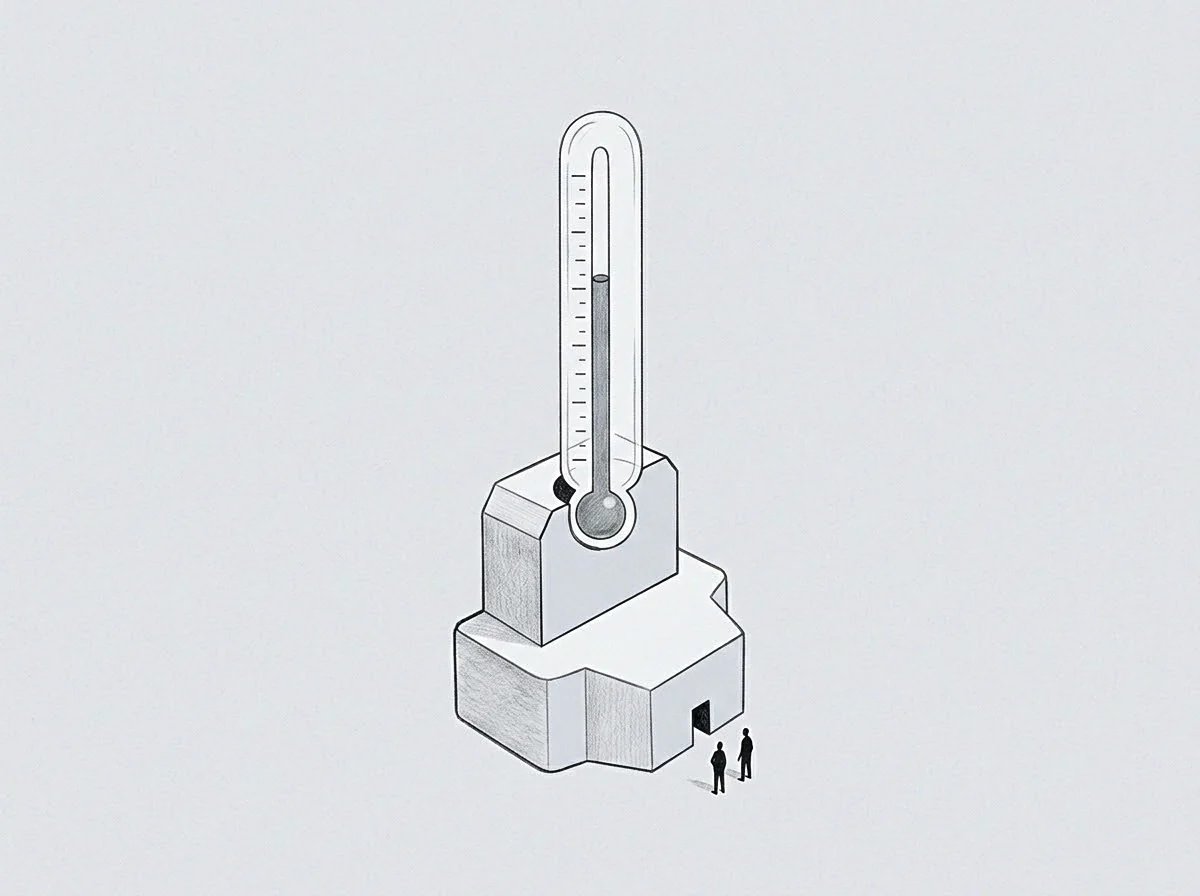
Uncalibrated recovery intervals introduce behavioral distortions into ongoing corporate governance. When an operator continues to feel the physical pressure of liability months after the legal discharge, they search for non-existent threats. The individual audits vendor invoices obsessively, questions loyal executive staff, and anticipates contractual breaches where none exist.
The body keeps pumping. The mind invents liabilities to justify the ongoing physical sensation of danger.

Does Prolonged Exposure Extend The Downregulation Interval?
The length of time a commercial liability remains active directly determines the biological interval required for receptor recovery. An acute insolvency crisis resolved within six weeks leaves glucocorticoid receptors relatively responsive. An unresolved liability dragging across three fiscal years alters histone acetylation at the glucocorticoid receptor gene promoter.
Neural circuits adapt slowly. When high cortisol levels persist across multiple quarters, the epigenetic machinery silences receptor transcription pathways. This regulatory dampening protects the central nervous system from neurotoxicity, yet it locks the organism into chronic autonomic hyper-reactivity.
- Epigenetic methylation of receptor promoter sites establishes an enduring transcription blockade that persists well past legal resolution.
- Hippocampal dendritic retraction reduces the volume of regulatory tissue responsible for sending inhibitory signals to the hypothalamus.
- Autonomic tone dissociation maintains elevated resting heart rates and blunted heart rate variability across administrative downtime.
Sleep architecture remains fragmented. Even in quiet environments free of debt collectors or shareholder threats, the paraventricular nucleus continues episodic nocturnal discharges. This nocturnal activation disrupts slow-wave sleep, preventing metabolic waste clearance in the brain and prolonging daytime cognitive deficits.
Sustained regulatory vigilance alters receptor promoter methylation, converting temporary business distress into persistent biological latency.
Colleagues frequently misinterpret this post-resolution paralysis as personal disengagement or loss of commercial ambition. Board members observe the newly recapitalized company and conclude that the executive has simply lost interest in commercial growth now that their personal exposure is eliminated.

Plate
Managing the post-resolution transition requires treating the sixty-to-ninety-day window following contract execution as a structural quarantine period. The operator who immediately assumes new debt covenants or signs fresh personal obligations places an unbuffered endocrine system under immediate compound strain. The receptor sites remain closed.
Adding new obligations during the biological latency window induces systemic collapse.
The debt is gone. The physical capacity to carry fresh operational load must be rebuilt incrementally. Just as an engineer tests a metal plate for structural fatigue after extreme tension before loading it with new freight, an enterprise must pace organizational demands on post-crisis leadership.
Rushing this sequence causes secondary burnout cycles that derail corporate turnarounds.
A reliable indicator of early receptor recovery is the return of the normal cortisol awakening response. When the operator wakes with clear alertness rather than paralyzing dread, hypothalamic feedback loops have initiated functional resensitization. Cognitive headroom returns in parallel with receptor density.
The individual stops misreading neutral commercial correspondence as acute legal crises.
Endocrine equilibrium takes months. Executive teams that recognize this timeline establish protective operational gates around recovered founders, delegating acute external negotiations to non-exhausted lieutenants while internal receptor populations slowly regenerate.