
Measuring Allostatic Load In Executive Leadership Seats
Executive allostatic load reflects chronic physiological neuroendocrine adaptation measured through diurnal cortisol flattening and suppressed cardiac vagal tone.

Seat
Four communications channels open simultaneously on a Tuesday night present a physiological demand that operates independently of physical effort. When an executive manages an acute operational disruption while containing investor anxiety, the sympathetic nervous system initiates a sustained release of catecholamines and glucocorticoids. Stress physiology defines allostatic load as the cumulative wear and tear on neuroendocrine, cardiovascular, and metabolic systems resulting from chronic activation of these adaptive stress responses.
In corporate leadership roles, the primary driver of this physiological burden is not acute crisis management, but the perpetual maintenance of regulatory readiness across unbuffered organizational operational streams.
Continuous socio-evaluative threat and high decision density disrupt normal homeostatic recalibration. While short-term stress responses allocate glucose and heighten cognitive vigilance to resolve immediate threats, sustained allostatic activation degrades the structural capacity of the prefrontal cortex while hypertrophy occurs in the amygdala. The physiological cost accumulates silently behind operational execution.
Executive roles systematically convert unmediated ambiguity into chronic neuroendocrine activation, establishing a physiological baseline where parasympathetic recovery during non-working hours becomes restricted.
Allostatic load represents the measurable physiological cost of sustained adaptive effort across neuroendocrine and autonomic systems.
The distinction between temporary executive effort and systemic biological strain rests on the duration of recovery intervals. When operational schedules eliminate autonomic recovery, diurnal biological rhythms flatten. Cortisol output, which typically displays a steep drop from morning peak to evening trough, shifts toward a high, flat baseline.
This alteration impairs systemic inflammatory regulation, alters glucose metabolism, and degrades slow-wave sleep architecture. Continued exposure to this high-demand, low-recovery operational environment shifts the biological state from flexible adaptation into sustained physiological load accumulation.
Ignoring early physiological signals shifts the systemic burden to cognitive and metabolic reserves, resulting in diminished executive function and impaired emotional self-regulation long before overt operational failure occurs.
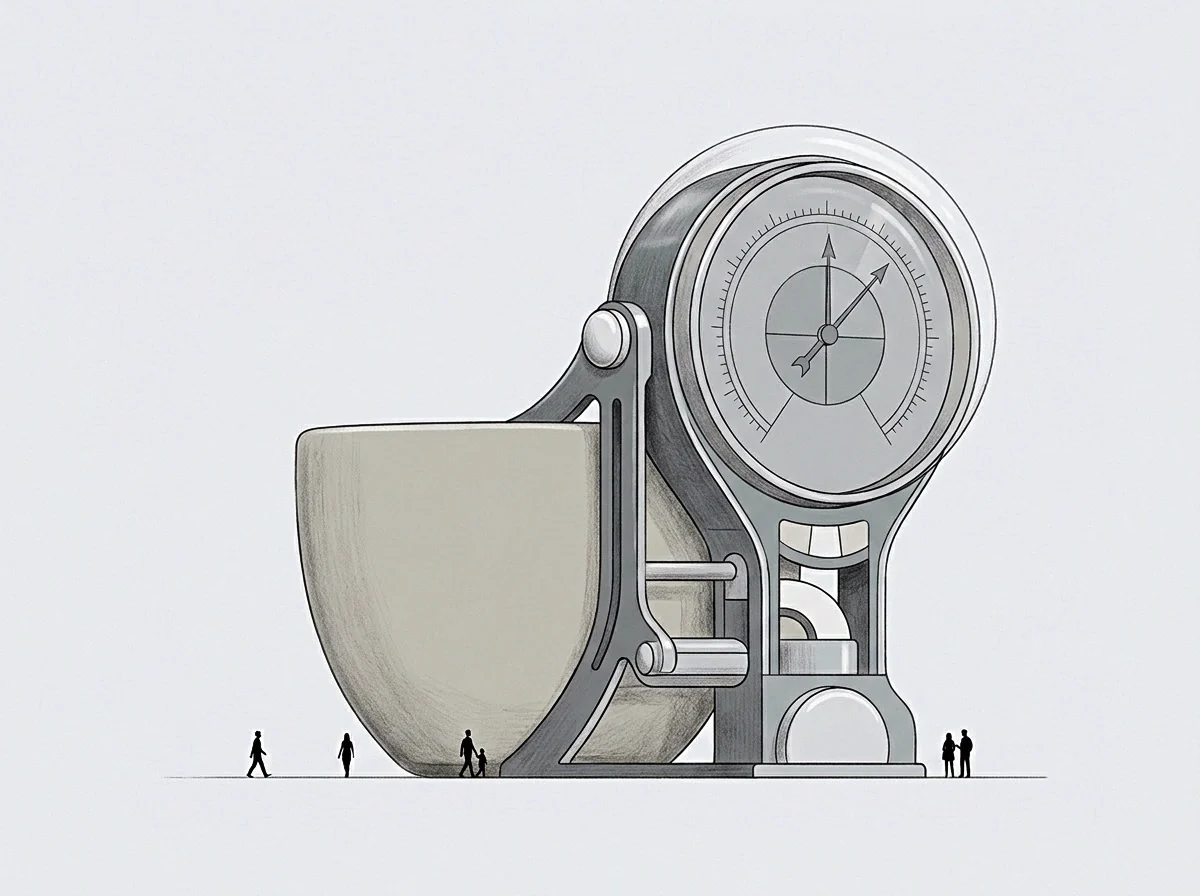
Loop
Human working memory maintains a strict limit on simultaneous un-gated operational threads. Cognitive load theory establishes that every active issue requiring unresolved decision-making consumes working memory capacity, regardless of whether the issue undergoes active deliberation. In leadership positions, an open operational loop acts as an active background process, drawing on prefrontal executive resources and maintaining continuous metabolic demand.
The biological cost of an un-gated thread stems from the neural monitoring required to maintain vigilance over unresolved outcomes.
A project configured with defined milestones, fixed deadlines, and clear decision boundaries releases working memory capacity. Conversely, a project missing clear terms or escalation limits requires active monitoring by the leader. The accumulation of these un-gated threads creates high cognitive switching costs, leading to rapid depletion of glucose in prefrontal neural circuits.
The total volume of un-gated open lines, rather than total working hours, dictates the onset of cognitive exhaustion.
Operational complexity translates directly into physiological load through specific thread types:
- Ungated capital allocation decisions where investment parameters remain undefined, forcing continuous manual oversight of expenditures and burn rates.
- Unstated partner expectations regarding equity splits, decision rights, or operational boundaries that require constant conversational monitoring.
- Unresolved key hire attrition risks that lack explicit mitigation triggers, keeping neural alert mechanisms active across non-working hours.
- Continuous real-time communication streams that prevent the autonomic nervous system from disengaging from socio-evaluative monitoring.
Load acts on physical tissue.
Un-gated operational commitments consume active prefrontal resources continuously regardless of physical working location.
The total count of active, un-gated operational threads serves as the primary predictor of executive cognitive saturation.
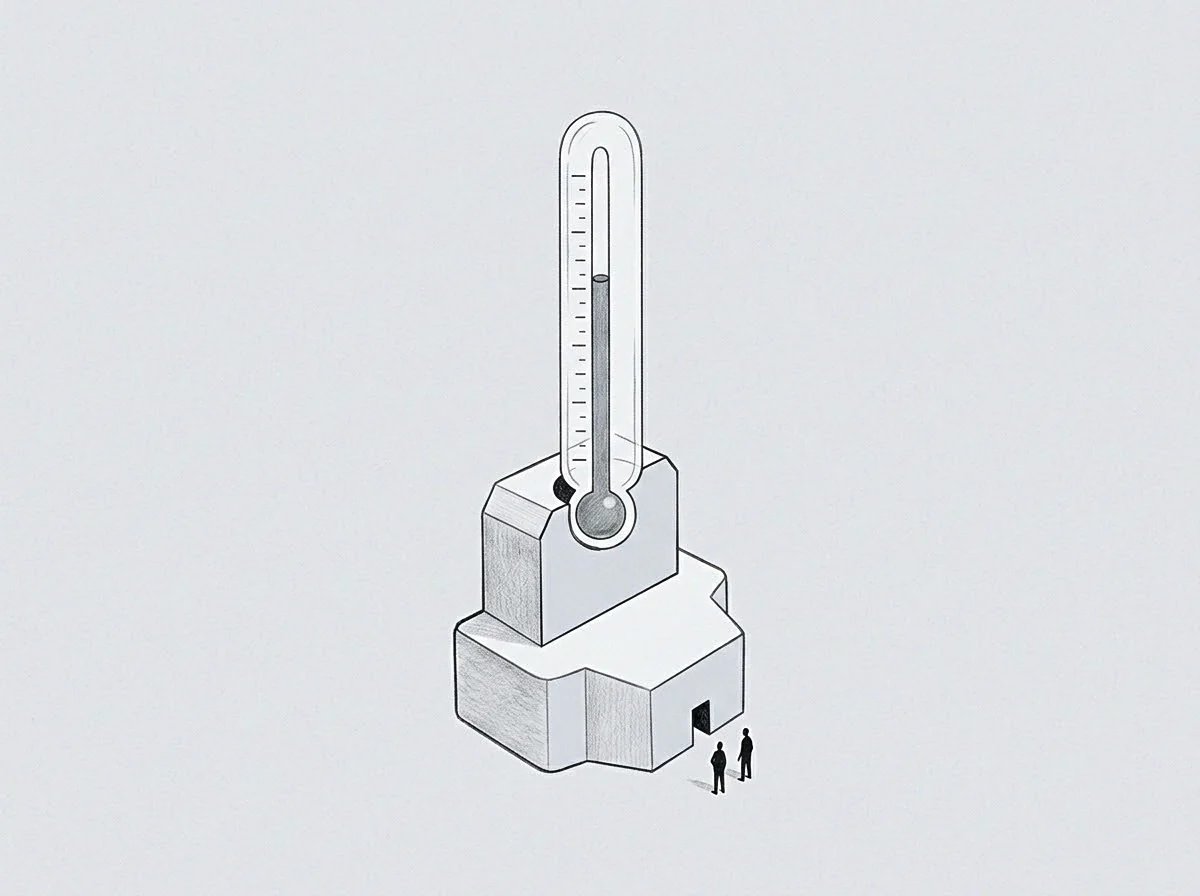
Stain
Biological markers provide an objective measurement of cumulative physiological wear that self-reported stress surveys consistently fail to capture. Self-report metrics in high-responsibility roles suffer from cognitive acclimatization, as leaders normalize high internal strain to maintain professional role identity. Quantitative assessment of allostatic load utilizes a composite biomarker panel spanning autonomic nervous system balance, neuroendocrine output, inflammatory cascade activation, and metabolic modulation.
Autonomic strain presents primary visibility through heart rate variability metrics captured during non-REM sleep. A continuous reduction in the root mean square of successive differences between normal heartbeats reflects suppressed vagal tone and impaired parasympathetic recovery. Cortisol rhythm analysis provides a complementary metric; a blunted cortisol awakening response coupled with elevated late-night salivary cortisol indicates hypothalamic-pituitary-adrenal axis dysregulation.
Systemic inflammatory markers, specifically high-sensitivity C-reactive protein and interleukin-6, track the downstream cellular consequences of sustained glucocorticoid resistance.

Why does physiological wear escalate before self-reported stress changes?
Subjective perception adapts to chronic demand through psychological defense mechanisms, whereas cellular and vascular structures absorb direct biological strain. Psychological adaptation allows individuals to report feeling operational even while continuous autonomic arousal degrades vascular elasticity and alters lipid metabolism. The physiological system continues to pay a quantitative metabolic toll long after conscious awareness has normalized the baseline strain.
| Biomarker Category | Nominal State | Compensated High-Load State | Throttled Ceiling State |
|---|---|---|---|
| Parasympathetic Recovery (Nocturnal RMSSD) | High (>50 ms baseline variance) | Moderate (25-45 ms, delayed recovery) | Suppressed ( |
| Diurnal Cortisol Slope | Steep (>75% drop from peak to trough) | Moderate (40-60% drop from peak) | Flattened ( |
| Systemic Inflammatory Array (hs-CRP) | Normal ( | Elevated (1.0-3.0 mg/L) | High (>3.0 mg/L baseline) |
| Fasting Metabolic Profile (Glucose/Insulin) | Optimal insulin sensitivity | Compensated insulin resistance | Manifest metabolic inefficiency |
Open loops consume active attention.
A blunted cortisol awakening response combined with low nocturnal vagal tone signals severe autonomic recovery impairment.
Tracking composite physiological arrays identifies systemic strain before metabolic or cardiovascular compensation mechanisms fail.

Brake
Physiological throttling functions as an active neurobiological defense mechanism rather than a failure of emotional will. When cumulative allostatic strain approaches absolute physiological limits, the central nervous system downregulates executive capacity to protect vital cellular and metabolic infrastructure. Occupational stress literature frequently misinterprets this throttled state as clinical depression.
While clinical depression involves primary mood pathology and widespread affective blunting, physiological throttling represents a protective reduction in processing capacity designed to force systemic rest under maximum load.
During maximum biological load, the prefrontal cortex throttles self-initiated high-complexity decision making while maintaining basic routine operational execution. The executive experiences this state as an inability to generate novel strategic thought or process complex interpersonal nuance. Brain-derived neurotrophic factor levels decrease, and synaptic plasticity drops in regional neural circuits responsible for strategic planning.
Attempting to override this biological braking system with stimulant interventions or increased effort accelerates structural cellular wear.
The body counts every open line. Throttling protects the neural reserve.
Central nervous system throttling protects fundamental homeostatic infrastructure by reducing prefrontal cognitive output under extreme load.
Operational execution halts because the underlying biological system lacks the metabolic capacity required to maintain prefrontal processing.

Room
Organizations transfer regulatory demands upward to leadership positions through emotional and structural reliance. Social baseline theory establishes that human neurobiology defaults to shared environmental risk regulation when reliable proximity to co-regulating individuals exists. In executive positions, this dynamic reverses; the leader acts as an unbuffered regulatory anchor for the organization.
Subordinates, board members, and investors externalize their operational anxieties onto the leadership position, requiring the executive to maintain continuous biological self-regulation while absorbing organizational volatility.
Carrying the regulatory load for an entire organization consumes significant neural and metabolic energy. When an executive lacks accessible, high-trust co-regulating relationships outside the immediate operational structure, the physiological cost of maintaining organizational calm falls entirely on their autonomic nervous system. Industrial machinery operational lifespans degrade rapidly under continuous peak thermal load without thermal dissipation mechanisms.
Human regulatory capacity follows an identical physical curve when subjected to constant organizational anxiety absorption without reciprocal relational co-regulation.
Biomarkers track cumulative cellular adaptation. Systems failure follows unbuffered demands.
What structural modifications effectively redistribute organizational regulatory burdens when governance frameworks concentrate all ultimate operational risks into a single executive role?
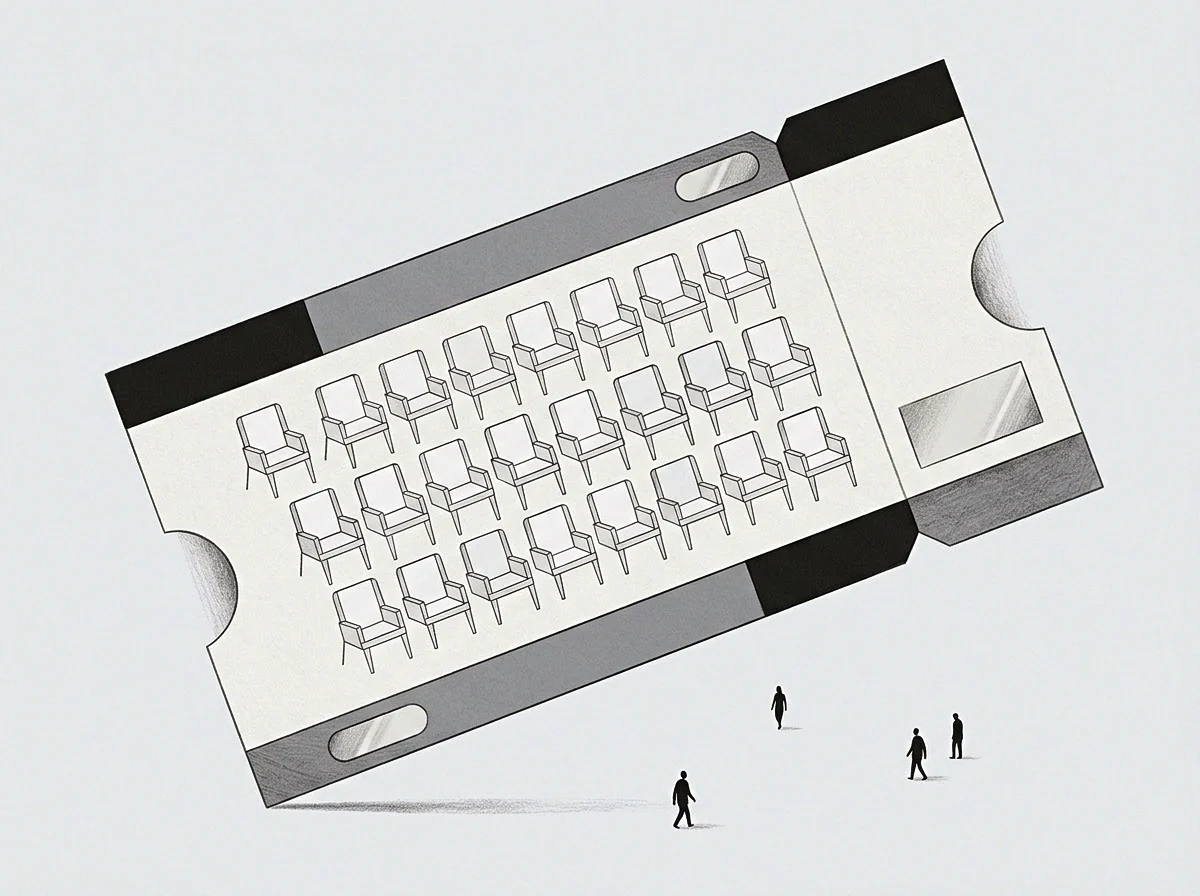
Latch
Mitigating executive allostatic load requires replacing continuous internal self-regulation with explicit structural gating mechanisms. Relying on personal resilience without altering operational architecture ensures eventual biological saturation. Structural gating enforces strict limits on concurrency, converting un-gated open lines into bounded, asynchronous operational processes with explicit execution parameters.
Establishing hard operational gates requires specific structural protocols:
- Define explicit scope parameters that declare precisely what operational decisions require executive intervention versus delegated authority.
- Establish fixed resolution dates for all open strategic options, removing the requirement for continuous neural background monitoring.
- Formalize contractual terms for partner and board interactions that mandate predictable, synchronous communication channels while restricting unscheduled access.
- Enforce hard concurrency limits on active strategic initiatives, holding new projects in a parked state until existing slots clear.
Sleep fragmentation signals baseline depletion. Unstated terms create covert operational debts. Clear scope replaces perpetual tracking.
Headroom requires fixed capacity limits. Physiological wear precedes emotional collapse. Gated commitments restore regulatory headroom.
Implementing strict structural gates reduces background neural monitoring demand, restoring parasympathetic recovery capacity and resetting diurnal endocrine rhythms.