
Long Term Viability Of Decentralized Nervous System Regulation Across High Growth Venture Stages
Distributed nervous system regulation fails in growth ventures because fiduciary asymmetry prevents genuine lateral baseline borrowing under existential threat.

Relay
Human capacity during capital acceleration operates under two distinct realities. The first is organizational: governance charters, equity grants, and delegation split functional execution across multiple leaders. The second is biological: threat responses, autonomic arousal, and metabolic expenditure register uncertainty through nervous systems that no contract can decentralize.
Corporate structures often assign operational duties to one place and biological stress containment to another. As commercial velocity accelerates, the executive in the primary seat absorbs ambiguity for the entire organization, absorbing external volatility so peripheral teams can carry out tactical priorities without stress paralysis.
Threat alters metabolic allocation. When a seed-stage team faces cash-flow swings or market rejection, the lead executive acts as a buffer. Under social baseline dynamics, human neural architecture conserves energy by outsourcing threat appraisal to primary figures.
Proximity to a composed leader lowers vigilance and dampens hypothalamic-pituitary-adrenal axis activation across the team. The lead executive, meanwhile, absorbs every operational shift as a direct demand on their own homeostatic balance, carrying the metabolic cost for the composure of the room.
A biological system functioning as an exclusive shock absorber for adjacent operators accumulates metabolic wear whenever commercial ambiguity outpaces operational liquidity.

Centralized Containment and Distributed Buffering
High-velocity scaling disrupts this balance. As headcount grows across funding rounds, operational variance increases exponentially while the primary executive remains a single organism. Trying to spread regulatory stabilization across a wider leadership team hits sharp structural limits.
Senior titles do not turn peer operators into mutual dampeners. In late-seed and early-growth companies, new department heads often introduce fresh interpersonal friction, status disputes, and misaligned risk assessments.
Rather than spreading tension across an executive bench, expanding leadership often multiplies the active demands landing on the primary seat. The lead operator continues buffering external investors while insulating anxious department heads from one another. If an organization expands execution without building self-regulating capacity within functional teams, autonomic exhaustion spreads through executive ranks and triggers unexpected operational stalls during capital deployment.

Floor
Basal metabolic reserves set the threshold below which cognitive coordination breaks down into autonomic defense. When an operator maintains biological headroom, sudden capital demands or technical emergencies cause temporary catecholamine spikes that subside after resolution. Rapid acceleration, however, cuts off recovery periods.
The nervous system shifts from short-term adaptation into chronic allostatic load, leaving baseline cortisol elevated and locking autonomic tone into sustained sympathetic drive.
Biological strain impairs executive processing in measurable ways: working memory shrinks, cognitive switching costs increase, and attention narrows to immediate threat signals. Under sustained pressure, an operator struggles to distinguish trivial operational noise from critical risks, leaving the company running on emergency protocols regardless of actual stability.
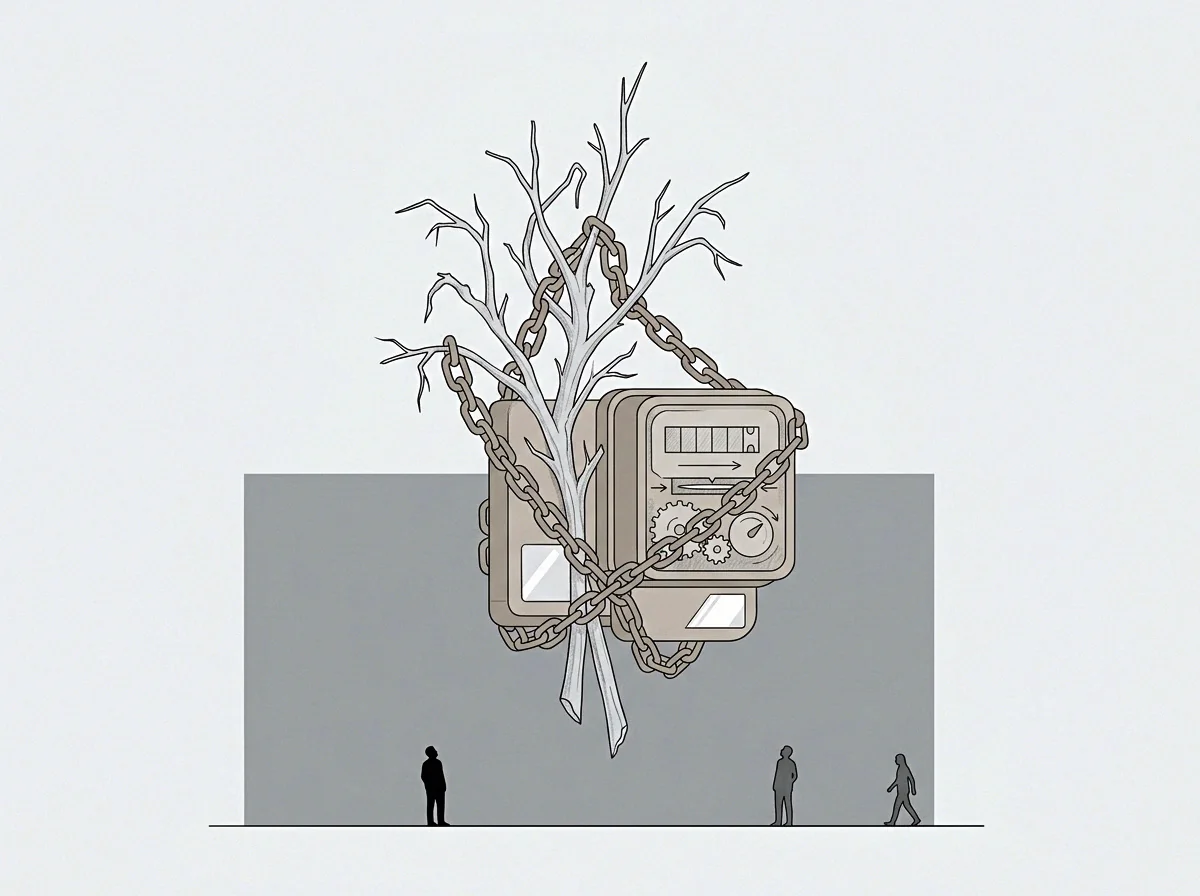
Allostatic Accumulation at Venture Thresholds
Institutional milestones create specific pressures on executive nervous systems, driven by funding velocity and team growth. Moving through these stages highlights predictable failure points in shared biological regulation:
- Venture Formation Strain arises when zero-revenue ambiguity forces the initial operator to supply all autonomic containment through uninterrupted personal presence.
- Series A Dilution Shock concentrates acute threat appraisal within the primary seat while unaligned external governance partners demand continuous performance validation. This phase claims the third slot.
- Growth Capital Dispersion fractures informal peer co-regulation, replacing daily physical proximity with asynchronous, highly transactional digital notifications.
- Executive Layer Friction introduces lateral status competition among specialized hires, shifting internal communications from mutual reassurance to defensive positioning.
Between institutional financing milestones, missing feedback signals mimic operational hazard inside an overstimulated nervous system. The executive keeps searching for incoming threats even when conditions are stable.
A stated operational boundary immediately halts biological debt accumulation by converting ambiguous interpersonal expectations into bounded structural terms.

The Latency of Stated Conditions
Decentralizing stress regulation requires formal rules that limit continuous availability. Without boundaries around executive access, every messaging channel carries incoming panic directly to the top seat. Teams pass uncertainty upward whenever the lead seat accepts instant stress offloading.
Setting explicit boundaries—such as scheduled asynchronous reviews and explicit decision domains—stops this reflexive escalation.
Explicit operating parameters shift baseline cognitive demands across the entire company. When an executive establishes clear rules for emergency escalation, managers must address operational friction inside their own departments. This shift forces local leaders to build internal resolution mechanisms rather than defaulting to central containment, removing the implicit assumption that a single executive will absorb all organizational tension.

Load
Biological capacity operates under tight physical limits during business growth. The nervous system manages focus and autonomic balance through a finite set of channels. Every open project, unspoken conflict, or unaddressed market risk occupies processing capacity.
When active operational loops exceed available channels, the organism initiates defensive shutdowns to prevent physical exhaustion.
This physiological limit caps operational throughput more firmly than capital reserves or contracts. A company can hold ample cash runway and strong market positioning yet stall because leadership operates at complete autonomic saturation.
| Venture Phase | Regulatory Architecture | Allostatic Distribution | Latency Under Shock | Ungated Thread Count | Headroom Recovery Time |
|---|---|---|---|---|---|
| Seed Phase | Centralized Containment | Primary Executive Absorption | Low Latency | 12 to 18 Loops | 24 to 48 Hours |
| Series A Acceleration | Hybrid Leadership Relay | Bifurcated Executive Strain | Moderate Latency | 25 to 40 Loops | 7 to 14 Days |
| Series B and Growth | Autonomous Unit Buffering | Distributed Functional Containment | Variable Latency | 5 to 8 Loops Per Lead | 3 to 5 Days |
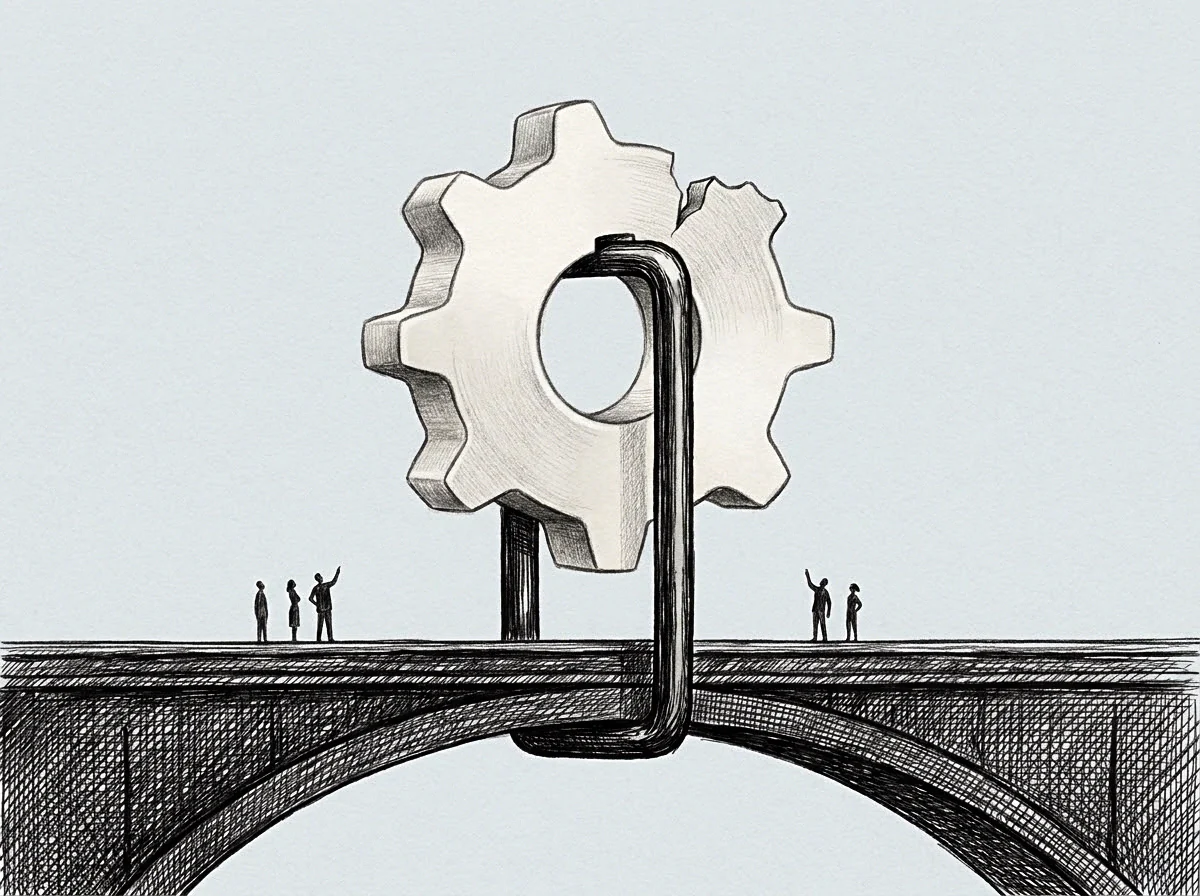
Comparative Strain Across Operating Architectures
Centralized stress management works efficiently in early formation, when proximity and constant communication allow quick threat resolution. The lead founder acts as a transformer, absorbing market volatility and insulating early employees. But as headcount grows, centralized handling becomes a severe bottleneck.
The primary seat gets flooded with lateral requests, slowing decisions and producing erratic responses.
Spreading regulatory responsibility across autonomous units lightens the burden on the lead seat. Distributed containment requires each department to handle routine tactical variances without raising immediate alarms. As shown in the table, decentralized architectures reduce active ungated loops and speed up recovery after capital or strategic disruptions.
When cognitive channels exceed four ungated operational loops, the nervous system implements throttling protocols that suppress exploratory thought to protect homeostatic survival.

Throttling Against the Depression Reading
When an operator hits regulatory capacity, the nervous system initiates involuntary throttling. Observers and executives often mistake this protective response for clinical depression or lack of motivation. In reality, it acts as a physiological circuit breaker against prolonged neuroendocrine strain.
During throttling, an executive shows flat affect, stops generating long-term strategy, and restricts mental output to routine task execution.
Board members frequently observe detachment where physiology actually reflects an organism running at peak capacity; the executive preserves critical operations by stripping away non-essential social communication, leading observers to report complete disconnection from previously agreed strategic goals.
Split
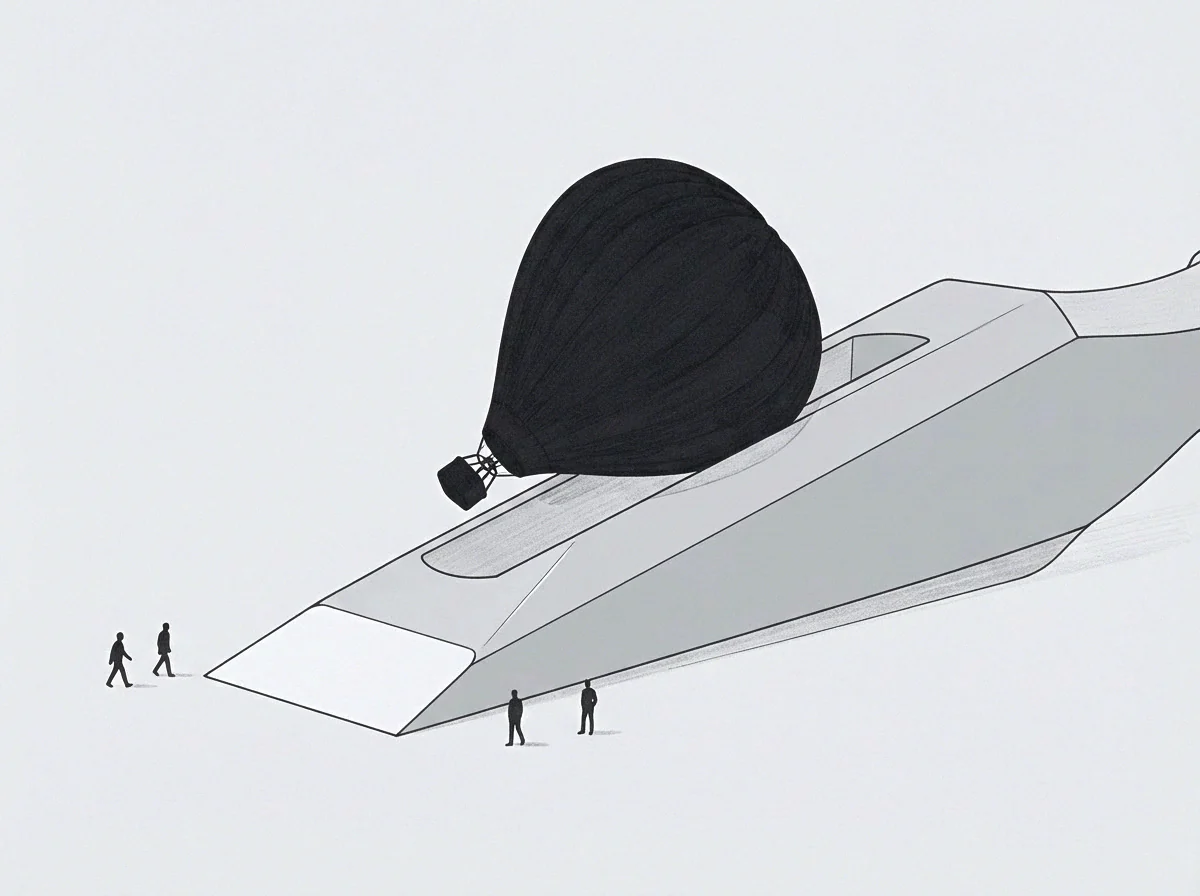
Splitting operational stress across an executive team often falls apart during market downturns. The gap between distributed duties and concentrated accountability creates sharp strain: while daily tactics spread across specialized vice presidents, legal, fiduciary, and existential risk remains tied to primary founders and directors. This uneven exposure prevents true shared stress absorption.
An executive bearing ultimate fiduciary liability cannot draw calm from a peer who bears no existential risk. Working alongside a specialized vice president provides little physiological relief to a founder personally guaranteeing corporate debt or facing shareholder disputes.

Can Distributed Baseline Borrowing Survive Rapid Dilution?
Equity dilution alters the stress dynamics within executive teams. In early-stage arrangements, founders share equal risk, common equity, and matching timelines, allowing genuine mutual reassurance. When challenges arise, early peers regulate each other effectively because their financial and professional risks align.
Subsequent funding rounds break this alignment. Later executive hires arrive with severance packages, liquidation preferences, and market salaries, while founders retain heavily diluted common shares and exposed personal identity. Under intense pressure, founders know lateral executives can transition back to the job market, breaking mutual stress regulation as the underlying risk structure separates.
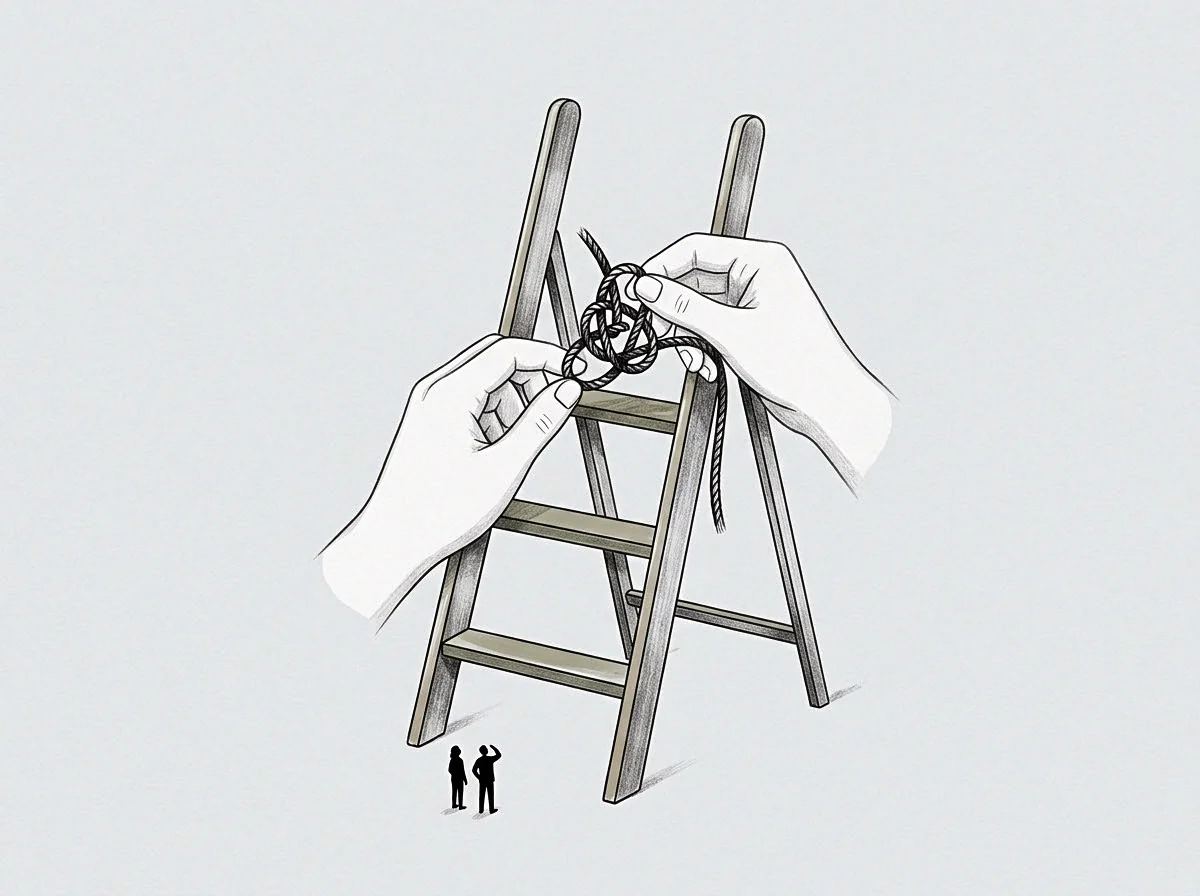
Sequential Failure of Peer Buffers
When market shocks hit an organization without central stress buffers, operational stability breaks down in a predictable sequence:
- Department leads panic when operational metrics miss target targets.
- Peers avoid shared problem-solving, hoarding information to protect departmental standings.
- Unresolved tension escalates simultaneously from multiple units into the primary executive seat.
- The lead executive hits maximum processing capacity, triggering cognitive throttling and delaying strategic decisions.
- Operational stall spreads back down to functional teams, resulting in organization-wide execution breakdown.
This sequence shows why expanding operations without explicit boundary rules accelerates organizational failure.
How a business builds its communication pathways determines whether leadership teams dampen panic or amplify instability during financial stress.

Node
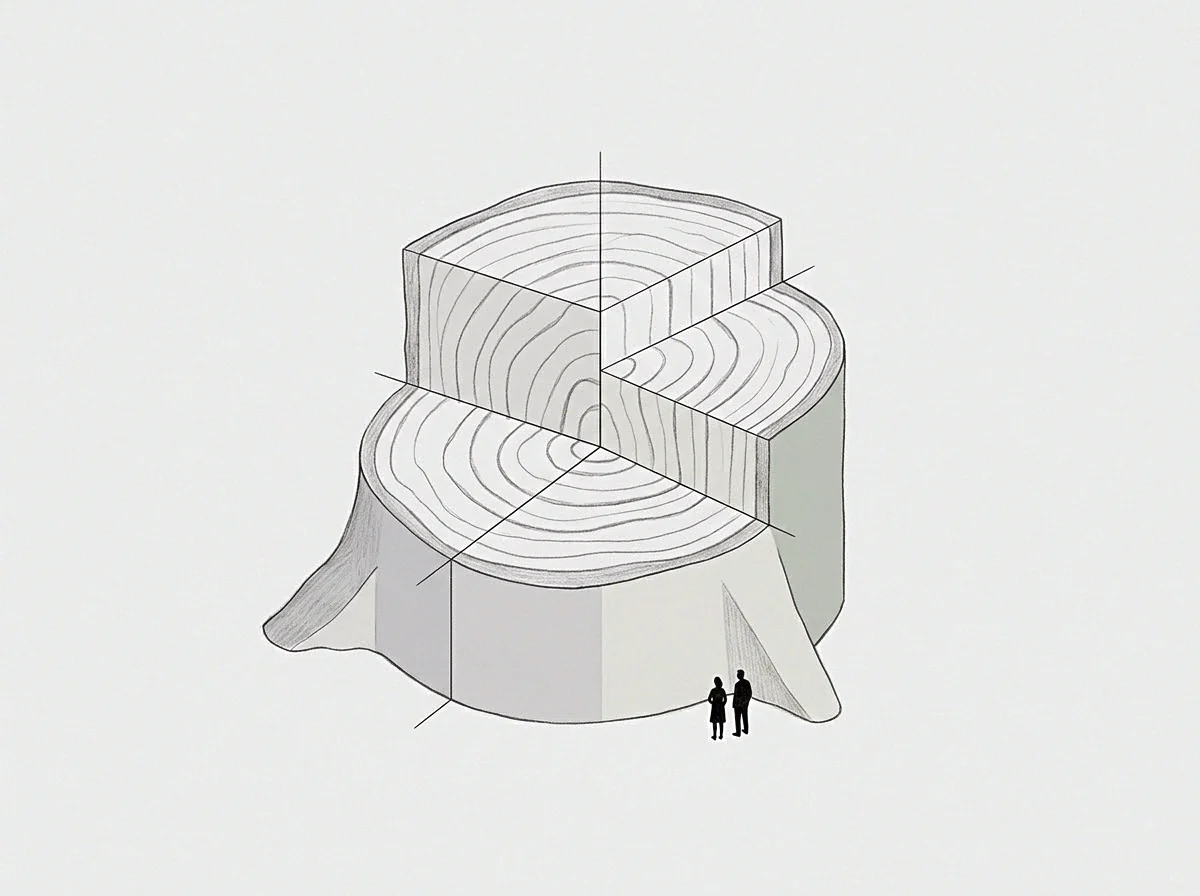
Sustained business execution requires viewing each leader as a processing node subject to firm biological limits. A company cannot scale beyond the combined capacity of its leadership team. Maintaining long-term momentum through growth stages requires explicit communication filters, clear parameters, and protecting executive focus from unmanaged operational noise.
Maintaining operational headroom requires replacing reactive crisis management with structured routines. When leaders protect their energy through clear availability limits and explicit decision boundaries, the company retains strategic clarity even under heavy commercial pressure.
Gating Thread Influx at Structural Boundaries
Sustaining mental capacity requires limiting constant messaging between managers. Unrestricted chat channels create a perpetual state of emergency, letting minor operational glitches consume mental bandwidth. Executives need structured communication: scheduled syncs, formal written memos, and uninterrupted quiet periods.
Filtering incoming demands ensures leaders operate within sustainable limits rather than at constant maximum capacity.
Organizations that design capacity limits into their operations maintain strategic clarity during market downturns. Leaders who guard their attention retain the mental bandwidth required for high-level pattern recognition and long-term capital allocation. Ultimately, company durability reflects the health and capacity of the individuals in its key seats.