
Structural Perimeter Design For Sustainable Technical Service Delivery
A stated perimeter transfers incoming service load from human operators to explicit contract terms, converting operational availability into a derived value.
Frame
Service Boundaries as Hard Structural Objects
Technical service delivery routinely fails because operational perimeters rely on individual regulator exertion rather than defined boundary parameters. When an organization expands technical services, incoming request volume pushes against the team delivering the work. In the absence of an explicit perimeter, individual engineers and operators absorb this incoming pressure through extended hours and constant context switching.
This pattern converts a structural system problem into a personal physiological load. The human operator becomes the default dampener for system volatility. Over time, allostatic load accumulates in these individuals, driving attrition and systemic instability.
A structural perimeter acts as a physical wall rather than an interpersonal negotiation. In physical infrastructure, a retaining wall holds earth back through mass and geometry rather than continuous effort. A technical service delivery perimeter operates under identical mechanics.
When incoming client requests, scope additions, or urgency demands encounter a structural boundary, the load transfers directly to the defined term rather than to the person sitting in the operational seat. The perimeter defines where the service ends and where external client responsibility begins. Without this definition, the service boundary defaults to the dynamic capacity of the most accommodating team member.
The distinction between operational heroics and structural perimeter design rests on where incoming stress lands. Heroics route system variance into human nervous systems. Structural perimeters route system variance into contractually defined queues, throttles, and financial costs.
A capacity limit stated as a hard boundary converts ambiguous pressure into a precise, countable decision for the requesting party. The system meets the term.
When technical service perimeters rely on individual exertion rather than hard structural barriers, systemic load transfers directly to the operator.
The Transfer Function of Stated Parameters
System state acts as a transfer function that determines what an incoming input produces. Mood carries no systematic transfer function. An operational team operating without explicit perimeters processes requests based on temporary energy, current stress levels, or immediate relational dynamics.
These variables fluctuate unpredictably, creating erratic service delivery and ambiguous external expectations. A client pushing against an unstated perimeter receives mixed signals: an urgent request accepted on Tuesday when energy is high gets rejected on Thursday when exhaustion sets in. The client reads this dynamic as personal resistance rather than structural capacity exhausted.
Stated parameters convert variable operational responses into predictable system outputs. When explicit perimeters govern delivery, system state is readable through transparent variables: queue depth, active ticket concurrency, response latency thresholds, and open engineering headroom. A service request arriving when open headroom reaches zero triggers an automated, pre-defined transfer function: the request enters a prioritized queue or incurs a published overage fee.
The reaction stems directly from system state rather than operator preference. Load transfers to the wall.
Establishing this transfer function requires declaring parameters before load spikes occur. Stating capacity constraints during an acute operational failure appears as emotional refusal or defensive positioning. Stating parameters during contractual onset or deliberate planning cycles establishes them as objective properties of the infrastructure.
The term holds. Leaving service boundaries governed by unstated operational goodwill destroys long-term infrastructure capacity and forces key operators out of the system.
Joint
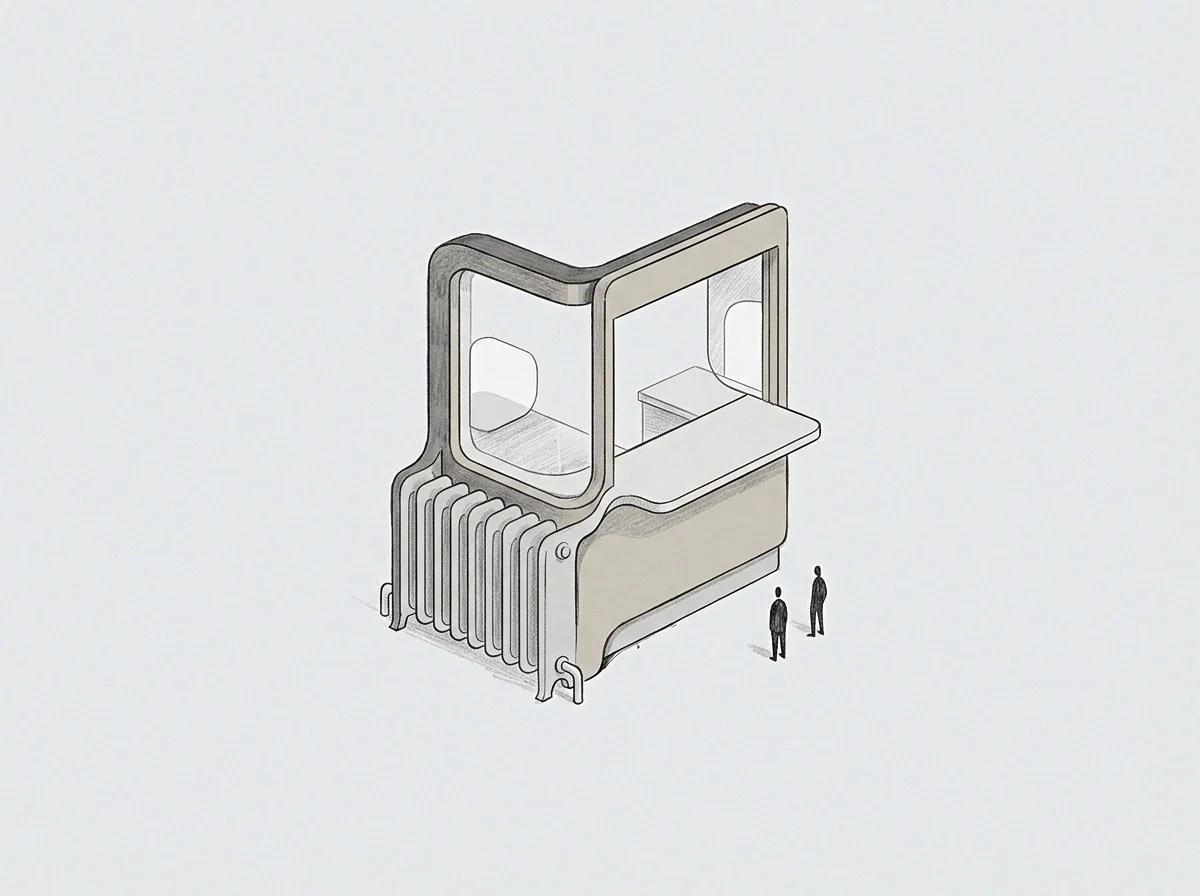
Interfaces Between Systems Under High Concurrency
The joint where a service organization interfaces with external client systems represents the point of maximum structural strain. High request concurrency at this interface tests whether the perimeter holds firm or flexes inward. In unmanaged service delivery, external requests pass directly into internal execution channels without passing through a validation barrier.
Communication channels such as immediate messaging rooms and unthrottled ticketing queues create continuous, friction-free access to core technical staff. This direct connection forces internal operators to constantly evaluate, prioritize, and context-switch in real time.
Frictionless ingress destroys technical delivery throughput. Cognitive switching costs accumulate rapidly when operators process incoming pings alongside deep technical tasks. A service joint designed for sustainable delivery places explicit structural dampeners at the interface layer.
These dampeners include standardized request formats, required lead times, batch processing windows, and automated intake prioritization. By enforcing these dampeners, the joint absorbs ingress velocity and converts continuous interruption into predictable operational batches.
Consider a technical infrastructure team supporting two distinct operational models over a three-year period. Assume the team consists of six senior engineers supporting a corporate client base. In the first arrangement, the team operates without explicit intake gates.
Clients message individual engineers directly, and request urgency is defined entirely by client preference. In the second arrangement, the team introduces a formal intake parameter: all requests must route through an intake queue with fixed triage windows at 09:00 and 14:00, accompanied by defined severity metrics linked directly to service credit structures.
The comparative performance of these two interface arrangements highlights the mechanical difference between human absorption and structural perimeter enforcement:
- Unbounded Request Ingress: Service queues accept unlimited work without queue-depth limits, pushing delivery latency past operational targets and degrading output quality.
- Implicit Escalation Paths: Emergency signals default to named individuals instead of automated system state checks, overloading specific senior operators.
- Silent Capacity Borrowing: Auxiliary engineering capacity absorbs operational routine overhead, masking the true marginal expense of service delivery.

Worked Analysis of Boundary Stress
Walking forward the first arrangement reveals predictable decay mechanics. During month six, an external system outage triggers fifty concurrent client inquiries across direct messaging channels. Because no intake barrier exists, all six engineers suspend scheduled infrastructure maintenance to answer messages.
Systemic progress halts entirely. Over ninety days, total maintenance backlog increases by forty percent, while individual daily context switches average sixty-five per engineer. The operational cost manifests as elevated error rates in core code deployments and voluntary turnover among lead staff.
Walking forward the second arrangement under identical external load conditions demonstrates structural load isolation. During a matching system outage event, fifty client inquiries enter the automated queue system. The perimeter absorbs the spike.
The intake barrier groups incoming reports by error code and routes a single consolidated alert to the on-call incident coordinator. Five engineers continue scheduled core maintenance work undisturbed. The client receives automated telemetry updates derived directly from the active incident ticket.
Daily context switches per engineer drop to fewer than eight. Service throughput remains stable because the joint absorbed the shock rather than transmitting it into core engineering seats.
The structural joint protects internal operational capacity while maintaining baseline communication clarity for external counterparties. The barrier remains firm. The team always delivered additional features under tight timelines without invoking formal change orders.
Band
How Does Capacity Transfer Across Unstated Limits?
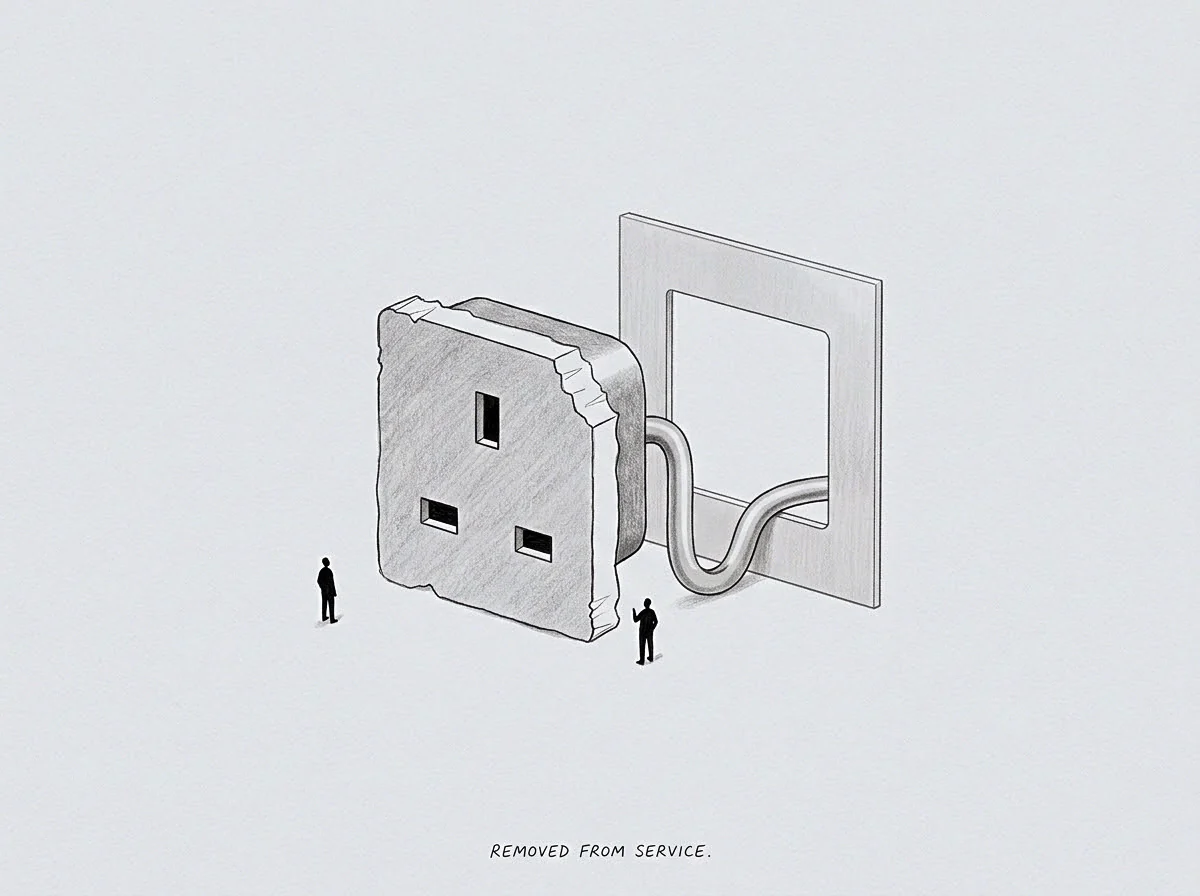
Capacity transfer across unstated operational boundaries occurs through implicit resource re-allocation and unpriced human exertion. When client demand exceeds defined service limits, an unarmored technical service organization does not stop delivering. Instead, the organization silently extracts operational headroom from internal maintenance, structural development, and staff rest intervals.
This extraction functions as a covert loan drawn against future delivery capability to satisfy immediate client pressure. Because this loan carries no direct financial price on the invoice, the client perceives technical service capacity as infinite.
This dynamic masks the true operational expense of technical delivery. Unstated perimeters allow clients to consume premium engineering time at base rates. The organization absorbs this cost internally until operational headroom vanishes entirely.
When headroom reaches zero, the service delivery system experiences acute failure: critical bugs enter production, system availability degrades, and key staff resign simultaneously. The failure appears sudden to external observers, but it represents the natural conclusion of unpriced capacity depletion.
Sustained technical service delivery relies on explicit capacity tiering. Defining clear bands of service capacity creates a transparent relationship between request volume, execution speed, and financial cost. Capacity sets the boundary.
The following comparison illustrates how different perimeter models distribute operational load and handle boundary enforcement.
| Perimeter Model | Load Absorption Location | Operational Latency | Boundary Enforcement | Failure Mode |
|---|---|---|---|---|
| Elastic Operational Perimeter | Human Operators | Variable / Unpredictable | Manual Refusal / Mood | Staff Attrition and Burnout |
| Static Stated Perimeter | Contractual SLA Terms | Deterministic Tiers | Queue Throttling | Client Escalation Disputes |
| Gated State Perimeter | Automated Intake Layer | State Dependent Buffer | System Gating | Request Dropping at Peak |
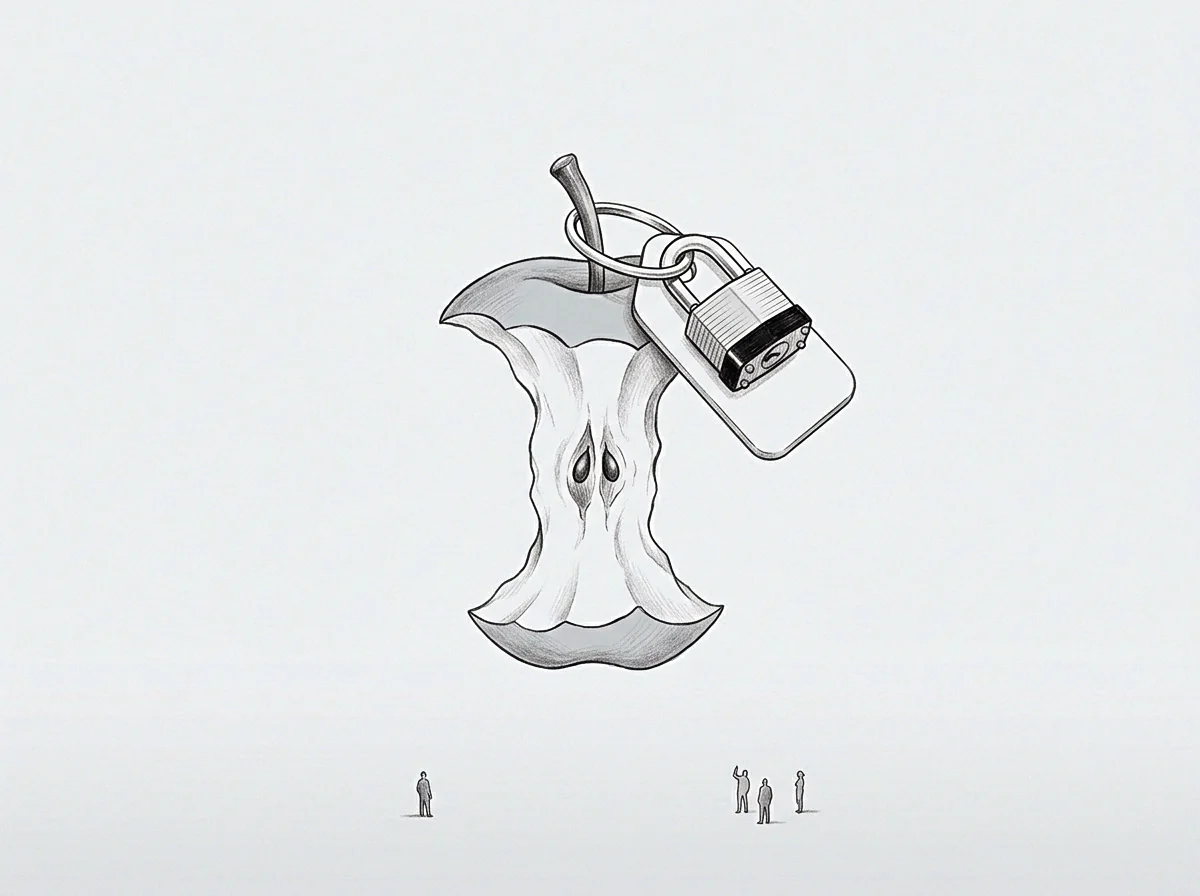
Comparative Analysis of Perimeter Implementations
The Elastic Operational Perimeter relies on internal team elasticity. Incoming demand expands freely, and the team stretches to meet it. This model minimizes short-term client friction because every request receives an affirmative immediate response.
The long-term cost remains severe: total capacity fluctuates based on current stress, and operational stability remains brittle. The system operates without readable setpoints or error signals, making long-term resource planning impossible.
The Static Stated Perimeter relies on written contractual clauses defining explicit service parameters. These clauses specify precise operational metrics: maximum concurrent support tickets, defined response windows based on ticket severity, and hard monthly hour caps. When incoming volume breaches these parameters, the system enforces compliance through financial overage billing or queue deferral.
This model removes ambiguity. The customer understands that additional service volume requires additional financial resource allocation.
A delivery term that specifies an explicit queue depth limit prevents incoming work spikes from consuming reserve operational capacity.
The Gated State Perimeter represents the most advanced structural architecture. In this model, perimeter enforcement is fully automated via delivery platform tooling. Intake systems monitor real-time internal engineering load, open maintenance tasks, and system error rates.
When internal performance metrics cross predefined threshold bands, the intake platform automatically restricts incoming non-critical service requests. The system manages its own operational setpoint without requiring manual operator intervention. Position determines capacity.
The insertion of an explicit concurrent incident clause limits active incident handling to two simultaneous engineering threads, re-routing third-tier events to automated queue buffering.
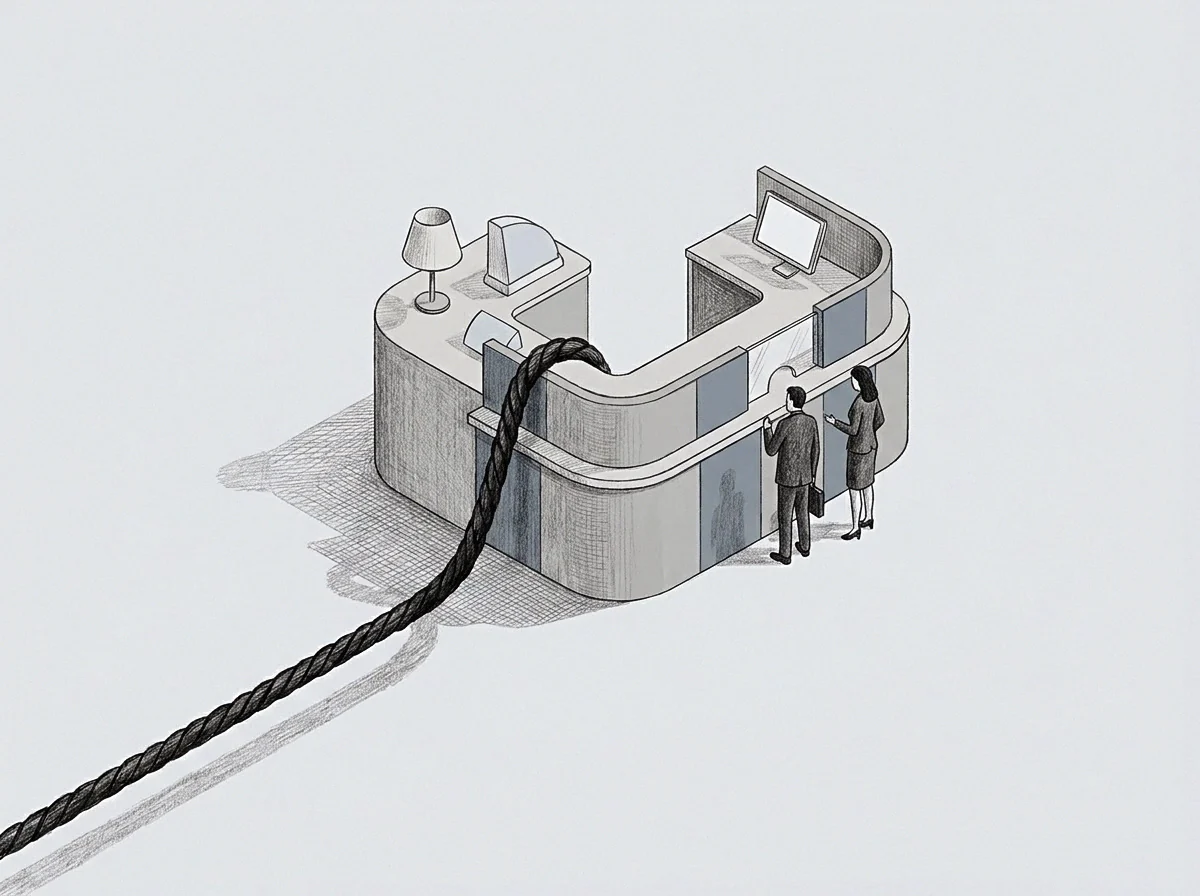
Wire
Pings as Priority Signals in Technical Delivery
Signal channels form the nervous system of technical service delivery. Every ping, message, and alert sent across a service wire represents an attempt to claim operational attention and transfer priority. In unmanaged environments, signal channels operate without baseline filtering.
Low-priority inquiries, routine operational updates, and acute system failures travel across identical wires with identical urgency markers. This lack of differentiation forces operational staff to treat every incoming signal as an immediate priority, leading to fragmented focus and elevated cognitive friction.
A ping functions as a priority signal only when signal channels reflect structural hierarchy. Sustainable perimeter design requires establishing distinct signal channels mapped directly to system impact level. Emergency channels must remain restricted exclusively to critical operational outages, enforced by strict financial or operational penalties for misuse.
General communication channels must run on asynchronous batch cadences, insulating core technical staff from continuous real-time demands.
The density and timing of incoming signals provide clear telemetry regarding perimeter health. A high frequency of high-urgency pings during non-operational hours indicates that external systems do not respect structural perimeters. The limit remains explicit.
Telemetry derived from signal frequency allows technical leaders to identify boundary leaks before complete operational breakdown occurs.
Channel availability reflects structural position rather than real-time responsiveness.
Derived Availability and the Function of Silence
Availability in sustainable technical delivery is derived rather than continuously announced. Unmanaged service providers operate under an expectation of constant real-time presence, treating silence as an operational failure or a lack of client care. This approach trains clients to demand immediate responses for non-critical issues, degrading the provider’s ability to execute complex, long-term technical tasks.
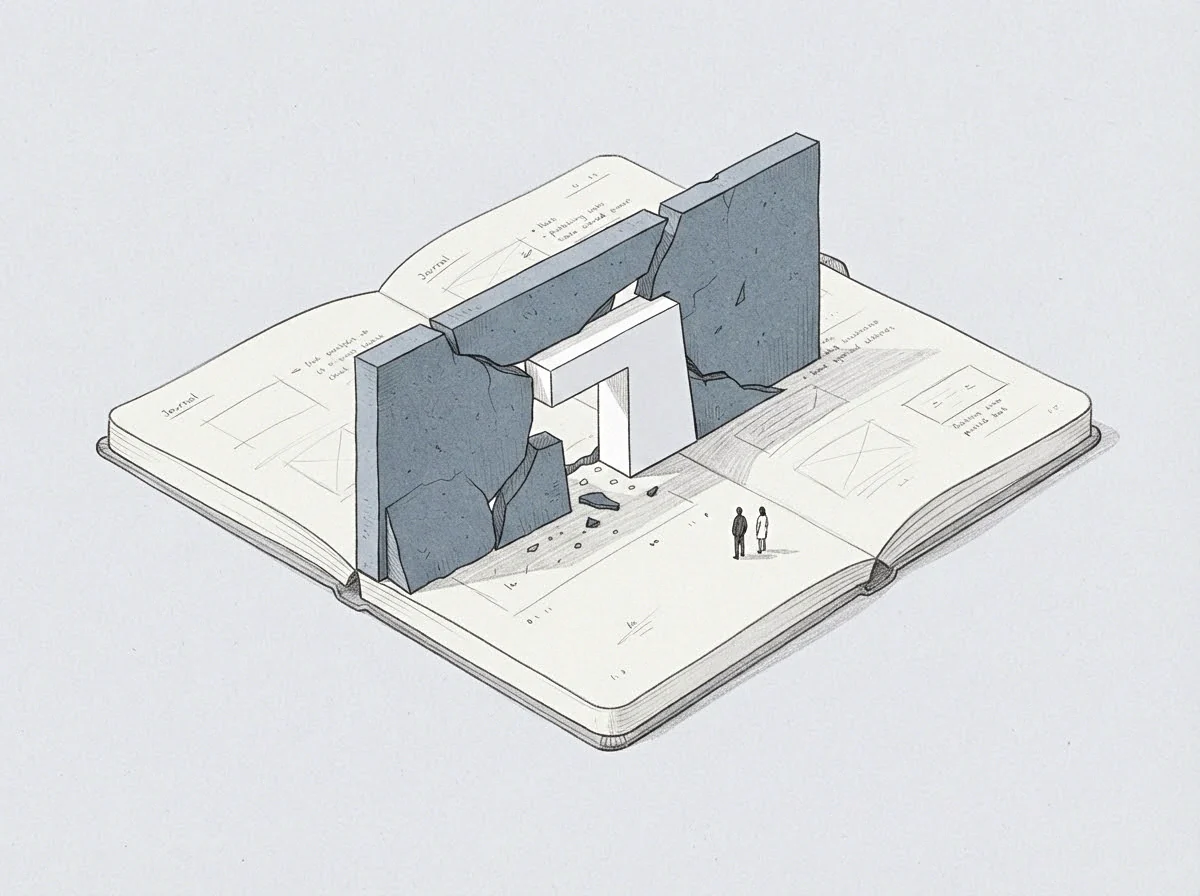
Silence represents a deliberate, necessary structural position. When a technical team is silent, the system is executing deep technical work, conducting scheduled maintenance, or preserving operational headroom. Silence defines the perimeter.
By establishing published communication windows and clear latency bounds, the organization teaches external counterparties to derive availability from system state rather than expecting immediate real-time response.
External counterparties quickly learn to interpret structured silence as a signal of system discipline rather than operational neglect. When response times strictly match published SLA bands, clients adjust their operational cadence accordingly. They batch non-urgent requests, utilize self-service documentation, and reserve urgent communication channels for genuine operational emergencies.
Latency reveals the state. Whether automated telemetry can fully replace human operational judgment during acute system failures remains a point of active debate in infrastructure design.
Gate
State Gated Execution in Technical Operations
Execution gates control the transition of technical requests from intake to active engineering cycles. In poorly structured organizations, execution is decision-gated: an operator or leader evaluates each incoming request individually and decides whether to accept or decline based on subjective judgment. Decision-gated execution imposes continuous emotional and cognitive load on decision-makers.
Under persistent client pressure, human decision-makers consistently default to acceptance, leading to over-commitment and operational degradation.
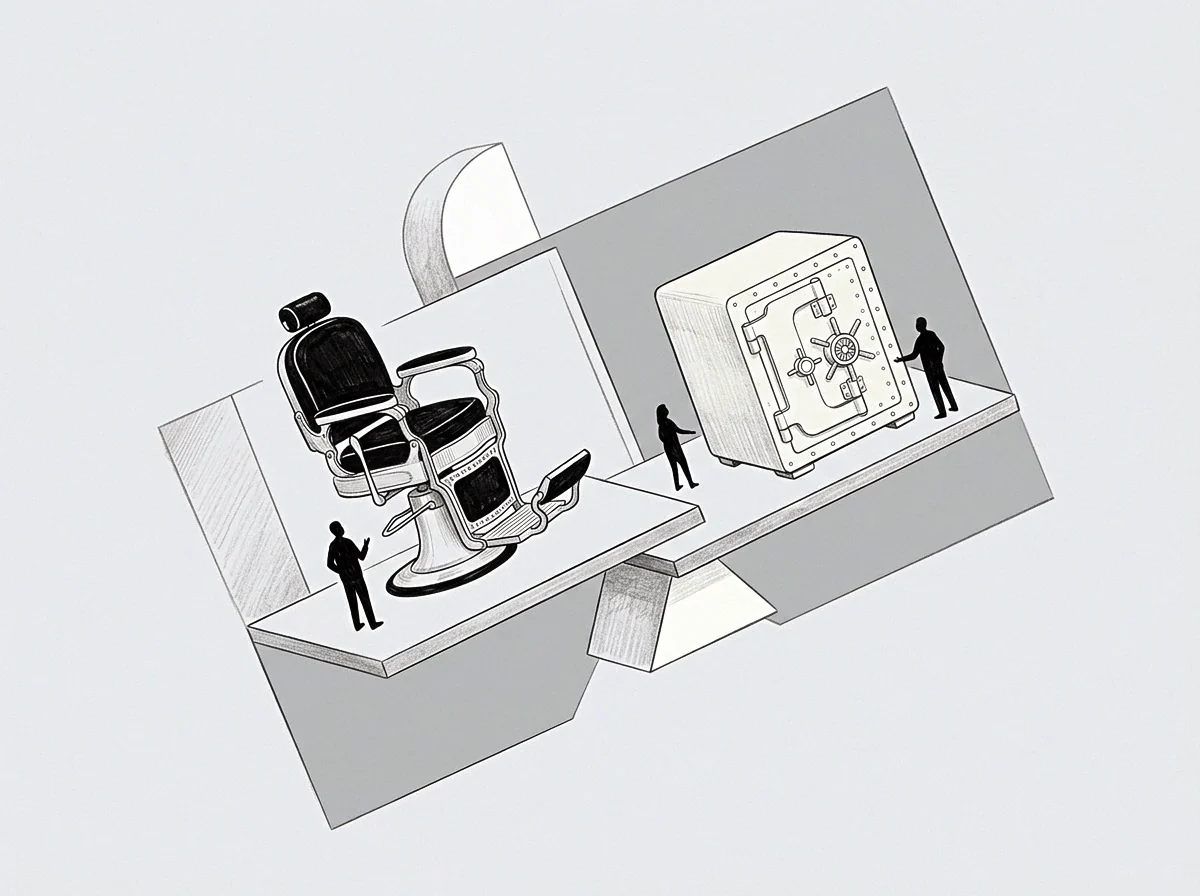
Sustainable technical service delivery relies on state-gated execution. Under a state-gated regime, execution permits depend entirely on verified operational parameters. The system checks explicit prerequisites before work begins: verified technical specifications, approved resource allocation, clear ticket ownership, and available operational headroom.
If any prerequisite fails, the gate remains closed automatically. No amount of manual deciding or client pressure opens the gate against a live state objection. State governs response.
Implementing state-gated execution shifts the operational baseline from individual refusal to systemic rule enforcement. The operator does not refuse the client; the system architecture rejects incomplete or out-of-scope requests. The contract specifies the threshold.
The following sequence defines the state-gated execution workflow for incoming technical service requests:
- The operator logs incoming request parameters against published capacity thresholds.
- The system verifies whether system health state permits execution.
- The delivery team executes approved service requests within defined bounds.
- The automated controller rejects excess volume when capacity limits activate.
Holding Operational Position Under Pressure
Holding position under operational pressure tests the integrity of the perimeter design. When external client demands escalate during peak operational periods, pressure pushes directly against established boundaries. Unmanaged organizations collapse their perimeters during these moments, accepting out-of-scope work, breaching internal working hour limits, and bypassing quality gates.
This temporary compromise establishes a dangerous precedent: the client learns that structural perimeters are flexible under sufficient pressure.
Holding position requires absolute reliance on stated terms and physical operational limits. When faced with acute client escalation, the technical team reiterates stated parameters flatly, without defensive justification or emotional negotiation. The term is stated once, the capacity limit is cited, and the financial or temporal cost for expanded delivery is presented clearly.
The client is offered an explicit operational choice: remain within agreed perimeter bounds at the baseline rate, or expand the perimeter by authorizing additional contractual resource commitments.
This approach transforms an emotional dispute into a rational resource allocation decision. The client either funds the expanded capacity required to support their demand or reprioritizes their incoming requests to fit within established bounds. In both outcomes, the technical service delivery engine remains structurally sound, internal operational headroom remains protected, and the team maintains long-term delivery velocity.
A service perimeter that relies on individual refusal under pressure eventually yields to persistent client demand.