
Executive Decision Congestion in Fast Scaling Companies
Executive decision congestion develops when rapid growth multiplies operational inquiries while approval authority remains locked in central leadership.

Seat

Arrival of the Unfiltered Request
Four messaging panes stay lit past midnight while thirty operational choices wait for a single executive confirmation. Product deployments pause on copy tweaks, legal terms wait for sign-off on boilerplate indemnities, and pay adjustments sit unreviewed as payroll deadlines draw near. The person in the executive chair absorbs every request because early on, keeping the company alive required hands-on oversight.
When headcounts triple across twelve months, operational noise scales by the number of connections rather than raw headcounts. Every newly appointed manager brings an additional stream of questions. Without explicit routing rules, those questions head straight to the person who built the initial product.
The morning inbox holds thirty urgent items. A company growing fifty percent quarter over quarter creates operational variety faster than early documentation can handle. Teams run into edge cases in procurement, partner concessions, and custom sales commitments several times daily.
Because precedent lives exclusively in executive memory, direct reports escalate every novel ambiguity to preserve their standing. Escalation shifts operational hazard off the subordinate and places it back on the executive desk. An escalated inquiry transfers allostatic load away from the manager seeking approval and onto the recipient who absorbs the request.
A central authority proven responsive under high operational pressure attracts escalating transaction volume until processing latency halts execution.
Executive attention functions as a physical accumulator with finite capacity. When requests arrive faster than human processing speed allows, queues expand and cycle times stretch. Department heads respond to delays by duplicating messages across platforms, firing off quick follow-ups to ask if the first message arrived.
The operational system tries to overcome latency by multiplying communication volume, which doubles incoming noise while draining the cognitive reserve needed for substantive decisions.

Exhaustion of the Central Clearinghouse
Operating as a universal clearinghouse creates compounding fatigue that degrades evaluative precision. Drained focus shortens working memory, narrows context, and pushes leadership toward hasty heuristics or flat deferral. Each deferred proposal triggers follow-up check-ins, meeting invites, and emergency reviews that eat up the very hours needed for deep operational analysis.
The calendar fragments into fifteen-minute interruptions.
Late approvals create quiet points of friction. When leadership acts as the sole sign-off for middle-tier commitments, operational execution separates from ground-level market feedback. Projects linger in limbo while market conditions shift and commercial partners grow impatient.
The company absorbs the delay quietly.
Prolonged centralization degrades middle-tier capability, turning strategic executives into harried administrative bottlenecks whose backlogs stall organizational growth.

Queue

Structural Drivers of Central Latency
Operational queues form whenever arrival rates outpace throughput across an indivisible resource. In a growing enterprise, executive attention is that resource. Communication tools drop the physical friction of asking a question to zero, even though evaluating that question remains mentally expensive.
When sending a query carries less perceived personal risk than making an independent mistake, managers default to asking permission. The central queue swells through structural incentives rather than individual timidity.
Every delayed approval stalls three dependent tasks. An unresolved vendor agreement halts technical onboarding, which delays infrastructure setup, which then pushes back product delivery schedules. Stagnation builds quietly across functional boundaries.
When teams rely on sequential sign-offs from a single central figure, overall velocity drops to that one person’s processing pace.
A clearinghouse without explicit processing thresholds converts every internal ambiguity into central operational drag.
The queue generates distinct categories of blockage that collect across executive communication channels:
- Personnel Compensation Adjustments arrive without clear benchmark bands, forcing executive negotiation for routine technical promotions.
- Commercial Contract Concessions bypass frontline directors whenever enterprise procurement teams propose minor tweaks to standard payment terms.
- Cross-Department Technical Prioritization surfaces to the executive office whenever two engineering leads dispute server allocation across conflicting roadmaps.
- Vendor Expenditure Authorizations pile up in clearing queues because nominal accounting rules require executive approval for routine software subscriptions.
The operator holds thirty open threads, each occupying mental capacity even when unaddressed. Uncompleted tasks create persistent cognitive intrusion, drawing attention away from strategic positioning and capital planning. The executive mind remains tied up with minor approvals while trying to evaluate major company commitments.
Left unchecked, administrative congestion distorts operations. Frontline teams abandon local context and defer to central decisions, leaving local issues unaddressed until executive attention opens up. Staff stop attempting independent fixes and wait for direction on matters well within their daily operating competency.
Filter

How Does Stated Authority Shift The Inflow?
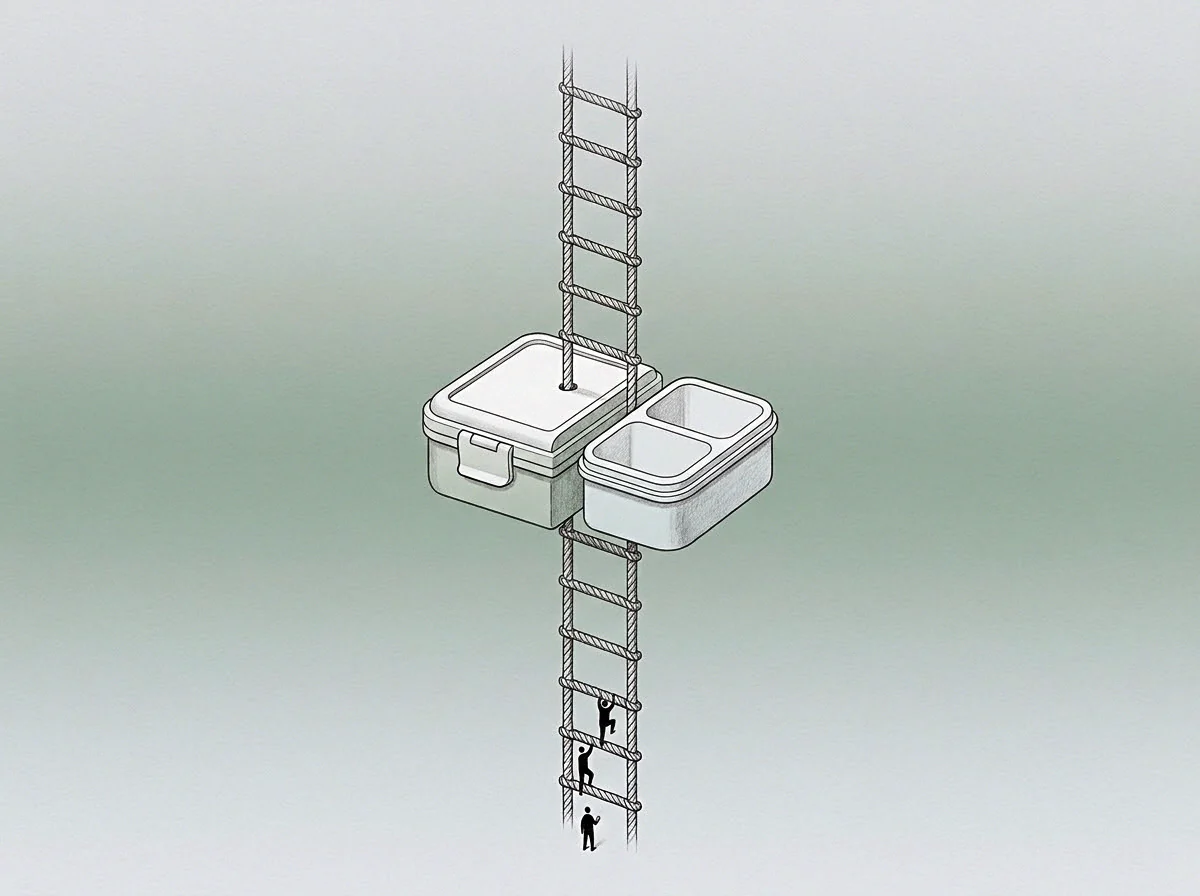
Congestion clears when authority moves from a specific person into explicit operational boundaries. A stated boundary acts as an objective wall rather than a personal negotiation. When executive leadership sets clear financial, legal, and operational delegation limits, incoming queries hit codified rules before reaching an inbox.
The work lies in turning subjective executive discretion into clear administrative parameters that staff apply on their own.
Parameters replace constant personal triage. Frontline leads check documented rules instead of sending informational pings. If a proposed action sits within the established boundary, execution moves forward immediately without executive intervention.
If an action breaches that boundary, it escalates alongside a structured briefing that isolates executive review to the specific exception.
| Routing Type | Operational Boundary | Escalation Trigger | Latency Profile |
|---|---|---|---|
| Central Discretion | Zero objective perimeter | Every novel operating question | Linear accumulation with headcounts |
| Threshold Delegation | Fixed expenditure or contractual limits | Deviations exceeding monetary boundaries | Flat response inside daily volumes |
| Distributed Mandate | Fully articulated functional scope | Structural contradictions between departments | Minimal localized processing cycles |

Codifying the Delegation Wall
Setting boundaries requires defining what stays at the edge and what moves to the center. Clear documentation lays out explicit spending limits, hiring sign-offs, and contract variance rules. A sales director gets complete autonomy to negotiate payment terms within ninety days of standard schedules.
If a prospective client asks for one hundred twenty days, that single variation triggers executive review while leaving the rest of the deal intact.
Frontline accountability solidifies when authority parameters are public and unambiguous. Managers gain real operating leeway because safety comes from following established protocols rather than seeking constant executive validation. Independent execution becomes the default posture across growing departments.
Codified parameters eliminate routine permission requests by establishing clear operational envelopes for middle management.
A corporate resolution setting discretionary disbursement limits up to one hundred thousand dollars routes eighty percent of administrative contract inquiries back to functional department leaders.
Signal
Asynchronous Information Flow and Priority
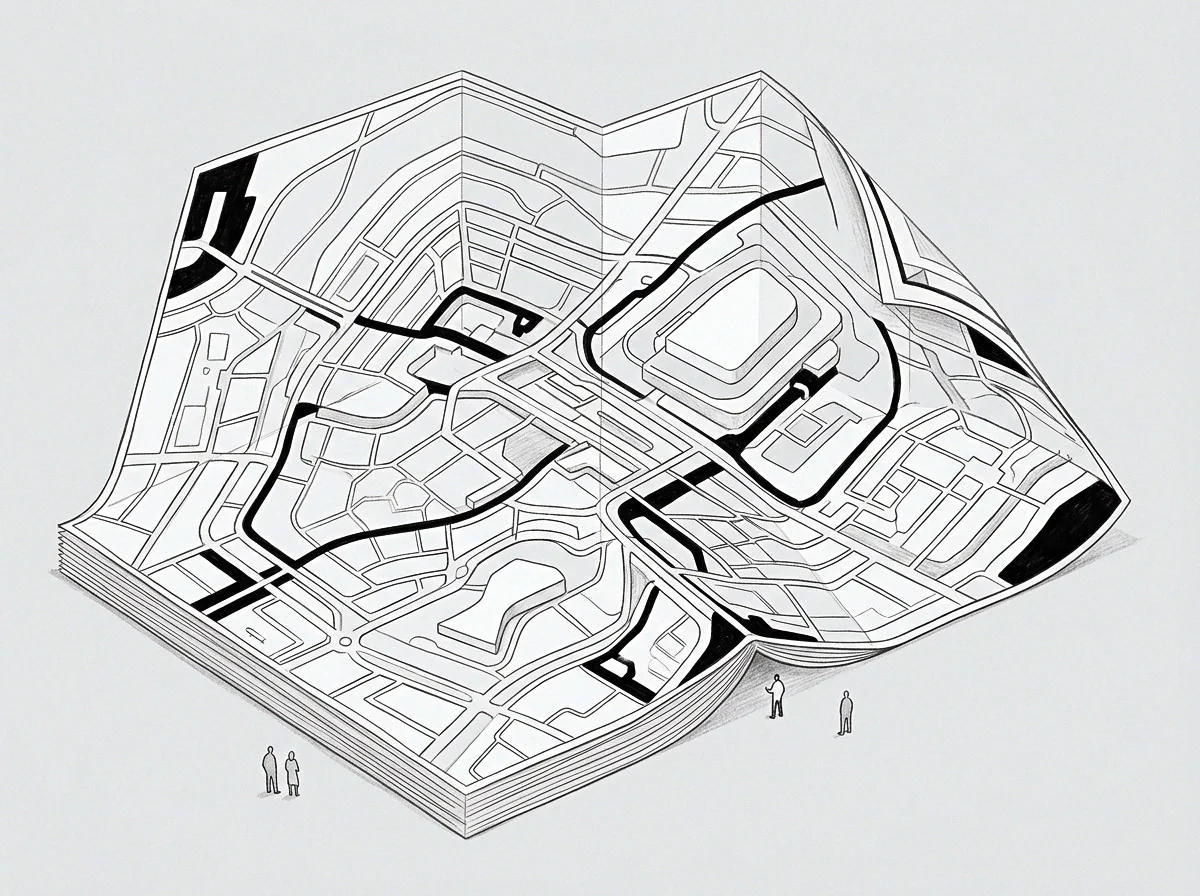
Real-time chat creates an artificial expectation of instant availability that breaks up executive focus. Urgent pings mimic substantive importance while carrying little operational weight. To protect cognitive capacity, companies replace real-time chat triage with structured asynchronous documentation.
Written memos force the sender to formulate the problem thoroughly before asking for executive time.
Structuring communications changes organizational behavior:
- The submitting lead writes a two-page summary outlining background context, options explored, and the proposed resolution.
- The lead circulates the summary to affected stakeholders twenty-four hours before central review.
- Stakeholders record written notes directly in the shared document to highlight hidden dependencies.
- The executive evaluates the gathered notes and logs a final decision in the central record.
The weekly review exposes blocked projects. Requiring structured written proposals filters out half-baked requests before they consume leadership focus. The effort required to write a clear memo forces authors to examine their assumptions, often showing that the issue can be resolved within departmental authority without executive intervention.
A silent channel cuts off chaotic inflows. When executive communication transitions from direct chat pings to scheduled review windows, the organization adopts a more deliberate operating tempo. Fire drills taper off as teams learn that instant intervention is unavailable for routine interruptions.
Frontline leaders plan projects further ahead to fit established review schedules.
Whether a growing enterprise can maintain asynchronous documentation standards during market shocks without falling back into frantic real-time intervention remains an open question.

Term

Establishing the Fixed Governance Perimeter
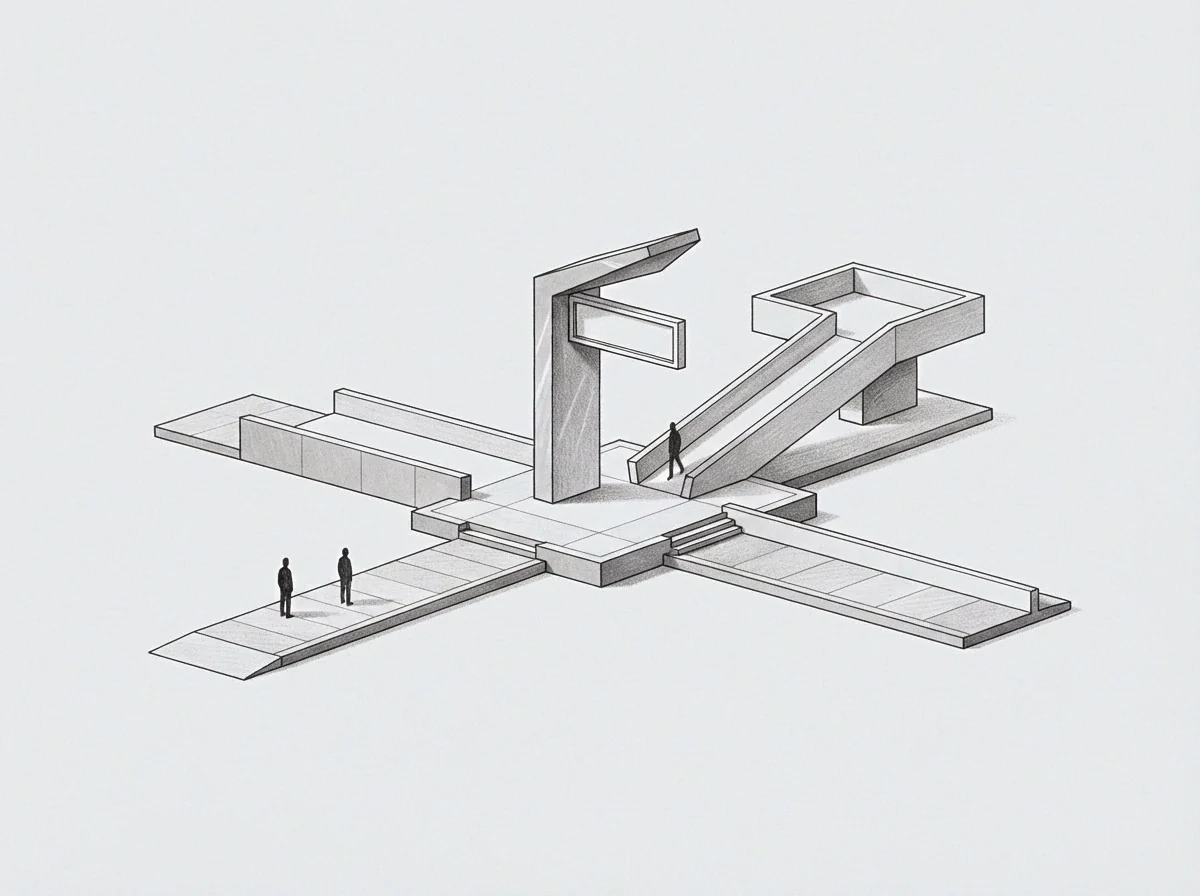
Long-term operational stability depends on treating structural limits as binding governance architecture rather than personal preferences. An executive who routinely answers out-of-channel inquiries breaks organizational discipline, teaching the company that stated rules bend to informal persistence. A boundary holds only when leadership refuses to process inquiries that bypass official channels.
Out-of-bounds submissions must return unread to their proper starting point.
The stated boundary stops off-channel requests. Operational discipline requires consistent adherence from the top. When an executive steps in to resolve a minor customer service dispute or overrides a manager’s hiring decision, the boundary dissolves.
Functional leaders pull back, and administrative congestion flows straight toward the central office again.
Executive availability diminishes automatically when operating terms define explicit boundaries between governance and execution.
Teams thrive when boundaries between strategic direction and tactical execution remain absolute. Executive leadership manages systemic architecture, resource capitalization, and functional alignment. Tactical execution, partner negotiations, and daily operational workflows belong entirely to the leaders hired to oversee those areas.
Inquiries that follow established structural boundaries move quickly to resolution, while unrouted requests bounce off the administrative perimeter.