
Designing Threshold Gated Governance Interfaces To Minimize Prospective Memory Load
Threshold gated governance interfaces convert prospective administrative obligations into deterministic state-triggered executions, eliminating mental tracking load.

Loop
An administrator opens four communication channels at midnight to check whether three co-signers executed a treasury vote before a token distribution deadline. Because the vote lacks a quorum, it remains open, requiring a return to the transaction registry in two hours. That persistent tracking is a standard prospective memory task: retaining an intention until a specific event or time threshold occurs.
When a governance platform relies on manual observation rather than automated event triggers, the human operator functions as the polling engine.
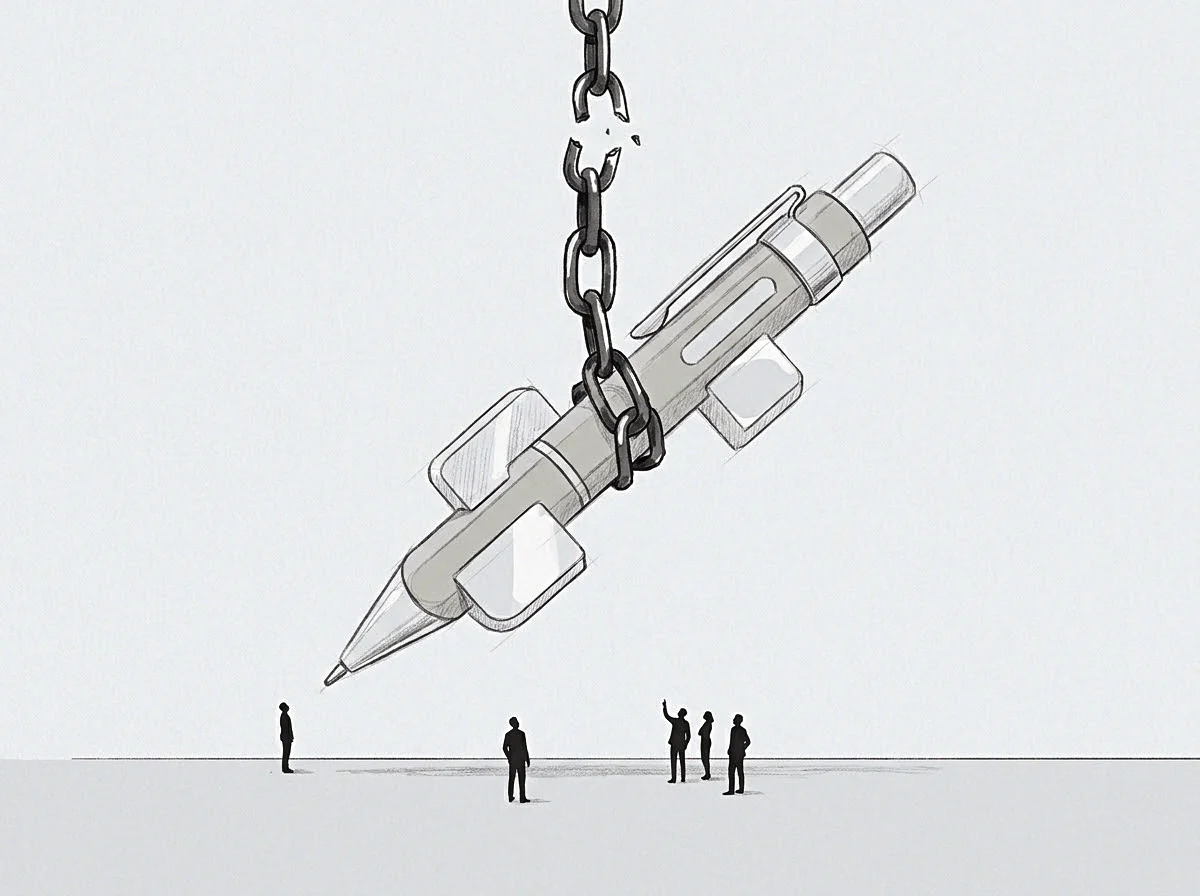
Cognitive Mechanics of Unclosed Intentions
Deferred obligations produce a continuous drain on working memory. In human cognitive architecture, working memory holds at most three to four items in active attention at any single moment. When an administrative intention remains unexecuted, the cognitive system places that intention into temporary prospective storage, periodically reactivating it to check whether execution conditions are met.
- An administrative condition is established across a distributed governance system without an automated execution trigger.
- The operator responsible for final execution retains the deferred task in working memory while attempting primary engineering work.
- Periodic mental checks interrupt core cognition every twenty minutes to evaluate whether external thresholds were met.
- Attention fragmentation accumulates over three business days until operational capacity degrades or the execution window expires.
Time-based prospective memory tasks demand significantly higher cognitive allocation than event-based tasks. Checking a dashboard at four-hour intervals forces an operator to maintain an internal clock. Event-based tasks, where the environment presents a clear visual cue, lower this burden.
Governance interfaces built around manual status checks force operators into time-based polling cycles. The brain attempts to compensate by establishing intrusive reminder routines that consume attention hours otherwise available for parameter analysis and risk assessment.
An administrator who acts as a manual monitoring system converts strategic capacity into continuous background maintenance.
The accumulation of unclosed administrative loops leads directly to decision fatigue. When six distinct governance votes sit in partially fulfilled states, an operator switches cognitive context on every notification badge. The interface presents information without indicating whether action is currently possible.
The operator processes the content, determines that quorum is still missing, and returns the task to prospective storage. What remains uncertain is the exact physiological threshold at which background monitoring breaks an operator’s ability to evaluate proposal risks accurately.

Frame
Converting governance checks into state-triggered software operations removes prospective tracking from the human participant. Threshold gating establishes an interface state where administrative actions remain hidden, locked, or un-promoted until underlying system variables cross defined boundary conditions. The system serves as an authoritative barrier rather than an information dashboard.

State Driven Trigger Architecture
Interface determinism requires that an operator interacts with a governance input only when that input produces an immediate execution. If a proposal requires twenty-four co-signatures, exposing an active sign button to the ninth signer creates an unnecessary open cognitive thread. The interface should present the sign button exclusively when the prerequisite state arrives, or execute the sequence programmatically once the threshold condition settles.
| Governance Dimension | Manual Prospective Polling | Threshold Gated Interface |
|---|---|---|
| Trigger Mechanism | Manual time checks and channel alerts | Deterministic event hooks and state checks |
| Cognitive Allocation | Active working memory tracking required | Zero prospective storage during wait state |
| Execution Latency | Variable human delay following threshold state | Immediate execution upon condition match |
| Failure Mode | Forgotten intentions and missed deadlines | Stalled parameters or missing quorum |
| Data reflects state-machine performance metrics observed across multi-signature treasury workflows. | ||
State-triggered execution shifts the governance pattern from pull to push. The operator no longer queries system state to decide whether an act is required. Instead, the interface gates access to the decision surface until all conditional variables are fully satisfied.
When governance state transitions execute automatically upon meeting numeric conditions, human attention is entirely removed from the validation pathway.
Designing these interfaces requires defining strict setpoints for every governance workflow. A threshold gated interface distinguishes between state information and actionable input. State information displays passively without generating notification alerts.
Actionable input appears only when the participant’s immediate action completes the state transition. Design the interface so that no person carries an action item whose trigger condition depends on another party’s unannounced vote.
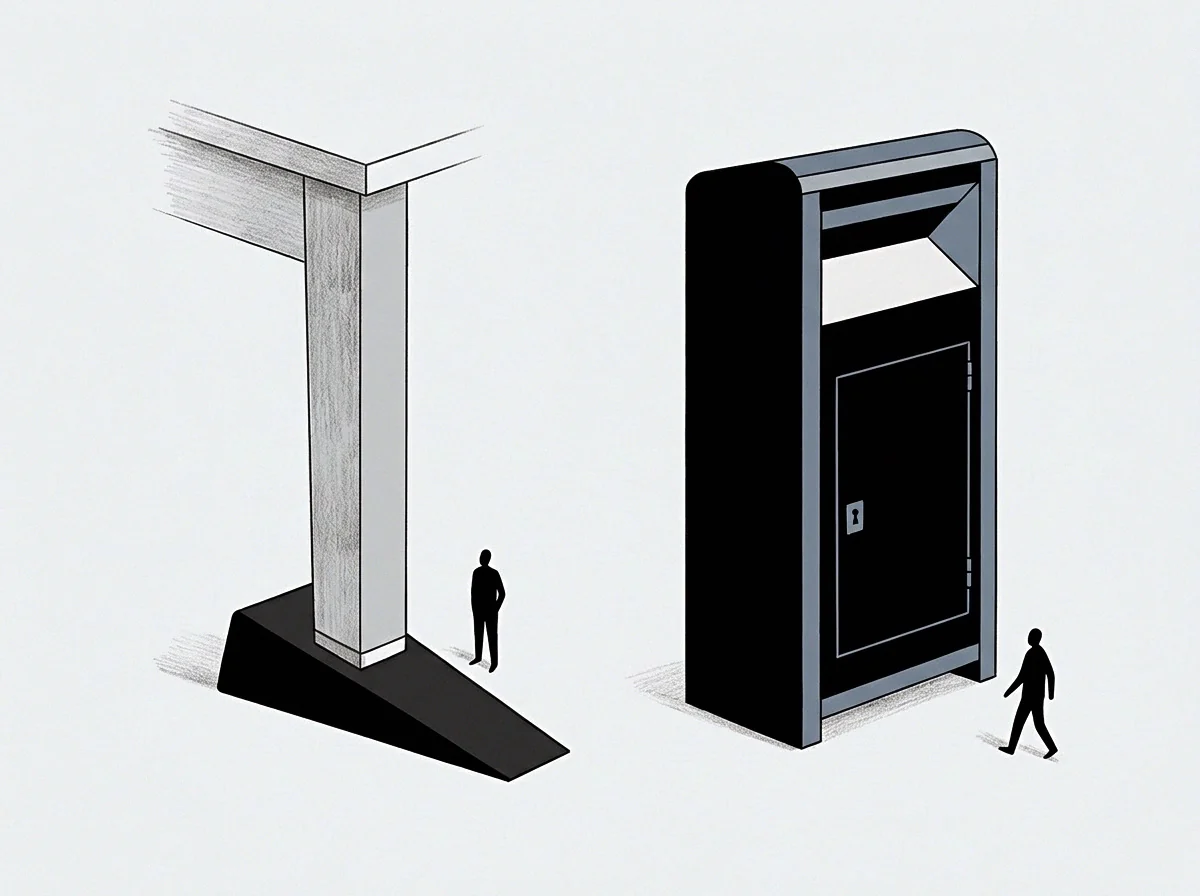
Latch
Interface architecture converts prospective tracking into deterministic software gates through structural input controls. These controls ensure that an operator cannot attempt an execution before its systemic prerequisites exist. By blocking premature input, the interface eliminates the mental effort expended on evaluating invalid state choices.

Structural Patterns for Interface Determinism
Governance platforms deploy specific structural patterns to isolate human operators from inactive state tracking. These mechanisms enforce clean operational boundaries between monitoring and deciding.
- Quorum Gated Surface Visibility hides actionable governance controls from active user interfaces until preliminary participation metrics are satisfied.
- State Driven Escalation Relays send communication pings through external channels only when an immediate decision state is reached.
- Asymmetrical Signature Latches prevent modification of submitted proposal payloads, eliminating the need to monitor post-submission revisions.
- Automated Treasury Cascades release approved allocations directly into target accounts without intermediate manual confirmation steps.
A multi-signature contract that exposes signature fields before prerequisite security checks pass creates unnecessary cognitive load. The operator opens the contract, checks security verifications, finds them incomplete, and closes the contract. This sequence repeats across multiple signers, multiplying prospective tracking load across the entire team.
An un-gated interface that exposes inactive governance actions forces continuous mental filtering every time the dashboard loads.
Implementing a quorum latch resolves this inefficiency. The interface renders the signature control only after off-chain verifications complete and required validation thresholds pass. Prior to this state, the interface displays a static status monitor indicating that no human input is accepted.
Exposing raw governance controls prior to threshold satisfaction causes systematic execution fatigue, driving operators to approve proposals without inspecting parameter payloads.

Margin
Operational equilibrium improves when governance surfaces hide active parameters until execution becomes deterministic. Assume two operators manage a treasury worth fifty million dollars across six protocol upgrades per quarter. In a standard setup, both operators monitor chat groups, track signature counts across spreadsheets, and manually trigger payouts upon observing voting completion.
This operational structure forces both individuals to maintain perpetual prospective memory load across six distinct upgrade timelines.
Under a threshold gated architecture, those same operators define the execution terms once. Parameters specify that when three independent security audits register passing hashes on-chain and token holder approval hits sixty percent, a seventy-two-hour execution delay begins automatically. The interface provides no manual intervention buttons during the voting or delay phases.
The operators maintain zero active prospective threads. Cognitive allocation drops to zero until the delay period elapses, at which point a single execution ping delivers a state-ready payload requiring one authorization click.

Does automated state gating risk governance passivity?
Delegating observation to deterministic software creates operational efficiency while raising questions regarding operator oversight. Hiding governance controls until threshold states are met can reduce peripheral awareness: if operators interact with the platform only during final execution calls, their overall familiarity with systemic parameter drift might diminish.
Automating the observation of a threshold protects cognitive capacity, whereas automating the decision itself surrenders governance authority.
The distinction lies between monitoring state variables and authorizing state shifts. Threshold gated interfaces automate the monitoring burden, reserving human intervention strictly for value-based authorizations. When an interface filters ambient state noise, the operator approaches the final authorization with unexhausted cognitive capacity.
This capacity enables deep inspection of proposal parameters rather than superficial approval driven by attention fatigue. Decisions conclude faster when member signatures are requested only after financial thresholds are verified by software.

Lock
Governance interface design achieves structural durability when administrative execution behaves like a physical barrier rather than a social agreement. Systems that rely on social expectations force participants to track one another’s availability, memory capacity, and attention limits. Structural locks replace these interpersonal tracking demands with deterministic software guarantees.
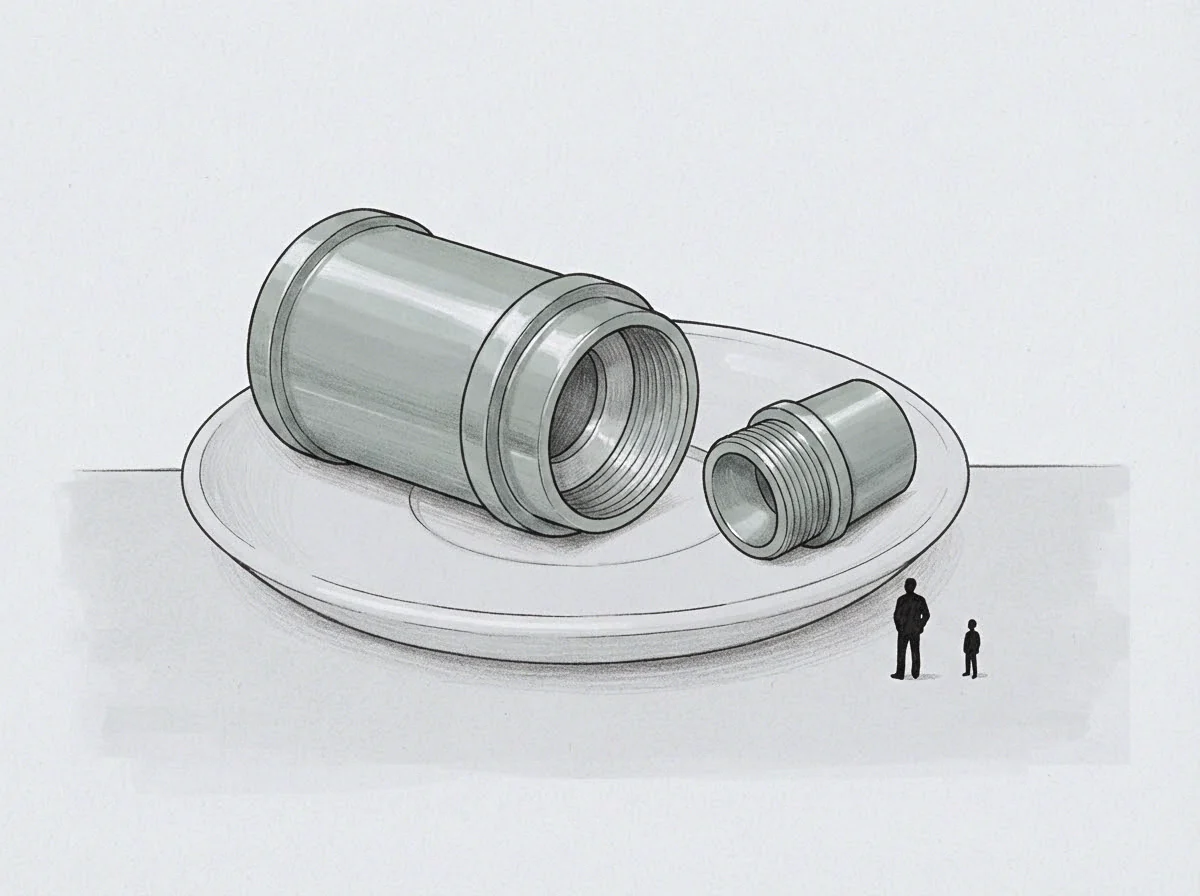
Deterministic Equilibrium in Operator Interfaces
A state gated act cannot be forced through human determination alone. If an administrative action requires three verified sub-conditions, no degree of urgency or decision-making authority moves the system state until those sub-conditions resolve. The interface reflects this operational reality by remaining locked until the prerequisites clear.
In contrast, a decision gated act depends entirely on choice. When interfaces confuse decision-gated acts with state-gated acts, operators treat every parameter check as an urgent personal duty. This confusion accelerates cognitive exhaustion.
Designing for prospective memory minimization requires isolating decision-gated acts behind strict state-gated boundaries.
Threshold gated architecture preserves the long-term attention capacity of human regulators. When governance platforms convert deferred obligations into state-triggered software events, the operational burden transfers permanently from human memory to code logic. The operator sits before a surface that speaks only when an action actually changes the state of the system.
A threshold gated execution rule written directly into contract logic converts a deferred human obligation into an immediate computational state change.