
Decoupling Synchronous Availability Limits Allostatic Load Transfer In Founder Teams
Decoupling real-time availability limits allostatic load transfer by replacing continuous emotional co-regulation with structured asynchronous friction.

Channel
Four messaging windows remain active past midnight while two founders review a single enterprise proposal. Autonomic arousal transfers across real-time text threads long before an operational consensus forms. One partner receives a high-arousal notification concerning a minor commercial ambiguity, registers a elevated heart rate, and responds within forty seconds.
The immediate response signals total continuous access, inviting the secondary partner to offload raw, unthrottled uncertainty directly into the shared workspace. Autonomic reactivity echoes back and forth across open communications tools during off-hours operations.
Co-regulation models in affective neuroscience demonstrate that human nervous systems mirror the stress states of proximate partners. In founding teams, continuous synchronous connectivity turns this biological co-regulation mechanism into an unfiltered conduit for metabolic stress. The human nervous system treats real-time availability as proximity, drawing down metabolic reserves to process incoming emotional cues from peers.
When availability is continuous and unthrottled, founder A’s spike in allostatic load instantly transfers to founder B. The incoming ping forces immediate attention reallocation, forcing the receiving partner to absorb sympathetic nervous system activation regardless of the operational urgency of the underlying message.
The operational cost of unthrottled presence accumulates silently across fiscal quarters. Systems running under perpetual synchronous expectation destroy the cognitive headroom needed for long-horizon evaluation. The physical presence of an open chat window creates a persistent low-grade threat posture in the brain, elevating baseline cortisol levels throughout extended work schedules.
The ping was sent because the channel was open, not because the decision required an immediate consensus.

Drain
Continuous synchronous presence accelerates metabolic wear across executive leadership structures. Neuroendocrine research defines allostatic load as the cumulative biological cost of repeated adaptation to chronic stressors. When founder teams maintain real-time availability expectations, the nervous system never returns to a parasympathetic baseline during waking hours.
Small operational friction points trigger systemic hormonal responses that ought to be reserved for existential company threats.

Which Operational Conditions Accelerate Physiological Load Transfer?
Unthrottled real-time channels turn structural uncertainty into personal physiological taxation. The receiving partner acts as an external emotional buffer for the sending partner, absorbing raw affective volatility before the sending partner processes the issue internally. The continuous transfer of unresolved friction prevents both individuals from consolidating cognitive resources.
| Operational Dimension | Synchronous Real-Time Baseline | Decoupled Asynchronous Baseline |
|---|---|---|
| Primary Transmission Mode | Instant messaging, real-time alerts, uncapped off-hour calls | Scheduled syncs, structured memoranda, batched status logs |
| Autonomic State Impact | Persistent sympathetic activation, elevated tonic cortisol | Periodic acute focus followed by parasympathetic recovery |
| Structural Load Allocation | Immediate transfer of unthrottled uncertainty to counterparty | Internal processing of problem before operational exposure |
| Decision Surface Integrity | Reactive, state-dependent, short-horizon interventions | Deliberate, position-gated, systematic long-horizon choices |
The daily volume of real-time pings correlates directly with executive cognitive exhaustion. The body registers the ping. Intermittent notifications shatter deep working states, forcing high-cost context switches that drain executive energy reserves faster than complex analytical labor.
Operating under continuous interruption guarantees high physiological wear while degrading decision quality across all domains.
The continuous availability of executive leadership converts transient operational friction into systemic biological exhaustion.
Take two partners running a high-growth technology company with thirty employees. Assume both partners share access to continuous mobile chat channels and expect replies within fifteen minutes between seven in the morning and eleven at night. When an enterprise client requests a custom contract term at nine in the evening, partner A experiences an immediate surge in cognitive anxiety.
Instead of sitting with the discomfort to evaluate contract terms calmly, partner A fires six rapid messages into the shared channel. Partner B receives the pings during dinner, experiences an identical physiological stress response, and abandons personal baseline recovery to debate the term. The issue could have waited for an eight in the morning review without commercial penalty.
The continuous channel allowed partner A to offload internal emotional tension onto partner B, doubling the biological wear incurred by the executive team.
Failing to establish structural barriers against continuous presence leads directly to founder burnout, executive fracture, and severe decision errors under pressure.
Filter
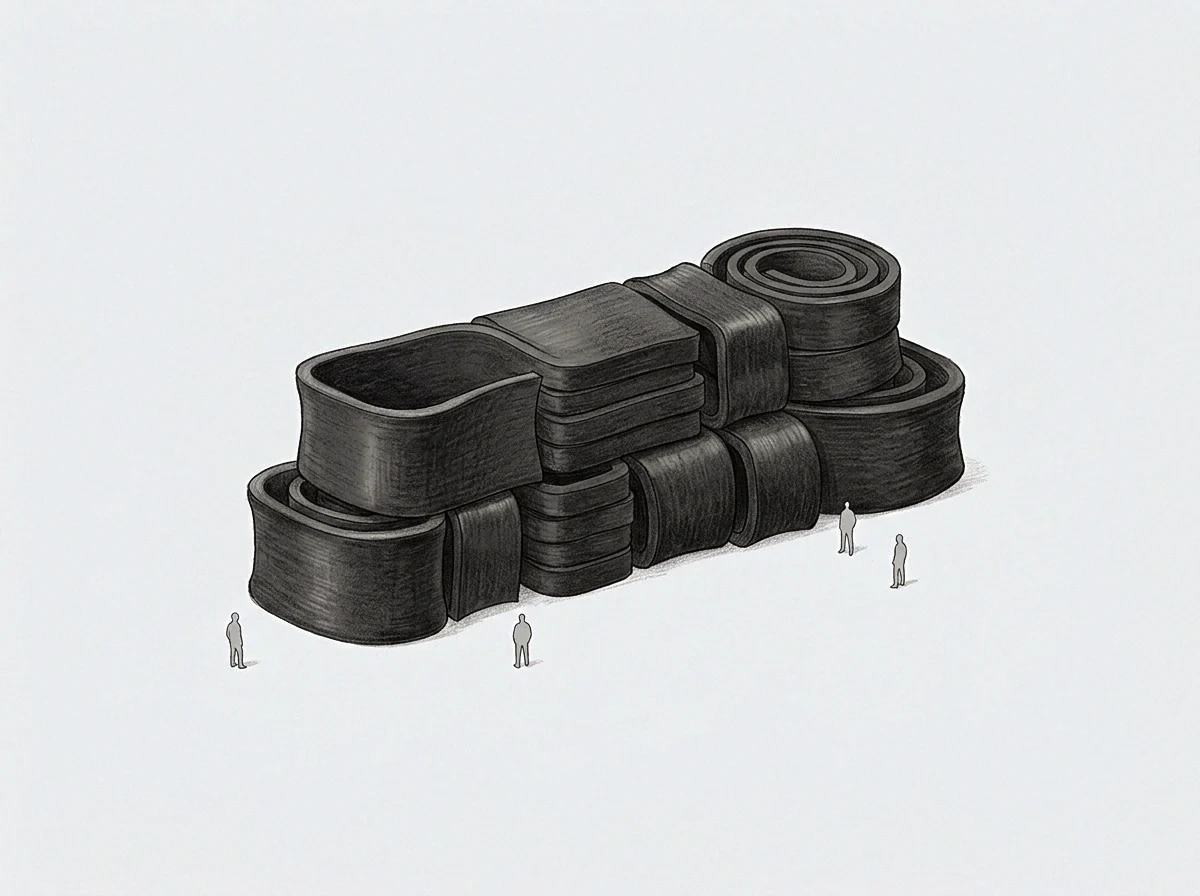
Decoupling availability requires converting real-time access into batched, asynchronous interfaces. A stated limit acts as a structural wall within an organization, protecting human capacity from continuous unthrottled demand. The wall holds.
Moving from continuous synchronous access to structured asynchronous communication breaks the immediate loop of emotional stress transfer. When a founder encounters an operational friction point, an asynchronous protocol forces that founder to formulate a written statement of the problem, proposed options, and explicit terms before involving the co-founder. The act of drafting a structured document requires cognitive synthesis, which dampens autonomic arousal prior to communication.
The receiver encounters a rational analysis rather than a raw emotional state.
A stated operational term limits emotional load transfer by replacing immediate reaction with deliberate written friction.
The structural transition from real-time reactivity to asynchronous execution requires clear operational stages:
- Channel Restriction narrows real-time messaging tools strictly to tier-one operational emergencies such as server outages or legal breaches.
- Batching Schedules establish two fixed daily windows for reviewing non-urgent operational updates and counterparty inquiries.
- Memorandum Mandates require all non-emergency decision requests to arrive in a standardized two-page format containing problem definitions and trade-offs.
- State Verification allows leadership to decline unscheduled real-time syncs when baseline cognitive capacity drops below operational thresholds.
The system responds. Throttling incoming inputs prevents the continuous transfer of baseline anxiety across executive roles. Establishing clear windows of non-availability creates space for recovery, lowering baseline allostatic load across the team.
Operational efficiency increases as team members resolve minor friction points independently rather than offloading them onto co-founders.
Clear rules governing channel priority preserve leadership capacity without harming operational responsiveness.
Boundary
Distinguishing internal physiological state from transient psychological mood remains essential for long-term operational resilience. State represents the physiological transfer function governing what an individual can produce given current metabolic resources, cognitive headroom, and baseline recovery. Mood represents a noisy biological output carrying zero actionable information regarding system health or operational strategy.
Decision-gated actions depend on conscious strategic choice, whereas state-gated actions remain physically unachievable when underlying metabolic reserves drop below critical setpoints.
Unthrottled teams routinely mistake state-gated failures for deficiencies of personal will. When a founder experiences profound allostatic overload, cognitive processing speed slows, threat detection amplifies, and short-term memory capacity contracts. Forcing decision-making under these biological conditions yields catastrophic strategic mistakes.
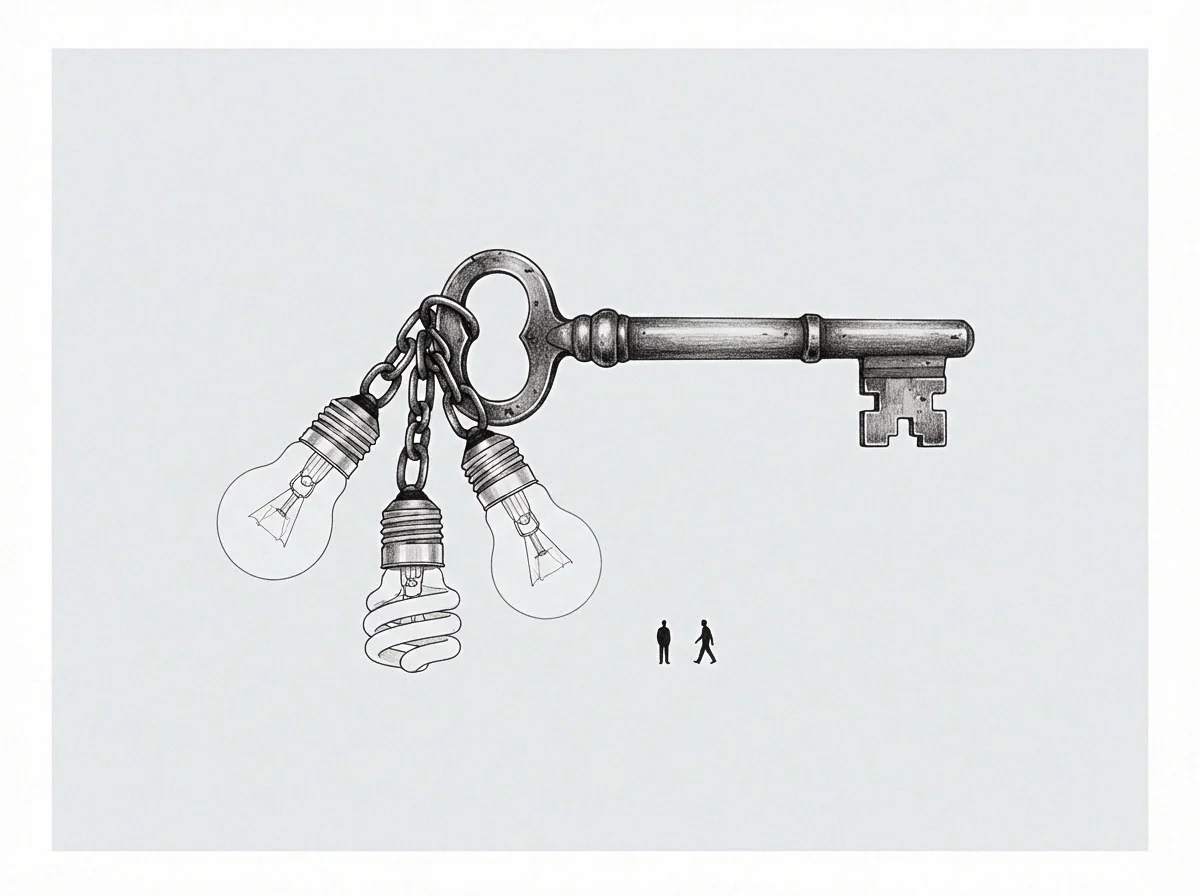
Stating explicit operational limits creates a physical boundary that shields executive state from external overload.
State dictates operational capacity while mood merely reflects transient internal wear.
Unthrottled real-time access generates predictable organizational pathologies within founder leadership:
- Reactive Escalation leads to immediate catastrophic framing of routine business challenges due to shared physiological fatigue.
- Decision Atrophy causes constant reliance on counterparty validation for minor operational choices, eroding individual authority.
- Chronic Hypervigilance maintains continuous high-arousal threat monitoring that destroys deep work capacity across leadership seats.
- Covert Resentment builds silently as one partner absorbs excessive emotional offloading without explicit structural compensation.
Capacity drops instantly. A limit stated once functions as an objective external constraint rather than an ongoing personal negotiation. When partners treat availability as a derived property governed by stated operational terms, the impulse to offload raw anxiety vanishes.
The counterparty adjusts to the wall, learning to process operational input locally before escalating.
Establishing clear, written thresholds for emergency escalation converts raw personal availability into a transparent operational contract.

Position
Availability is derived by counterparties through observed behavior and stated costs rather than announced via self-help declarations. When a founder sets explicit terms around working hours, message response windows, and decision formats, the co-founder derives true availability without requiring continuous interpersonal negotiation. The stated limit replaces emotional friction with structural clarity.
Silence defines the position. A channel that remains unpinged during off-hours reflects clear structural boundaries and established operational priority. When leadership refuses to participate in late-night reactive exchanges, team members stop using real-time channels for non-urgent emotional processing.
The operational silence allows all parties to recover baseline biological balance, preserving critical focus for high-stakes execution.
Availability is never announced; counterparties derive it directly from observed operational costs and structural boundaries.
Holding a structural position requires accepting the initial discomfort of counterparty friction when real-time availability ends. The term governs. The initial shift from continuous access to throttled communication often triggers temporary anxiety in peers accustomed to instant emotional offloading.
Sustaining the boundary through consistent operational execution proves the value of the structural wall, allowing both partners to operate at peak cognitive capacity over extended time horizons.
The cost accumulates. Decoupling synchronous availability protects the physiological integrity of the founding team, capping allostatic load transfer and securing long-term operational performance. The structural wall protects leadership capacity, ensuring that critical executive energy remains focused on true strategic priorities rather than transient emotional noise.