
Asynchronous Repositories Lower Stress In Remote Engineering Teams
Asynchronous repositories lower remote engineering stress by replacing real-time social vigilance with durable, deterministic file diffs and isolated branches.
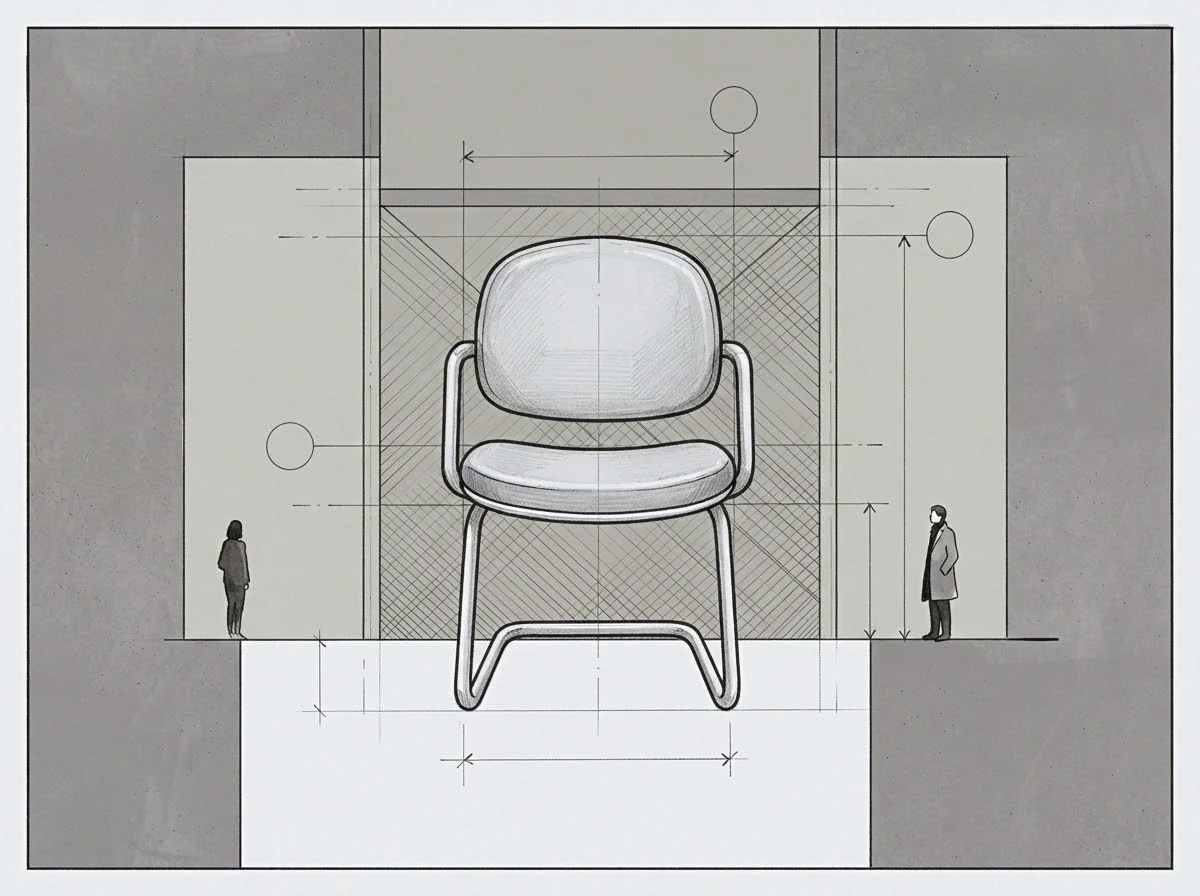
Shelf
An engineer sits before a terminal in an empty room at midnight, staring at five chat windows that demand replies while ten automated notifications accumulate in another panel. The incoming messages scroll faster than code can compile. When every question arrives inside an ephemeral stream, attention fractures into fragments that cannot hold a complex data structure.
The engineer answers the loudest prompt, drops the logic of an uncommitted database migration, and restarts the task an hour later under elevated tension. The central nervous system treats each incoming ping as an immediate claim on capacity. Without a physical boundary separating execution from coordination, the body remains locked in heightened alertness.
A version-controlled repository changes the physical distribution of coordination. The repository functions as a durable storage plane where state lives outside working memory. Work submitted through structured commits, descriptive branch documentation, and asynchronous reviews separates the transmission of information from the demand for an immediate reply.
The engineer deposits completed logic onto the remote disk and walks away from the machine. The artifact waits without degrading, and the person who pushed it closes the lid without defending their absence.
A stored artifact preserves operational context under zero active physiological maintenance from the person who wrote it.
The transition from real-time messaging to an asynchronous repository removes the expectation of instant co-presence. In real-time chat environments, silence reads as negligence or social withdrawal. A team member who disconnects risks missing architectural shifts or urgent production patches, which creates an implicit term of perpetual vigilance.
In contrast, an immutable commit log makes progress legible through inspection of the tree. The team reads the git history, parses the automated test suites, and evaluates the pull request when their own local schedule permits. The system offloads coordination from interpersonal friction to the file tree.
When engineering organizations force complex architectural changes through ephemeral discussion channels, conversational drift replaces verified diffs, untracked assumptions proliferate across shifts, and the resulting production incidents extract hours of emergency remediation from exhausted personnel.
Valve
Systemic throughput depends on regulating the rate at which outside requests penetrate deep analytical work. In standard remote setups without structural friction, interruption arrives unthrottled. Every collaborator holds direct access to the engineer’s active consciousness through immediate mentions, video calls, and instant queries.
An asynchronous code repository establishes a rate-limiting mechanical interface between external demand and internal capacity. The pull request operates as a governed intake that accepts inputs strictly through structured formats.
Coordination Modes and Cognitive Strain
Direct comparisons between synchronous messaging and repository workflows reveal distinct physiological and operational trade-offs across remote teams.
| Coordination Channel | Temporal Coupling | Information Persistence | Attention Cost | Recovery Latency |
|---|---|---|---|---|
| Direct Message Stream | Tight | Volatile | High Continuous | Twenty-three Minutes |
| Ad Hoc Audio Bridge | Immediate | Zero | Total Singular | Forty Minutes |
| Structured Repository Diff | Decoupled | Permanent | Low Scheduled | Zero Induced |
| Automated CI Pipeline | Detached | Deterministic | Passive Background | Negligible |
The structured diff decouples the writer from the reviewer. A reviewer examines forty lines of patch code, annotates specific syntax choices within the diff interface, and submits the critique in a single pass. The submitter processes those comments during their next planned review block.
The transaction generates zero conversational churn. Neither participant synchronizes their heartbeat or calendar to complete the handover.
A stated review cadence prevents queue growth without subjecting contributors to real-time vigilance.
Two distinct operational boundaries define this transmission path:
- Structured change manifests contain complete reproductions, reproduction commands, and diagnostic outputs so that the reader reconstructs context without verbal queries.
- Deterministic verification gates evaluate test suites and integration points automatically, which removes interpersonal anxiety from basic code hygiene enforcement.
- Explicit review SLAs define the exact schedule for evaluating submitted changes, allowing contributors to move forward without wondering when feedback will arrive.
Batching reviews through repository interfaces stabilizes the operational rhythm across time zones. A remote developer who knows that pull requests undergo review twice daily, rather than within five minutes of submission, stops scanning notification badges. The autonomic nervous system downregulates from defensive readiness to sustained focus.
The repository acts as a shock absorber that dampens social pressure into predictable mechanical checkpoints.
Urgent demands routed through written repository issues lose their artificial panic and assume their true operational dimensions.
Lock
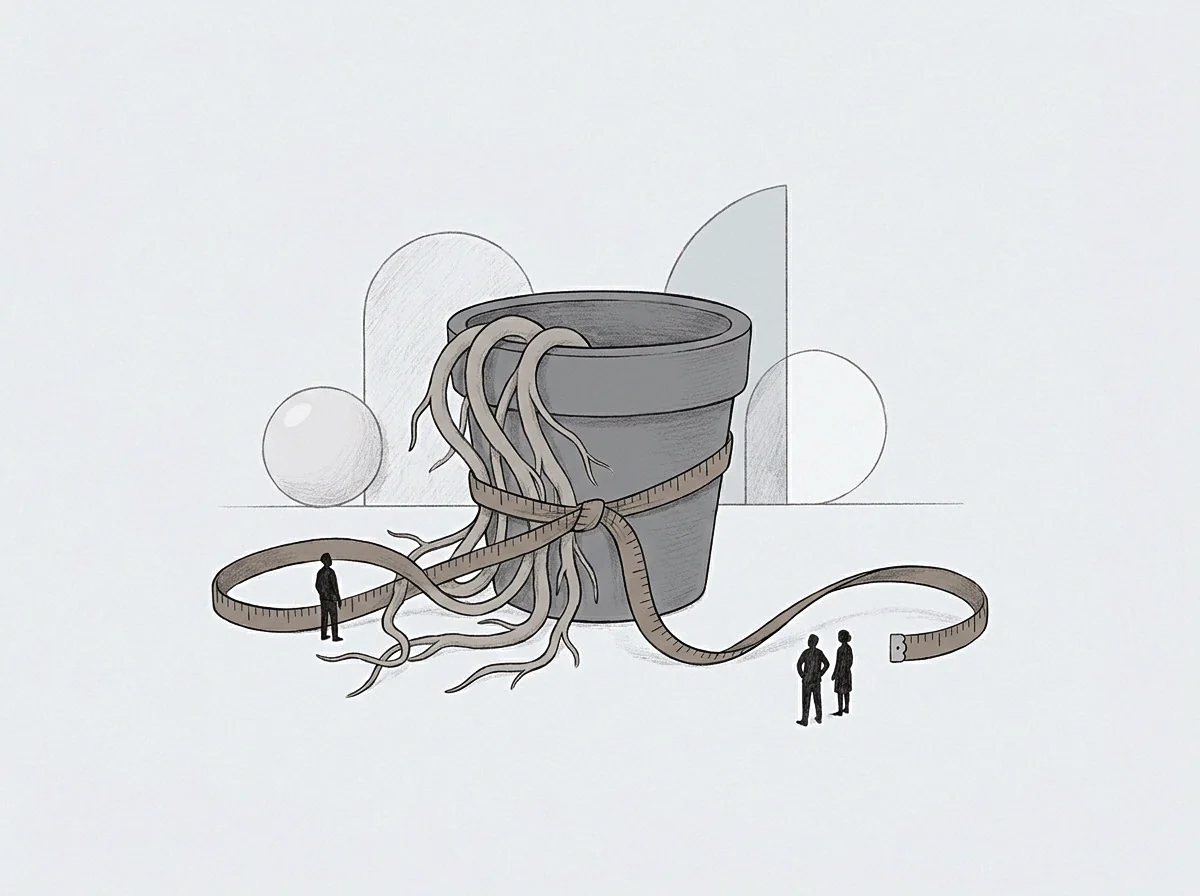
Distributed development models run on atomic isolation. When multiple engineers modify the same application state simultaneously without coordination boundaries, their work collides. In synchronous engineering cultures, people resolve collisions through meetings, alignment sessions, and endless message chains.
These interpersonal consensus rituals consume massive metabolic energy. An asynchronous repository substitutes human negotiation with cryptographic trees and branch isolation.
Concurrency Control Without Social Strain
Branching mechanisms allow an engineer to work in complete isolation from the mainline trunk. The local environment acts as a protected room. The engineer refactors critical subsystems, tests speculative interfaces, and breaks existing conventions without notifying a single coworker.
No social permission is solicited during the drafting phase. The version control system isolates the change until the author decides the work is complete.
Branch isolation shields the contributor from public inspection until the internal logic of the change is resolved.
Consider a typical remote team of eight software engineers distributed across four continents. Assume the team maintains a distributed billing service handling recurring subscriptions. When an incident occurs in the billing pipeline, a synchronous culture defaults to an immediate emergency voice room with six engineers listening while two debug.
Attention burns across the group. In a repository-first organization, the on-call engineer branches the codebase, adds a failing unit test that isolates the edge case, and pushes the reproducible failure to the remote server. The remaining seven engineers sleep uninterrupted.
The artifacts contain the entire diagnostic record. The system met the failure with a recorded commit rather than a panic summons.
The cognitive load transfers from interpersonal management to formal artifact inspection. Merging requires passing continuous integration checks and securing approval on the diff. The discussion focuses strictly on the code lines presented.
Personality, seniority posturing, and conversational dominance lose their operational leverage against compiler errors and unit test failures. The rules of acceptance sit in the repository configuration rather than the mood of a manager.
The pull request was reviewed thoroughly, all unit tests passed cleanly, and the production deploy completed without a single conversation.
Record
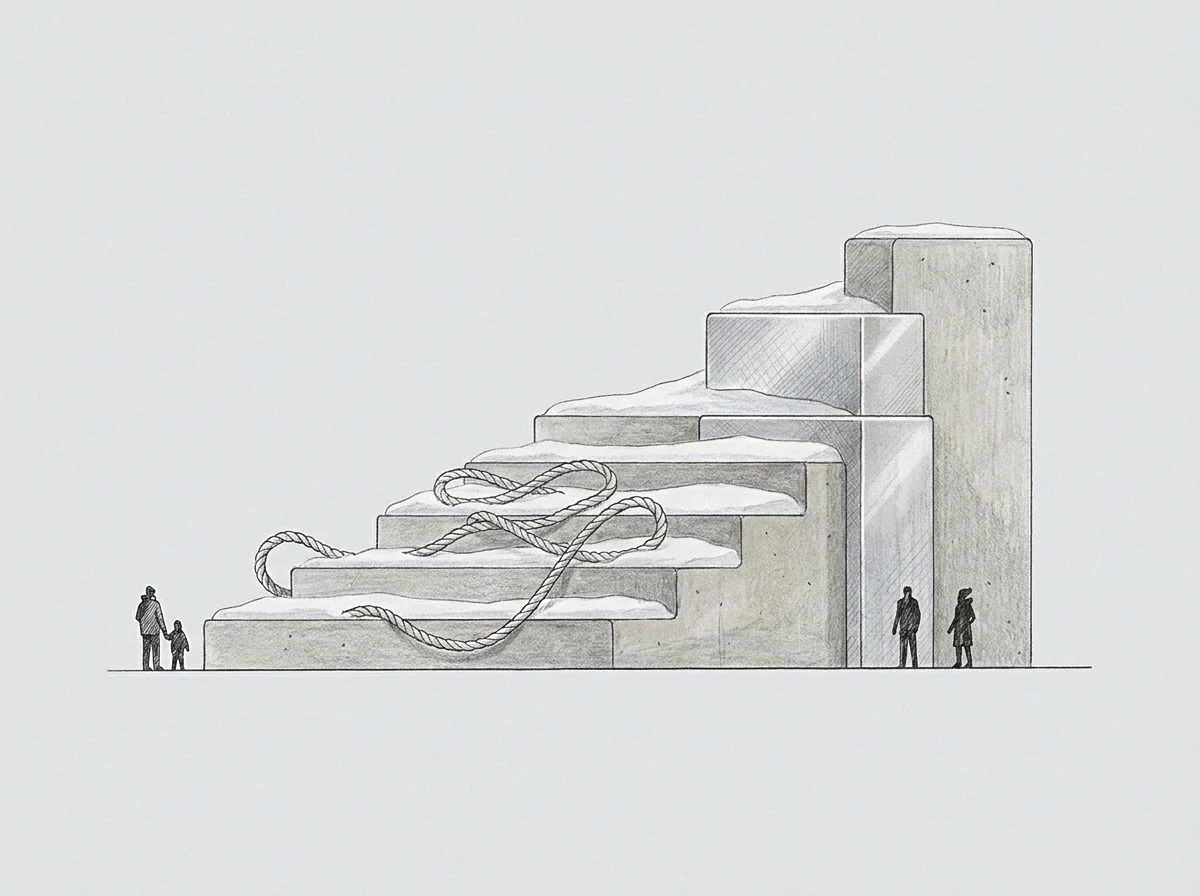
Institutional memory in software teams frequently evaporates into thin air. When decisions happen over ephemeral chat apps or transient video calls, the underlying technical context vanishes the moment the call terminates. Three months later, a newly hired engineer encounters a cryptic conditional check and experiences acute anxiety.
The rationale is missing, the original author is offline, and altering the code risks breaking undocumented dependencies. The engineer hesitates, burdened by uncertainty.
The Repository as Living Archaeology
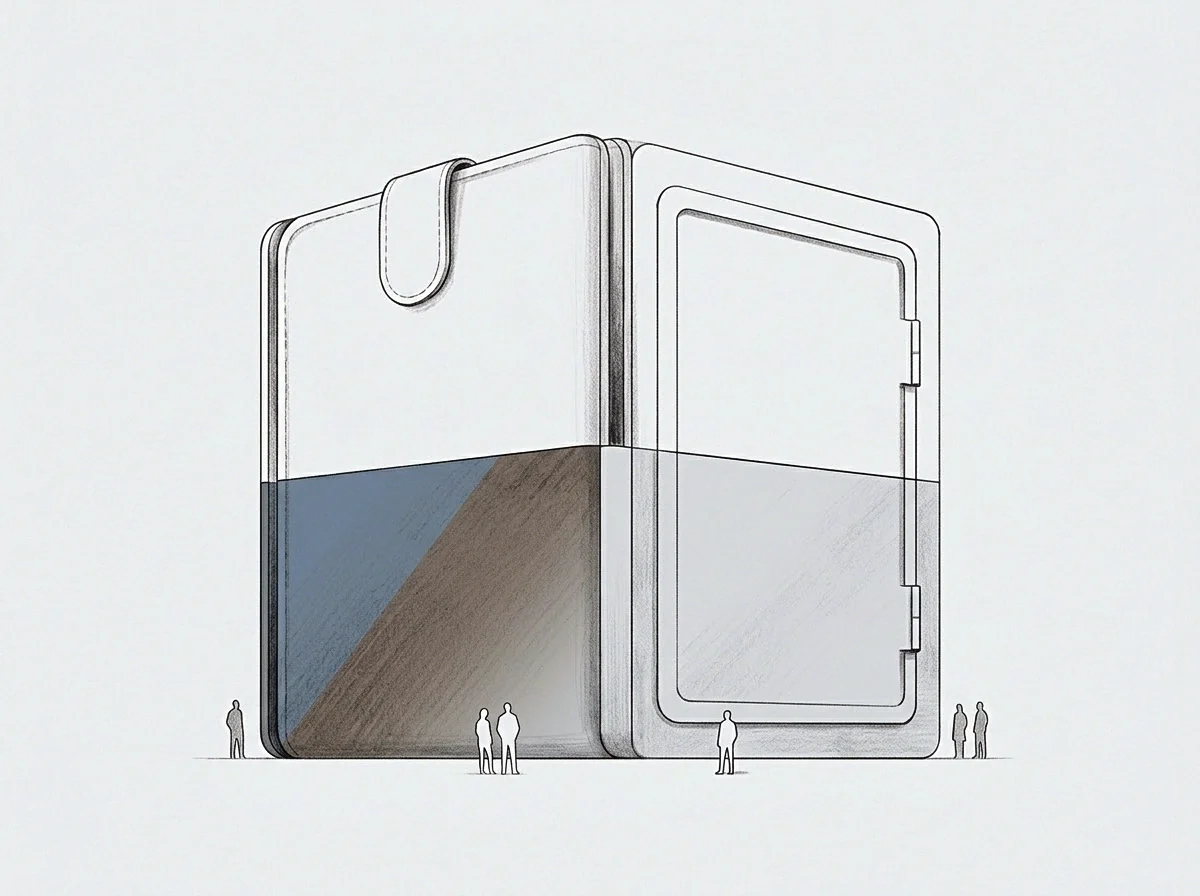
Comprehensive commit histories and merge request documentation serve as a persistent decision archive. An engineer running git blame uncovers not merely who touched the file, but the precise issue description, pull request discussion, and architectural context surrounding the choice. The system supplies its own explanation.
The engineer moves forward with technical clarity, needing no live consultation with senior personnel.
The cognitive relief this provides is cumulative. Remote teams operating primarily through asynchronous repositories display markedly lower baseline anxiety because the codebase documents its own rationale. Self-serve context eliminates the vulnerability of interrupting busy peers.
An engineer who needs to understand a subsystem reads the pull request that introduced it, reviews the architectural decision record filed in the doc tree, and begins implementation. Autonomy flourishes when discovery requires zero interpersonal friction.
What remains to be discovered is whether hyper-structured documentation repositories can maintain their structural coherence once artificial generation tools flood codebases with synthetic modifications faster than human reviewers can parse them.