
Structural Limits Prevent Upward Risk Offloading Under Shock
Structural boundaries block upward risk migration under shock, forcing local units to mitigate threat locally and preserving central operator capacity.
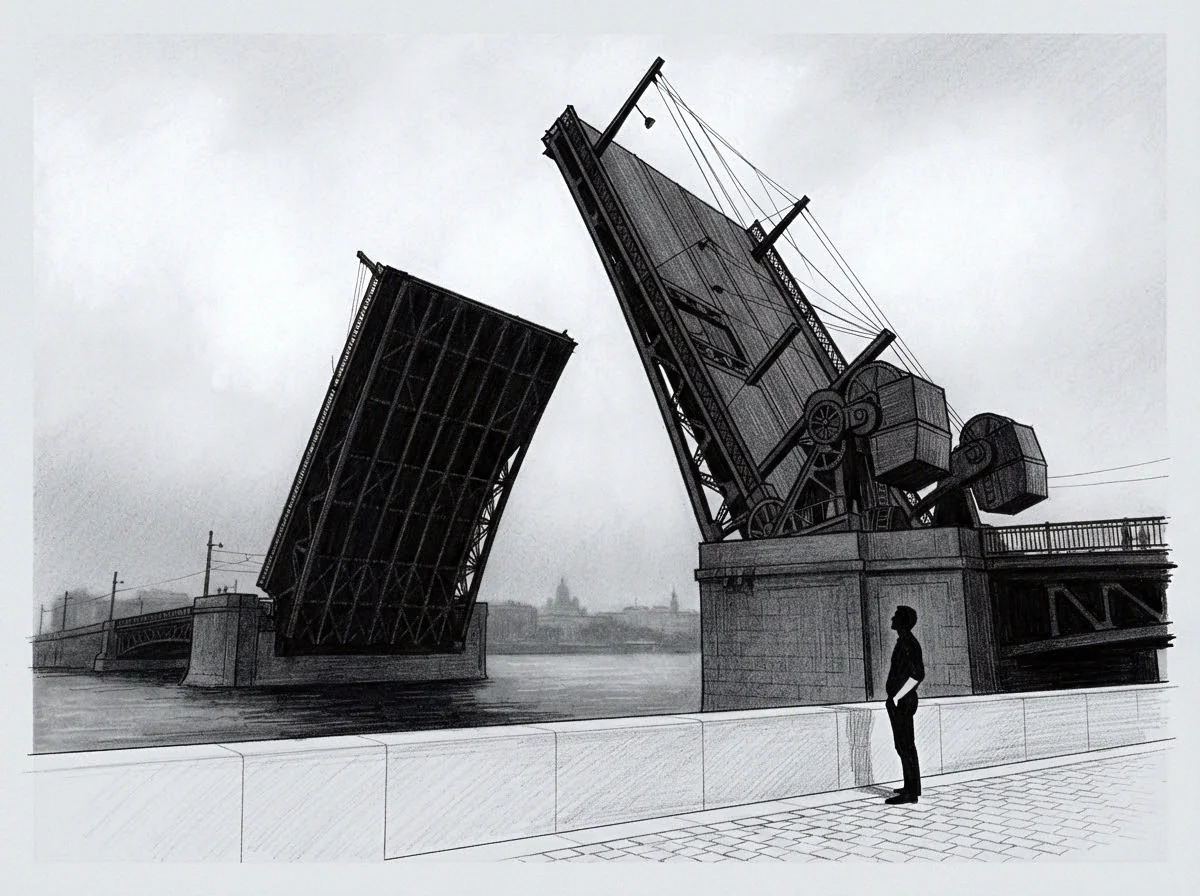
Slot
Four urgent escalations land in the central communications channel within eleven minutes during a liquidity squeeze. The primary operator sits in the seat, holding a fixed cognitive allocation while incoming operational volatility spikes across three business units simultaneously. When shock hits an organization, the natural vector of risk migration runs upward toward the central node.
Subordinate roles, facing acute uncertainty, attempt to offload their unmitigated risk by transferring decision ownership to the highest available authority. This transfer relies on the physical or operational availability of an open receptor slot in the central regulator.
Social baseline theory demonstrates that human neural architecture conserves energy by offloading threat processing onto a perceived stable external presence.
The neural architecture of teams operates on social baseline principles. Individual actors budget their cognitive and emotional resources based on the assumed presence of a central stabilizing entity. When unexpected volatility disrupts local operations, individuals experience a rapid elevation in allostatic load.
Self-regulation requires substantial metabolic expenditure. To minimize this local energy drain, actors route raw operational risk directly to the central person whose baseline steadiness has historically absorbed peripheral shock. Risk moves toward calm.
Without hard structural barriers, this upward migration continues until the central node reaches absolute saturation. The presence of an open channel or an unstructured decision protocol acts as an implicit invitation for upward offloading. The capacity slot closes.
When the central seat accepts unmitigated risk without structural throttling, local units cease their own threat-mitigation protocols, converting the central operator into a single point of structural failure.
Unthrottled risk absorption at the central node degrades overall systemic headroom, forcing the primary operator to expend vital cognitive reserves on localized turbulence that should have been processed at the perimeter.
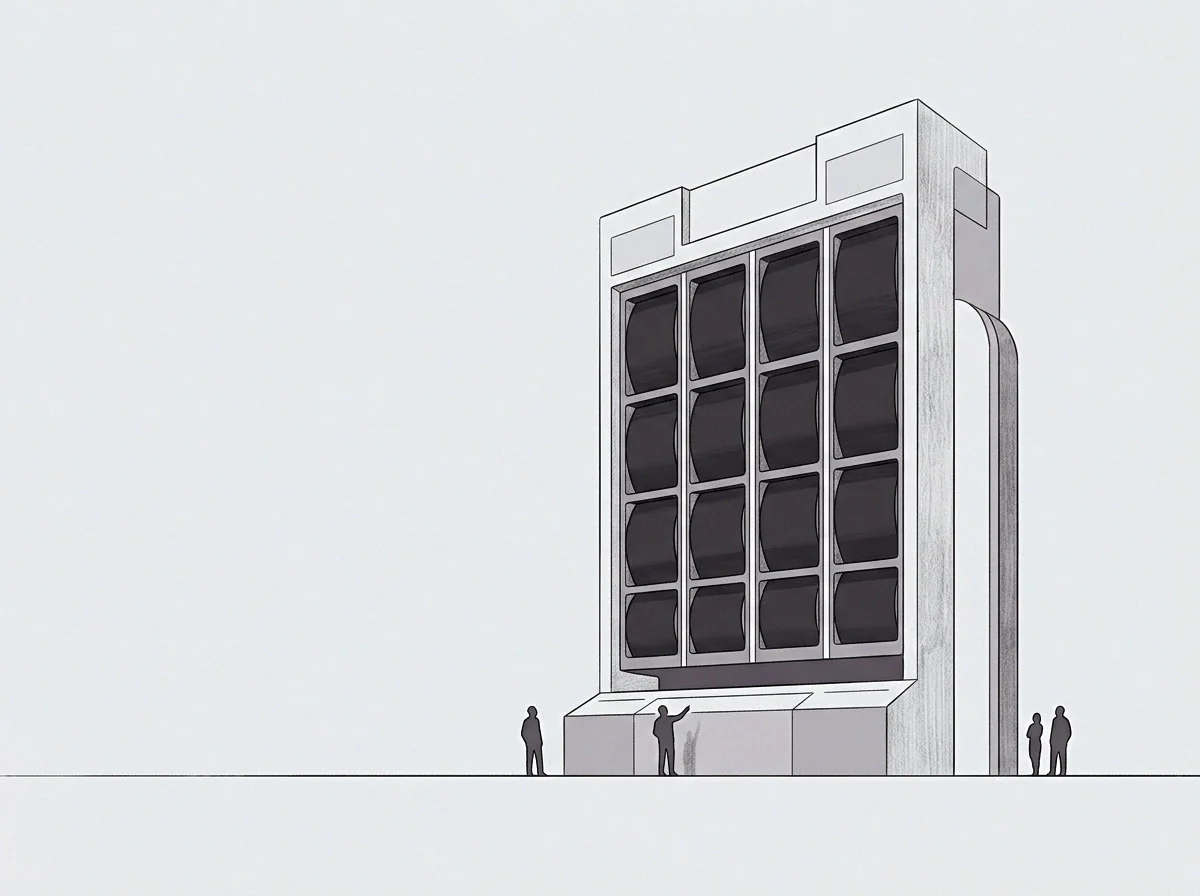
Transfer
Upward risk transfer accelerates during sudden operational shifts because threat processing carries a high internal price for peripheral operators. When a vendor defaults or a key contract faces immediate cancellation, local managers encounter immediate ambiguity. If the operational design permits direct escalation without prior risk mitigation, the manager routes the decision upward instantly.
The budget resets.
This dynamic relies on an implicit psychological contract established during periods of stability. Peripheral actors observe a steady operator and read that steadiness as unbounded capacity. The assumption is made that the central node possesses infinite headroom to absorb sudden stress.
Consequently, during a shock, peripheral actors do not retain and process risk; they pass the raw risk upward to preserve their own operational comfort.
- Unbounded Escalation Channels open messaging pathways that permit direct risk transfer without requiring prior diagnostic documentation or initial mitigation attempts from the sender.
- Implicit Risk Guarantees unstated operational expectations where the central operator habitually steps in to resolve peripheral errors, signaling that local accountability is optional under stress.
- Elastic Availability Windows real-time access policies that allow immediate interruptions during high-volatility events, destroying the central node’s ability to maintain structured focus.
When these vulnerabilities remain active within an organization, shock events lead to rapid central overload. The central operator becomes occupied with solving immediate tactical crises, leaving systemic strategy completely unattended. Absence of structure invites load.
Unbound escalation pathways ensure that localized operational stress automatically converts into central capacity exhaustion.
The central node is expected to hold the weight of every peripheral decision simply because the channel to hand over that weight remains structurally open.
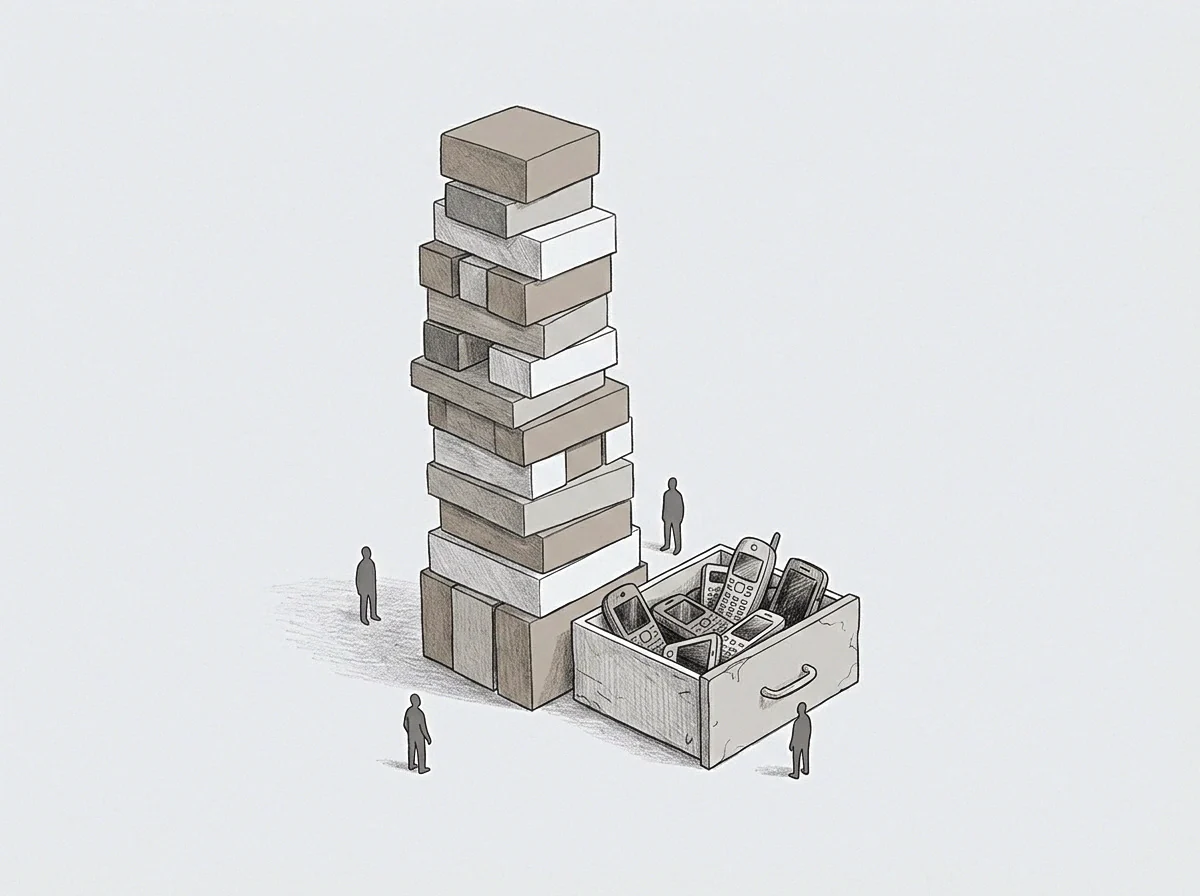
Wall
Personal refusal from a central operator rarely halts upward risk migration during acute shock. A verbal request for autonomy or a personal plea for fewer interruptions fails because soft boundaries rely on real-time interpersonal negotiation, which consumes heavy cognitive energy under stress. A personal boundary requires continuous enforcement.
Under shock, continuous enforcement collapses. Structural limits operate differently; they function as static operational firewalls that process incoming demands automatically without requiring real-time personal intervention.
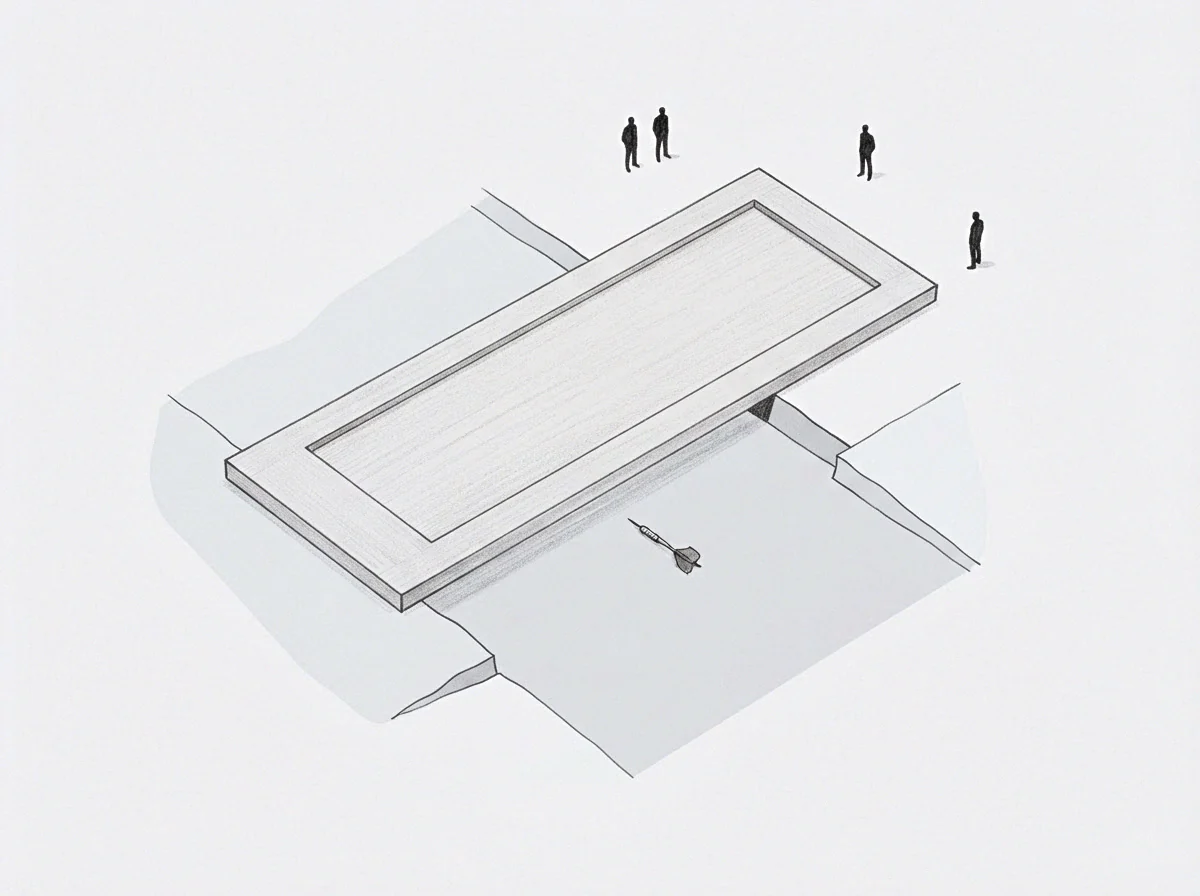
Which Conditions Prevent Risk Transfer Under Pressure?
Structural limits take the form of explicit capital floors, mandatory decision gates, fixed latency delays, and strict authority ceilings. The structural limit holds. When a peripheral manager attempts to escalate an unresolved issue, a structural limit intercepts the request before it reaches the central seat.
If an escalation fails to meet pre-defined criteria, the system rejects the transfer automatically. The firewall takes the shock.
| Evaluation Criteria | Interpersonal Boundary Enforcement | Hard Structural Limit |
|---|---|---|
| Energy Cost on Central Node | High real-time expenditure through repeated manual rejections and interpersonal negotiations. | Zero real-time expenditure; the system or stated protocol enforces the boundary automatically. |
| Upward Migration Rate | Variable; escalations slip through whenever the central operator experiences fatigue or stress. | Zero; non-compliant escalations are blocked at the perimeter regardless of operator fatigue. |
| Downward Adaptation Speed | Slow; local teams repeatedly attempt escalation, expecting eventual central intervention. | Rapid; local teams recognize the absolute barrier and immediately initiate local problem-solving. |
| Systemic Continuity | Fragile; reliant entirely on the emotional and physical endurance of a single person. | Durable; reliant on codified operational rules that survive individual operator burnout. |
Consider a tech company experiencing a sudden forty percent drop in server infrastructure reliability during a peak commercial window. In a soft-boundary environment, the engineering lead escalates every micro-decision directly to the operating officer, asking for approval on minor patch deployments, vendor communication drafts, and team overtime allocations. The operating officer spends six hours managing panic rather than diagnosing root-cause financial exposure.
Soft refusal demands energy.
In a hard-structure environment, a pre-established authority ceiling dictates that any incident carrying under fifty thousand dollars of potential exposure must be fully resolved by the engineering lead without central involvement. The contract defines the wall. If an escalation message arrives at the central desk without an attached, fully evaluated mitigation plan, the protocol automatically routes it back to the sender.
Pressure search finds no opening.
Design features that block upward escalation force peripheral nodes to consume their own local capacity for threat resolution.
The hard threshold clause defines the exact monetary and operational limit above which central escalation is permitted, forcing all sub-threshold volatility to settle entirely within perimeter teams.

Friction
When structural limits successfully block the upward migration of risk, the risk does not disappear. It hits the structural wall and bounces back to its point of origin. This rebound produces localized operational friction.
Peripheral teams, unable to offload their anxiety or decision responsibility upward, experience immediate pressure to resolve the issue within their own operational footprint. The friction stays below.
This localized friction is necessary for systemic health. When local units are forced to bear the weight of their own operational shock, they build internal problem-solving capacity. The internal working model of the team shifts from passive reliance on central stability to active local mitigation.
Risk remains localized.
- The acute operational shock hits the peripheral unit and generates immediate decision ambiguity.
- The peripheral lead attempts upward escalation through standard communication pathways.
- The structural limit intercepts the escalation and enforces an automatic rejection based on pre-set parameters.
- The unmitigated risk rebounds to the peripheral lead, forcing local ownership of the problem.
- The peripheral unit mobilizes local reserves, executes a mitigation strategy, and absorbs the friction locally.
The central node survives. While local friction often produces temporary discontent or complaints regarding central availability, it protects the core regulation budget of the business. The temporary discomfort of a middle manager forced to make an unassisted decision is far less costly to the organization than the complete operational paralysis of the central operator.
How much localized friction can a peripheral team sustain before structural limits must be dynamically adjusted to prevent regional turnover?
Margin
Long-term organizational stability depends on preserving a strict margin between incoming environmental volatility and central regulation capacity. Relying on central endurance during repeated shock cycles leads directly to capacity exhaustion. Design replaces endurance.
By implementing permanent structural limits that prevent upward risk offloading, an organization ensures that its central leadership retains the cognitive headroom necessary to navigate macro-level uncertainty.
This structural approach transforms the central operator from an elastic shock absorber into an architect of clear operational boundaries. Peripheral teams adapt to the presence of firm structural limits over time, gradually developing the local mechanisms required to process shock internally. Load follows available space.
When the receptor slot is closed by design, the organization builds distributed resilience, ensuring that shock events are contained at the perimeter where they can be managed with minimal disruption to core strategic operations.