
Structural Governance Solutions For Preventing Autonomic Overload In Single Leader Systems
Structural governance redistributes operational friction through asynchronous buffers, dual seats, and supervisory boards, preventing executive autonomic exhaustion.

Intake
Four direct messages arrive across three channels during a single twenty-minute interval on a Sunday night, each requesting an immediate determination on client contracts, staff compensation, and software vendor access. The person in the sole directorship reads them in sequence from a kitchen table, heart rate rising by twenty beats per minute before fingers touch the screen. The body registers direct organizational demand as immediate physical threat.
In solitary setups, the hierarchy routes every unresolved variance into a single nervous system.
Social baseline theory shows that the human central nervous system calculates energy expenditure against the expected presence of capable partners. When an operating structure leaves one operator as the sole terminal point for all risk, threat monitoring stays active by default. The brain budgets autonomic resources for isolation.
Every ambiguous ping registers as an unshared metabolic demand.
Threat monitoring budgets settle at elevated baselines when an operating structure lacks structural counterweights to absorb incoming ambiguity.
The metabolic cost of persistent unilateral orientation alters neuroendocrine function enough to impair operational judgement over eighteen months. Sustained cortisol erodes prefrontal capacity, pulling attention down to immediate administrative threats while narrowing longer-term positional awareness. The operator experiences this as chronic administrative fatigue, but the mechanism is structural: solitary arrangements treat individual physiology as an elastic shock absorber for the firm.

The Operational Anatomy of Autonomic Exhaustion
Organizations often concentrate legal, strategic, and functional decisions in one seat to move fast during early operating cycles. That consolidation carries a physical price once transaction density rises. Without structural containment, the solitary operator absorbs financial, legal, and personnel friction directly into daily physical endurance.
The physical toll stays hidden because top-line metrics often look healthy right until collapse. Output numbers, client acquisitions, and public milestones mask the depletion of a nervous system acting as the company’s shock absorber. Formal governance acts instead as a filter, intercepting and distributing operational friction before it reaches the thresholds of the person running the firm.

Buffer
Engineered governance inserts procedural delay between incoming demand and executive response. Direct routing forces an operator to take operational ambiguity straight into their autonomic system. An institutional buffer separates the receipt of a problem from the immediate obligation to process it.
Isolating operational inputs brings measurable autonomic stabilization. A functional buffer relies on explicit intake thresholds, automated triage rules, and bounded review windows. The boundary works like an administrative membrane, determining what reaches executive attention and what stays in secondary queues.

Establishing Structural Asynchrony
Direct communication channels create an expectation of constant availability. Unfiltered inquiries keep the operator in continuous sympathetic arousal, wearing down autonomic reserve. Governance protocols break that loop by enforcing asynchronous review intervals.
In a company handling seventy client escalations weekly without a buffer, those issues interrupt executive attention at irregular hours throughout the day. Setting a structured review window bundles those inputs into a predictable sixty-minute interval governed by explicit criteria. The predictability bounds the exposure window, lowering the nervous system’s threat response.
- Asynchronous triage filters route incoming exceptions through structured forms, cutting out spontaneous interruptions to executive work.
- Bounded adjudication windows confine operational decisions to fixed chronological intervals, protecting recovery time.
- Threshold evaluation criteria require written risk estimates before an issue escalates, keeping emotional urgency out of decision channels.
Structuring intake asynchronously changes how an operator handles friction. Stripping away the pressure of live interaction lets the prefrontal cortex review administrative facts without triggering an acute threat response. The firm stabilizes its intake, insulating the person at the center from daily operational noise.
Board
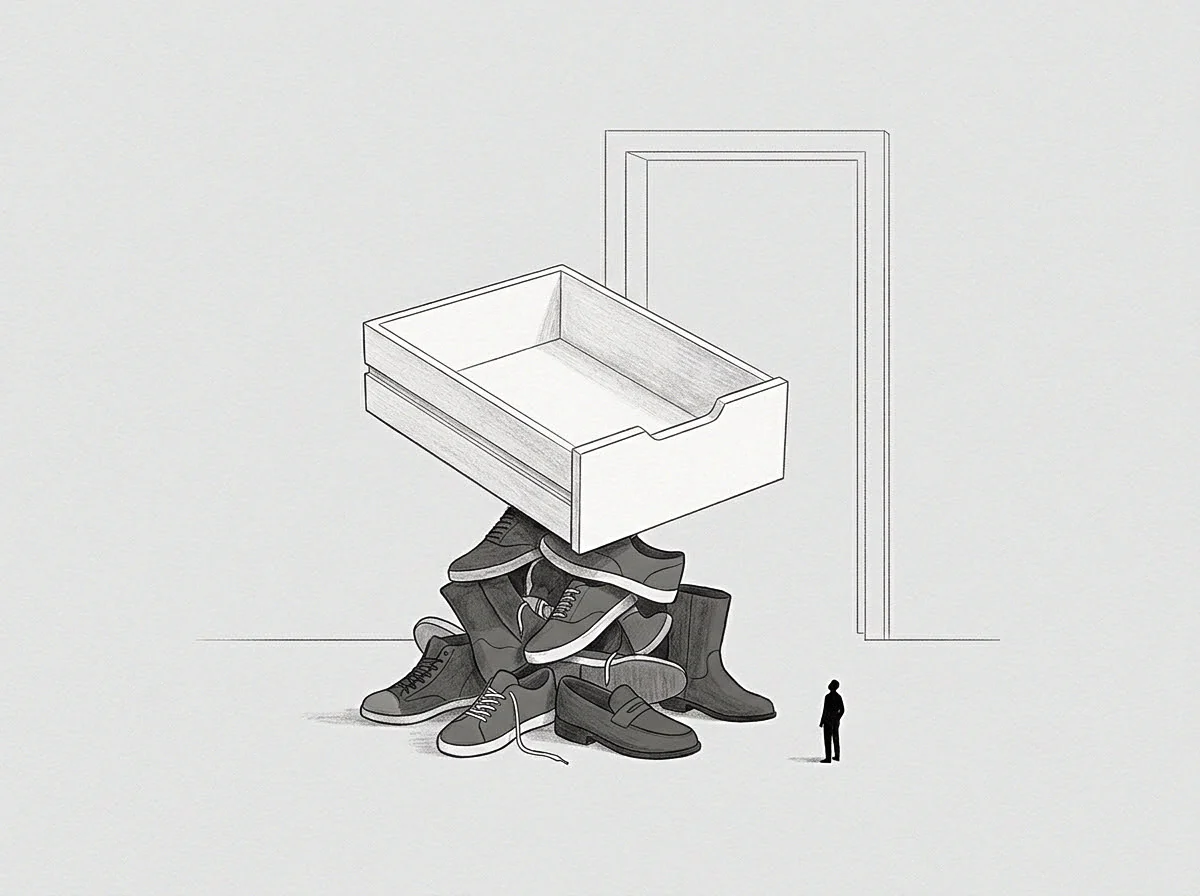
External governance creates a structural mechanism for co-regulation. Running an organization without oversight forces one person to hold every systemic risk alone, running up high metabolic costs. An active, independent supervisory group spreads that weight across several people.
Social baseline research indicates that proximity to capable peers lowers autonomic reactivity under acute stress. An effective supervisory board works as a circuit breaker, absorbing tension and reviewing hard operational decisions. Operating alongside capable peers changes the brain’s internal calculation, keeping threat responses within manageable bounds.
Supervisory committees alter autonomic calculations by transforming solitary survival problems into shared procedural evaluations.
The composition of the supervisory group determines whether it provides physical relief. Boards made up of passive investors or internal subordinates offer none. Subordinates pull regulation upward, adding to the executive’s burden, while passive investors increase the need for defensive reporting.
Real co-regulation requires directors who carry operational competence and accept actual responsibility for adverse outcomes.
Shared Adjudication Under Acute Systemic Strain
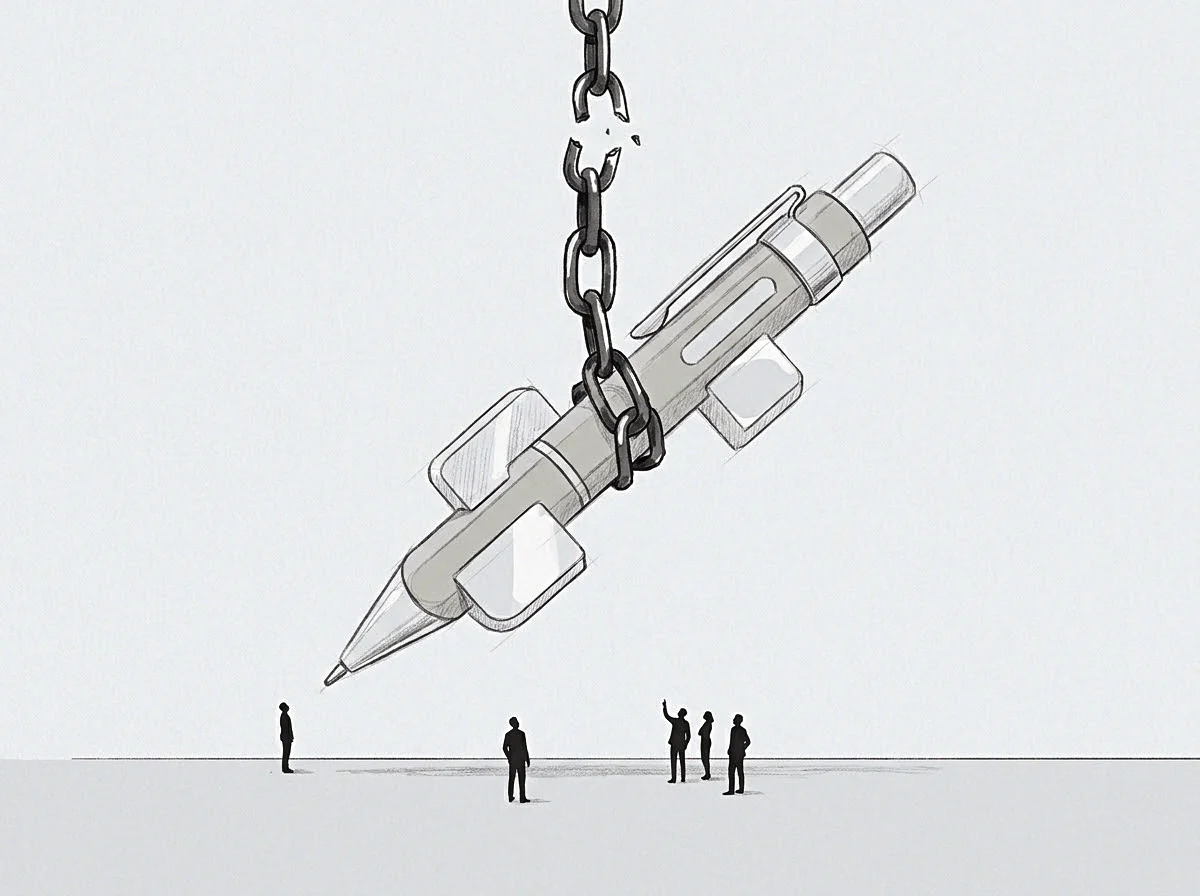
Severe events, such as capital insolvencies, critical personnel departures, or legal challenges, provoke intense autonomic stress. An executive navigating them alone experiences degraded prefrontal function under sustained sympathetic arousal. A functional board intervenes by taking collective, binding votes.
Taking formal legal and strategic responsibility for designated domains removes the weight of total consequence from one nervous system. The executive moves from serving as the sole biological anchor to operating within a distributed structure. Shared jurisdiction cuts the operational strain and protects long-term working capacity.

Split
Distributing authority across distinct roles reduces autonomic overload in single-operator firms. Concentrating strategic direction and daily administrative maintenance in one seat creates severe task-switching costs and chronic friction. Dividing these jurisdictions protects physical stamina.
A practical division assigns directional control to an executive director while handing daily execution, vendor details, and staff mediation to an operating partner or chief administrative officer. This arrangement ensures transactional disputes hit an administrative buffer before reaching the strategic lead.
| Governance Dimension | Solitary Single Seat | Functionally Separated Dual Seat |
|---|---|---|
| Escalation Absorption | Absorbed directly into leader autonomic system | Intercepted by administrative operating officer |
| Regulatory Metabolic Cost | Paid entirely through individual allostatic load | Distributed across procedural channels and roles |
| Adjudication Latency | Immediate, volatile, reactive to daily inputs | Deliberate, bounded by formal operational charters |
| Relational Mediation | Handled directly, causing relational friction | Processed via structured operating hierarchies |
Removing daily administrative friction from the leader’s desk cuts down the frequency of acute stress responses. The operating partner takes on contractor variances, minor staff disputes, and operational snags, leaving the executive with protected cognitive bandwidth and fewer interpersonal disruptions.
Preserving Jurisdictional Boundaries Under Duress
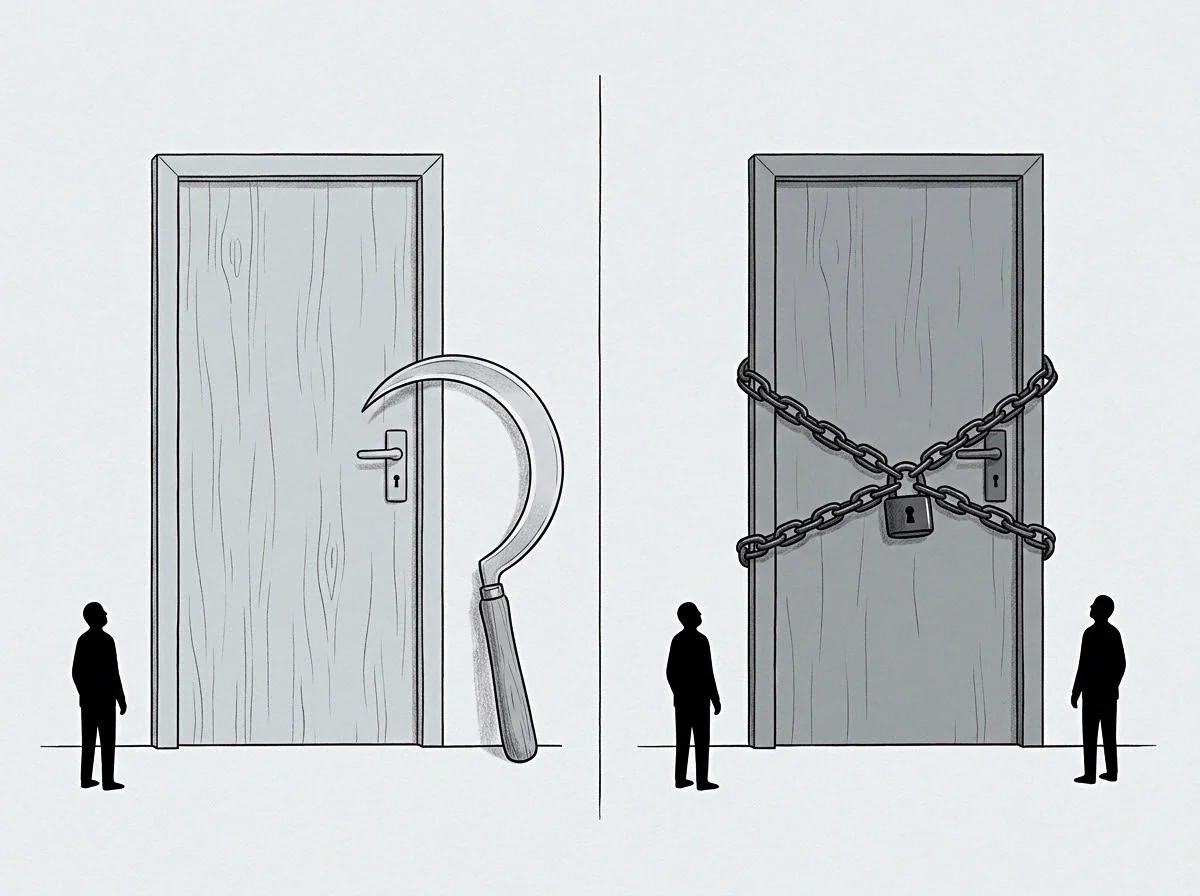
The split holds only if jurisdictional boundaries remain firm. Under stress, solitary operators tend to bypass established channels and seize back routine control. That habit floods the nervous system with familiar administrative clutter, breaking down the buffer.
Maintaining the separation requires operating contracts and bylaws that discourage direct executive intervention in delegated matters. Governance must create enough procedural resistance to keep an executive out of secondary disputes, protecting staff autonomy and preserving executive capacity.
When an executive allocates vendor management, expenditure approvals below twenty-five thousand dollars, and internal disputes to an operating partner, overriding the partner on minor vendor issues breaks the structure. Both operators pay an elevated physical price: one from undermined authority and the other from needless vigilance.
Charter
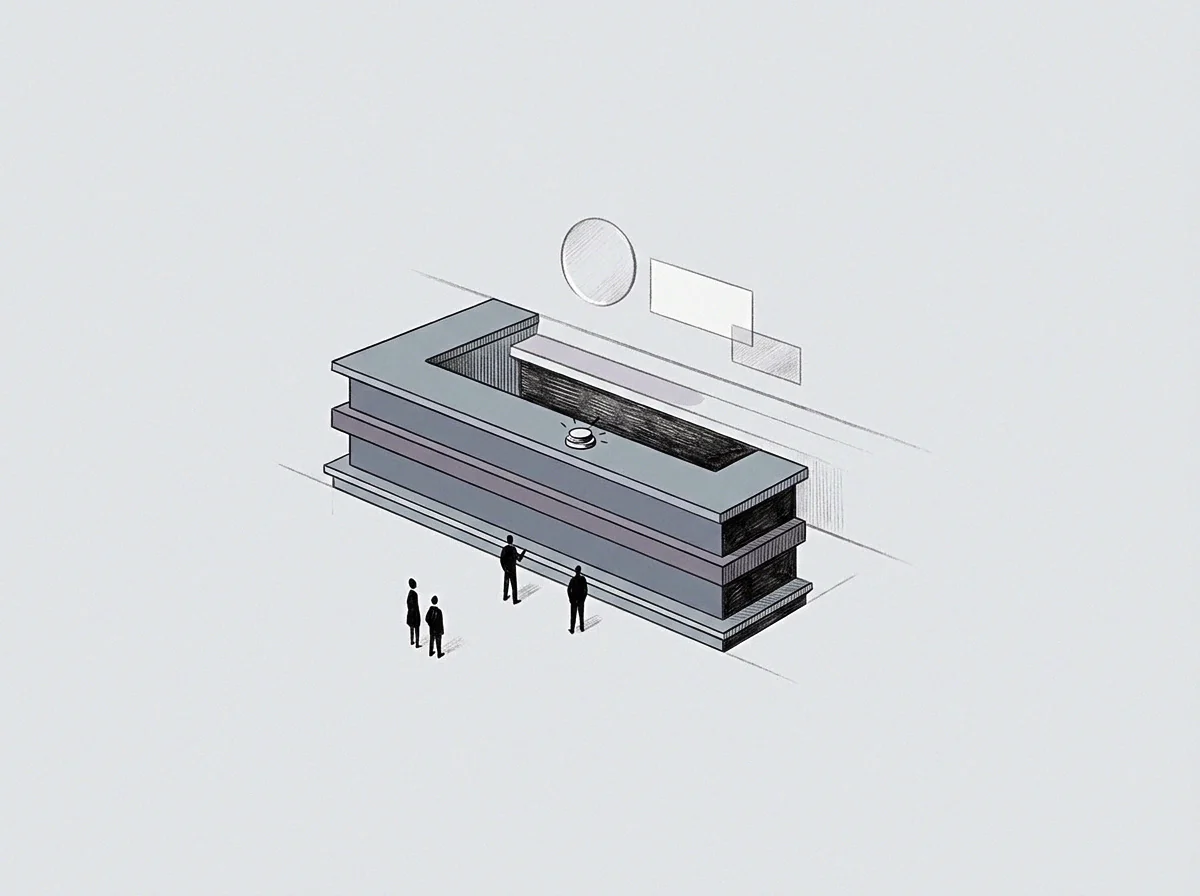
Formal operating charters establish clear limits in single-leader firms. Without written policies, an operator must defend boundaries through personal vigilance, consuming substantial energy. An explicit charter formalizes operational policies, shifting enforcement from personal confrontation to institutional ground rules.
The charter sets explicit terms for executive availability, spending limits, and escalation paths. Committing these boundaries to writing relieves the operator from having to personally decline incoming demands. The document functions as an impersonal arbiter of organizational bandwidth.
A written operational covenant transfers the burden of boundary enforcement from personal emotional reserves to institutional rule sets.
A charter protects operational stability by defining exit and termination triggers. It sets criteria for turning down prospects, stopping unprofitable initiatives, and shedding non-core assets. When market pressures push past those limits, the document triggers corrective action without requiring emotional deliberation.

Codified Operational Disconnections
Unchecked access leads to physical exhaustion in solitary operators. Without contractual limits, an executive remains permanently accessible to inbound requests, suppressing restorative physical rest. Charters restore balance by setting mandatory communication blackouts.
These agreements outline communication windows, barring routine messages outside established hours except during defined operational emergencies. The organization adjusts its pace to those terms instead of treating executive attention as an infinite resource. Codifying these boundaries protects executive stamina as a baseline business requirement.
Signed by investors, partners, and key staff, the charter operates as an internal governance agreement. Boundary violations trigger an administrative review rather than an interpersonal dispute. The operator points to the contract, neutralizing personal conflict and preserving attention.

Trust
Surrendering total oversight requires a significant operational adjustment. Operators who build centralized businesses often believe stability depends on direct personal vigilance. Changing that stance means managing the physical tension that comes with delegating consequential authority.
Governance frameworks break down when an operator treats delegated administration as dangerous exposure. The individual equates personal oversight with basic safety, treating the transfer of authority as a risk. Changing this dynamic requires progressive handoffs across lower-stakes decisions before delegating core functions.

Will Delegated Control Induce Systemic Operational Collapse?
Solitary operators often assume that delegating authority leads directly to operational failure. That expectation drives reflexive intervention, bypassing governance safeguards and keeping the operator under continuous autonomic strain. Breaking the pattern requires bounded delegations where operational errors carry manageable costs.
The operator watches a deputy or team resolve an issue within set parameters, allowing the outcome to land without stepping in. Repeated instances of autonomous execution adjust the operator’s expectations. The nervous system registers that operations hold without constant personal oversight.
Operational trust builds through repeated evidence. As delegated structures absorb routine friction, physical vigilance declines. The urge to intervene fades as institutional routines prove dependable.
Structural governance decouples organizational continuity from individual physical endurance. By replacing unilateral control with administrative buffers, split seats, supervisory boards, and written charters, a firm establishes operational balance. The business runs on institutional architecture, protecting its leadership from physical exhaustion.
An operator who neglects these protections eventually exhausts physical reserves, trading short-term speed for somatic breakdown. Durability comes from institutional insulation, shifting operational burdens from individual physiology into formal governance structures. The firm gains stability when continuity no longer depends on solitary human endurance.