
Structural Baseline Adjustments In Solo Operator Dyadic Re Entry
Dyadic re-entry succeeds when a solo operator establishes explicit domain boundaries and allows repeated peer reliability to recalibrate autonomic threat baselines.
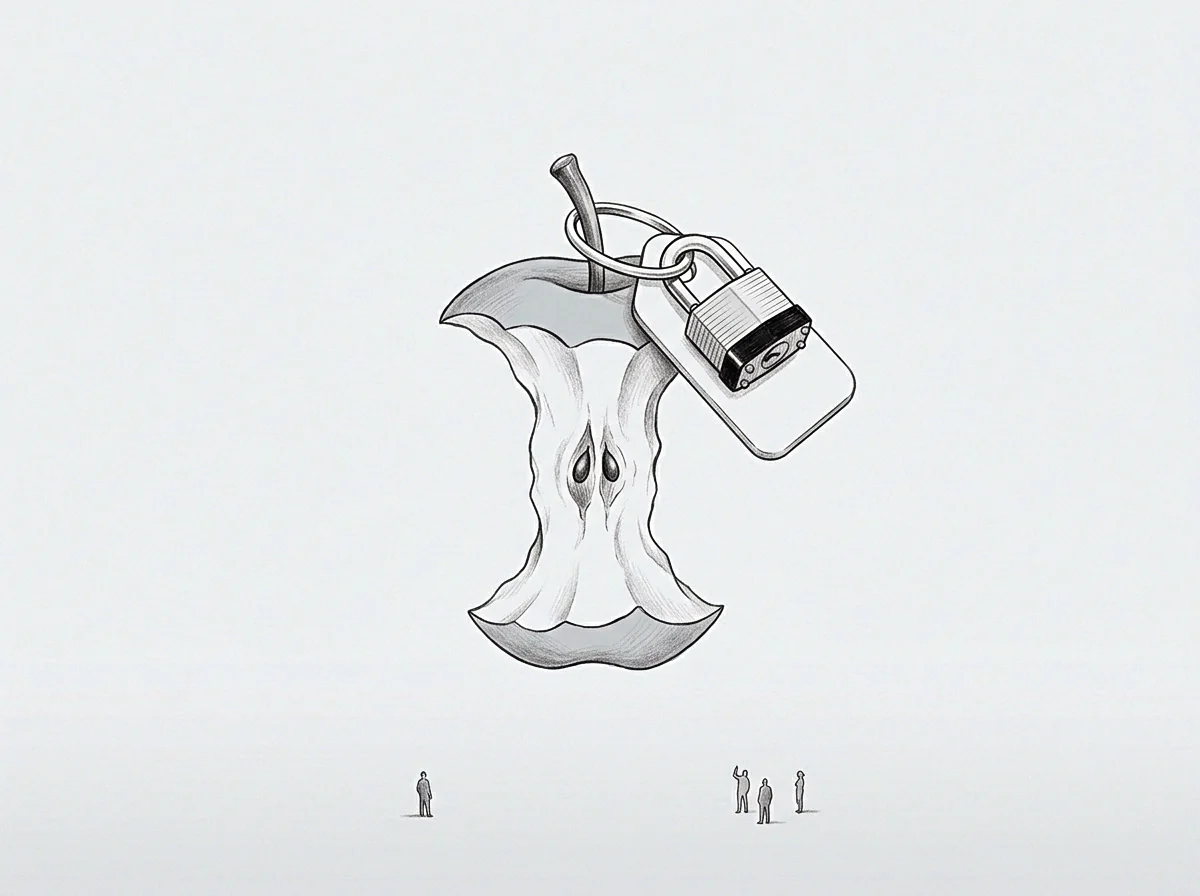
Room
Three screens stayed lit until midnight while an unread query sat pinned to the top of the interface for eighteen hours. The operator worked without consulting a peer, deciding capitalization limits alone, committing capital on personal authority, and absorbing supplier delays without reporting them outward. When another executive steps into that perimeter to share authority, the physical space alters before any task is assigned.
The solo operator detects a second breathing body within five feet and reads that presence as friction. Physiological monitoring demonstrates that an individual accustomed to solitary execution exhibits heightened autonomic tone upon dyadic entry. Heart rate variability drops, peripheral vasoconstriction spikes, and vigilance shifts from external targets to the immediate partner.
Social baseline theory establishes that the human nervous system conserves metabolic resources through shared social proximity. A solitary agent pays the full energetic invoice for risk appraisal, environmental tracking, and motor preparation. When an isolated professional builds a venture alone across multiple fiscal cycles, neural circuits remodel to treat isolation as the baseline default.
The presence of a peer ceases to signal resource conservation. Instead, the dyadic partner registers as an unpredictable biological perturbation that requires active sensory monitoring. The solo operator expends additional glucose to track the co-operator, doubling vigilance instead of cutting it in half.
A solitary worker pays full biological expenditure for threat monitoring until shared physical space registers as safety.
The adjustment begins at the perimeter of the physical office. When two executives sit at the same wooden desk, vocal acoustics and motor pauses become sensory data. The solo operator interprets silence from the partner as pending intervention or latent disagreement.
Solo operation demands immediate closure of every ambiguity. Dyadic re-entry introduces communicative latency, where problems remain open between two minds for hours or days. The nervous system of the operator treats this latency as operational paralysis.
Every small movement carries a biological invoice. The co-executive shifts a notebook, opens a document, or answers a client call without asking. For someone whose decisions occurred without witness for years, that casual autonomy feels intrusive.
The dyad cannot stabilize until this immediate sensory friction attenuates through predictable physical repetition over continuous months.
Living beside an operator who works in complete stillness feels like sharing an office with someone who expects an attack at every hour.
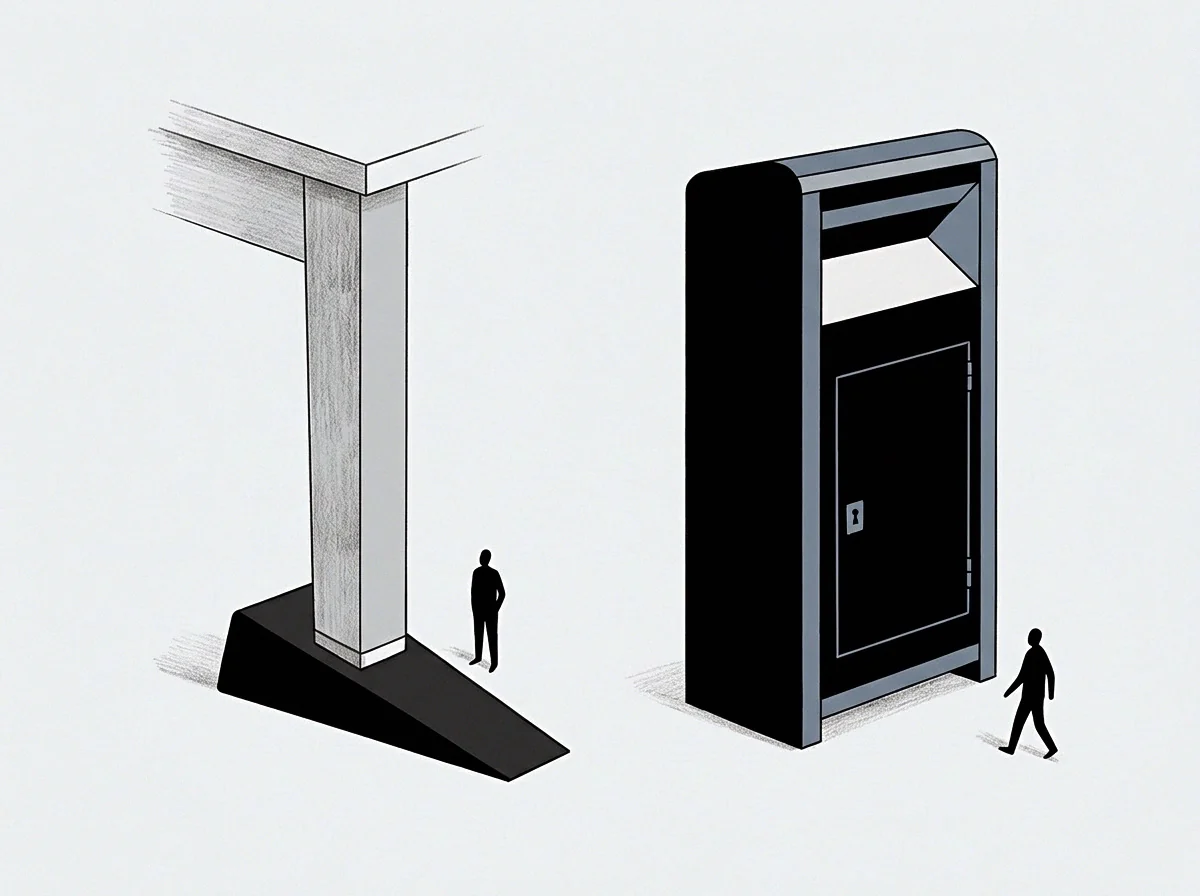
Load
Solitary builders habituate to bearing operational weight without an external witness. Every operational failure, bank transfer delay, and customer escalation settles into the solitary body without dissipation. When a partner enters the structure, biological load distribution does not happen spontaneously through good intentions.
The incoming executive offers assistance, yet the operator holds tasks tightly, concealing operational levers while professing enthusiasm for collaboration.
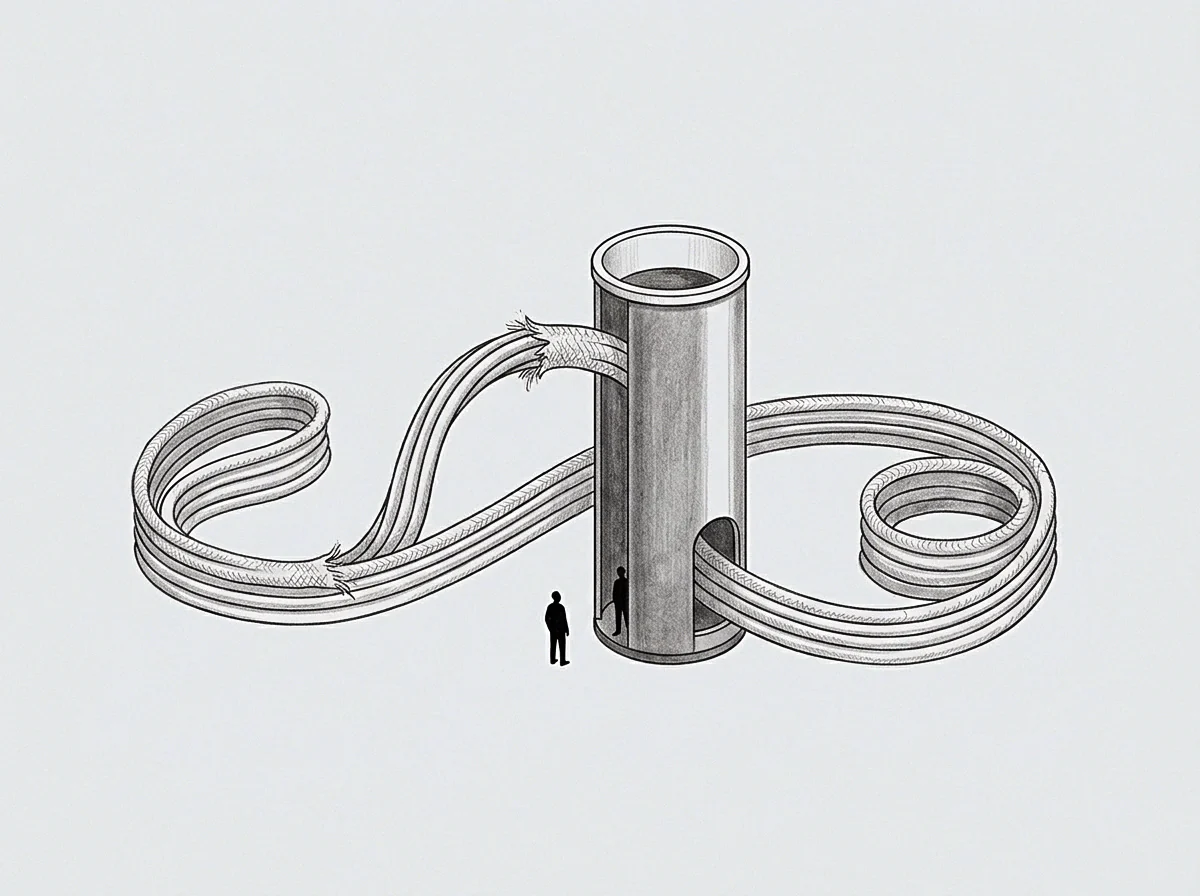
Whose Body Absorbs The Load First?
The incoming co-builder routinely attempts to take operational mass without understanding the regulatory architecture of the original builder. The original operator runs on an internal model where releasing a problem creates catastrophe. When the partner takes over an account or manages a vendor crisis, the operator experiences an immediate rise in subjective distress.
Relinquishing operational control forces the operator to expend energy managing anxiety about how the partner executes. The metabolic toll of monitoring a surrogate often exceeds the original energy required to complete the task alone.
This dynamic produces a severe systemic asymmetry. The partner feels useless, while the operator feels suffocated. Researchers in organizational physiology identify this state as uncoupled allostatic accumulation.
The nervous system of the operator refuses to transfer regulatory mass, treating the offer of help as an operational liability.
- Allostatic Throttling occurs when an operator caps external data intake to prevent nervous system saturation during joint operations.
- Regulatory Hoarding describes an operator retaining high-risk tasks solely to avoid the visceral panic of delegating under stress.
- Asymmetric Depletion arises when one party absorbs administrative anxiety while the peer assumes operational calm.
The operator treats self-reliance as survival. That conditioning runs deep. Years of unshared accountability form neural pathways that treat shared responsibility as negligence.
The dyad stalls because the operator cannot permit the partner to fail safely. When a co-builder misses an execution deadline by twenty minutes, the operator reads that delay as proof that solitary execution remains superior.
Failure to redistribute regulatory mass results in the sudden operational exhaustion of the operator and the administrative disengagement of the incoming peer.

Split
The structural transition from solitary governance to dyadic collaboration requires formal division of cognitive real estate. Tacit agreements fail because unstated operational baselines favor the historical occupant of the company. A formal baseline adjustment specifies clear operational boundaries where each individual possesses absolute termination authority without consensus requirements.
| Dimension | Solitary Baseline | Dyadic Re-Entry Baseline | Metabolic Expense |
|---|---|---|---|
| Threat Appraisal | Individual scanning; continuous sympathetic vigilance | Segmented sectors; independent threat mitigation | Drops forty percent upon verified sector autonomy |
| Operational Cadence | Immediate execution without consensus latency | Asynchronous review with structured sync gates | Spikes initially; stabilizes across six quarters |
| Error Containment | Internalized self-correction without disclosure | Public debrief within closed dyadic perimeter | Requires continuous inhibition of defensive reflexes |
| Regulatory Source | Endogenous willpower; solitary stamina reserves | Borrowed steadiness; physical autonomic synchronization | Lowers systemic cortisol under prolonged disruption |
The table displays the structural transformation necessary to convert a solitary operator into a co-regulatory partner. When the boundary lines remain ambiguous, both partners consume scarce energy defending their respective operational zones. Clarity in domain boundaries prevents constant micro-negotiations that exhaust executive stamina.
The operator manages product and engineering without consulting the partner on implementation details. The partner manages capitalization, sales, and external governance with identical autonomy.
A clean separation of operational authority preserves metabolic energy by eliminating continuous consensus negotiations.
Dyadic re-entry demands that both participants abandon the myth of absolute consensus. Seeking total agreement on daily matters paralyzes early momentum and introduces relational exhaustion. Shared authority functions when each executive respects the definitive veto of the other within assigned sectors.
When the finance partner declines an expenditure, the operating partner stops the procurement without debate. The arrangement preserves trust precisely because neither party crosses the operational threshold without formal invitation.
A written agreement granting unilateral operational authority within defined domains eliminates eighty percent of interpersonal friction during the initial transition year.
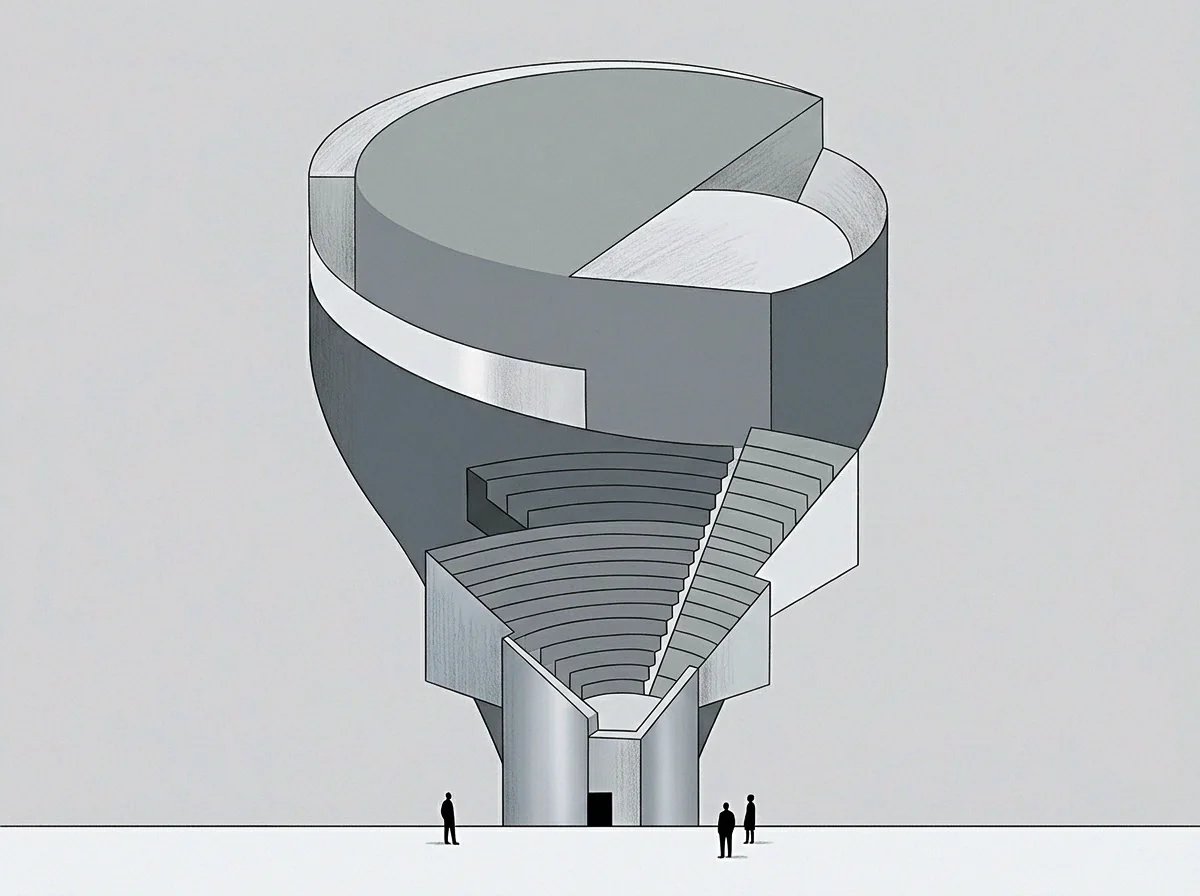
Contract
Explicit contracts mitigate covert psychological dynamics that otherwise poison executive partnerships. An operator emerging from years of solitary work brings unspoken expectations into every meeting. The operator expects the incoming partner to read subtle atmospheric cues, anticipate operational needs, and provide emotional anchoring without asking.
When the partner fails to exhibit clairvoyance, the operator withdraws into cold isolation.
The Fallacy Of Unspoken Expectations
Covert contracts represent an expensive relational debt. The solitary operator reasons that hard labor earns unspoken compliance from the incoming peer. This premise is mistaken.
The peer cannot evaluate the invisible emotional invoice the operator calculates in private. Clear communication requires plain statements of operational capacity, weekly availability limits, and precise handoff protocols.
Earned security develops between two adults through transparent, repeated operational repairs. When an error happens, the dyad inspects the breakdown without assigning moral culpability. The operator states operational limits directly: sixty hours of weekly output constitutes the ceiling, after which operational cognition degrades.
The partner accepts that limit and builds operational buffers accordingly.
Stated operational limits allow an executive dyad to construct schedules around real physiological capacity rather than heroic exertion.
The receptor slot for support must be constructed through conscious effort. A solitary operator lacks the habit of leaning on another human being for professional stabilization. When panic strikes over liquidity or distribution agreements, the instinctive move remains isolation.
The operator retreats behind closed doors, runs models until dawn, and presents finished decisions to the partner after the fact. Overcoming this pattern requires deliberate deceleration, pausing long enough to share an operational problem before solving it.
How long can a collaborative partnership endure when one participant continues to treat vulnerability as an unacceptable structural flaw?
Anchor
Stabilization occurs when the dyad transforms from an operational contract into a physiological anchor. Co-regulation is not an abstract concept; it is measurable cardiovascular and neuroendocrine entrainment between two operating executives. When two partners share physical quarters over thousands of hours, their baseline stress responses coordinate.
A steady partner lowers the cortisol elevation of an agitated peer through voice tone, body language, and consistent presence.
Biological Grounding Under Extreme Strain
The solo operator gradually learns that another person can absorb impact without breaking. In early venture phases, the operator treated every external shock as a solitary existential threat. Within a functional dyad, the shock gets split across two biological structures.
When a major enterprise contract cancels unexpectedly, the operator no longer endures the disaster alone. The partner sits at the table, breathes evenly, and begins systematic triage.
Borrowed regulation gradually shifts into earned security. The operator observes the partner enduring severe turbulence without deserting the venture or retaliating against the team. This empirical demonstration updates the internal operational template of the operator.
Reliability ceases to be a theoretical abstraction. It becomes a recorded fact stored in visceral memory.
Steady exposure to a reliable peer creates permanent neurological adaptations. The solitary hyper-vigilance that once protected the company becomes obsolete. The operator develops the capacity to sit quietly while the partner speaks to investors, resting internal systems rather than maintaining defensive tension.
That physiological rest creates cognitive surplus, enabling deeper strategic invention and superior capital allocation.
A partner who remains predictable under extreme pressure gradually dismantles the defensive operational armor of a lifelong solitary builder.