
Structural Adaptation Of Regulatory Templates In Early Founder Transitions
Early founder transitions require shifting systemic regulation from the founder prefrontal cortex to explicit operational throttles to restore neural headroom.
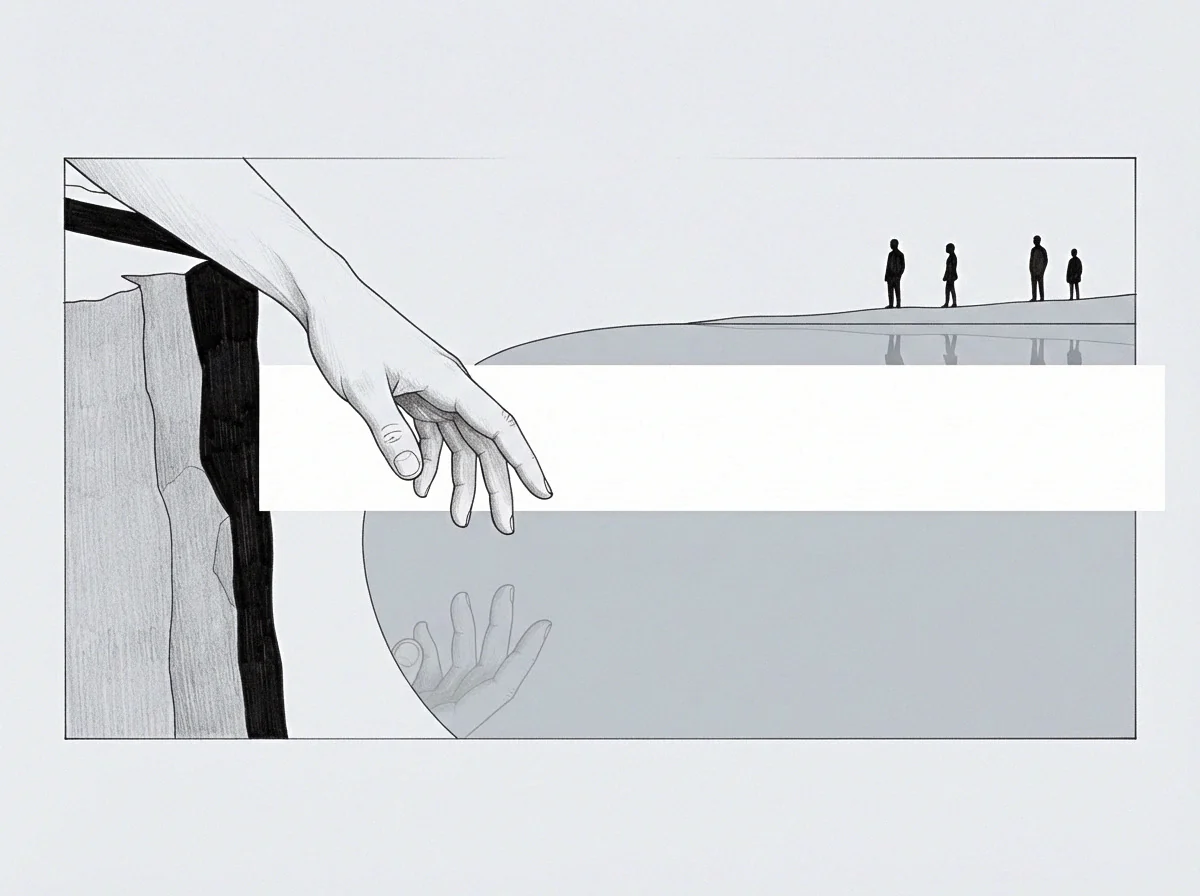
Conduit
Four browser windows stay open past midnight while three staff members wait on a single thread for approval on an invoice payment. The person who signed the incorporation documents stares at a routine software agreement, unable to sign or close the tab. Five separate incoming questions sit unread in direct messages, each from an employee hired within the past four months to run operations independently.
The physical room is quiet; the office lease was finalized three weeks ago, yet the autonomic nervous system of the person at the desk runs as if a server rack were actively on fire. Nothing in the company accounts suggests an immediate catastrophe.
An early venture operates like an extended neural circuit, with the founder’s nervous system acting as the central shock absorber for everyone involved. Social baseline theory in neuroscience notes that the human brain budgets metabolic energy under the default assumption that other reliable people share the workload of remaining alert. Stepping into a new enterprise alone or with a tiny team flips that assumption.
The individual at the center becomes the primary source of stability, absorbing operational volatility so early employees, contractors, and junior partners can work within a predictable boundary.
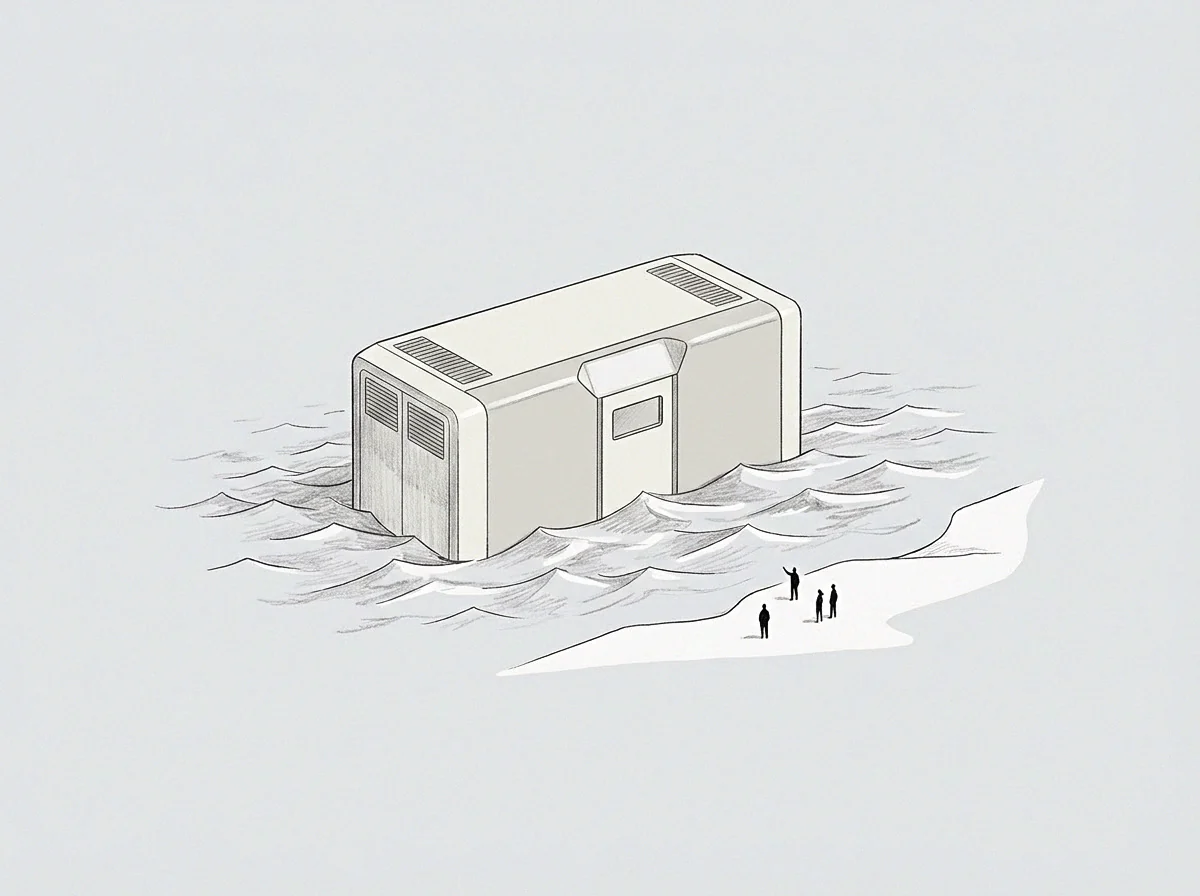
Metabolic Load in Shared Perimeters
Colleagues do not attach to an enterprise charter or an equity grant; they respond to the physical composure of the figure in the room. When unexpected losses occur, the initiator stays calm, absorbing staff panic and giving back steady instructions. Maintaining that posture requires heavy neural suppression, burning glucose and raising cortisol while keeping the external environment undisturbed.
Team members borrow that calm to finish their shifts, returning home with their own nervous systems intact. The person providing it carries the full metabolic bill alone.
Every hour of borrowed calm supplied to a team consumes unreplenished metabolic reserve in the regulator.
Early enterprise survival enforces this biological subsidy as a daily baseline. The creator accepts every escalation because protecting the venture feels equivalent to protecting an infant. As the organization grows from three people to thirty, this arrangement degrades the physiology of the primary organizer.
The volume of simultaneous signals exceeds the bandwidth of a single prefrontal cortex. Incoming inquiries begin to register as physical threats to physiological equilibrium rather than routine information. When an organization expands without changing this dynamic, the primary regulator collapses into acute autonomic exhaustion, leaving the operational core completely unanchored.
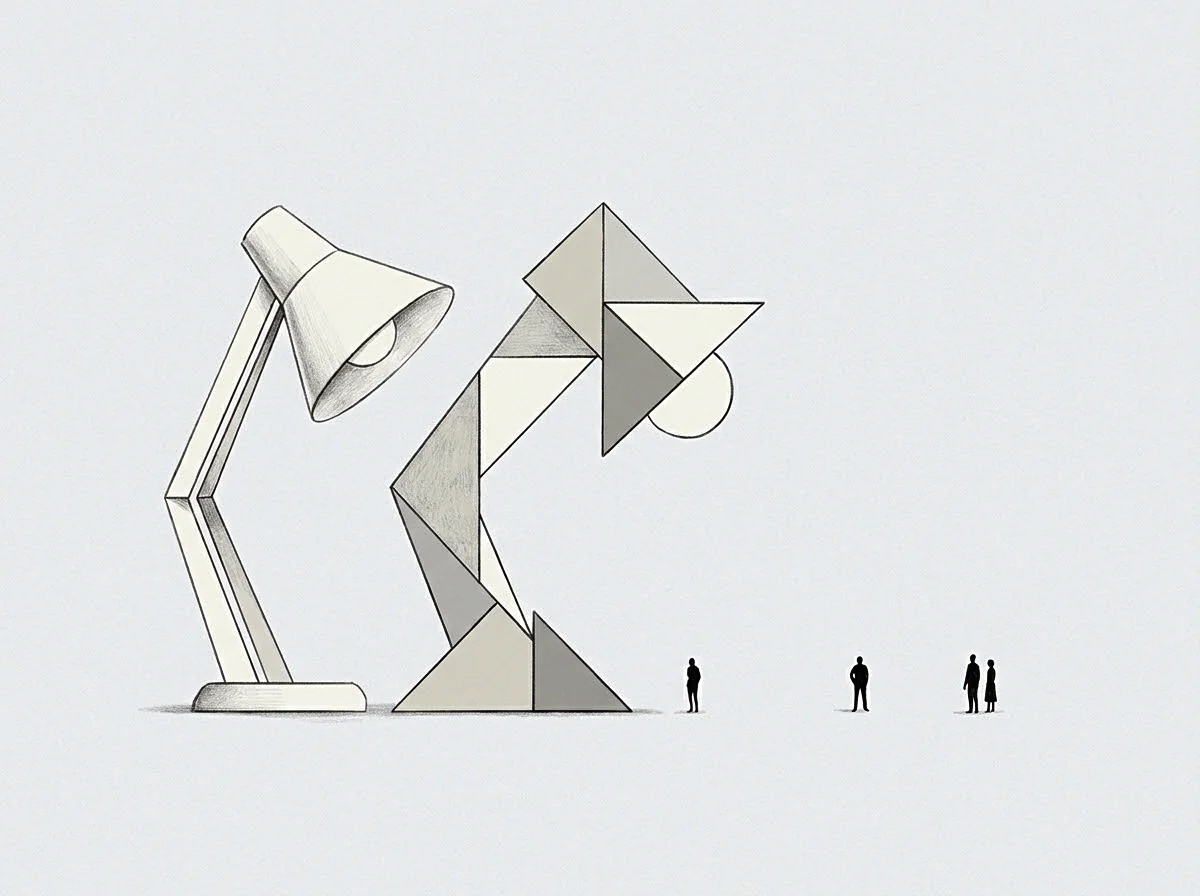
Wedge
Hiring a general manager or chief operating officer is meant to detach company operations from the creator’s personal nervous system. The formal agreement reallocates personnel management, vendor relations, and day-to-day operations to an incoming executive, transferring authority across departments on paper. In practice, the transition frequently stalls within six weeks because the underlying habits remain unchanged.
Junior employees bypass the new executive, messaging the creator directly whenever friction arises. The creator responds within minutes, undercutting the new hierarchy before it takes hold.
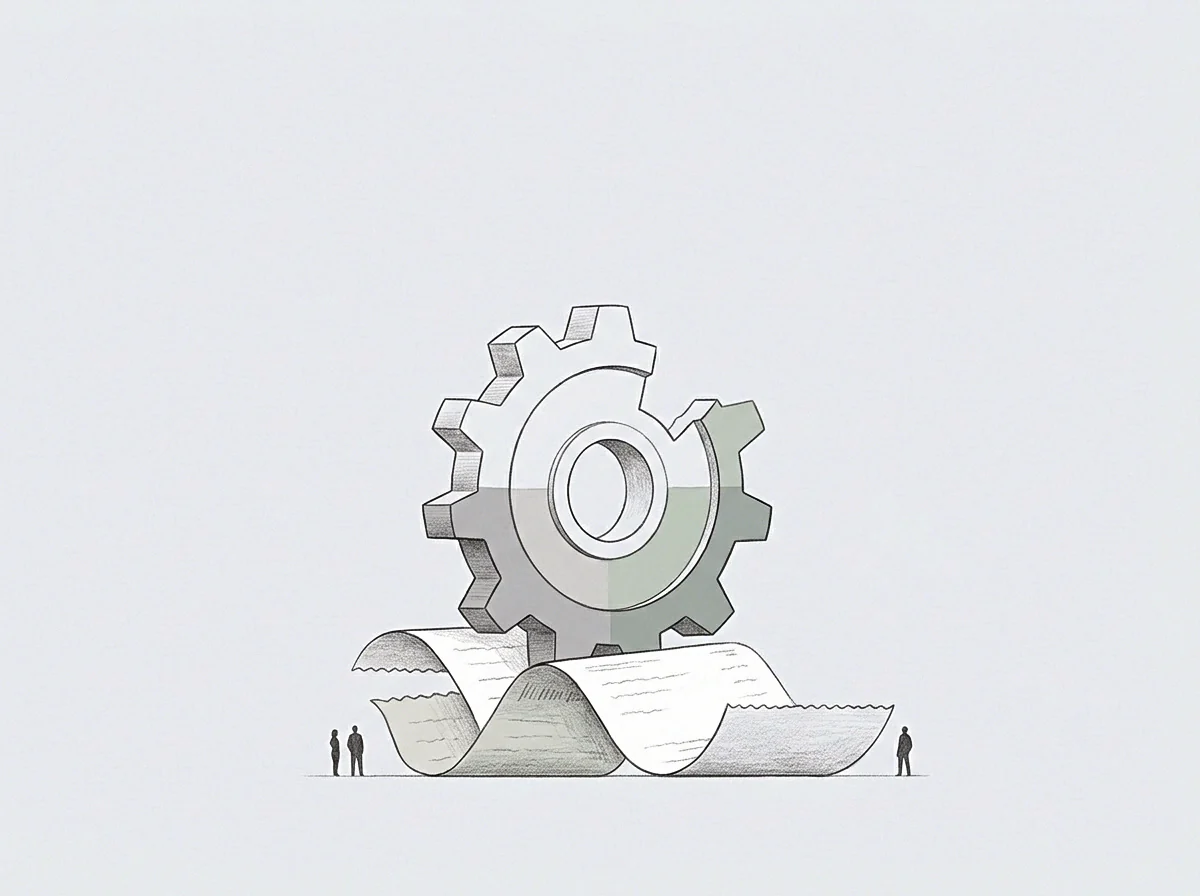
Executive Insertion and Boundary Friction
Operational handovers rarely fail because of incompetence or executive poor performance. They fail because the creator’s internal model equates direct supervision with survival. Stepping back means sitting with the discomfort of watching someone else resolve problems differently.
If an incoming leader lets a customer wait twelve hours for a response, the creator feels that delay as immediate peril. Stepping in relieves the creator’s anxiety while stripping the new leader of real administrative authority.
- Intervention Reflex interrupts the incoming manager by resolving operational tickets before agreed response deadlines expire.
- Backchannel Reassurance occurs when team members seek private validation from the creator instead of following the formal operational chain.
- State Contagion transfers residual anxiety from the creator into executive meetings, overriding structured planning with sudden alarms.
- Authority Dissociation leaves the incoming executive accountable for quarterly performance while withholding unilateral operational authority.
This creates acute confusion within the leadership team. The new general manager expects a standard division of responsibilities governed by clear metrics. The creator continues reacting on an instinctive frequency built during early survival.
The formal org chart shows an executive leadership team, but the actual operational structure remains anchored to the creator’s desk.
True delegation begins only when the initiator tolerates the physiological distress of an unmade decision.
An incoming operator watches this pattern repeat across multiple product cycles, recognizing that the primary obstacle is not staff capability, but the founder’s difficulty enduring operational silence.
Strain
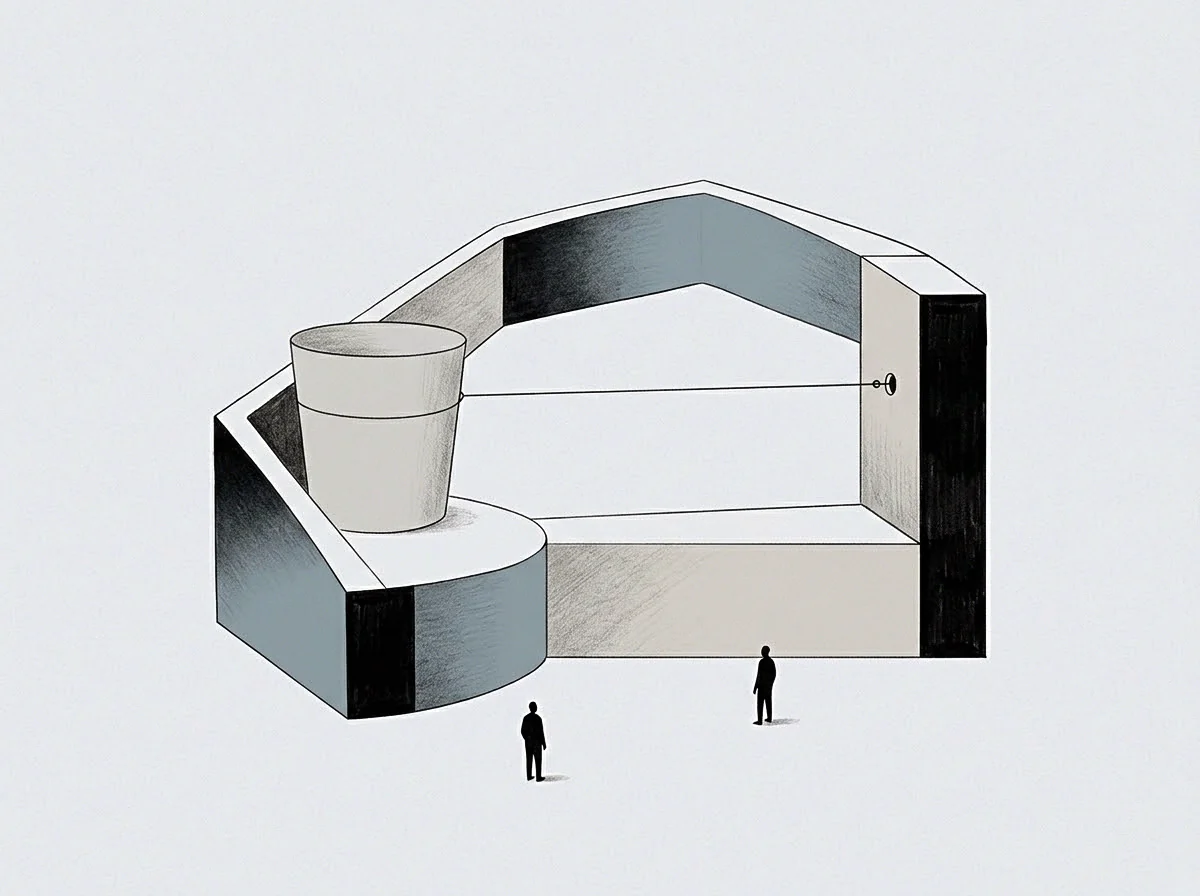
Prolonged solitary regulation alters how a person receives support. After years of acting as the sole stabilizing baseline for a company, neural architecture adapts to that one-way burden. The brain develops efficient ways to project calm, suppress panic, and absorb risk, while dampening the receptor mechanisms that allow a person to accept comfort or relief from others.
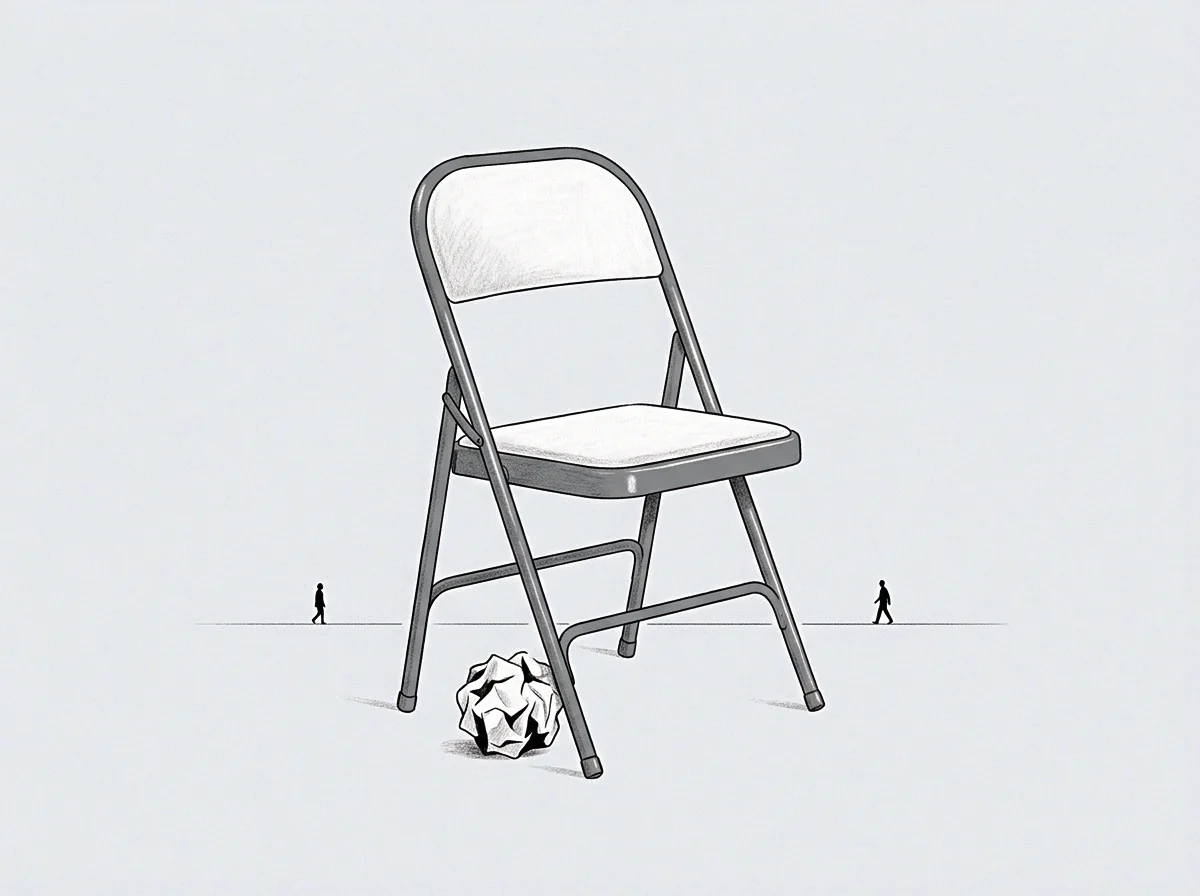
Receptor Slot Atrophy
A mature founder often lacks the internal posture to receive care. When a partner, investor, or executive offers help, the gesture registers as an added administrative obligation rather than relief. The person offering help must be debriefed, updated, and managed, turning their care into another operational loop requiring vigilance.
Having acted as the sole shock absorber for so long, receiving help feels unfamiliar and unsafe.
The nervous system treats incoming help as an anomaly. If an executive offers to take over a problem for the weekend, the creator lies awake calculating failure probabilities. The brain fails to make the downward metabolic shift that ordinary peer support provides.
While social baseline research shows that proximity to a reliable peer reduces threat activation in the dorsal anterior cingulate cortex and anterior insula, proximity to a colleague often increases that activation for a founder, who views every interaction as another party needing stabilization.
Relational assistance acts as an administrative tax whenever the nervous system lacks the internal posture to receive care.
Constant one-way regulation creates a persistent biological toll that a long weekend cannot resolve. High blood pressure, fragmented sleep architecture, and elevated inflammatory markers persist even through calm commercial periods. The creator views this state not as a medical problem, but as a standard requirement of building an enterprise.
The primary regulator simply absorbs more systemic weight until something snaps.
Responsibility without reciprocal support creates physical exhaustion that eventually frames retirement as the only form of relief.
Dial
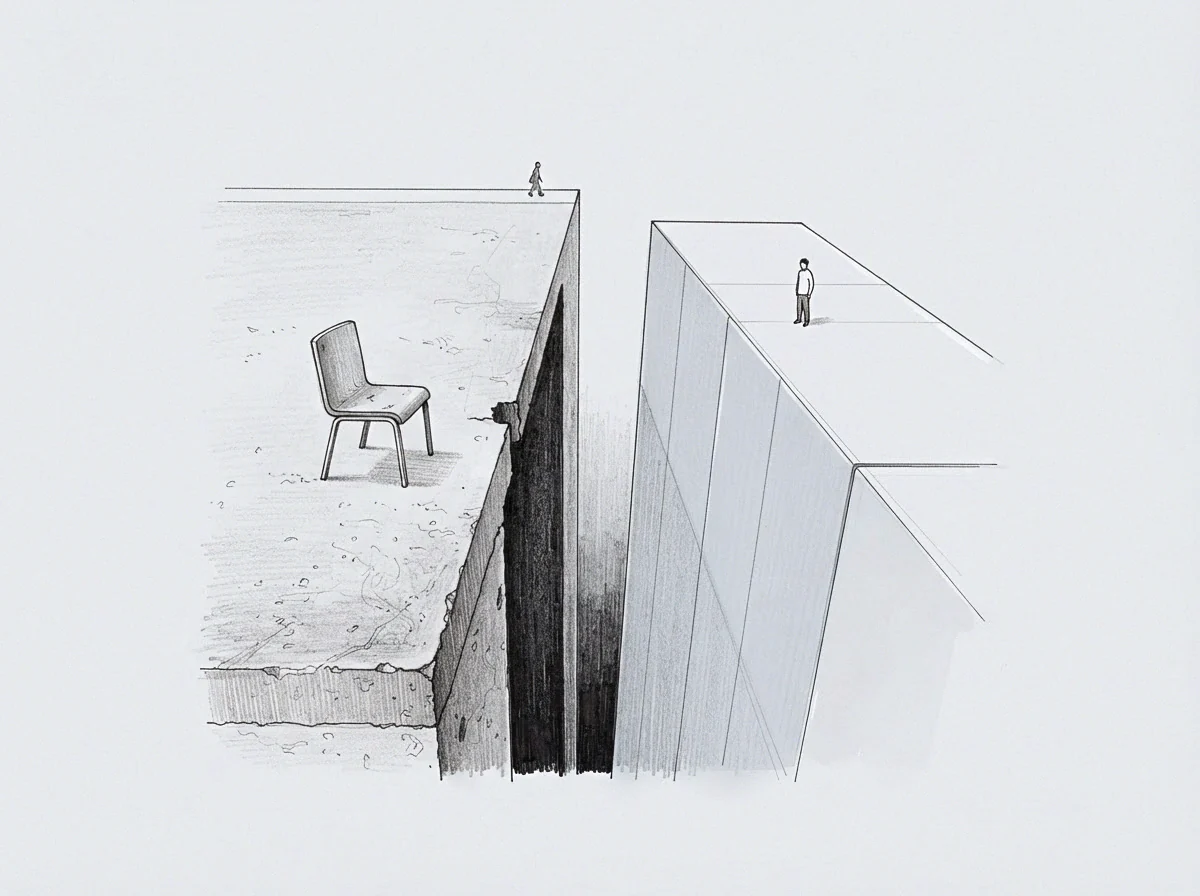
Recalibrating company operations requires moving from direct personal containment to structural boundaries. The organization must stop relying on one person’s nervous system and instead operate within explicit rules. This shift requires clear limits on executive availability, response times, and decision authority.

Structural Shift Across Transitions
Moving from early survival to a structured organization requires changing communication patterns and operational habits. The table below outlines the differences between an unadapted, founder-dependent setup and a structured system governed by explicit operational rules.
| Operational Dimension | Unadapted Somatic Containment | Adapted Structural Governance |
|---|---|---|
| Primary Regulation Source | Creator prefrontal cortex and personal endurance | Explicit service agreements, cadences, and budgets |
| Threat Processing Mode | Real-time intervention across all direct channels | Scheduled operational reviews and tiered escalation |
| Escalation Threshold | Any staff distress or customer dissatisfaction | Exceeding predetermined variance tolerances |
| Recipient Role Perception | Assistance viewed as an operational obligation | Assistance received as functional delegation |
| Biological Metabolic Cost | Severe personal allostatic load and endocrine strain | Distributed across institutional roles and processes |
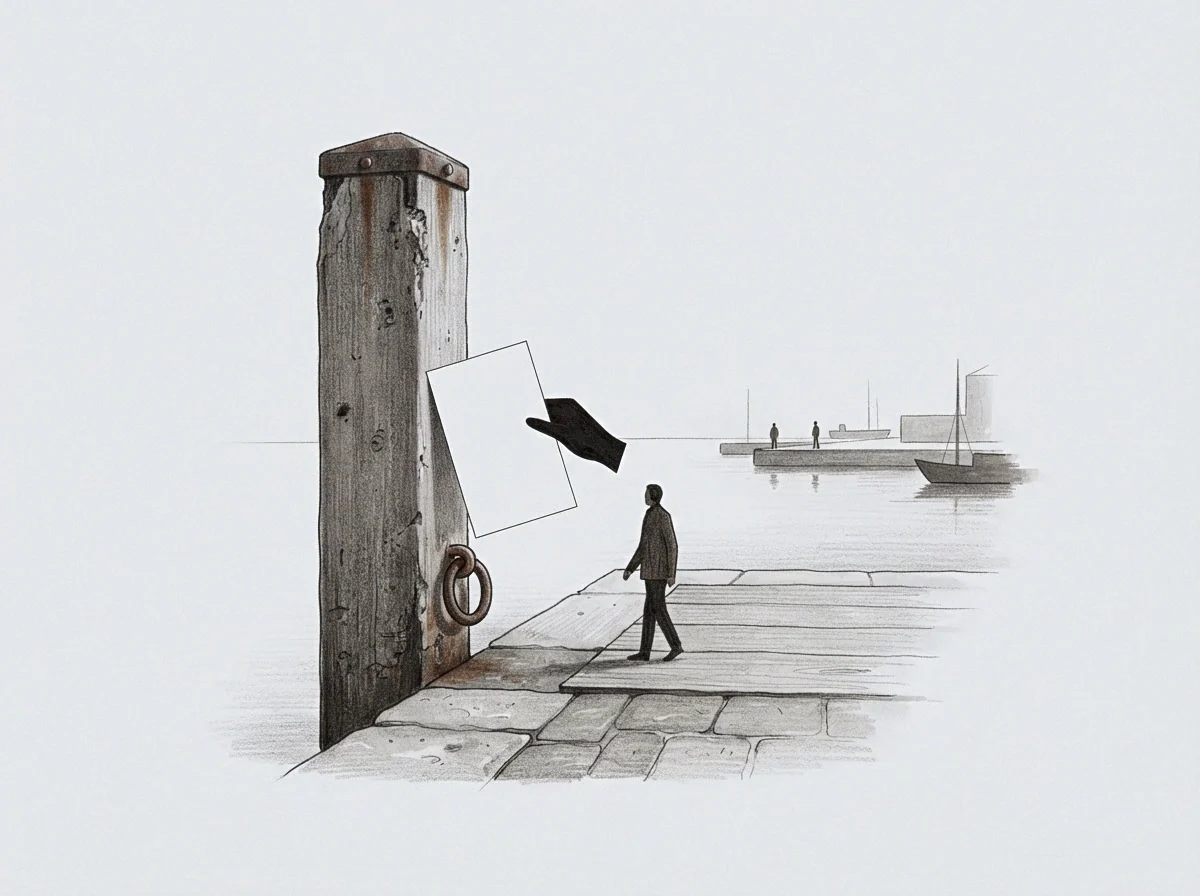
Does an incoming operator relieve the founder template?
An executive’s physical presence alone does not change how the company operates. While an operational executive adds structural capacity, the creator must actively stop stepping in to handle routine friction. If the creator monitors communications after hours, the new executive functions merely as an expensive spectator.
The business continues drawing its stability from the founder, who now carries the added friction of managing an executive layer.
Relief comes only when the creator establishes firm structural boundaries. That means removing chat applications from personal devices, declining direct escalations from former direct reports, and skipping operational standups that lack an explicit agenda. When an issue arrives through an improper channel, the founder leaves it alone, allowing the process to route toward the incoming executive.
This discipline feels irresponsible to a founder accustomed to absolute responsiveness, but it remains the single mechanism through which an organization builds independent stability.
The founder’s role must formally transfer tactical signing authority above set spending limits, redirecting operational friction away from personal attention.
Joint
Changing how a person handles operational stress takes more than intellectual insight. Reading management literature or studying social baseline theory creates no behavioral change on its own. The human nervous system updates its habits through repeated experiences of safety while giving up direct control, mirroring how earned security develops in psychological models.
Earned Security Through Repeated Exposure
To build a resilient organization, the founder must construct situations where they step back and let the outcome play out. This starts with low-stakes tasks: letting a customer service response take slightly longer, accepting an imperfect product release note, or delaying a vendor decision. When the company absorbs these minor imperfections without catastrophe, the nervous system registers a subtle recalibration: control was withheld, and the perimeter held firm.
These experiences need to build up over months to undo years of early habits. The founder watches an executive resolve a tough personnel conflict without founder input. At first, this triggers physical stress, marked by muscle tension and an elevated heart rate.
By holding back, the founder lets the situation resolve through someone else’s leadership. The successful resolution proves that another person can serve as the stabilizing baseline.
Over time, the creator becomes capable of accepting help and sitting in the receptor slot. They learn to attend an executive review and let the general manager report bad news without jumping in with immediate solutions. They allow the operator to carry the pressure of a quarterly shortfall.
This adaptation is not emotional detachment or indifference; it represents the maturation of an organizational architecture that distributes operational load across a resilient system rather than burning out its founder.
It remains an open question whether a company can fully separate from the biological imprint of its creator without completely replacing the human beings who built its earliest foundations.