
Social Baseline Recovery During Domestic Re-Entry After Solitary Operation
Solitary operation recalibrates threat budgeting to zero social assistance, making domestic re-entry a bioenergetic struggle to reopen the receptor for shared calm.
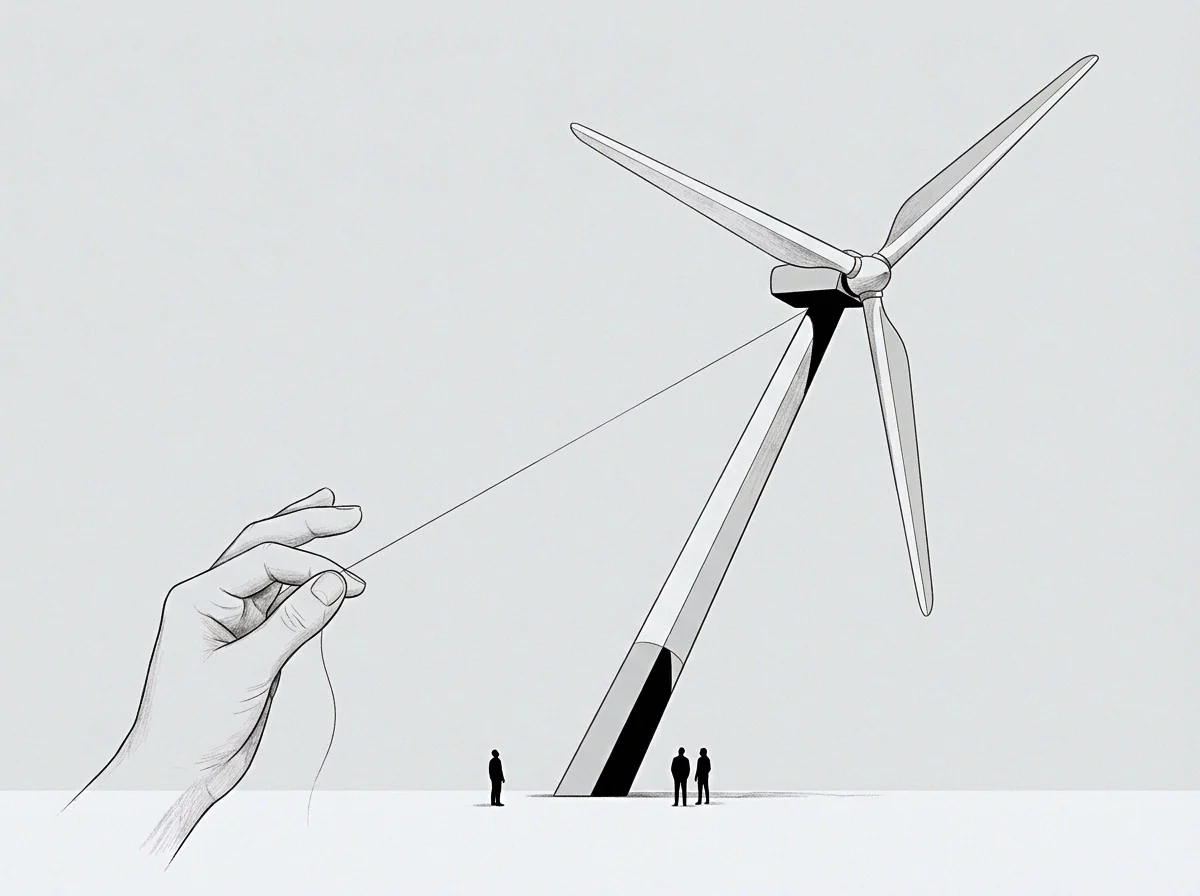
Perimeter
A person returning from months of solitary operational focus steps into a quiet kitchen at midnight, scanning the dark hallway for system failures. The body holds the posture of solitary maintenance long after the operational deployment has ended. In pure isolation, every incoming disturbance falls squarely on individual vigilance.
The solitary seat exacts insulation. When an operator runs an enterprise, an engineering sprint, or a high-stakes deployment without peer support, the brain adapts by treating the external environment as an unbuffered field of volatility. Threat budgeting runs continuously.
Social baseline theory demonstrates that human neural architecture treats social proximity as the primary energetic default. When conspecifics are absent or unreliable, the baseline assumption collapses into an expensive survival state characterized by heightened sensory vigilance, sustained hypothalamic-pituitary-adrenal axis activation, and defensive cognitive hoarding. The solitary operator adapts to this expensive state by eliminating the expectation of social assistance.
The body remains on watch. An unannounced tap on the shoulder produces a sharp jolt rather than relief.
An operator arriving from isolation treats an offered glass of water as an operational interruption.
Domestic re-entry demands the dismantling of an operational fortress within spaces designed for mutual interdependence. The returned operator treats domestic inquiries regarding dinner or weekend commitments as competing tactical allocations. Everyday household chatter registers as signal interference.
The operator paid for it. Habit outlasts the remote post.

Midnight Vigilance in Shared Quarters
The transition between an isolated command environment and an intimate domestic habitat exposes deep metabolic mismatches. The autonomic nervous system continues to budget calories as if total systemic collapse remains five minutes away. Every incoming signal carries friction.
Spouses, children, and domestic partners interpret the resulting rigidity as emotional distance or contempt.
- Inverted Threat Detection processes harmless domestic questions as covert performance evaluations, prompting cold factual responses.
- Autonomic Throttling suppresses facial expressiveness and vocal inflection to conserve dwindling glucose reserves during high cognitive load.
- Continuous Environmental Scanning keeps auditory attention fixated on external perimeter noises rather than domestic dialogue, preventing psychological grounding.
The physiological adaptation that preserved operational focus during solitary work turns deeply disruptive inside a quiet home. Re-entry without intentional decompression forces the domestic partner to absorb the shock of an armed defensive stance. When the operator treats domestic rest as an operational hazard, intimacy decays into cold administrative cohabitation.
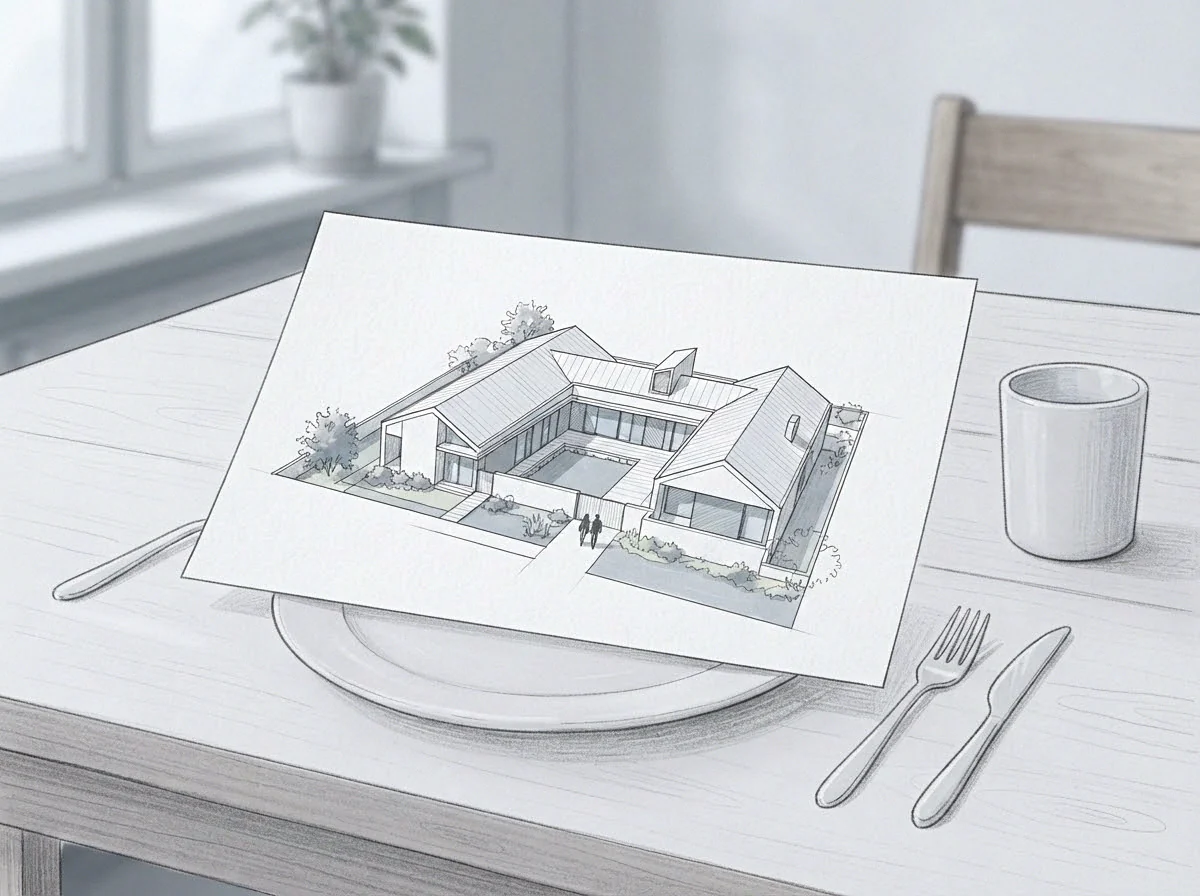
Table
Sitting across a kitchen counter exposes the disparity between self-regulated vigilance and co-regulated equilibrium. Shared quiet demands neural surrender. The solitary operator sits with stiff shoulders, monitoring the room for interruptions, while the partner expects an open, resting presence.
Proximity without physiological attunement creates immediate relational strain.
In laboratory studies of social baseline dynamics, the presence of a known partner significantly attenuates neural responses to perceived threat, particularly in the ventral striatum and anterior insula. This metabolic relief depends entirely upon the individual internal working model accepting the other body as a reliable co-regulator. When an operator has spent months relying exclusively on self-soothing and hyper-control, the brain classifies physical proximity as an added computational cost.
The nervous system registers the partner as another entity needing management. Energy leaves through solitary holding.
When social proximity drops below maintenance levels for three months, solitary threat calculation doubles resting metabolic output.
The physical environment of the home acts as the immediate testing ground for baseline recovery. Sharing meals, negotiating physical movement in narrow hallways, and synchronizing sleep patterns demand shared motor control. Solitary operation systematically strips away this synchronization.
Re-learning to share space requires tangible, sustained evidence that letting down vigilance will not lead to systemic failure.

Physiological Divergence at the Domestic Surface
The contrast between operational self-containment and domestic attunement appears clearly across objective bioenergetic indicators. In a state of prolonged isolation, the brain budgets calories under the assumption that no metabolic debt can be outsourced.
| Physiological Metric | Solitary Operation Profile | Domestic Co-Regulation Profile |
|---|---|---|
| Resting Vigilance Cost | Elevated prefrontal glucose consumption | Distributed neural threat monitoring |
| Threat Attenuation via Touch | Zero down-regulation response | Immediate vagal brake engagement |
| Sensory Signal Processing | Continuous unfiltered background scanning | Selective attentional filtering |
| Metabolic Recovery Window | Restricted to solitary sleep states | Continuous low-grade autonomic rest |
The partner across the counter notes the flat gaze and defensive pauses that accompany the simplest domestic exchanges. The silence across the counter feels like an active refusal to live in the house.
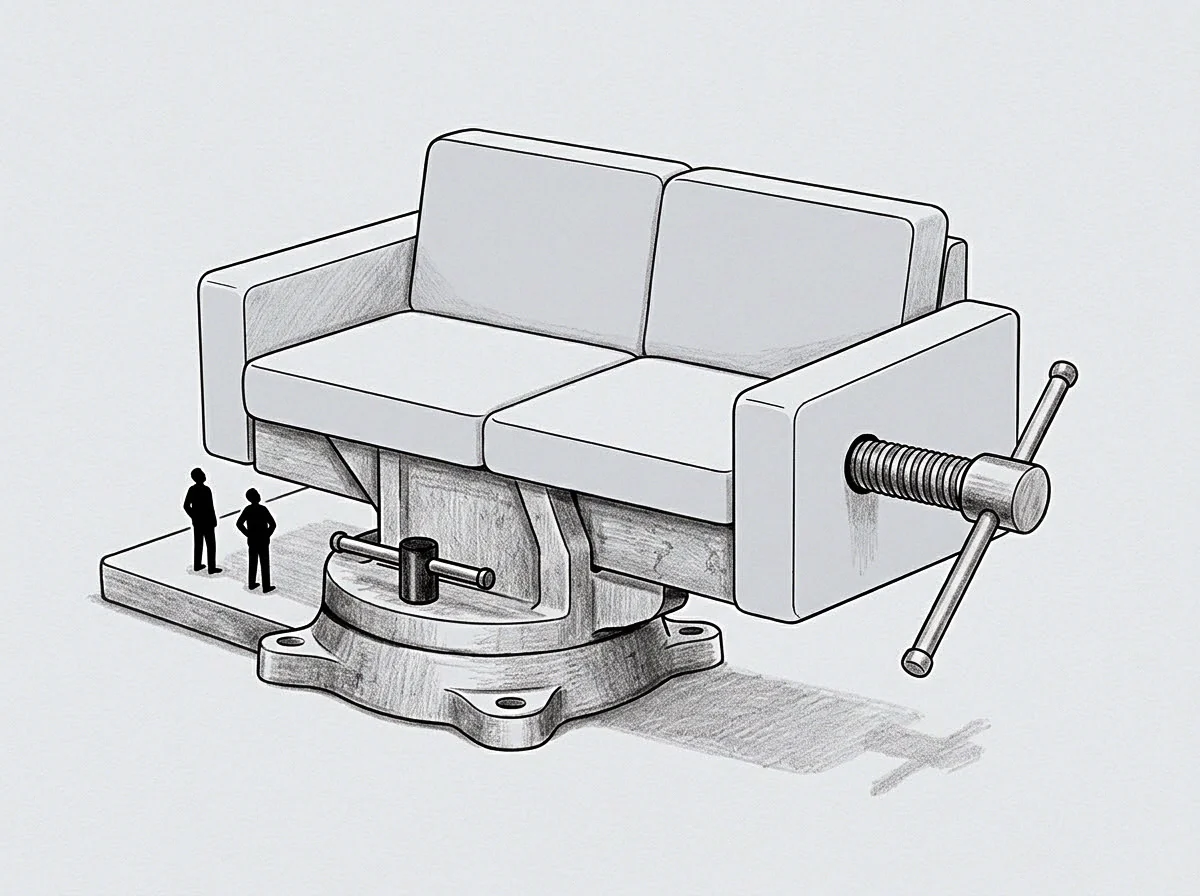
Receptor
A persistent absence of relational support alters the biological machinery dedicated to receiving care. Contact creates immediate physiological spikes. Under sustained operational strain, the internal template of the self updates to view the environment as entirely solitary, dismantling the cognitive receptor slot for external regulation.
The operator becomes a unilateral regulator, capable of projecting calm to others while remaining completely unable to receive it.
When the domestic partner extends physical comfort or emotional solidarity, the solitary operator experiences acute somatic disorientation. The nervous system lacks the active neural pathway required to translate external warmth into internal down-regulation. The gesture lands as an unprompted demand for reciprocity, triggering defensive withdrawal.
Silence registers as imminent breach. The partner pays the difference.
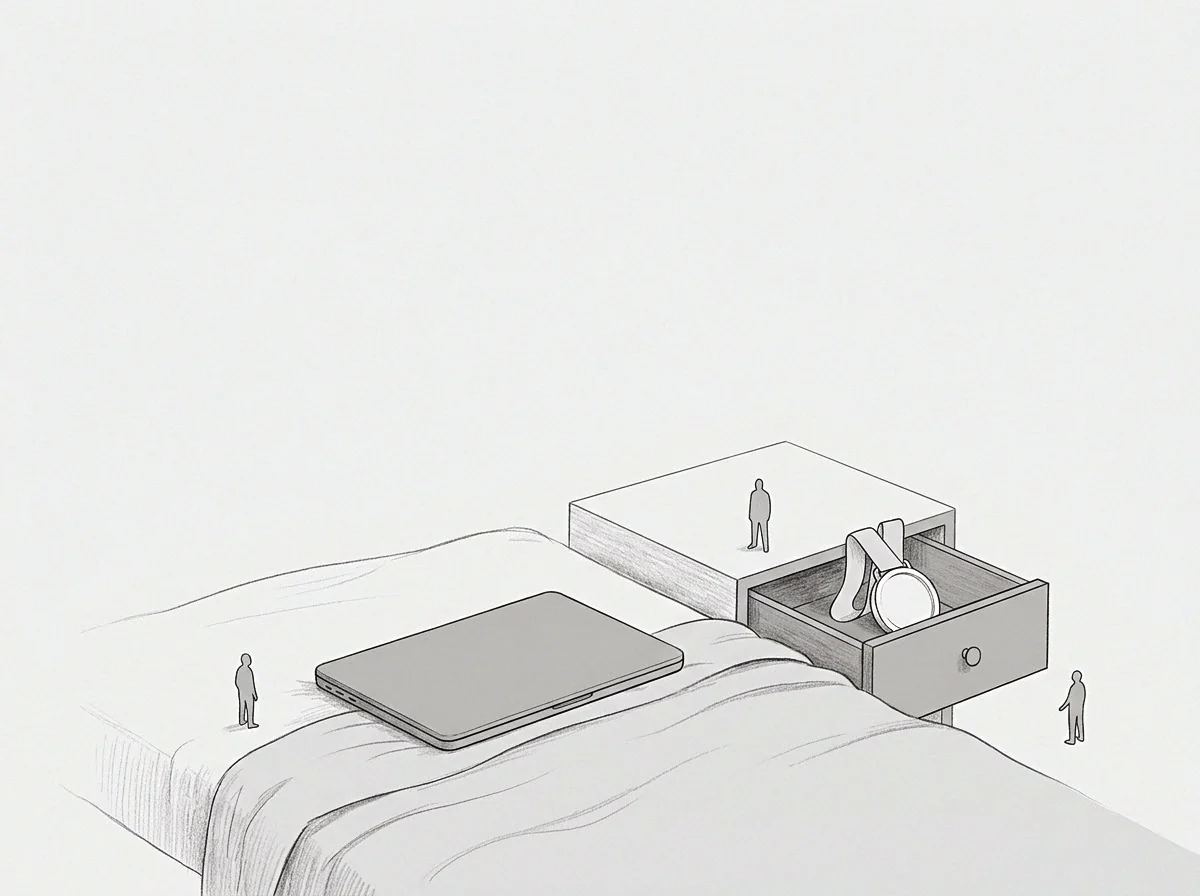
The Missing Slot for External Support
Unilateral regulators build an internal identity founded on total self-sufficiency. This character structure functions remarkably well during corporate crises, isolated deployments, or solo entrepreneurial builds. Domestic integration dissolves this identity by demanding reciprocal vulnerability.
- Affiliative Skepticism prompts immediate suspicion toward spontaneous affection, categorizing tenderness as an unspoken prelude to a complex request.
- Regulatory Asymmetry forces the returned individual into the familiar role of crisis manager, transforming mundane domestic grievances into technical problems.
- Receptor Atrophy prevents the somatic absorption of physical soothing, rendering long embraces uncomfortably restrictive and over-stimulating.
Insight alone fails to reconstruct this capacity. An operator can intellectually recognize the partner as loving, safe, and reliable while remaining somatically wired to repel their touch. Reconstruction requires repetitive, non-verbal micro-exposures to shared presence without operational objectives.
Nobody names the real debt.
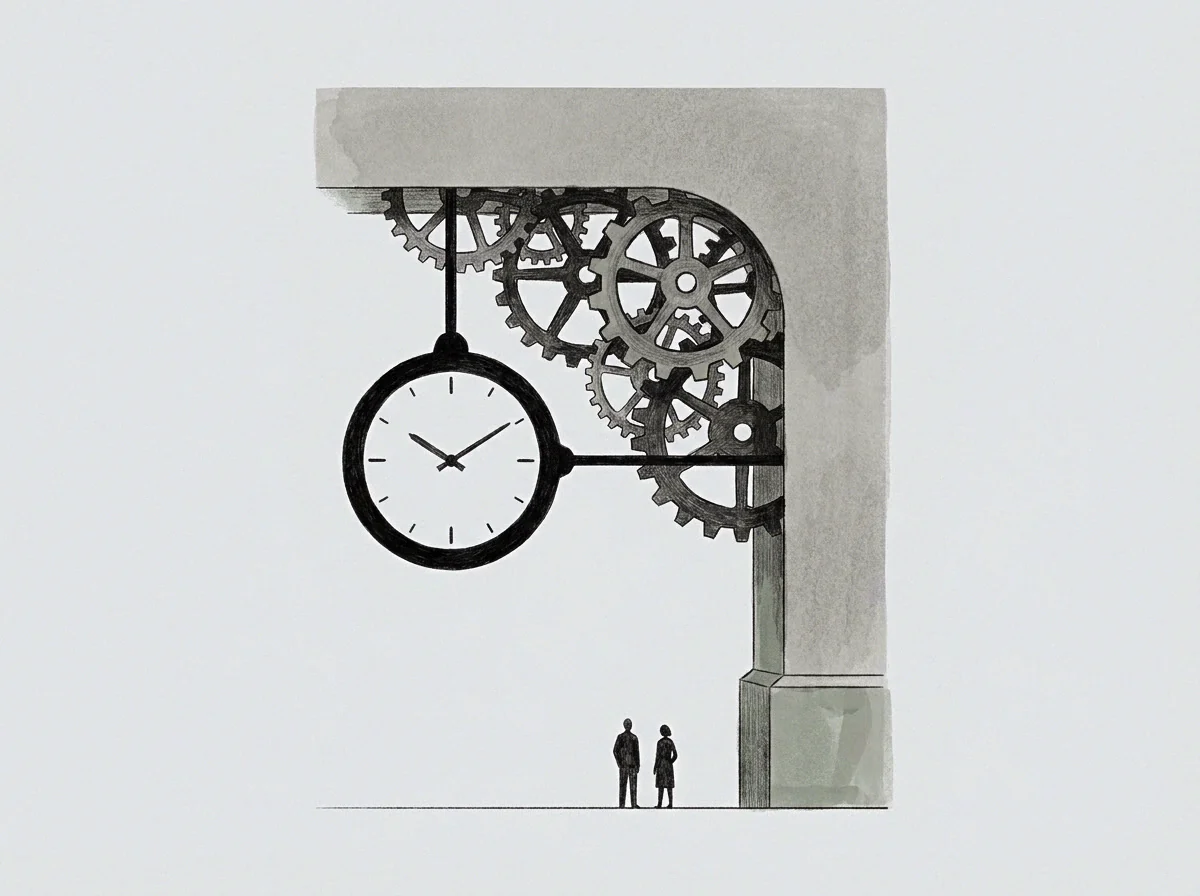
Where Does Shared Vigilance Break First?
Shared vigilance falters earliest during unstructured evening hours when professional demands recede and domestic quiet takes over. The absence of an external threat forces the nervous system to confront its own internal allostatic load. The solitary operator feels an urgent impulse to invent tasks, clean workbenches, or check remote telemetry to justify continuing vigilance.
The domestic partner expects unstructured relaxation, highlighting the operator’s complete inability to sit still.
Can an individual who operated as an absolute baseline for months reconstruct an open receptor slot without first experiencing total autonomic collapse?
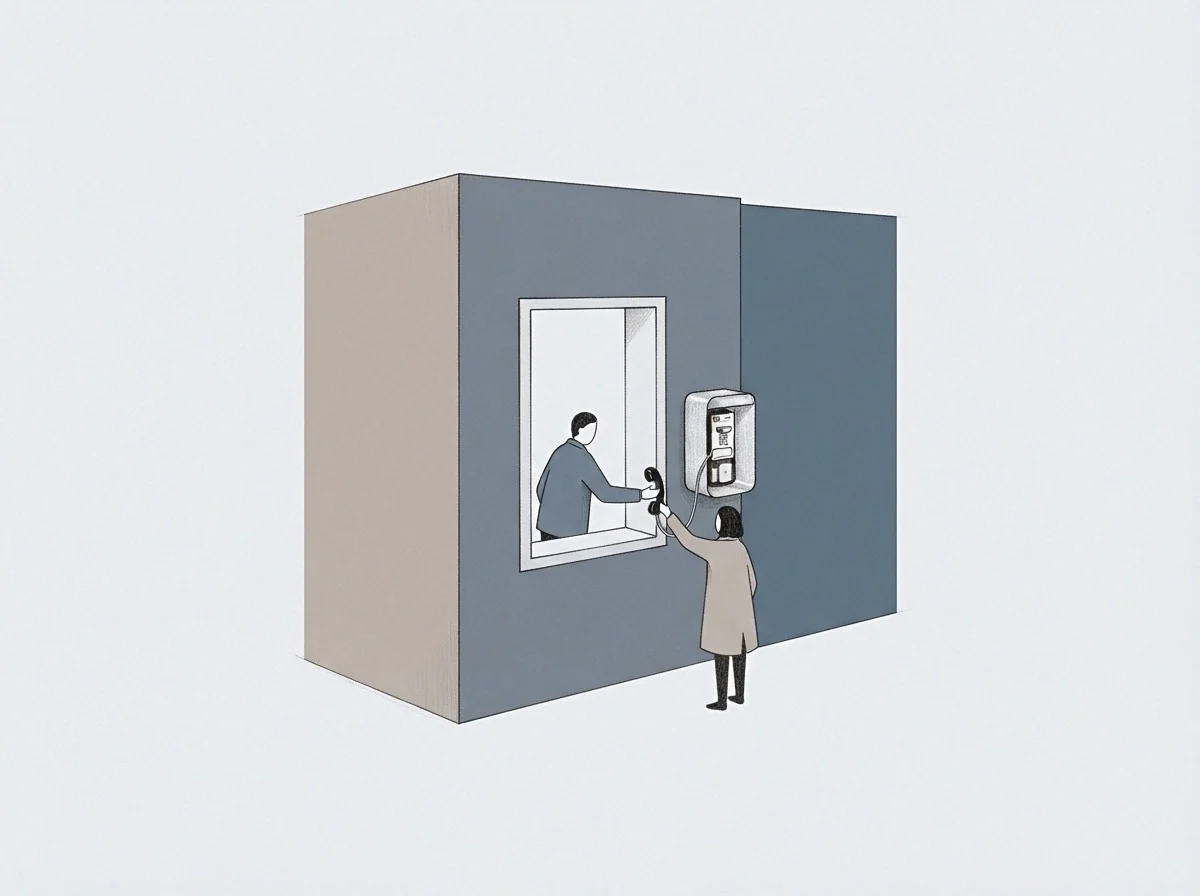
Coupling
Two human bodies sharing an enclosed room naturally synchronize their physiological states over time. Real recovery moves in increments. Breathing frequencies align, core heart rate variability metrics harmonize, and postural mimicry signals mutual safety.
This autonomic coupling constitutes the physical mechanism of social baseline theory. The brain conserves enormous metabolic wealth by offloading vigilance to a trusted companion.
During domestic re-entry, this natural coupling process encounters fierce physiological resistance. The operator’s hyper-aroused autonomic system resists entrainment, often drawing the partner into an elevated stress state instead. The domestic space becomes charged with secondary vigilance.
The partner begins to walk lightly, speak quietly, and monitor the operator’s micro-expressions for signs of irritation, effectively adopting the solitary operator’s defensive posture.
A stated limit held without defensive retreat restores physiological stability within sixty days.
True baseline restoration occurs when the operator allows their nervous system to match the slower, down-regulated rhythm of the domestic partner. This requires extended periods of parallel presence, such as reading quietly in the same room, preparing food side by side, or engaging in joint physical labor without verbal analysis. The shared physiological state gradually recalibrates the operator’s insular cortex, establishing that proximity lowers energy expenditure.
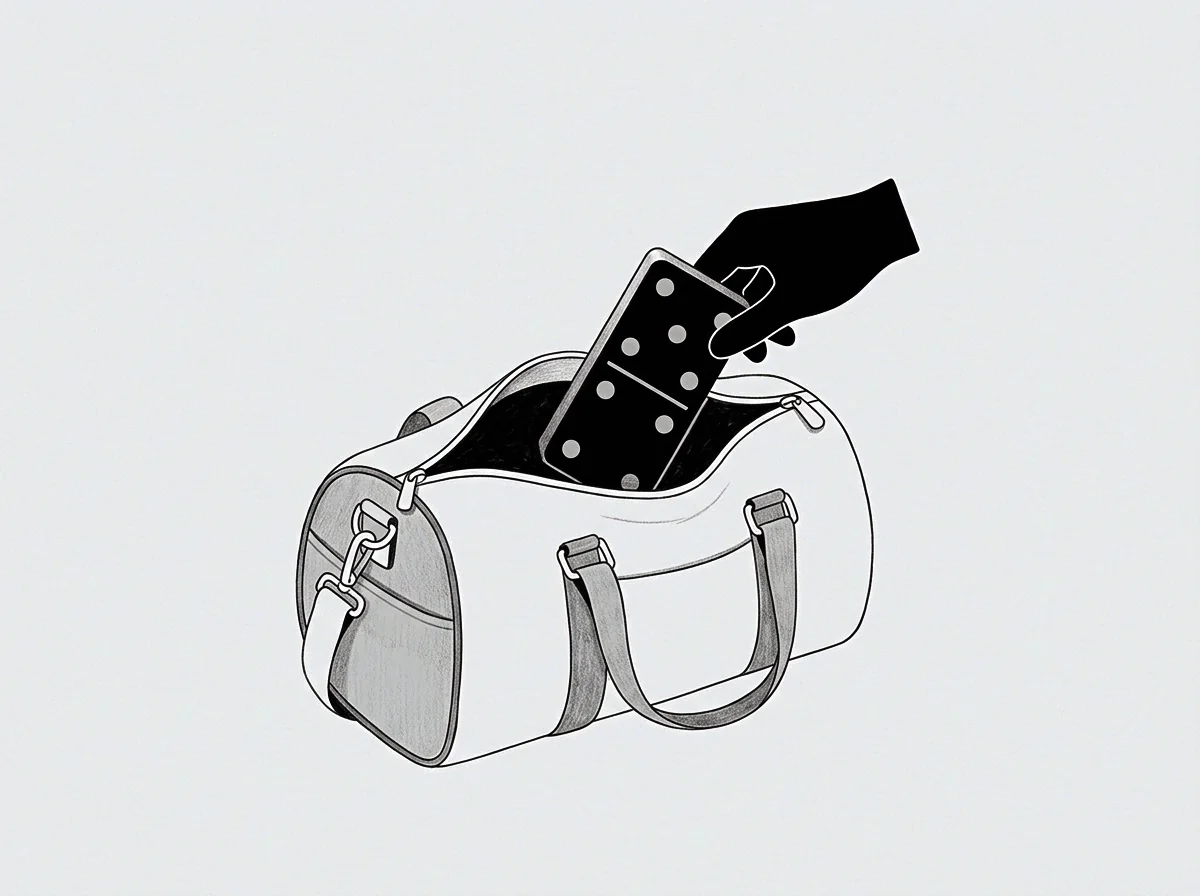
Neural Synchronization Under Bioenergetic Load
Controlled studies in affective neuroscience demonstrate that tactile physical contact dramatically reduces fronto-limbic threat reactivity during unexpected stress. Holding the hand of a familiar, secure partner flattens amygdala activation to levels comparable to an absent threat. For the solitary operator, this soothing effect depends upon accumulated physical exposures free from performance metrics.
When domestic co-presence includes a clear condition of non-demanding companionship, the operator’s defensive muscle tone releases without deliberate cognitive intervention.

Pacing
Restoring the domestic baseline requires a graduated protocol of physiological re-entry. The domestic baseline resists speed. Forcing immediate, high-intensity emotional intimacy onto a nervous system trained for solitary survival triggers acute sensory overwhelm and defensive retreat.
A measured pace acknowledges the biological reality of neural plasticity, permitting the brain to re-learn mutual regulation at an autonomic speed.
The returned operator must establish clear boundaries around private decompression while gradually increasing daily intervals of joint presence. The path from solitary vigilance to earned security proceeds through micro-doses of safe proximity. Solitary decompression preserves the operator’s dwindling regulatory capital, while predictable, low-demand shared activities rebuild the habit of co-regulation.
Borrowed calm settles the nervous system only when the receiving body stops tracking the exit.
Over a span of months, the internal working model softens. The operator begins to experience the partner’s presence not as an environmental demand, but as a genuine metabolic subsidy. The jaw unclenches, deep diaphragmatic breathing returns organically, and the kitchen table transforms from an operational monitoring post into a place of rest.
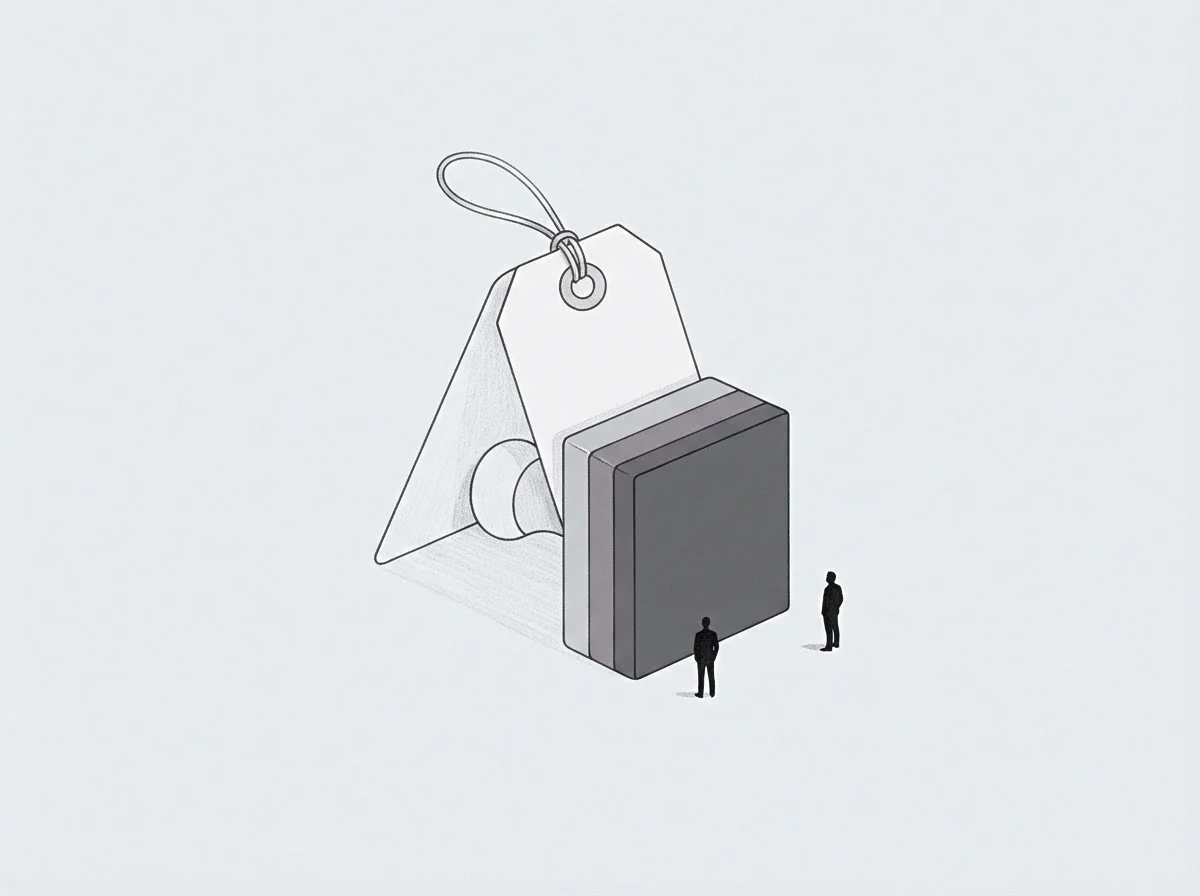
The Delta Over Ordinary Time
The difference between acute survival mode and settled relational security appears through subtle behavioral shifts across regular domestic mornings. The operator stops checking communication terminals upon waking, pauses to lean into an embrace without calculating the elapsed seconds, and listens to family narratives without formulating action items.
Domestic re-entry stabilizes when shared domestic presence reduces vigilance costs below the threshold of solitary defense.