
Physiological Limits Of Relational Co-Regulation In Hierarchical Executive Teams Under Chronic Uncertainty
Hierarchical executive co-regulation collapses under chronic uncertainty because downward baseline provision creates asymmetrical allostatic load on the top seat.

Load
Four executive communication threads land simultaneously at eleven o’clock at night during an unannounced revenue adjustment. Three senior vice presidents wait on a late conference call, silently reading the chief executive officer’s tone of voice to determine whether the company remains viable. The chief executive officer speaks in an even cadence, suppressing vocal tremor and maintaining deliberate posture.
Within twenty minutes, the vice presidents report a reduction in personal anxiety and return to their respective operational tasks. The chief executive officer remains seated alone, experiencing elevated heart rate, cold extremities, and an inability to process further strategic data. Downward stability was delivered to the leadership group, yet the physiological cost of that stability was borne entirely by a single organism.
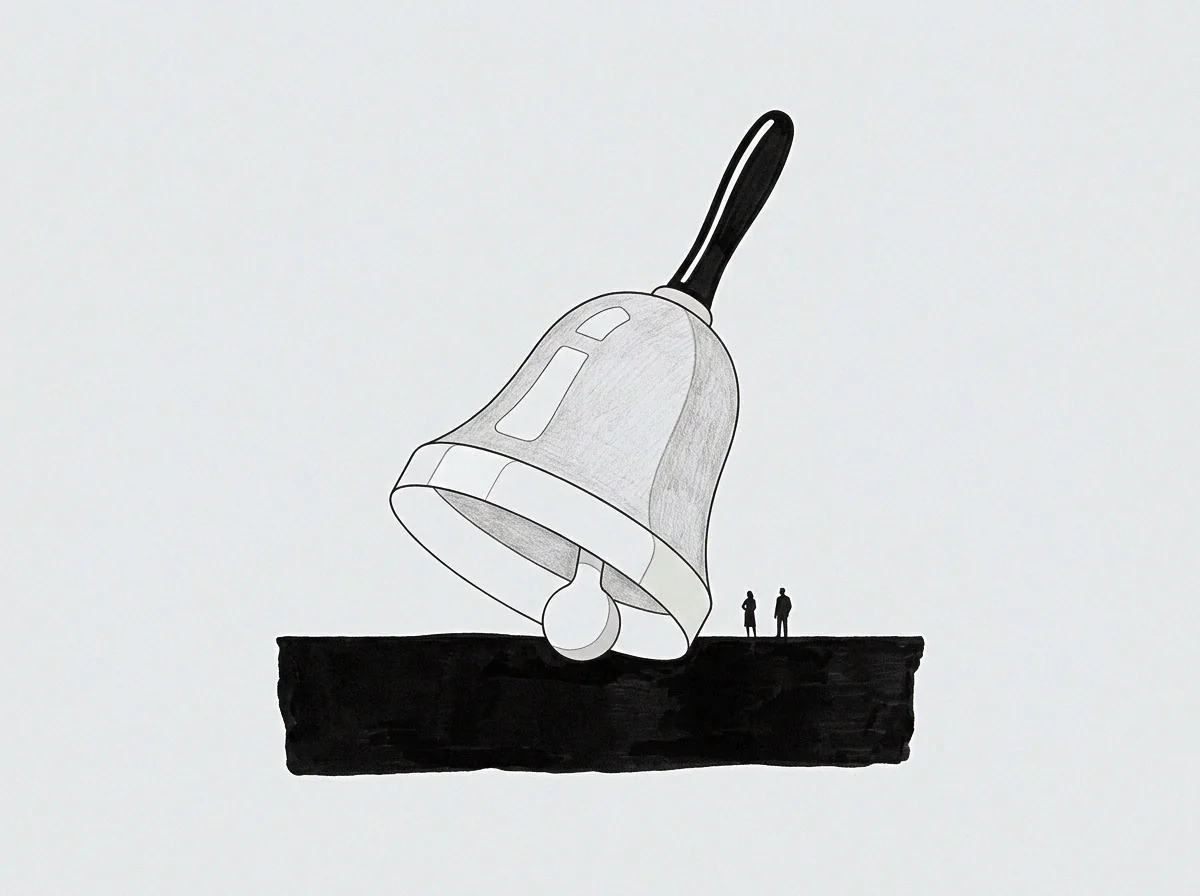
Neural Economy of Executive Alignment
Human nervous systems budget energy based on the presence of familiar conspecifics. Social baseline theory demonstrates that the brain treats proximity to reliable partners as the primary low-cost operational state. When an individual operates in isolation or among unpredictable peers, the baseline neural prediction shifts toward threat anticipation, increasing systemic glucose utilization and heightening autonomic arousal.
Proximity reduces the metabolic effort of environmental monitoring by distributing signal processing across the group. Within corporate structures, however, formal authority alters this baseline economy. Subordinates naturally lean on the autonomic stability of the highest seat to regulate their own internal working states during structural volatility.
Relational co-regulation functions through continuous subtle physical signals, including respiratory sync, pupil dilation, and micro-vocal modulations. In non-hierarchical groups, this physiological calibration flows reciprocally. One participant’s momentary surge in sympathetic arousal finds dampening in another participant’s parasympathetic steadiness.
In an executive management committee under chronic market uncertainty, reciprocity collapses. The formal authority structure creates an asymmetrical regulation vector. Vice presidents consume the chief executive officer’s apparent physiological calm to settle their own autonomic threat responses, while the chief executive officer cannot safely draw calm from subordinate seats without instigating organizational panic.
Relational dampening of threat circuitry degrades when the regulatory provider experiences continuous baseline uncertainty without autonomic offset.
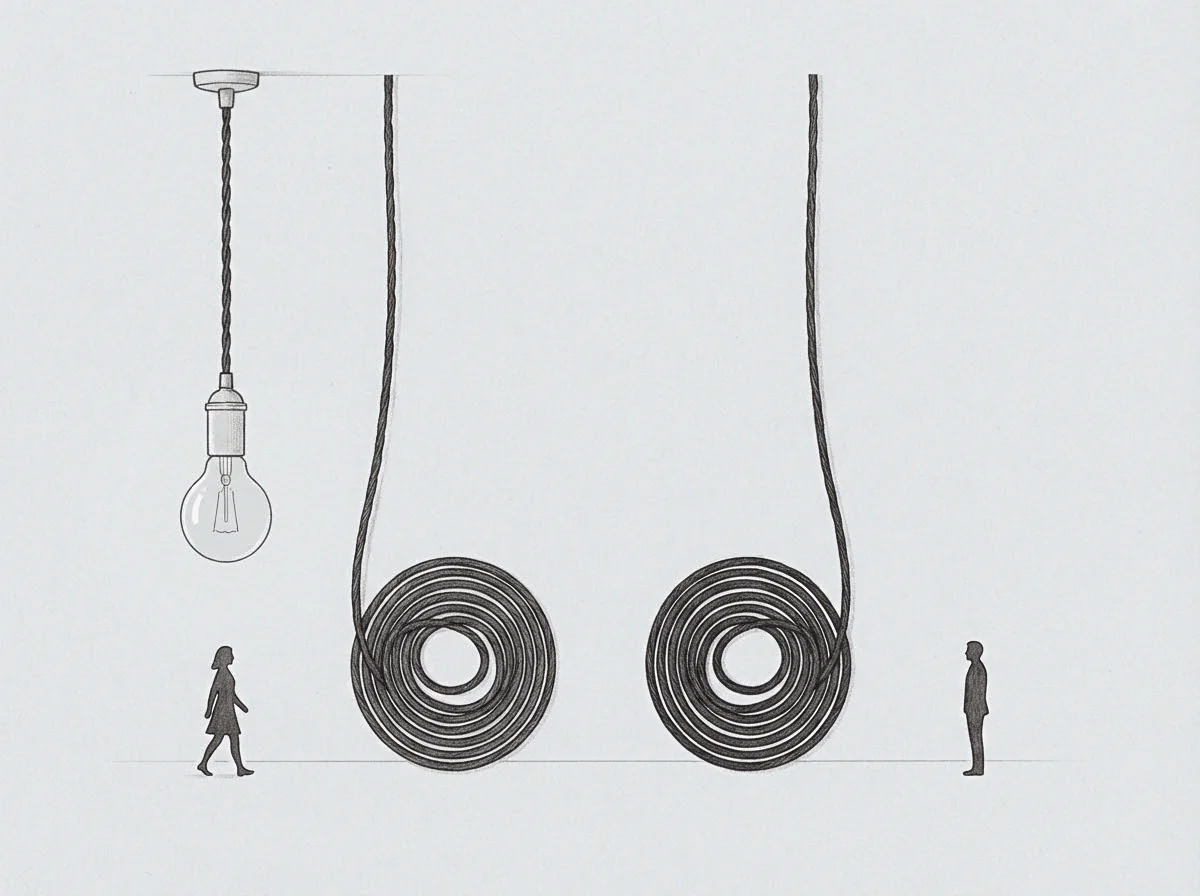
Metabolic Costs of Unilateral Baseline Provision
Supplying continuous physiological calm to a subordinate team under stress constitutes a measurable physical expenditure. Self-regulation without external dampening demands significant prefrontal cortical control, suppressing natural autonomic threat reactions through top-down inhibition. When repeated across multiple quarters of market volatility, this continuous top-down suppression generates sustained cortisol elevation and chronic cardiac sympathetic dominance.
The body treats persistent emotional containment in the seat of authority as an ongoing physical exertion. Over time, the physiological reserve dedicated to executive decision making shrinks as metabolic resources are diverted toward maintaining a steady external presentation.
The chief executive officer experiences this depletion long before operational key performance indicators show degradation. Sleep architecture fragments, baseline heart rate variability drops, and cognitive flexibility deteriorates under minor tactical adjustments. The leadership group continues to perceive the chief executive officer as an anchor, unaware that the anchor is consuming its own structural tissue to remain stationary.
Strength under chronic threat attracts additional organizational weight. The team brings increasingly complex operational anxieties into executive reviews, seeking the physiological settling that follows every interaction with the leader’s steady baseline.
Whether an executive hierarchy can maintain coherent operational pacing once the chief executive’s autonomic dampening capacity reaches absolute exhaustion remains unquantified.

Proximity
Physical presence in leadership settings acts as a direct conduit for state transmission. When an executive team meets in a shared room during an operational emergency, vocal resonance and posture set the room’s autonomic floor. Downward regulation occurs rapidly when the central figure exhibits stable parasympathetic indicators.
Subordinates unconsciously match their respiratory rates and muscular tension to the leader’s physical presentation, lowering their own baseline metabolic defense costs. This physiological inheritance allows senior operators to maintain complex cognitive problem-solving despite acute environmental stress.
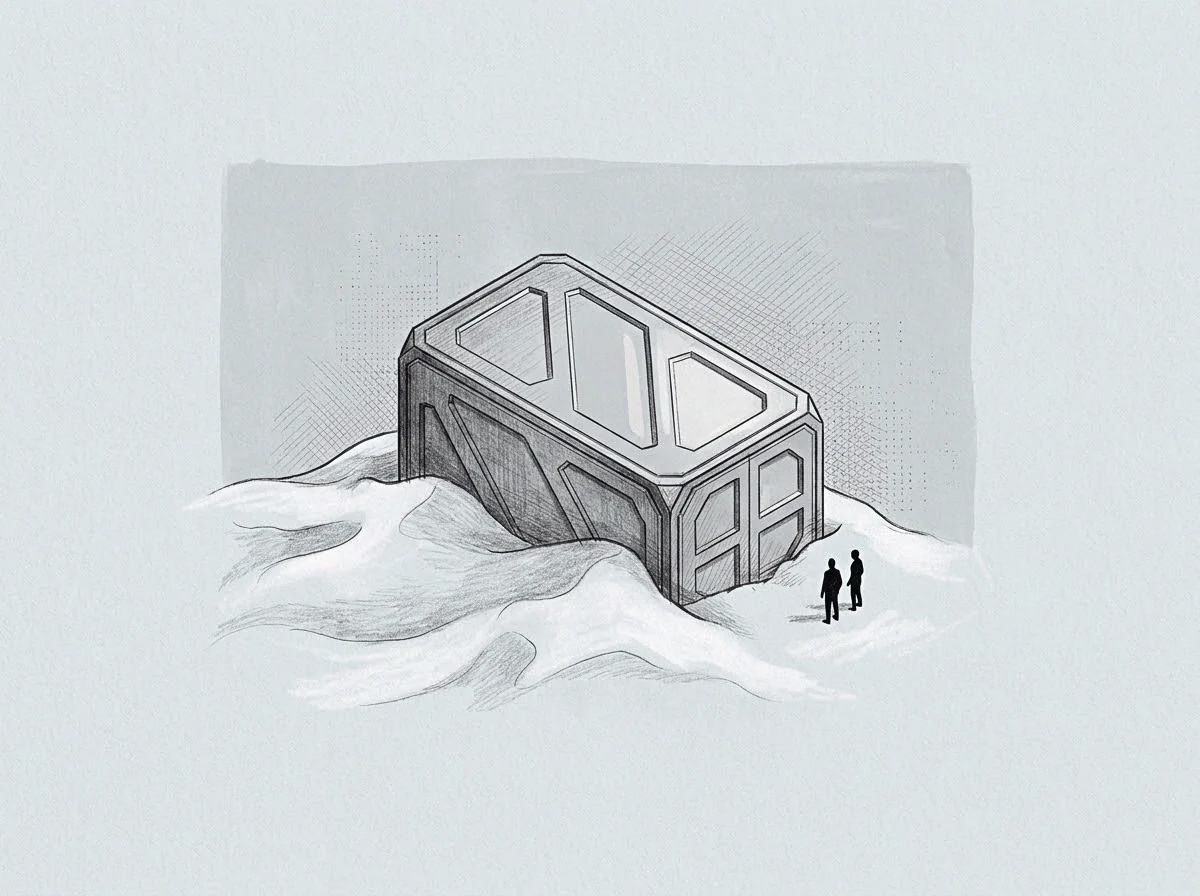
Relational Dampening Across Executive Hierarchies
The physiological benefit delivered through physical presence depends on perceived authority and relational trust. Research in affective neuroscience confirms that an individual’s nervous system accepts regulation primarily from figures evaluated as capable of environmental control. In executive structures, authority amplifies co-regulatory efficiency downward.
A brief, steady intervention from a chief executive officer dampens threat processing in a vice president far more effectively than an identical intervention from a peer operator. The hierarchy acts as an autonomic multiplier, increasing the physiological impact of every subtle stability cue emitted from the top seat.
This downward efficiency comes with a structural vulnerability. Because the hierarchy directs the flow of baseline regulation downward, the top seat receives negligible co-regulatory feedback from the surrounding team. The chief executive officer operates as a net exporter of calm, spending autonomic capital to maintain group alignment while receiving virtually no incoming physiological support from the room.
The higher the environmental uncertainty, the steeper the asymmetry becomes. The group relies entirely on borrowed calm, assuming the source of that calm possesses infinite internal generation capacity.

Asymmetry in Autonomic Transference
The operational cost of maintaining executive alignment under continuous market volatility varies significantly across role tiers. The table below illustrates the physiological differences between regulation modes within a hierarchical leadership structure operating under sustained uncertainty.
| Regulation Mode | Metabolic Energy Expenditure | Autonomic Nervous System Tone | Threat Signal Attenuation | Structural Capacity Limit |
|---|---|---|---|---|
| Unilateral Self-Regulation | High glucose and metabolic drain | Sympathetic dominance, low HRV | Internal inhibition; high friction | Breaks down under acute crisis |
| Peer Relational Co-Regulation | Low to moderate balanced cost | Reciprocal parasympathetic dampening | Shared signal processing; rapid settling | Requires non-hierarchical trust |
| Downward Hierarchical Provision | Extreme unilateral leader expenditure | Suppressed sympathetic expression | External dampening for subordinate team | Constrained by leader allostatic load |
| Throttled Operational Baseline | Controlled, scheduled consumption | Modulated autonomic balance | Structural filtering via clear protocol | Sustained across multi-year uncertainty |
Operators in subordinate seats often misinterpret the leader’s lack of visible panic as a sign of low environmental risk. This misinterpretation leads to elevated operational demands, as the team assumes the leader has excess cognitive and physiological bandwidth to absorb incoming operational challenges. The executive room becomes a system where stability at the bottom is bought by accelerating depletion at the top.
A continuous requirement for downward emotional stabilization without reciprocal physiological holding accelerates allostatic overload across the leadership layer.
When chronic uncertainty spans multiple fiscal quarters, the unilateral provision of calm becomes unsustainable. The chief executive officer’s nervous system begins to deploy defensive conservation strategies, manifested as emotional flattening, strategic withdrawal, or sudden irritable outbursts during routine operational updates. These behaviors are not personality shifts.
They represent systemic physiological self-preservation mechanisms kicking in when allostatic load reaches critical thresholds.
The person who maintains the steadiness of the executive room pays for that steadiness with an unmonitored autonomic debt.
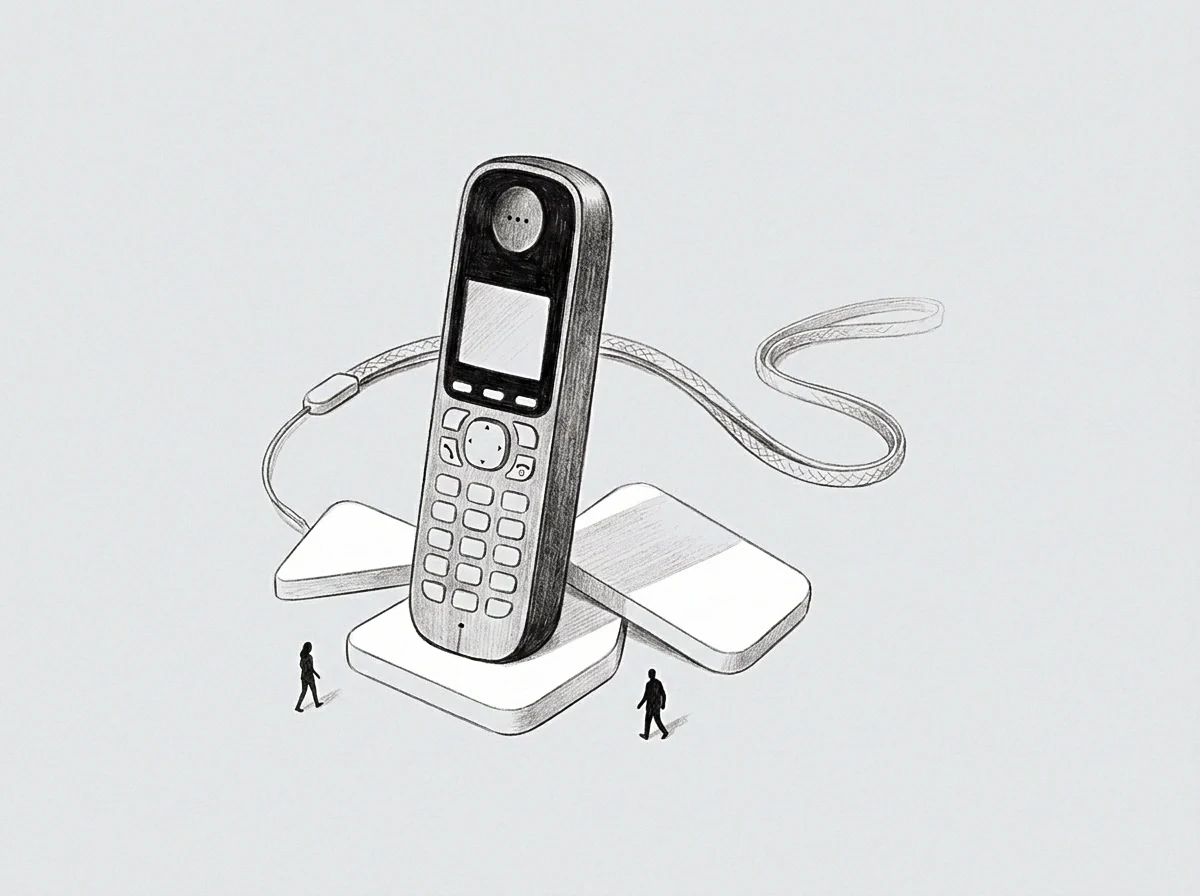
Ledge
Sustained market volatility places executive teams on a narrow physiological margin. Chronic threat signals continuously activate the sympathetic branch of the autonomic nervous system, increasing baseline heart rate, elevating systemic inflammation markers, and restricting long-term strategic working memory. Co-regulation mechanisms that function effectively during acute, short-term crises begin to break down when uncertainty stretches indefinitely.
The human autonomic nervous system was not designed to supply or receive relational baseline calm under permanent environmental threat.

Where Does Borrowed Calm Fail Under Volatility?
Borrowed calm fails when the regulator’s own physiological buffer is fully saturated by environmental load. Consider an executive management team of five leading a venture-backed technology company through a sixteen-month restructuring while capital reserves shrink. The chief executive officer holds weekly individual alignment sessions with the chief technology officer, chief revenue officer, and chief operating officer.
Assume each subordinate enters the room with high autonomic arousal due to team departures and target misses. For the first two quarters, the chief executive officer successfully dampens their anxiety through intentional vocal regulation and structural reassurances.
By the third quarter, the chief executive officer’s baseline heart rate variability drops to chronically low levels, indicating severely compromised vagal tone. During an ordinary pipeline review, the chief revenue officer presents a minor forecast variance. Instead of providing the expected dampening response, the chief executive officer’s nervous system experiences a sympathetic surge, resulting in sharp, corrective anger over a minor reporting detail.
The room instantly absorbs this spike. The borrowed calm collapses, replaced by rapid threat contagion across all three operational tracks. The team leaves the meeting with heightened autonomic arousal, resulting in defensive decision making and communication delays over the subsequent week.
Breakdown Signals in High Stress Environments
When the physiological capacity for relational co-regulation is exceeded, executive teams exhibit distinct structural failure modes. These operational breakdowns signal that the leadership layer has transitioned from managed adaptation to autonomic exhaustion.
- Vocal and Postural Contagion occurs when micro-expressions of panic from the top seat bypass cognitive filters and directly trigger sympathetic arousal across the senior leadership group.
- Strategic Hyper-Fixation emerges as tired operators abandon broad long-term scenario planning in favor of repetitive, low-impact tactical interventions that offer immediate, temporary feelings of control.
- Relational Avoidance manifests when vice presidents sub-consciously reduce meeting frequencies with the chief executive officer to avoid absorbing unmanaged autonomic tension.
- Operational Paralysis develops when subordinate leaders lose the ability to validate routine decisions independently, constantly seeking physical validation from an exhausted top seat.
Executive teams operating beyond physiological regulation thresholds convert latent structural anxiety into continuous operational friction.
The breakdown of co-regulation within an executive team alters organizational communication channels. Messages become brief, ambiguous, or hyper-critical. Interpersonal friction increases across peer interfaces, as vice presidents who can no longer borrow calm from the top seat begin competing for control in cross-functional meetings.
Threat signals propagate rapidly. The organization reflects the unmanaged autonomic state of its senior leadership layer.
Biological limits cannot be overcome through motivational alignment or strategic clarity alone. When the physical substrate of executive co-regulation is exhausted, operational effectiveness declines predictably. The body demands recovery, and ignoring this biological boundary forces the system into involuntary shutdown.
Failing to recognise the limits of relational dampening converts administrative alignment calls into continuous autonomic depletion events for every participant.
Template
Early relational experience shapes the neural architecture through which individuals process stress and authority. Attachment research demonstrates that repeated interactions with primary caregivers create internal working models of relational safety. An individual who experienced consistent, responsive care develops a baseline model expecting others to be available sources of regulation during stress.
Conversely, individuals who experienced inconsistent or overly demanding early relational environments often develop self-reliant regulatory structures. In these cases, the individual internalizes a pattern where personal safety requires managing their own state completely while simultaneously stabilizing the states of those around them.

Internal Working Models of Regulatory Responsibility
Founders and high-level corporate leaders frequently possess internal working models heavily weighted toward unilateral self-reliance. They often learned early in their personal or professional histories that personal stability depended on their ability to regulate volatile environments. This pattern becomes a core operational competence, driving high achievement, exceptional crisis management, and the capacity to project calm in high-stakes environments.
When placed in senior executive seats, these individuals naturally adopt the role of the universal regulator, assuming complete responsibility for the autonomic baseline of the entire organization.
This internal pattern operates without conscious deliberate choice. The leader’s nervous system automatically evaluates relying on others for baseline calm as an unsafe strategy. When subordinates offer support, empathy, or shared responsibility, the leader’s internal model often registers the input as an anomaly or a potential risk to operational control.
The baseline structure lacks an functional receptor slot for receiving regulation from the outside. The leader stays locked in a one-way regulatory broadcast, spending internal reserves while blocking external input that could replenish those reserves.

The Missing Receptor Slot in Leadership Seats
Over extended periods of organizational uncertainty, this unilateral internal model produces severe structural fragility. The process of regulatory degradation across extended corporate crises follows a predictable sequence.
- The leader encounters sustained environmental uncertainty and automatically increases top-down emotional suppression to maintain an outward presentation of absolute calm for the leadership group.
- Subordinate executives increase their dependence on the leader’s apparent steadiness, transferring their own operational anxiety upward through frequent status checks and strategic validation requests.
- The leader’s nervous system reaches allostatic capacity limits, resulting in severe sleep disruption, suppressed heart rate variability, and cognitive fatigue.
- The leader perceives their own mounting physiological exhaustion as an personal leadership failure, responding by further tightening internal control and restricting transparent communication.
- The co-regulatory system breaks down completely, resulting in sudden executive burnout, abrupt organizational restructuring, or unmanaged emotional volatility during public corporate updates.
Senior operators frequently interpret their own physiological exhaustion as strategic indecision rather than autonomic depletion.
The lack of a receptive slot for relational regulation isolates the leader within the operational structure. The senior executive team continues to function under the assumption that the leader is immune to autonomic drain. The executive team reads steady vocal pacing as proof of infinite bandwidth, unaware that the leader is burning essential biological reserves to sustain the presentation.
“The team appears steady during executive reviews, yet every operational decision requires explicit personal re-anchoring from the top seat.”

Margin
Transitioning away from unsustainable relational regulation demands deliberate structural design. Relying solely on continuous personal willpower to absorb executive anxiety guarantees ultimate systemic failure. Organizational structures must incorporate explicit boundaries that limit autonomic transfer and protect the physiological bandwidth of leadership seats.
Structural design must replace unmonitored emotional dampening with clear operational parameters, predictable cadence, and distributed responsibility.
Structural Constraints and Operational Throttle Protocols
Managing the physiological capacity of executive teams begins with implementing explicit operational throttles. Leaders must establish clear boundaries around communication channels, decision rights, and meeting frequencies. Rather than allowing continuous, unscheduled access for emotional processing, organizations function more effectively when operational updates are consolidated into structured, predictable windows.
Predictability lowers baseline threat processing in subordinates, reducing their continuous need for real-time relational reassurance from the top seat.
Operational throttles protect the leader’s cognitive and physiological bandwidth from constant micro-interruptions. Establishing clear delegation boundaries ensures that vice presidents own the complete regulatory and operational load of their respective functional domains. When subordinate leaders take full ownership of their operational areas, they develop their own internal regulatory resilience rather than relying continuously on borrowed calm from the chief executive officer.
Establishing Earned Security Through Exogenous Anchors
Updating an ingrained internal model of unilateral self-reliance requires repeated actual experience with safe, predictable relational anchors outside the operational hierarchy. Founders and senior executives cannot rely on their subordinates or boards of directors for baseline autonomic co-regulation due to inherent conflicts of interest and structural power dynamics. They require external, peer-level relationships where reciprocal baseline regulation can occur safely without operational consequences.
Professional peer networks, experienced executive advisors, and external professional spaces can serve as these critical exogenous anchors. In these spaces, the senior leader can safely step out of the universal regulator role and allow their own nervous system to receive dampening input from trusted peers. Over time, repeated experiences of reciprocal co-regulation help build earned security, creating a secondary internal model that permits the leader to accept support and distribute regulatory weight effectively.
Earned security transforms executive leadership style. The leader shifts from providing continuous downward calm through sheer personal exertion to designing robust organizational systems that distribute operational stress evenly across the leadership group. The body recovers its baseline reserve, cognitive flexibility returns, and the leadership team achieves sustainable operational performance despite ongoing environmental uncertainty.
Enforcing an explicit operational throttle protocol shifts executive interactions from continuous autonomic baseline provision to targeted tactical decision units.