
Physiological Limits Of Earned Security Updating In Non Reciprocal Relational Architecture
Non-reciprocal relational architecture forces isolated self-regulation, generating high allostatic load that blocks earned security updates until reciprocal co-regulation is introduced.
Asymmetry
Four unread streams of operational friction wait on a dark monitor at midnight. The founder sits in the quiet room, holding a steady heart rate while reading urgent messages from operators, partners, and investors. Each sender draws calm from the founder’s predictable response, relying on that steadiness to reduce their own autonomic panic.
The person in the chair experiences no reciprocal lowering of distress. The physical interaction flows strictly one way, leaving the founder to absorb external instability while generating internal stability entirely out of metabolic reserves.
The Structural Direction of Unilateral Regulation
In non-reciprocal relational configurations, one participant functions as the primary autonomic baseline for the entire system. The brain calculates energy expenditure based on available social support, treating close proximity to a reliable presence as a low-cost mode of operational survival. When an individual provides constant baseline stability without receiving co-regulatory signals in return, their nervous system registers the environment as continuously hazardous.
The metabolic bill for maintaining composure falls entirely on the isolated regulator.
Relational systems often form around this imbalance during periods of rapid growth or organizational stress. Team members and external stakeholders unconsciously attach to the calm state of a steady executive. They offload their autonomic disruption onto the leader, using the leader’s tone, pacing, and accessibility to steady their own physiological states.
The leader’s internal working model adapts to expect no incoming regulation, reinforcing a habit of isolated self-reliance.
The person holding the stable state receives no incoming signal of safety while holding open the regulation channels for four other people simultaneously.
This dynamic creates a structural deficit that standard organizational management fails to identify. The nervous system tracks debt accurately across long operational stretches.
- Unilateral baseline offloading occurs when secondary participants transfer emotional and autonomic volatility to a central figure without offering soothing or co-regulatory feedback in return.
- Absence of the receptor slot leaves the primary regulator unable to process incoming gestures of care, interpreting offers of support as additional tasks requiring management.
- Continuous sympathetic activation persists beneath a calm surface when self-regulation remains the sole mechanism for maintaining baseline stability.
The recipient of continuous baseline support assumes the steady party possesses infinite capacity, asking for faster responses during moments of elevated distress.
Gate
Nervous systems calculate threat levels by assessing the physical availability of competent partners within immediate reach. When a reliable presence is detected, the brain down-regulates its own vigilance mechanisms, conserving glucose and reducing stress hormone production. In an architecture lacking mutual support, this energy-saving pathway remains closed.
The isolated individual spends high energy maintaining internal equilibrium, treating every operational variable as a solo survival effort.
Metabolic Expenditure in Isolated Self Regulation
Allostatic load accumulates rapidly when social baseline offloading is unavailable. The brain treats isolation under stress as an anomalous state requiring heightened baseline vigilance. Sympathetic nervous system activity remains elevated, elevating baseline cortisol and keeping cardiac tone guarded.
Over months of non-reciprocal operation, this elevated baseline wears down neural tissue, impairs sleep architecture, and reduces cognitive flexibility.
Cognitive insight into this dynamic yields zero reduction in physiological expenditure. A leader may intellectually understand attachment patterns, social baseline theory, and energy budgeting while their autonomic nervous system continues to burn fuel at ceiling levels. The body requires actual sensory inputs of shared regulation to alter its risk assessment.
Intellectual clarity without physical co-regulation leaves the underlying neural threat response fully active.
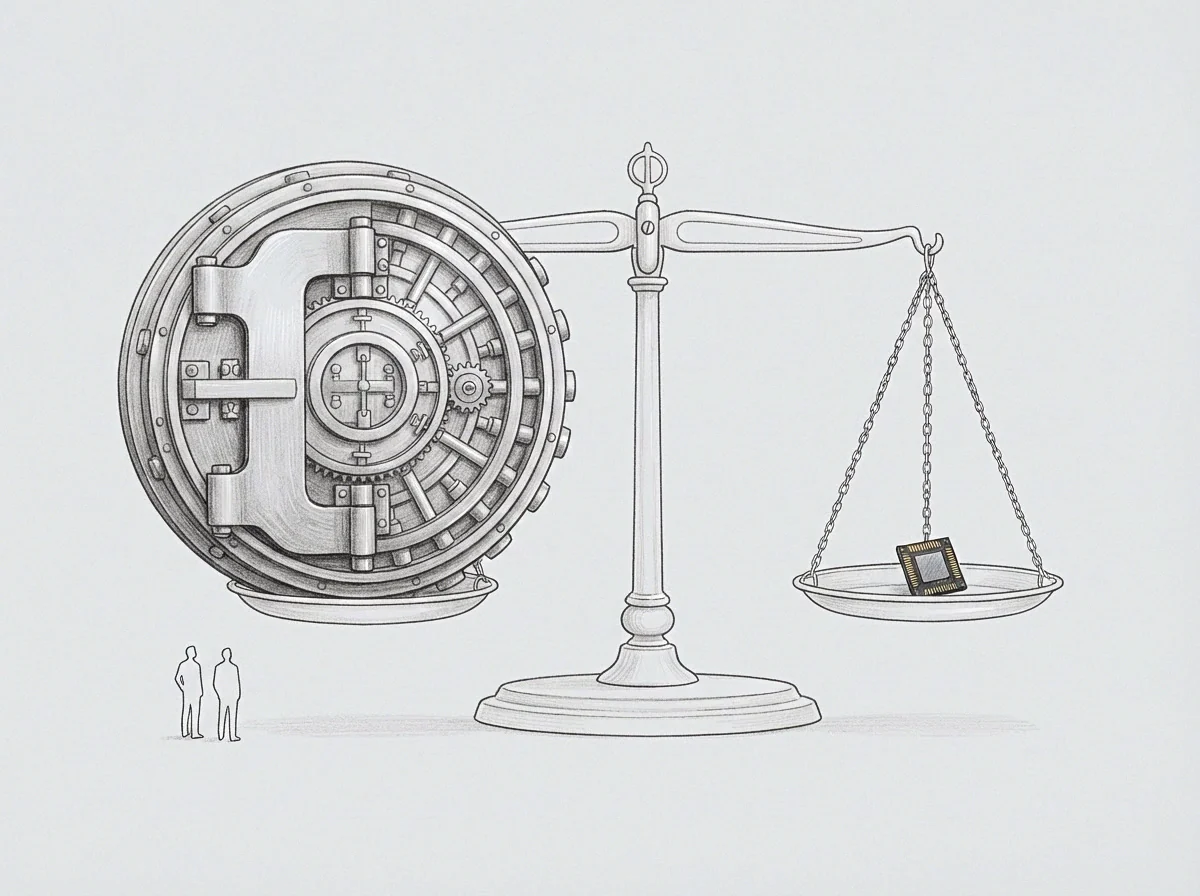
When social baseline proximity is absent during prolonged threat exposure, the metabolic budget of self-regulation increases fourfold.
The physiological progression of persistent non-reciprocal load follows a predictable path of autonomic depletion.
- Initial sustained baseline vigilance elevates baseline cortisol levels and restricts deep recovery cycles.
- Persistent sympathetic activation depletes available cellular glycogen reserves across high-demand neural networks.
- Vagal tone regulation degrades, reducing the body’s capacity to return to baseline calm after operational spikes.
- Systemic exhaustion forces involuntary neural throttling, surfacing as sudden emotional numbness or executive detachment.
Ignoring these biological boundaries produces sudden operational collapse, where the central regulator loses the physiological capacity to maintain composure under ordinary pressure.
Physiology
Internal working models formed in early environments establish the structural baseline for adult relational dynamics. When an individual learns early in life that caregivers are unreliable or punitive, they internalize a model of self-as-regulator. They become their own baseline while developing a template that lacks a receptor slot for receiving care from others.
In adult non-reciprocal structures, this backward template operates efficiently on the supply side while blocking incoming reciprocal inputs.
Neural Template Constraints and Receptor Deficits
Updating an attachment template from insecure or self-reliant patterns to earned security requires specific neurobiological conditions. Neural plasticity for relational safety depends on repeated experiences of physiological safety occurring in proximity to a steady, responsive partner. In non-reciprocal architectures, these updating conditions are entirely absent.
The primary regulator provides safety to others but receives no experiential evidence that another person can hold a stable state for them.
The neural architecture resists updates when incoming relational signals contradict the stored internal working model. When a team member offers sympathy or assistance to an exhausted leader, the leader’s brain reads the gesture through their established template. Rather than registering relief, the neural circuitry flags the interaction as an unexpected demand or a potential risk to operational control.
The missing receptor slot prevents the physiological integration of the offered support.
A missing receptor slot converts incoming offers of presence into unexpected computational load rather than physiological relief.
The structural differences between reciprocal baseline systems and non-reciprocal architectures dictate the biological cost borne by the central participant.
| Architectural Feature | Reciprocal Baseline Architecture | Non Reciprocal Relational Architecture |
|---|---|---|
| Primary Regulation Source | Shared co-regulatory loops between steady partners | Isolated internal self-regulation by central party |
| Metabolic Energy Expenditure | Low baseline expenditure due to shared neural load | High metabolic burn to sustain baseline composure |
| Threat Processing Path | Down-regulated via physical proximity and signal exchange | Sustained sympathetic vigilance with high cortisol |
| Earned Security Updating | Active template revision through repeated real-time relief | Blocked template updating due to lack of reciprocal input |
| Systemic Vulnerability | Distributed resiliency across multiple steady figures | Single-point failure when central regulator exhausts reserves |
Establishing a stated limit within a non-reciprocal architecture alters the biological load by halting the automatic transmission of external volatility into the regulator’s nervous system.
Boundary
When metabolic reserves drop to critical thresholds, the nervous system initiates involuntary survival protocols to protect core functions. Throttling manifests as cognitive slowness, reduced empathy, and an inability to process complex social cues. The leader experiencing throttling often faces criticism for becoming cold or inaccessible, yet this withdrawal is a mandatory biological defense against complete systemic failure.
Throttling Mechanisms and Stated Limits
A regulator proven under stress naturally attracts additional external load. Teammates, partners, and clients direct their destabilization toward the entity most capable of containing it. Without explicit structural boundaries, this load transfer increases until the regulator reaches absolute biological capacity.
The system operates as a open sink for external anxiety, draining the core participant while preserving the comfort of the surrounding network.
Consider a scenario where two founders build an enterprise over three years without defining clear boundaries on personal availability. Founder A possesses a backward template, functioning as the continuous baseline for Founder B during every operational crisis. When market volatility increases, Founder B increases communication frequency, seeking autonomic steadying multiple times per day.
Founder A’s nervous system hits capacity ceiling, forcing a choice between total collapse or sudden, rigid disengagement. If Founder A enforces a stated limit restricting access to set operational hours, Founder B experiences intense anxiety, while Founder A’s autonomic baseline finally begins to recover.
Mechanical feedback loops in high-capacity cooling systems demonstrate this identical principle. When external heat transfer exceeds radiator capacity without a throttling valve to limit intake, the central fluid boils and the engine seizes entirely. Relational architectures obey identical thermodynamics.
A regulator proven under stress attracts incoming load until a stated limit stops the transfer.
The critical structural dynamic remains unresolved: can an individual who functions as the sole baseline for an entire organization construct the necessary conditions for earned security without entirely dismantling their current professional arrangements?
Revision
Updating an internal working model while embedded in a non-reciprocal architecture requires targeted external inputs outside the primary operational sphere. Because the professional structure offers no reciprocal regulation, the individual must establish alternative spaces where their baseline is not responsible for carrying others. These external reciprocal environments provide the raw sensory data necessary to grow a functional receptor slot.
Constructing the Update Path Outside Primary Structures
The process of forming a secondary template occurs slowly through tiny, repeated micro-exchanges of genuine co-regulation. The individual enters environments where another party holds stability, safety, and competence without demanding regulatory output in return. Over time, the neural circuitry registers these interactions as safe, allowing the sympathetic nervous system to disarm during moments of vulnerability.
The brain gradually revises its baseline expectations, learning that proximity to another human being can reduce energy expenditure rather than increase it.
This biological update changes how the individual interacts with their primary non-reciprocal environment. As the secondary template solidifies, the person gains the internal baseline stability required to maintain strict boundaries around their availability. They cease offering unlimited autonomic offloading to their network, forcing team members and partners to develop independent self-regulation capacities or seek auxiliary support systems.
The delta over time reveals a clear structural shift in the relational budget. The individual no longer relies on isolation as their sole defense against depletion, nor do they permit their professional network to use them as an unhedged shock absorber. They operate with a clear understanding of their physiological limits, recognizing that earned security is an experiential reality built through real-time mutual regulation rather than an intellectual concept achieved through solitary effort.