
Autonomic Load Transfer Mechanics Between Primary Regulators And Partners
Primary regulators absorb partner stress through proximity, lowering partner autonomic costs while quiet allostatic expenditure consumes the regulator baseline.

Drain
Four incoming operational messages sit open late at night while the primary regulator’s physiological baseline reaches total exhaustion. A co-founder or strategic partner reads the quiet response as steady headroom, sending a fifth request for decision stability. The primary regulator absorbs the input, adjusts their posture, and provides a measured answer.
Load flows toward quiet stability. The partner reads quiet as capacity.
Human nervous systems in close operational proximity function as an interconnected energy budget. When one individual demonstrates consistent emotional baseline stability during high uncertainty, nearby partners naturally anchor their own autonomic state to that steady presence. Social baseline theory establishes that the brain continuously calculates environmental threat against the presence of reliable social resources.
Standing next to an individual who pre-processes risk reduces the neural effort needed to maintain equilibrium.
This offloading happens automatically without explicit negotiation. The partner’s autonomic nervous system down-regulates its own vigilance infrastructure, relying on the primary regulator’s baseline to maintain operational focus. The partner registers this borrowed stability as their own baseline calm, completely unaware of the metabolic transfer under way.
The primary regulator pays for this silence by bearing the cumulative metabolic debt of both nervous systems.
Unspoken expectations create covert debt. The transfer mechanics remain invisible because successful regulation produces calm rather than drama. Over months of building an enterprise, the asymmetric allocation of autonomic labor solidifies into an unwritten operational protocol.
Decisions arrive reliably whenever operational pressure increases.
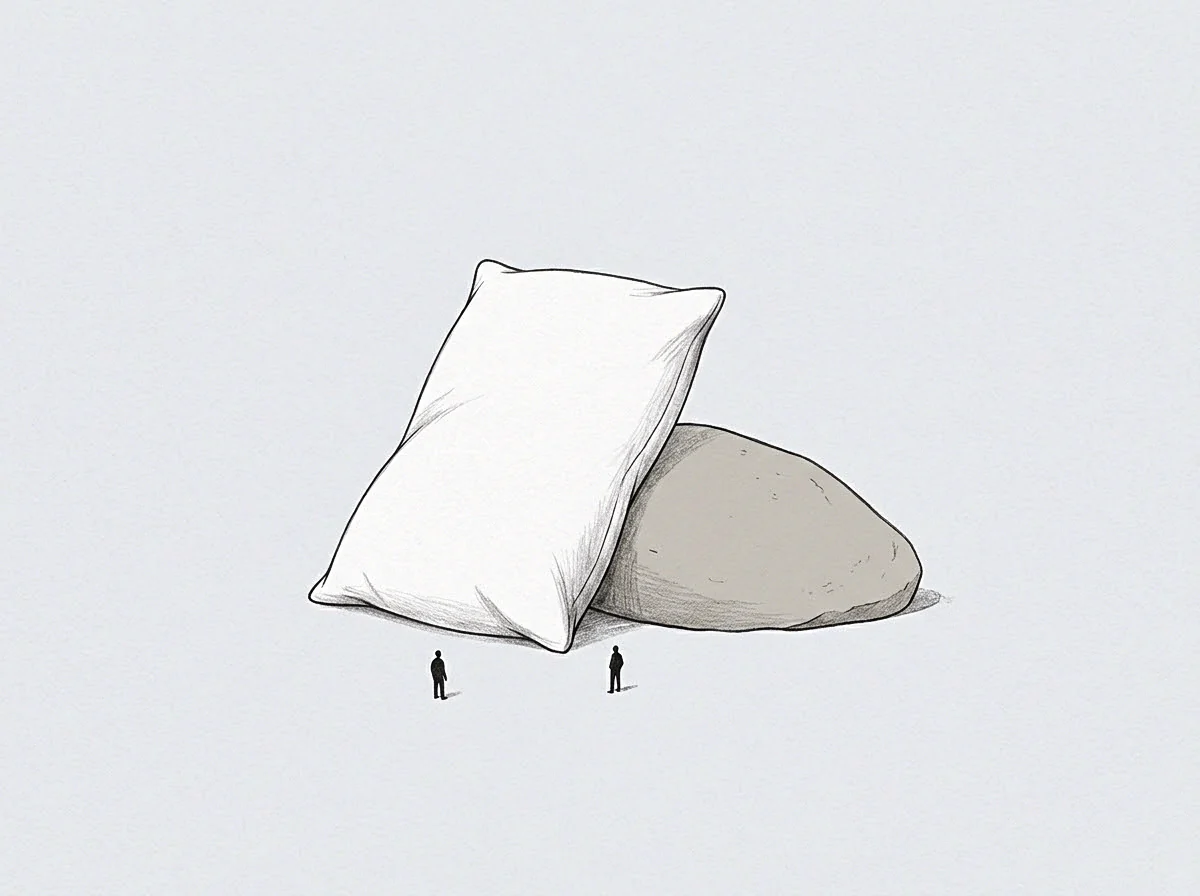
Anchor
Social Baseline Dynamics and Proximity Economy
Self-regulation demands substantial glucose expenditure and heavy executive function processing within the prefrontal cortex. Proximity reduces metabolic cost. The baseline state of human neurobiology assumes social proximity and shared load, treating isolation or unshared responsibility as a high-cost operational anomaly.
When partners navigate severe volatility, autonomic transfer mechanics follow specific functional channels depending on the clarity of operational boundaries and individual regulatory history.
- Silent threat absorption occurs when the primary regulator pre-processes incoming structural risk before it reaches the partner’s conscious awareness.
- State attachment develops as the partner anchors their autonomic baseline directly to the primary regulator’s vocal cadence and physical stability during crisis.
- Regulatory substitution happens when the partner offloads executive emotional control entirely to the primary regulator during high-stakes strategic pivots.
Self-regulation remains expensive. A partner who relies on borrowed regulation operates with lowered baseline stress metrics only because the primary regulator functions as a continuous shock absorber. When the regulator’s own operational load escalates, their internal capacity to buffer the partner diminishes, revealing the underlying structural fragility of the arrangement.
A steady physiological presence lowers energy cost when a reliable regulator remains physically accessible.
The primary regulator often mistakes their ability to bear asymmetric load for durable strength. Physiology operates on hard conservation laws rather than effort. Every hour spent buffering a partner’s reactivity subtracts directly from the regulator’s long-term allostatic reserve.
Unmonitored autonomic transfer depletes the primary regulator’s reserve while creating an illusion of mutual independence across the leadership structure.
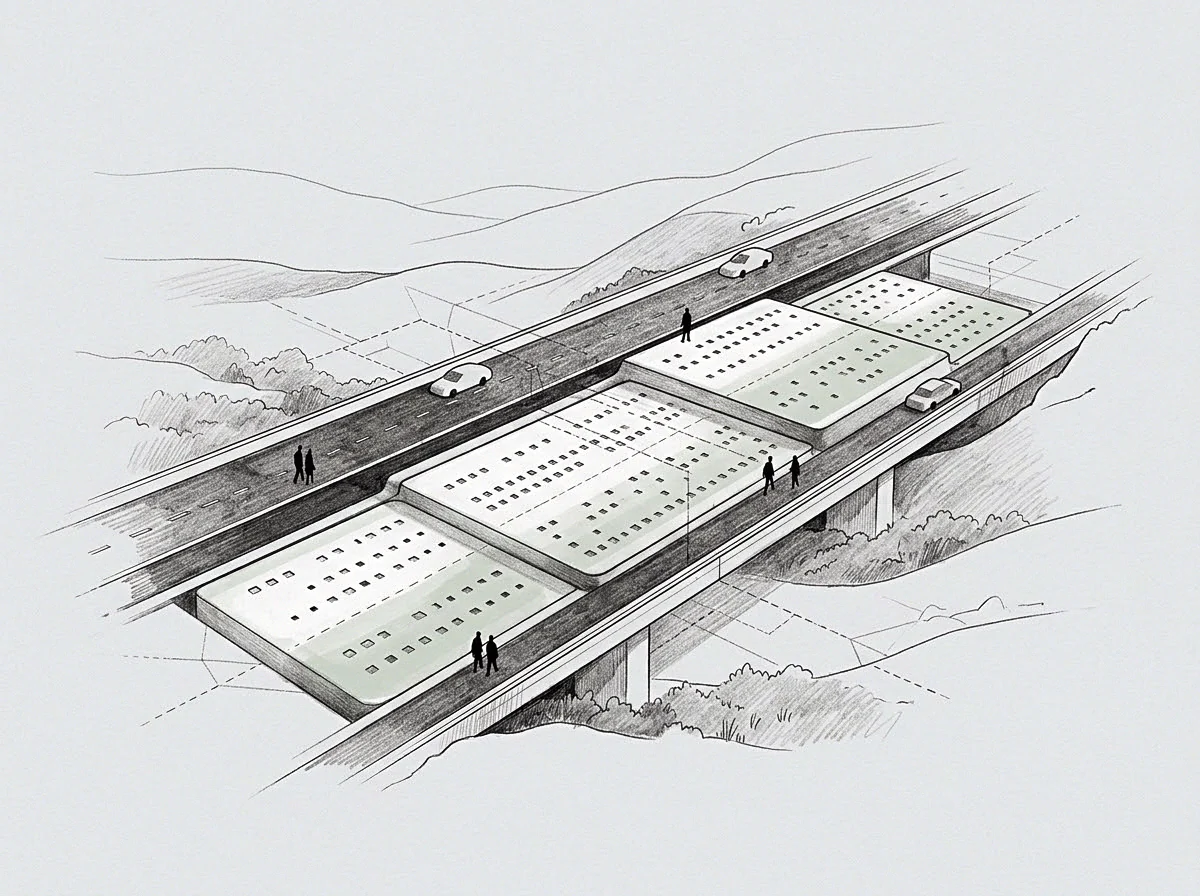
Channel

What Happens When Regulators Reach Allostatic Limits?
Primary regulators typically possess an internal working model formed through early exposure to unbuffered environmental stress. Individuals who learned early in life to self-soothe while simultaneously stabilizing surrounding adults construct a backward regulator template. Regulating oneself and regulating others merge into a single operational neural script.
A backward regulator template converts incoming support into additional administrative monitoring load.
This structural arrangement produces a pronounced neurological deficit. The receptor slot is missing. The internal working model contains clear scripts for giving regulation, holding space, and absorbing excess environmental static, but lacks an operational pathway to receive regulation from an outside source.
Offered calm feels like intrusion. When a partner notices the primary regulator straining and attempts to offer comfort or presence, the primary regulator’s autonomic system registers the incoming input as an anomaly. The offer of support is processed as an additional variable to monitor rather than a source of rest.
Threat processing consumes glucose. The primary regulator stays trapped inside an asymmetric loop: they cannot turn off the output channel, and they cannot open the input channel. The partner perceives this wall as professional distance or emotional detachment, unaware that the regulator’s system is protecting its remaining energy reserves from further expenditure.
Whether a missing receptor slot can be constructed while remaining inside the original high-stakes partnership remains an open physiological question.
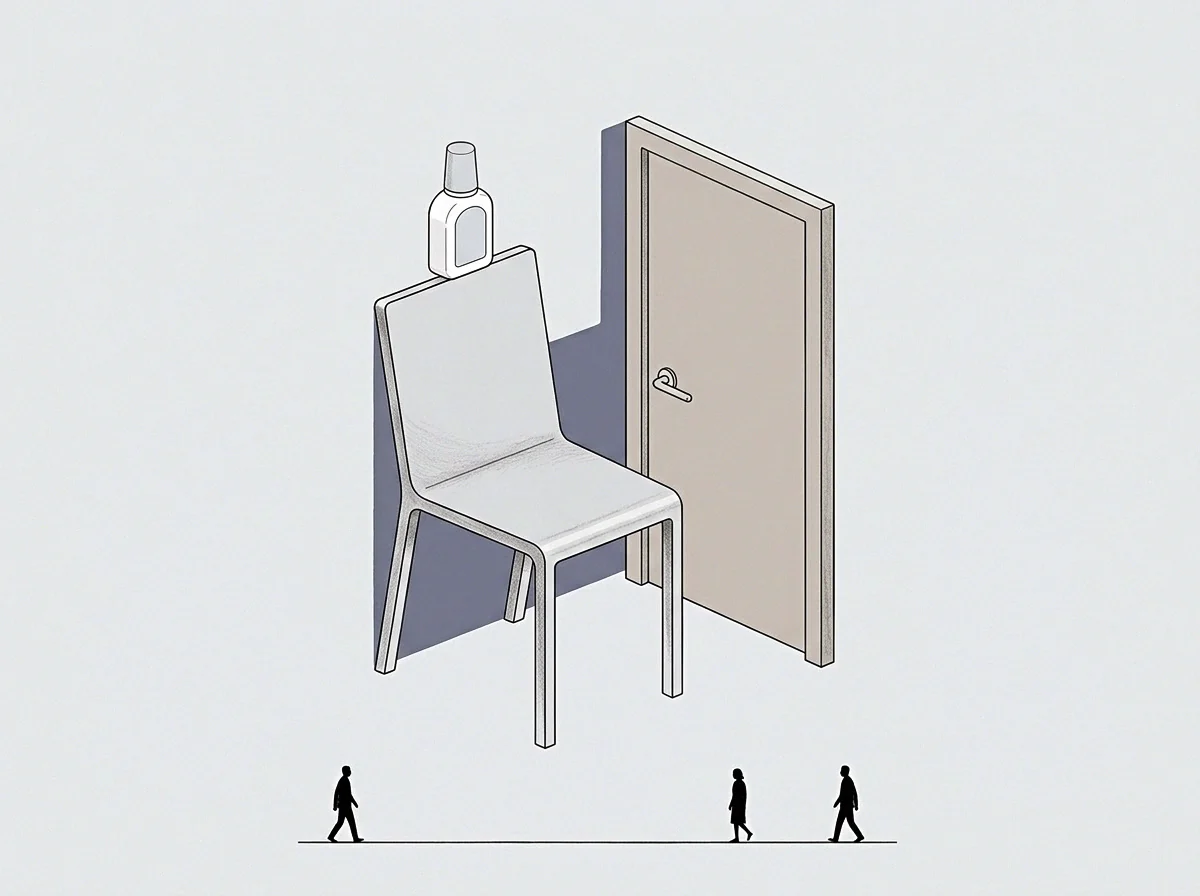
Ceiling

Allostatic Throttling and Asymmetric Partner Dynamics
Allostatic load represents the cumulative wear and tear on tissues and neural circuits resulting from chronic stress exposure. When allostatic load hits its absolute ceiling, the primary regulator’s autonomic system initiates protective throttling. Executive function degrades, emotional tone flattens, or sudden autonomic detachment occurs.
Allostatic throttling limits executive output. Capacity attracts incoming load. Because the partner has relied on borrowed regulation, the primary regulator’s sudden unreachability triggers acute alarm within the partner’s nervous system.
The partner reads the regulator’s protective detachment as existential organizational danger, often escalating incoming pings and emotional demands at the exact moment the regulator has zero operational headroom left.
Capacity under pressure attracts additional load until a stated limit interrupts the transfer cycle.
The operational divide between a primary regulator and a load-transferring partner creates distinct physiological profiles across key operational events.
| Parameter | Primary Regulator State | Partner State |
|---|---|---|
| Threat Pre-Processing | Continuous internal absorption of environmental risk | Minimal conscious awareness of background threat |
| Autonomic Headroom | Depleted through continuous buffering duties | Preserved by borrowing regulator baseline |
| Metabolic Cost | Elevated baseline cortisol and chronic fatigue | Optimized energy allocation for narrow execution |
| Response to Volatility | Autonomic throttling and sudden structural withdrawal | Vigilance surge driven by loss of borrowed calm |
Vigilance surges when calm vanishes. The breakdown of autonomic transfer mechanics during high-stakes execution forces a structural choice within the leadership architecture.
An explicitly stated limit changes the system from automatic load transfer to conscious allocation of operational responsibilities.

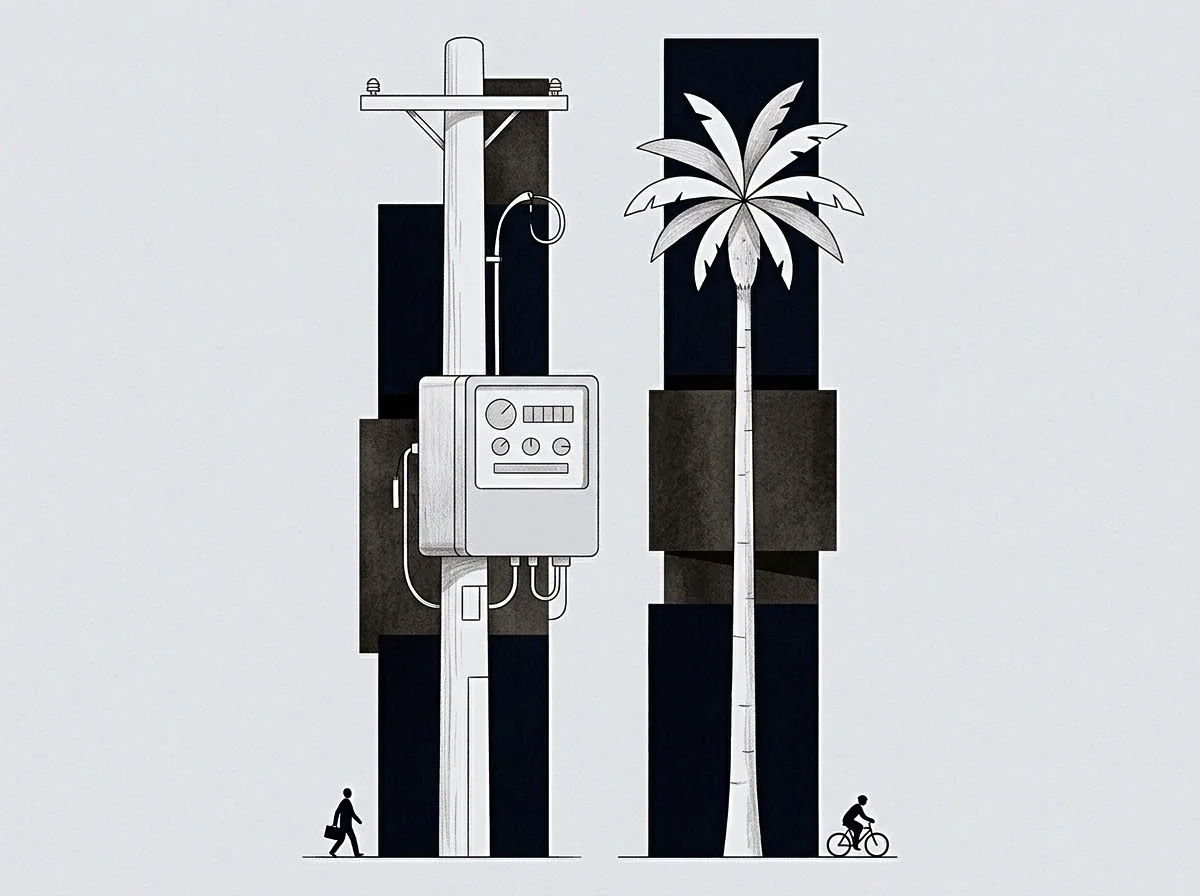
Brake
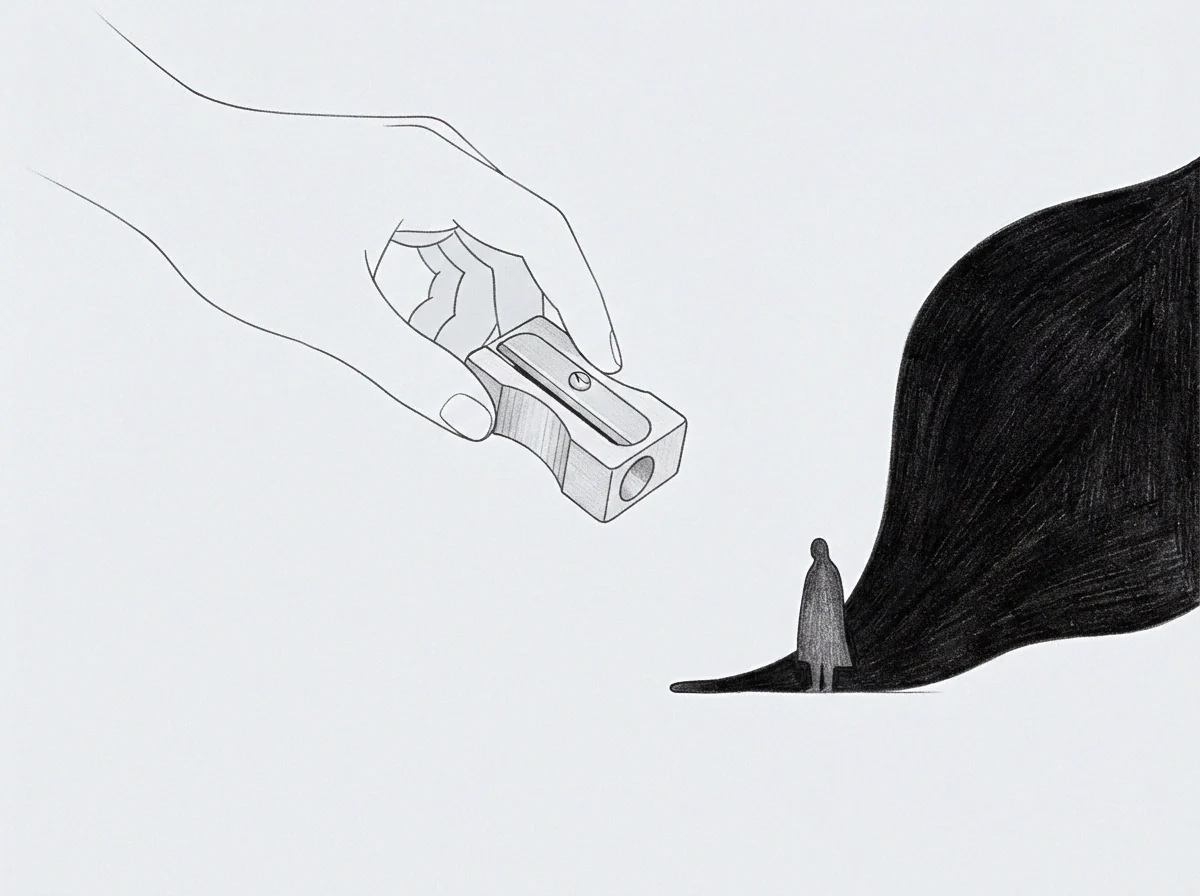
Reclaiming Autonomic Headroom Through Earned Security
Updating an ingrained regulatory template requires physical experience over time rather than intellectual understanding. Insight names the internal pattern. Repeated experience updates the template.
Earned security represents the structural update of an internal working model, built through repeated encounters where threat is encountered, borne, and resolved without collapsing or offloading onto another.
A nervous system updates its baseline only when external regulation is repeatedly absent during manageable stress.
Quiet seats absorb excess noise. To interrupt asymmetric autonomic load transfer, the primary regulator must stop performing unrequested threat pre-processing. Stating clear operational limits forces both parties to re-anchor their nervous systems independently.
When the primary regulator steps back from buffering, the partner initially experiences an uncomfortable rise in baseline vigilance. If the regulator maintains the stated limit without retreating into covert absorption, the partner’s neurobiology eventually adapts. The partner develops original regulatory capacity, ending their reliance on borrowed calm.
True partnership begins when neither party relies on borrowed calm to navigate daily operational volatility.